





 Portuguese
  English
  Spanish
  4 min of reading
  0 comments



Without Electrification, The Jensen Interceptor 2026 Brings V8 Engine, Handcrafted Production, and Revives The Debate with the Classic Sports Car Uirapuru.
What? The launch of a new generation of the Jensen Interceptor 2026.
Who? Jensen International Automotive (JIA).
When? From 2026 onwards.
-
Less than a Tera TSI, up to 710 km of range and charging in 9 minutes: the new BYD Song Ultra expands the Chinese brand’s bet on increasingly faster, more technological, and competitively priced electric SUVs.

-
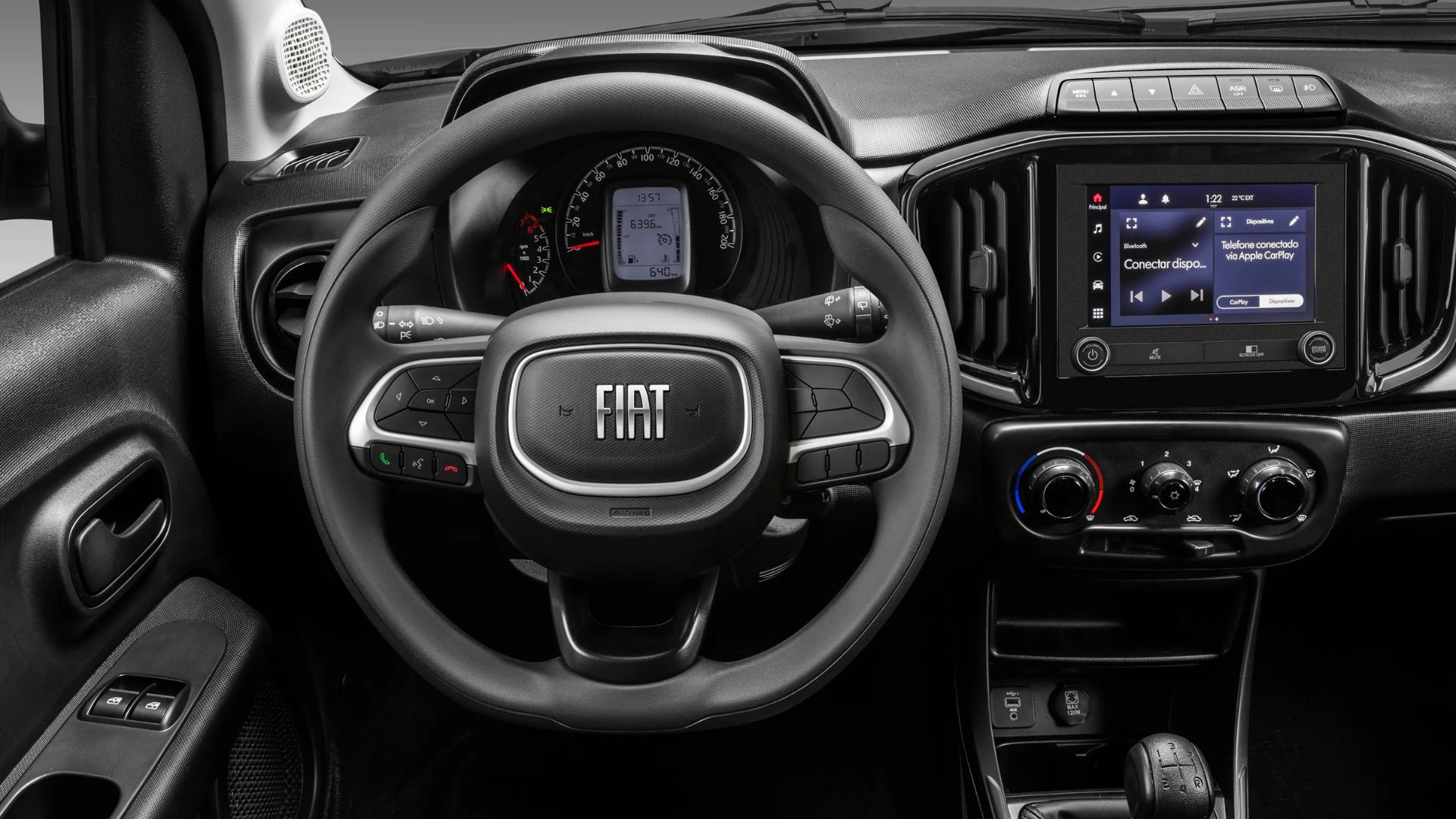
With a 1.0 engine producing 75 hp and costing less than R$ 70,000, Fiat’s car returns to the podium as the cheapest in the country; a temporary promotion for the 2026 Like version reduces the price of the Fiat Mobi.
-
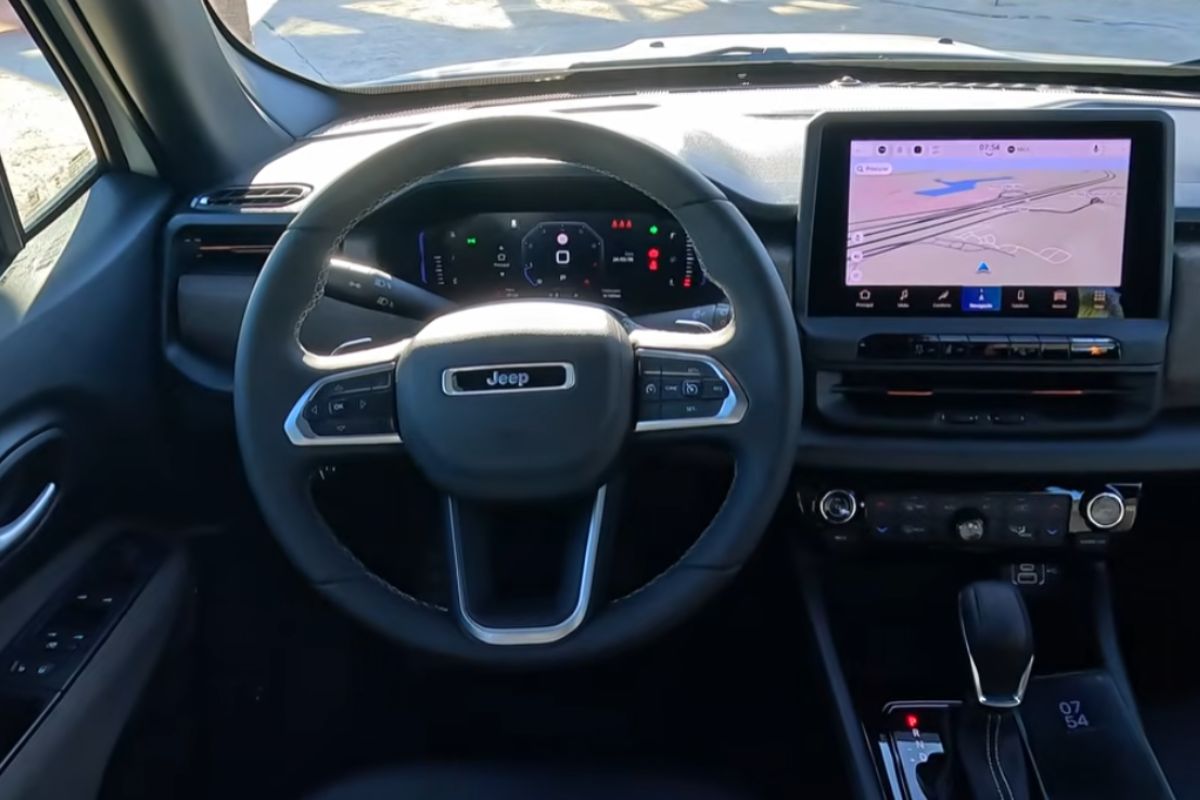
With a mild hybrid system of 48 V, 176 hp and a price of R$ 175,990 in the Sahara version, the new Jeep Renegade changes mostly on the inside, improves slightly in fuel consumption, and remains almost the same car.
-
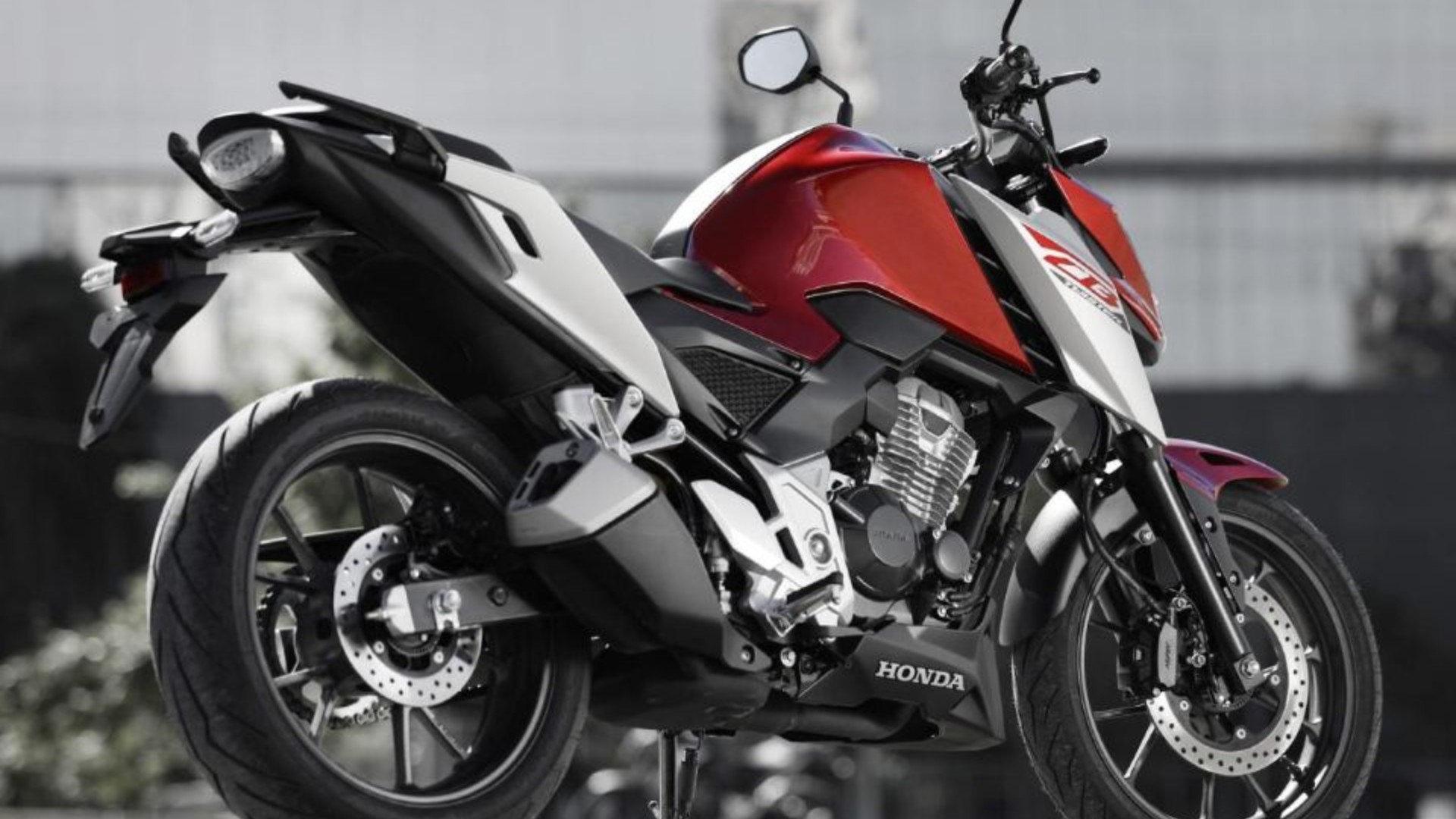
With a 293.5 cm³ engine and a range of up to 400 km with a 14.1-liter tank, the Honda CB 300F Twister 2026 has up to 24.7 hp, an initial price of R$ 25,150, and already exceeds R$ 29,000 in the Fipe Table.

Where? Handcrafted production in Banbury, United Kingdom.
How? With unique engineering, aluminum chassis, and V8 engine without electrification.
Why? To fill the gap left by brands that have moved to electric and to recover the analog experience of a Luxury British GT.
Half a century after disappearing from the scene, the return of the Jensen brand ceases to be a promise and takes shape with the Jensen Interceptor 2026.
Unlike restomods or “continuation cars,” the new model is built from scratch and bets on a formula that is increasingly rare: pure grand tourer, powerful and focused on the connection between car and driver.
The proposal also reopens an old debate in Brazil, where the Interceptor is remembered as the supposed “copy” of the classic sports car Uirapuru.
An Analog GT in The Midst of The Electric Era
The JIA, which has been restoring classic Interceptors for 15 years, now assumes the role of niche manufacturer.
Thus, the Jensen Interceptor 2026 arrives for a specific audience: enthusiasts who still associate a Luxury British GT with long journeys, the real sound of a V8 engine, and physical controls.
— “We want to elevate the concept of Luxury British GT to a new level, with a completely contemporary approach,” says David Duerden, executive director of JIA.
While traditional brands like Jaguar are moving to pure electric and Aston Martin electrifies its range, Jensen bets on the opposite path.
Therefore, the project prioritizes real buttons, mechanical responses, and direct involvement behind the wheel.
New Engineering, Classic Inspiration
Although the design is still under wraps, the JIA revealed that the Jensen Interceptor 2026 will use a completely new aluminum chassis.
The goal is to combine structural rigidity with weight reduction, something essential for a modern Luxury British GT.
The silhouette, seen only in discreet previews, evokes the original Interceptor from 1966. Long hood, fastback rear, and enveloping rear glass remain as a visual signature.
However, the execution is current, with cleaner lines and aerodynamic solutions compatible with the 21st century.
The Brazilian Connection with The Classic Sports Car Uirapuru
In Brazil, the Interceptor has always carried a curious label. Many know it as the car that would have inspired the Brasinca 4200 GT, also called STV Uirapuru, launched in 1964.
The national sports car, designed by Rigoberto Soler, emerged two years before the British version.
This historical coincidence means that the classic sports car Uirapuru reappears whenever the return of the Jensen brand is mentioned.
Although there has never been official recognition of a copy, the visual similarities continue to fuel debates among classic car fans.
The Mystery Surrounding The V8 Engine
If the car concept is clear, the mechanics still hold secrets. The JIA only confirms that the Jensen Interceptor 2026 will have a “custom-made” V8 engine.
The origin has not been revealed, but there are rumors of a partnership with companies like Cosworth or of a deeply reworked North American block.
Historically, Interceptors used V8s from Chrysler.
Now, power is expected to be above 600 hp, maintaining the tradition of blending American strength with British refinement.
In addition, there is growing anticipation for a manual transmission option, which is almost extinct among modern GTs.
Handcrafted Production and Collector Price
Production will take place in Banbury, about 90 km from the old Jensen headquarters. The volume will be described as “ultra-limited,” reinforcing the exclusivity of the Jensen Interceptor 2026.
The official price has not been disclosed, but estimates suggest around £500,000, approximately R$3.6 million. For comparison, current restomods from JIA range from £150,000 to £400,000, depending on configuration.
A Legacy That Crosses Decades
Founded in 1934 by brothers Alan and Richard Jensen, Jensen Motors built its reputation by combining American mechanics with European design.
The Interceptor, launched in 1966, became its biggest success, with 6,408 units produced.
In the same year, the brand surprised the world with the Jensen FF, the first passenger car with permanent all-wheel drive and ABS brakes.
Despite the innovation, financial difficulties and the oil crisis led to bankruptcy in 1976.
Now, the return of the Jensen brand seeks to transform history into the future.
If it delivers on its promise, the Jensen Interceptor 2026 may become one of the last true representatives of the Luxury British GT powered by a V8 engine, carrying echoes of the past — including that of the unforgettable classic sports car Uirapuru.
See more at: Jensen Interceptor Returns to Production After 50 Years with 600 hp








Seja o primeiro a reagir!