





 Portuguese
  English
  Spanish
  5 min of reading
  0 comments


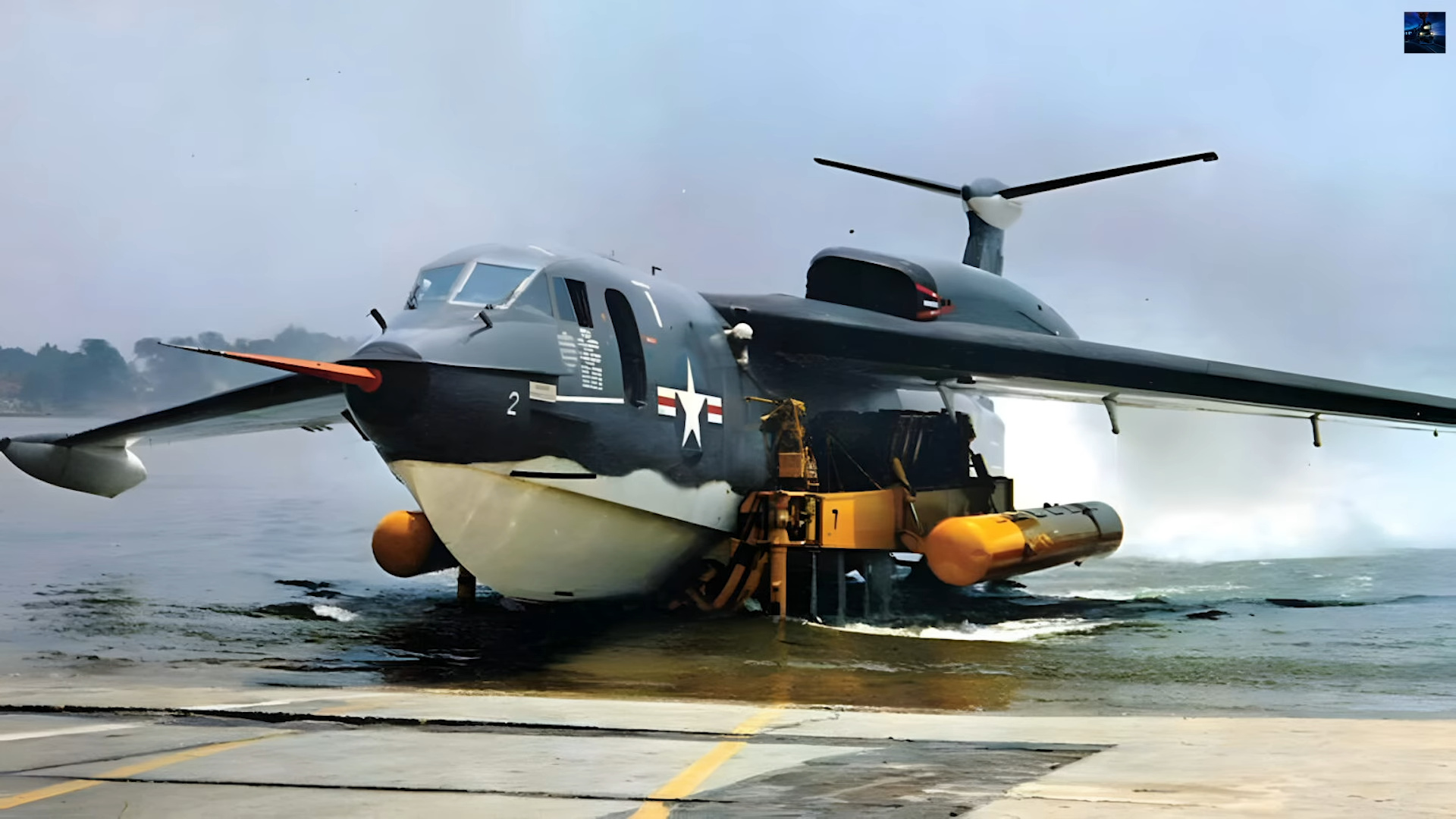
With Almost 41 M, Mach 0.9 Over The Sea and 13 T of Armament, The Martin P6M Seamaster Jet Seaplane Tried to Become A Mobile Air Base For The U.S. Navy, But Was Abandoned.
In the midst of the Cold War, when strategic logic was still seeking alternative paths to survive a first nuclear attack, the United States Navy bet on an idea as bold as it was risky: to turn the ocean itself into a runway. The result was the Martin P6M Seamaster, a large jet seaplane designed to operate far from fixed bases, fly extremely fast at low altitude, and carry strategic armament — all without relying on airports.
The project even flew, was tested under real conditions, and demonstrated impressive capabilities. Still, it was canceled before entering operational service, becoming one of the most emblematic examples of how military engineering can go too far for the strategic context of its time.
The Logic Behind A Bomber That Took Off From The Water
The Seamaster was born out of a real concern of the U.S. Navy in the early 1950s. In a nuclear war scenario, land-based airfields would be priority targets. If destroyed in the first hours of a conflict, air response capability could be quickly neutralized.
-
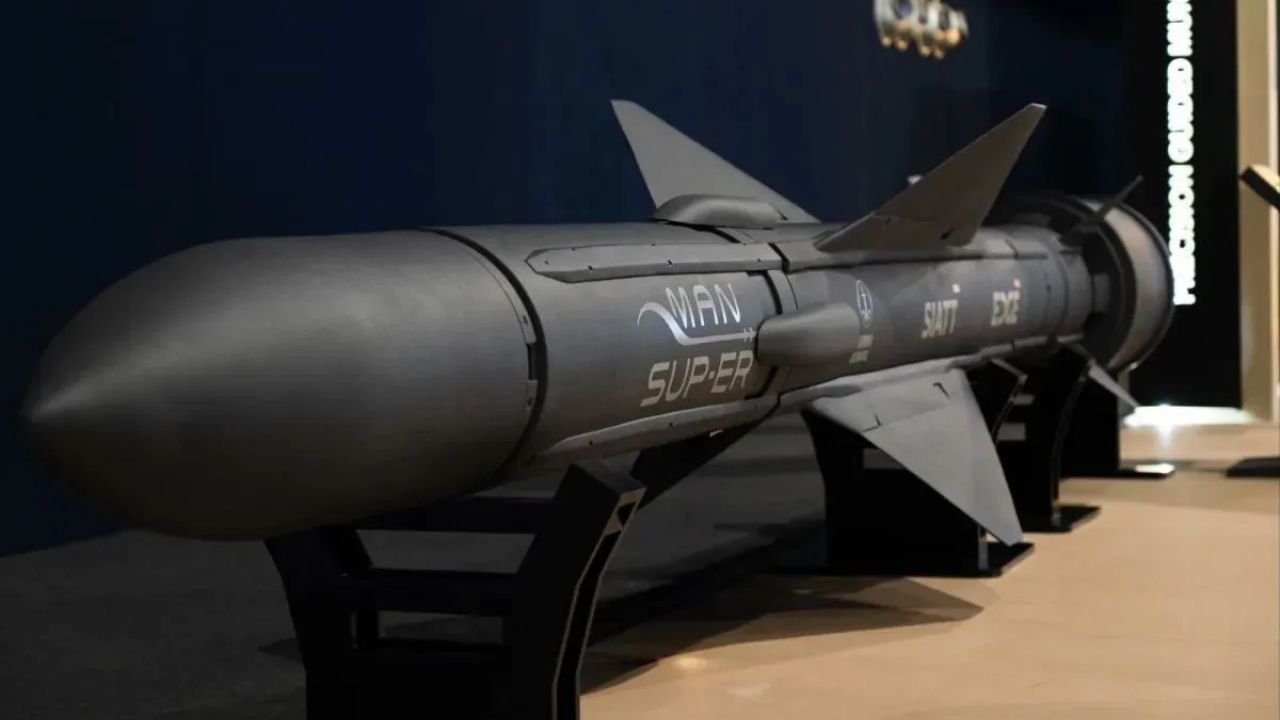
Brazil accelerates the evolution of the MANSUP missile, designing an air-surface version with a range exceeding 200 km, advanced guidance, and precision strike capability against land and naval targets, paving the way for a new generation of national armaments with global potential.
-
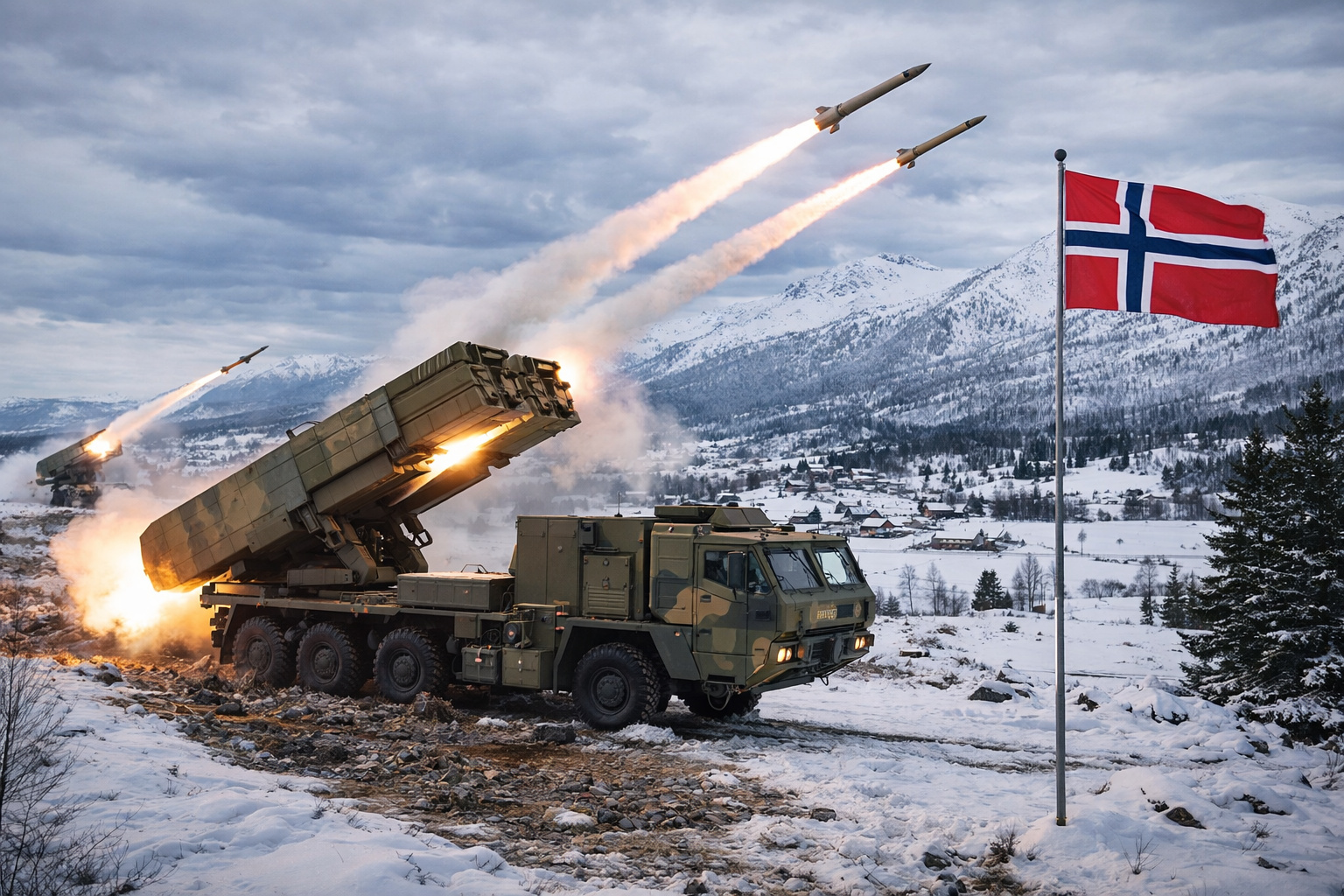
South Korea signs a $922 million deal with Norway, bringing Chunmoo launchers capable of firing guided missiles up to 290 km with an accuracy of 15 meters to Europe and turning the system into a key component of the new global race for precision artillery.
-
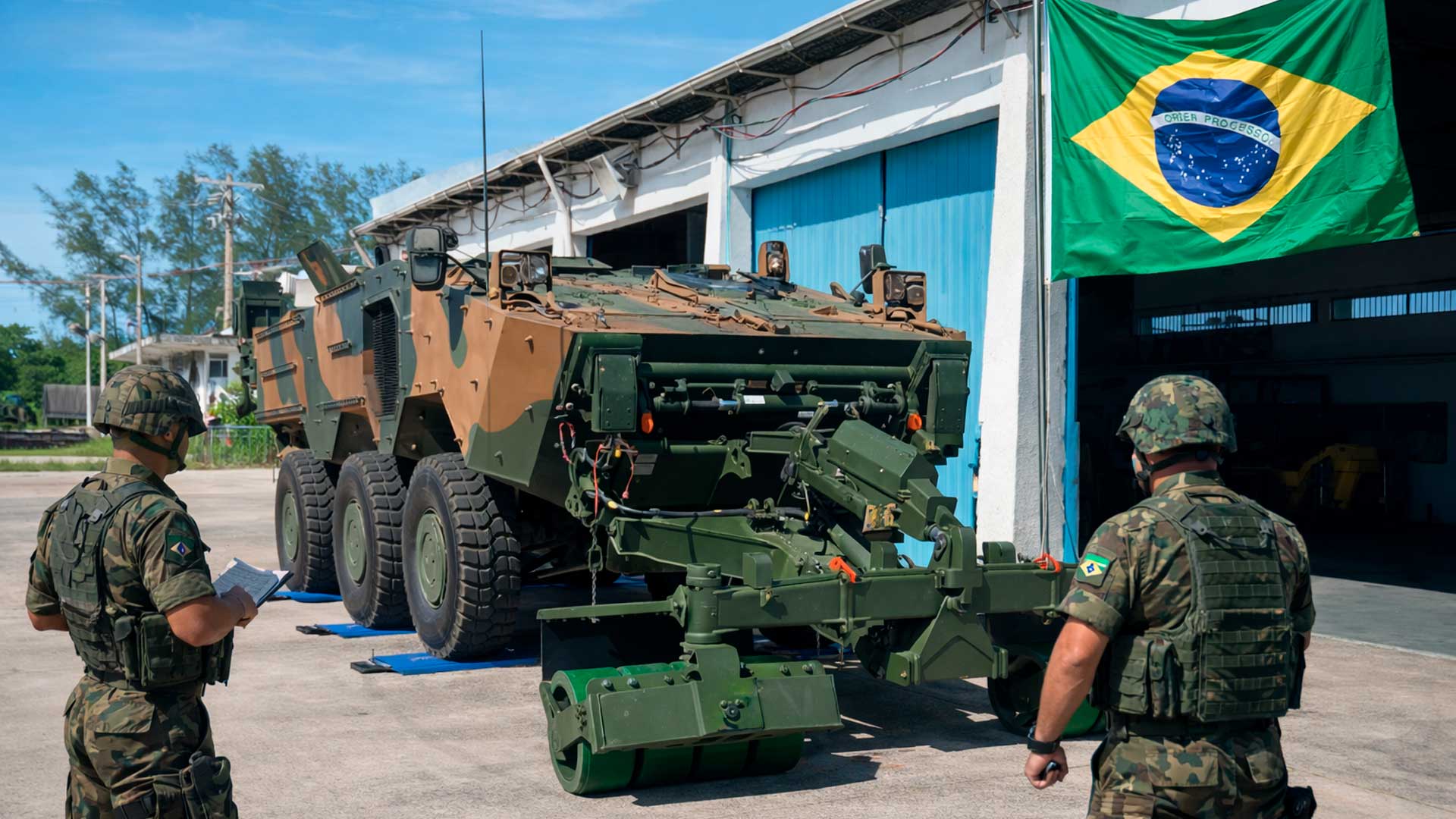
Brazil advances with decisive tests until June, the 6×6 Guarani armored vehicle with engineering equipment enters the most important phase and can enhance the operational capability of the Army.
-
Furnas Airport is handed over to the Navy and becomes a strategic base with complete military operations, attack drones, and international mobilization at Furnas Lake.

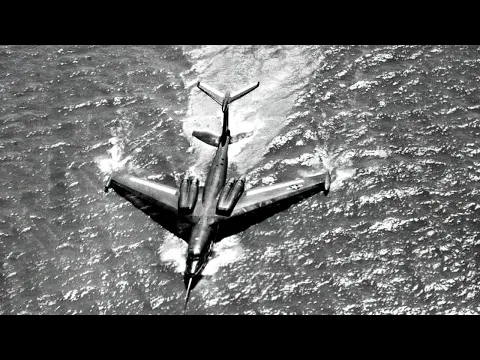

The imagined solution was radical: to create a strike force capable of operating dispersed across the oceans, supported by supply ships, refueled at sea, and ready to attack without warning.
The P6M would be the core of this so-called Seaplane Striking Force, functioning as a mobile air base, hard to locate and almost impossible to eliminate all at once.
A Jet Colossus Over The Waves
Physically, the Martin P6M Seamaster was impossible to overlook. At almost 41 meters long and with a wingspan of over 31 meters, it had dimensions comparable to strategic bombers of its time. Its maximum takeoff weight approached 86 tons, something extraordinary for a seaplane.
The propulsion came from four jet engines, mounted high above the fuselage to reduce water ingestion during takeoffs and landings. In its most advanced version, the P6M-2, the Pratt & Whitney J75 engines provided enough thrust to take the aircraft to Mach 0.9 at low altitude over the sea, a nearly unthinkable performance for an aircraft operating directly from the water.
Extreme Speed As A Survival Strategy
The Seamaster was not designed to fly high like Air Force bombers. Its doctrine was different. It was supposed to penetrate enemy defenses at low altitude, exploiting the curvature of the Earth and the difficulty of detection by radar at the time.
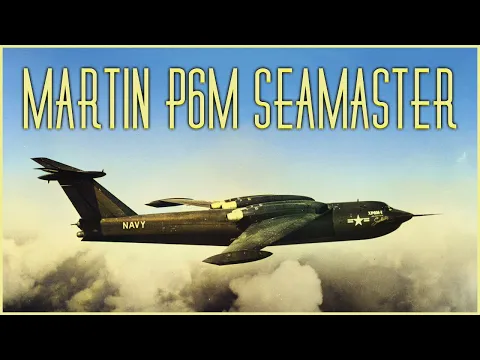
Flying close to Mach 0.9 “at sea level” gave the seaplane a real chance of surviving in highly contested environments. It was an aggressive approach, pushing the aircraft to its structural limits, but it reflected the strategic urgency of that period.
Attack Capability That Justified The Risk
All this effort made sense because the Seamaster could carry an impressive payload. Its internal compartment, sealed against water, could hold up to 13 tons of armament, including conventional bombs, naval mines, and tactical and strategic nuclear weapons of the time.
This placed the P6M in a singular category: it was not just an experimental aircraft, but a potential nuclear vector, capable of striking targets at long distances directly from the ocean. In theory, a fleet of these seaplanes scattered throughout the Atlantic or Pacific would be extremely difficult to neutralize.
Tests, Accidents, and The Limits Of Engineering
The first flight occurred in July 1955, and initial tests confirmed that the concept was viable from an aerodynamic standpoint. The Seamaster was indeed capable of taking off from the water, flying fast, and meeting the intended mission profiles.
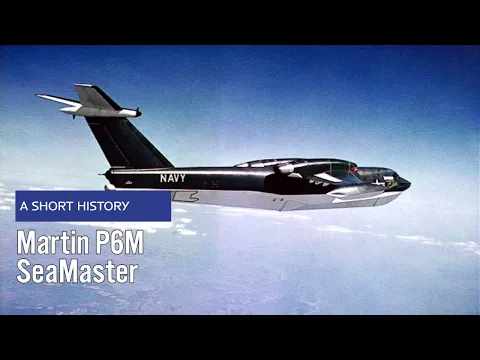
But the price of this boldness was high. Two prototypes were lost in serious accidents, revealing reliability issues, particularly with the early engines. Each loss delayed the program, increased costs, and heightened political pressure on the project.
Even with technical improvements in the P6M-2 version, the program had already accumulated delays, rising expenses, and doubts about its real strategic necessity.
The Context That Sealed The Fate Of The Seamaster
As the P6M struggled to mature, the strategic landscape was changing rapidly. The introduction of submarine-launched ballistic missiles, such as the Polaris, offered the Navy a much simpler, stealthier, and more reliable form of deterrence.
Nuclear submarines could remain hidden for months and launch long-range missiles without exposing crews or aircraft. Compared to this, maintaining a fleet of jet seaplanes, supply ships, and an entire maritime infrastructure began to seem too complex and vulnerable.
In 1959, after significant investments and years of testing, the U.S. Navy officially canceled the program.
A Project That Worked, But Missed The Historical Timing
The cancellation of the Martin P6M Seamaster was not the result of an absolute failure. On the contrary: the aircraft flew, met its basic requirements, and proved that the concept was technically feasible. The problem was that it was born in a very narrow window of military history, between the dominance of bombers and the definitive rise of ballistic missiles.
When it became clear that submarines armed with SLBMs could do the same job with much less risk and cost, the Seamaster lost its reason for existence.
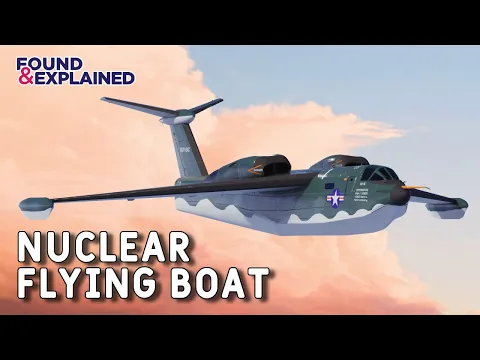
Today, the P6M Seamaster is remembered as the last great military jet seaplane and as one of the most ambitious projects ever attempted by naval aviation. It symbolizes an era when engineering was pushed to the limit to solve strategic problems that would soon be addressed by other technology.
Turning the ocean into a runway, flying nearly at the speed of sound close to the waves, and carrying nuclear weapons without relying on land bases was an idea ahead of its time — and, at the same time, too complex to survive the rapid evolution of modern warfare.










-

-

-

-

8 pessoas reagiram a isso.