





 Portuguese
  English
  Spanish
  3 min of reading
  0 comments


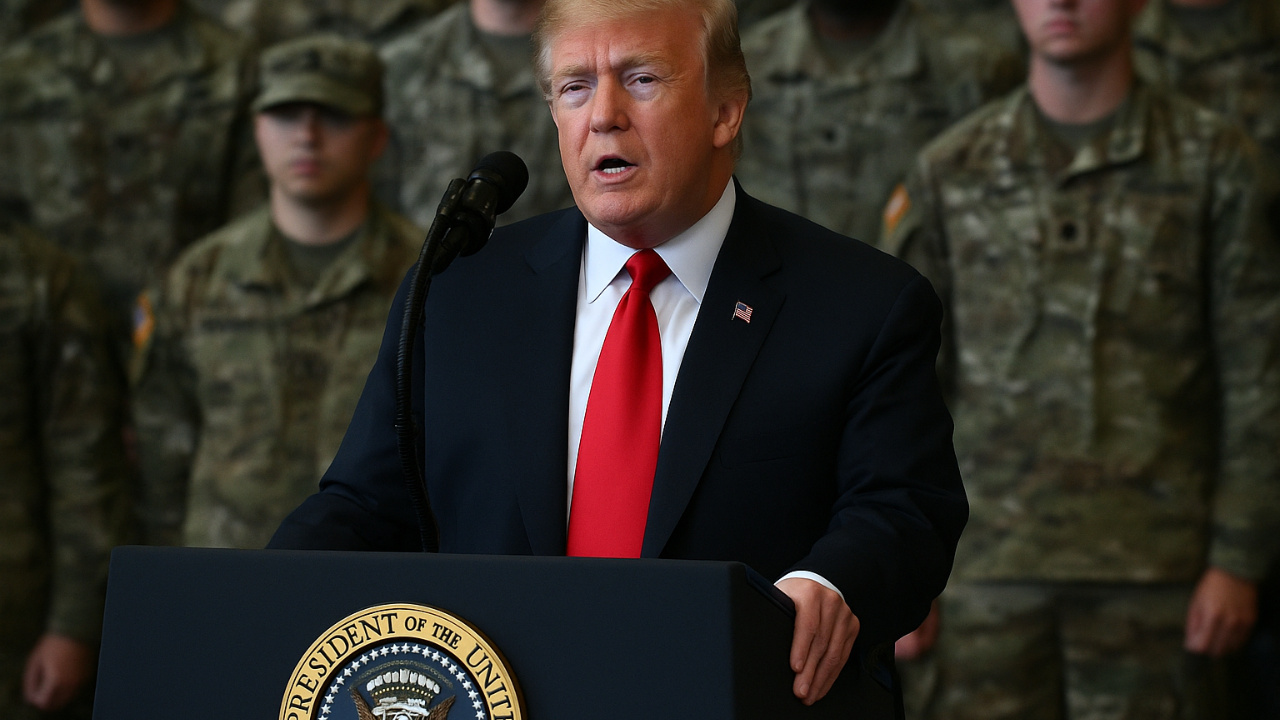
Report Indicates That the Trump Administration Will Readjust Global Military Presence to Focus on Latin America and Strengthen Operations.
The Trump Administration will readjust global military presence to focus on Latin America because, according to the plan, previous administrations sought “global domination,” which “overburdened the country” and allowed allies to outsource their defense costs to the U.S..
Thus, the administration considers it urgent to recenter priorities in the Western Hemisphere, where it seeks to contain migration flows, increase geopolitical influence, and enhance security cooperation.
The document classifies this change in course as a “correction of conduct in relation to previous administrations”.
-
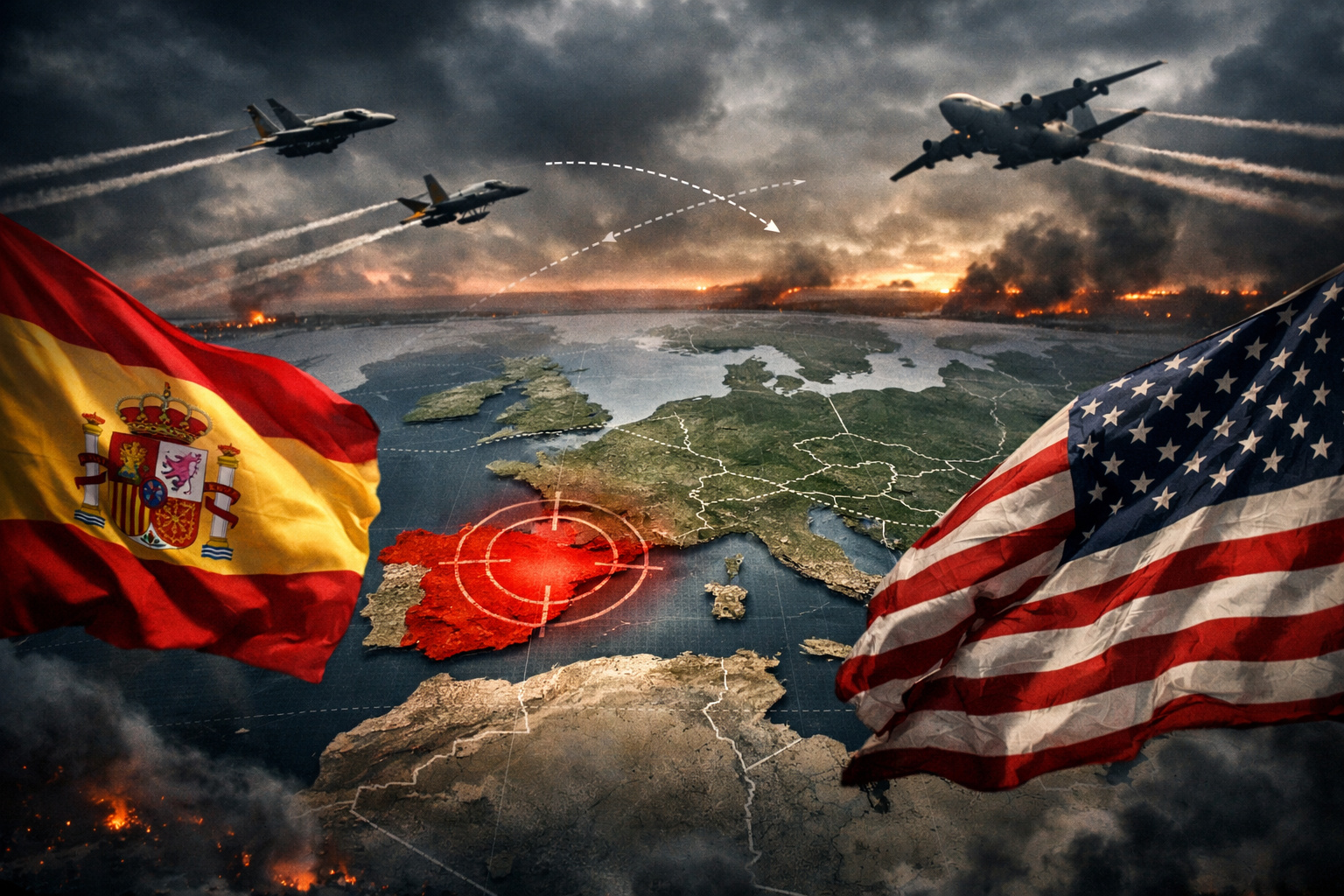
Spain challenges the USA and closes its airspace for operations against Iran, raising global tension and provoking the threat of a trade rupture.
-
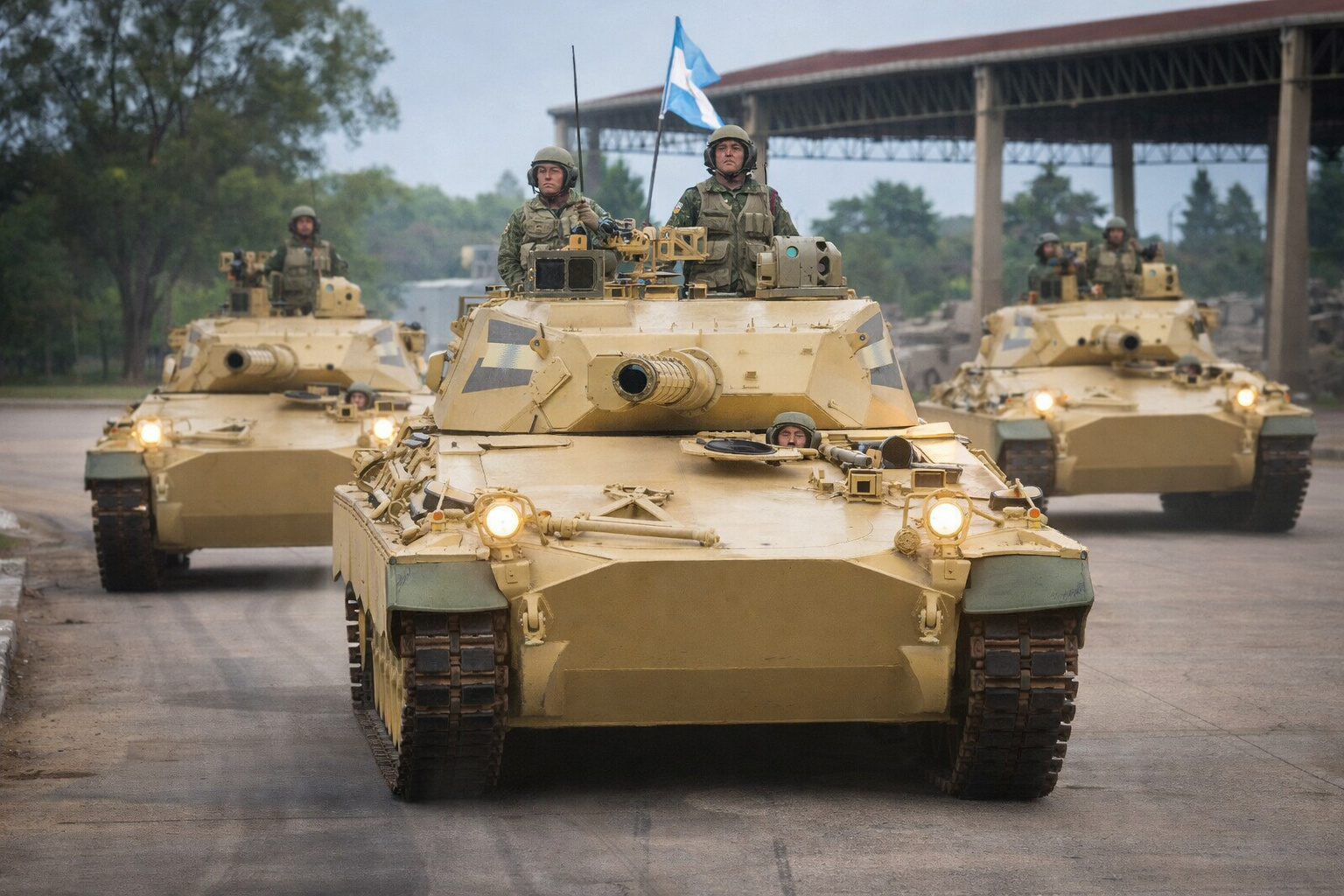
While no other country manufactures tanks in Latin America, Argentina activates the TAM 2C-A2 and raises a curiosity about the technological lag in the region.
-
A Russian ship with 730,000 barrels of oil has just arrived in Cuba while Mexico negotiates fuel sales through private companies: the communist island is desperately seeking alternatives after losing its supply from Venezuela due to American military action.

-
Iranian drones and missiles destroyed a 270 million dollar American spy plane in Saudi Arabia, splitting the E-3 Sentry aircraft in half and injuring 12 military personnel in an attack that exposes the vulnerability of U.S. bases in the Persian Gulf.

For the government, the American presence in the region should be more strategic and integrated with border control policies and combating transnational threats.
Redistribution of Responsibilities: The New Axis of Defense Policy
The guideline states that the “transfer of responsibilities” will be one of the pillars of American military action.
This guideline appears in almost all assessed regions, reinforcing the principle that allies should assume a larger share of costs and operations.
In East Asia, for example, the government claims to have requested Japan and South Korea to increase defense spending focusing on “capabilities to deter adversaries”.
The text also highlights:
“We will also harden and strengthen our military presence in the Western Pacific and maintain a firm rhetoric about increasing defense spending.”
Throughout the document, it is evident that the Trump Administration will readjust global military presence to focus on Latin America.
Taiwan and Western Asia Enter the Center of International Tensions
According to the plan, another essential axis will be to “reinforce and strengthen” American action in Western Asia, a region that houses Taiwan.
The Trump Administration asserts that there will be a “major focus” on Taiwan, reinforcing diplomatic and military actions.
The White House also wants to share responsibilities with Japan and South Korea to enhance regional security and attempt to limit the advance of rival powers.
This global redistribution occurs parallel to the main guideline: the Trump Administration will readjust global military presence to focus on Latin America.
Middle East: Less Direct Leadership and More Support for Partners
The strategy for the Middle East will be to “shift responsibilities and build peace”.
Thus, after attacks on Iranian nuclear facilities and the peace agreement, the American government states that it may reduce direct focus in the region.
The document states that regional partners “are demonstrating their commitment to combating radicalism,” allowing the U.S. to redirect part of its strategic resources.
Europe is Criticized and Must Take on More of the War in Ukraine
The government accuses Europe of blocking diplomatic advances and claims that the continent’s expectations regarding the conflict in Ukraine are “unrealistic”.
Thus, the new doctrine also states that it intends to “promote European greatness,” although it expects the European Union to take on greater security costs.
At the same time, it reinforces measures to support groups that oppose European migration policies.
Immigration: Border Control Becomes a Central Priority
The U.S. wants to end mass immigration and transform border control into the “main element of national security”.
Therefore, since the Trump Administration will readjust global military presence to focus on Latin America and control migration routes.










Seja o primeiro a reagir!