





 Portuguese
  English
  Spanish
  4 min of reading
  7 comments


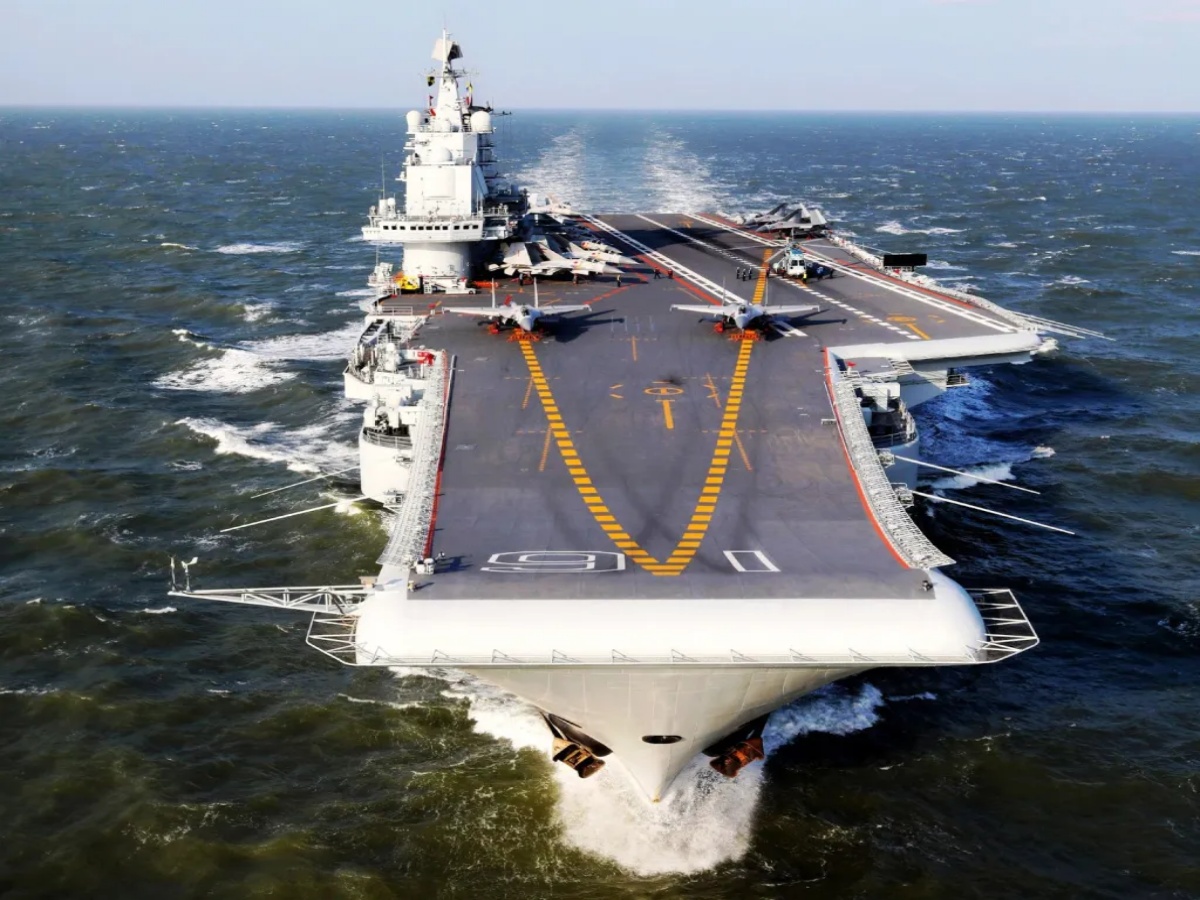


With More Than 300 Meters in Length and Nuclear Concept, the Type 004 Aims to Transform the Chinese Navy with Electromagnetic Catapults, Embarked Drones, and Global Power Projection.
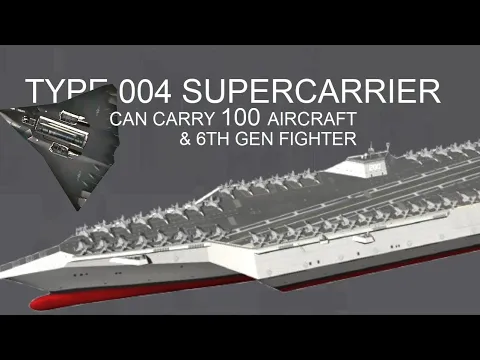
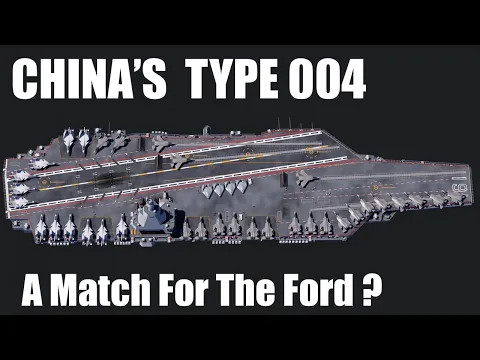
China is advancing to a new level of naval power with the Type 004 aircraft carrier project, designed not just as a warship, but as a floating airbase with global reach. Unlike previous Chinese aircraft carriers, the Type 004 is born with the explicit ambition of rivaling the largest super aircraft carriers ever built, integrating technologies that redefine how air power is projected from the sea.
The most widely accepted estimates by naval analysts indicate that the Type 004 will be between 320 and 330 meters long, with a displacement close to or exceeding 100 thousand tons. These figures place it squarely in the category of super aircraft carriers, comparable to the largest flight deck ships in the world.
This scale is not aesthetic or symbolic. It is necessary to accommodate a larger air wing, very high demand electrical systems, large stocks of aviation fuel, munitions, and infrastructure capable of sustaining continuous operations for long periods in open seas.
-
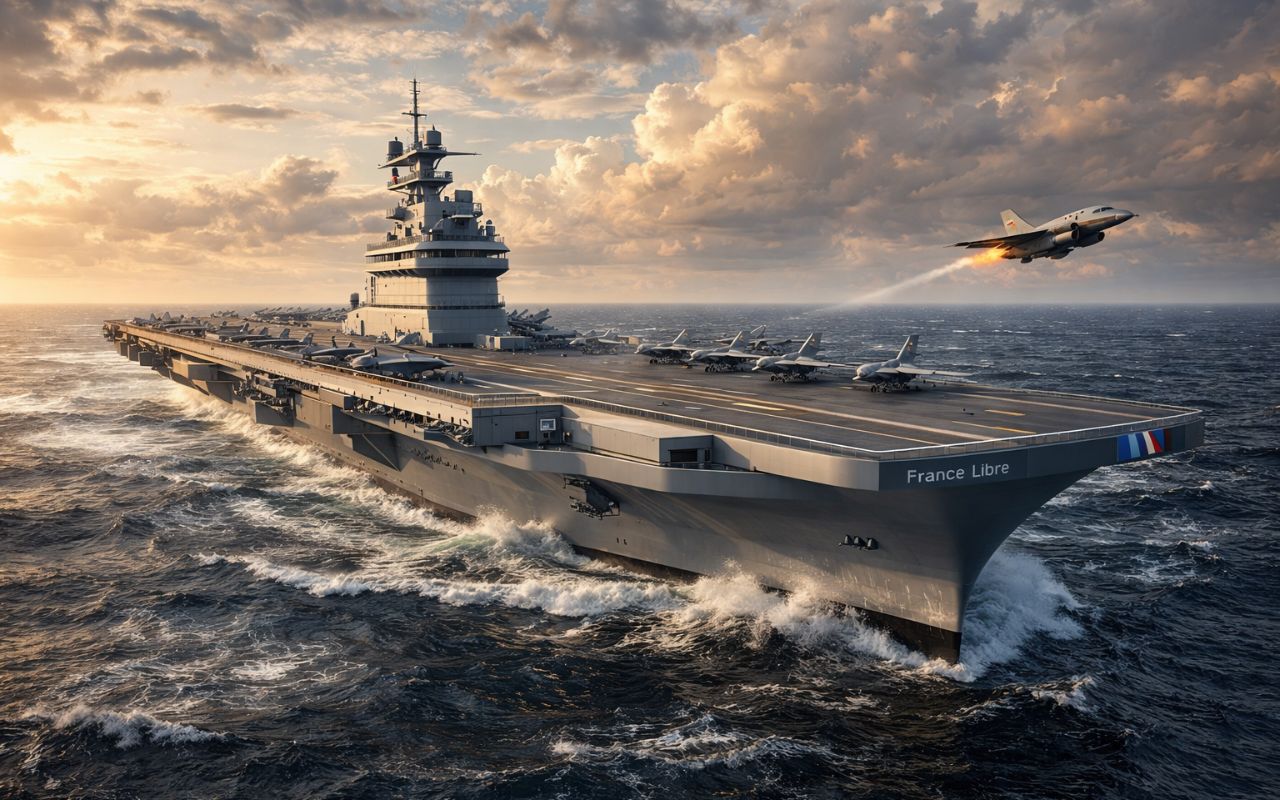
With 310 meters, 80 thousand tons, and capable of operating for 45 years, the new nuclear aircraft carrier France Libre will be the largest in France and will enter service in 2038.
-
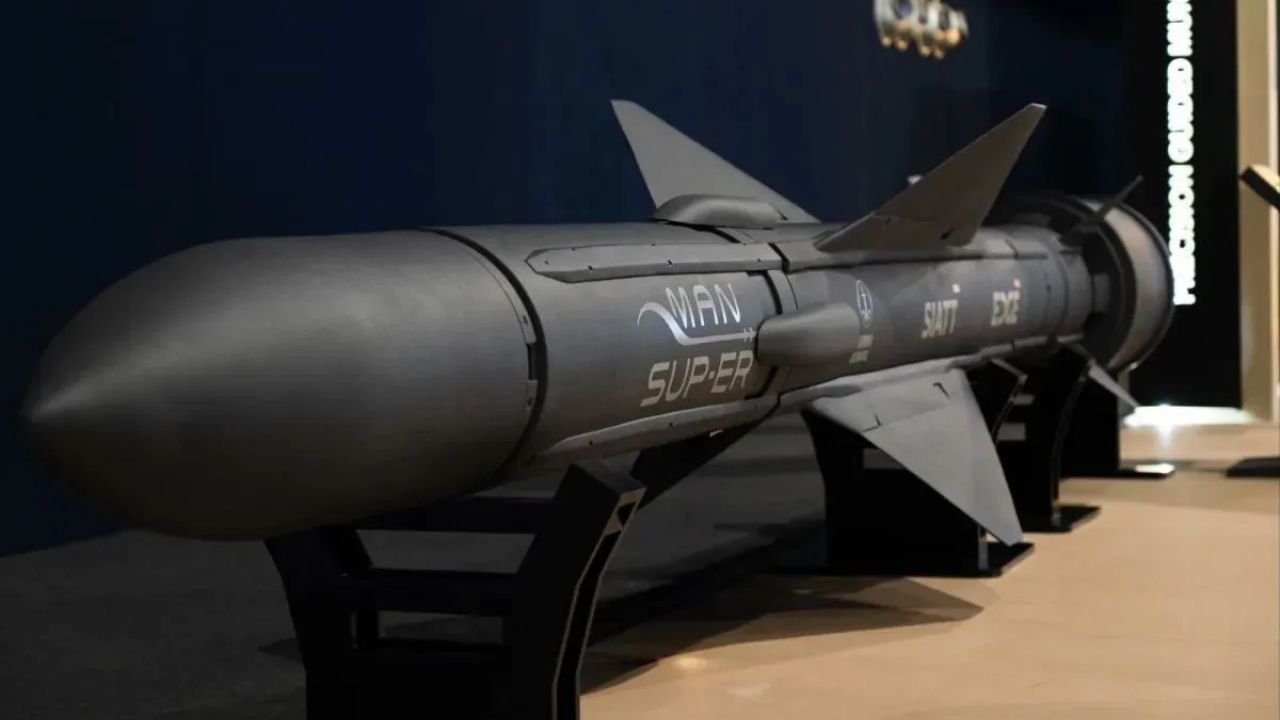
Brazil accelerates the evolution of the MANSUP missile, designing an air-surface version with a range exceeding 200 km, advanced guidance, and precision strike capability against land and naval targets, paving the way for a new generation of national armaments with global potential.
-
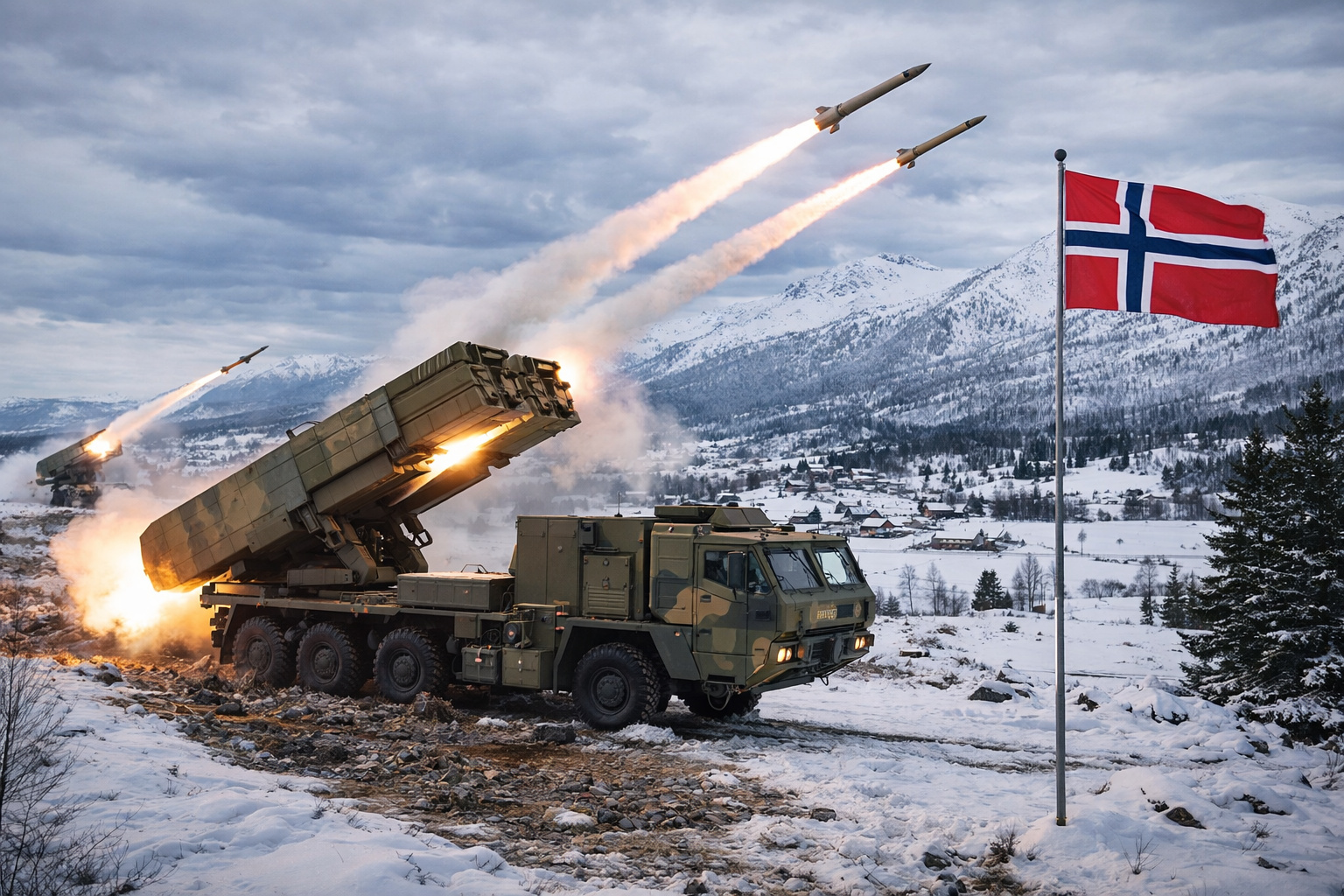
South Korea signs a $922 million deal with Norway, bringing Chunmoo launchers capable of firing guided missiles up to 290 km with an accuracy of 15 meters to Europe and turning the system into a key component of the new global race for precision artillery.
-
Brazil advances with decisive tests until June, the 6×6 Guarani armored vehicle with engineering equipment enters the most important phase and can enhance the operational capability of the Army.
Nuclear Propulsion as a Strategic Leap
The most disruptive aspect of the Type 004 is its nuclear propulsion, widely regarded by experts as the central element of the project. By abandoning conventional engines, China would take a decisive leap in operational range and persistence.

A nuclear aircraft carrier can operate for years without refueling, which drastically reduces logistical dependence and allows for continuous presence in areas far from national territory.
Moreover, the energy generated by nuclear reactors provides sufficient electrical capacity to power electromagnetic catapults, advanced sensors, electronic warfare systems, and future technologies still in development.
Electromagnetic Catapults and Combat Pace
The Type 004 is expected to employ next-generation electromagnetic catapults (EMALS), an evolution of the system already introduced on the Type 003. This type of catapult offers decisive advantages over traditional steam systems.
With EMALS, the ship can launch heavier aircraft with full fuel and armament, operate different types of aircraft with greater flexibility, and significantly increase the rate of takeoffs and landings.
In practice, this transforms the aircraft carrier into a high-intensity air hub, capable of sustaining dozens of missions per day.
Stealth Fighters and the Future of Embarked Aviation
The air wing of the Type 004 has been designed to operate next-generation embarked fighters, including naval versions of the stealth fighter J-35. These aircraft offer low radar signatures, greater integration with sensor networks, and the ability to operate in highly contested environments.
In addition to manned fighters, the project envisions the gradual incorporation of embarked drones, intended for long-range reconnaissance, electronic warfare, precision strikes, and even aerial refueling.
This combination creates a hybrid air wing where humans and unmanned systems operate in an integrated manner.
Aircraft Carriers as “Mother Ships” of Drones
One of the central concepts of the Type 004 is to act as a mother platform for swarms of drones. From the deck, unmanned vehicles can be launched, recovered, and rearmed continuously, extending the battle group’s reach and reducing exposure of human pilots.
This model allows for persistent surveillance over vast ocean areas, saturation of enemy defenses, and coordinated attacks in multiple layers, redefining the traditional role of aircraft carriers.
Although an aircraft carrier does not directly fire strategic hypersonic missiles, the Type 004 is designed to operate in synergy with platforms that use them. Embarked aircraft can act as vectors or target designators, while escort ships equipped with long-range missiles enhance the offensive power of the group.
In this way, the aircraft carrier ceases to be just a plane launcher and functions as a central node of an integrated maritime attack network, connecting sensors, weapons, and platforms across different domains.
Power Projection Beyond the Pacific
The development of the Type 004 signals a clear shift in Chinese strategic ambition. The navy is moving away from solely focusing on adjacent waters and is beginning to structure means for global ocean operations.
With increased autonomy, a modern air wing, and advanced command and control capabilities, the ship expands China’s presence in strategic maritime routes, regions of economic interest, and areas of geopolitical dispute.
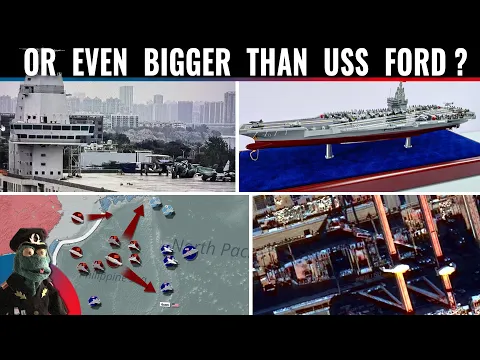
The Type 004 has not yet been officially launched, but indications from shipyards, investments in naval reactors, and technological advances suggest that the project is in an advanced design phase. Analysts estimate that construction and testing could extend throughout the current decade, with entry into service expected in the 2030s.
The timeline depends on the maturation of Chinese naval nuclear propulsion and the full integration of the planned aerial and electronic systems.
A Watershed Moment in Naval Balance
If realized as per the disclosed concept, the Type 004 will mark China’s definitive transition into the select group of nations capable of operating next-generation nuclear super aircraft carriers. More than a ship, it represents a new way to exert naval power, based on persistence, network, automation, and reach.
In an increasingly contested global scenario, the Type 004 emerges as a clear symbol that dominance of the oceans will be determined not just by fleet size, but by the ability to integrate technology, energy, and aviation into a single colossal platform floating at sea.








Me gusta este artículo sobre temas de barcos de guerra de los chinos!!!!
Excelente la información por un lado ! Pero! X otro sería perjudicial . Lo dejo ahí. Ok.
Cuantos entendidos en este sitio, les pregunto “expertos” recuerdan que hacia China hace 30 años atras??
Saludos