





 Portuguese
  English
  Spanish
  5 min of reading
  0 comments


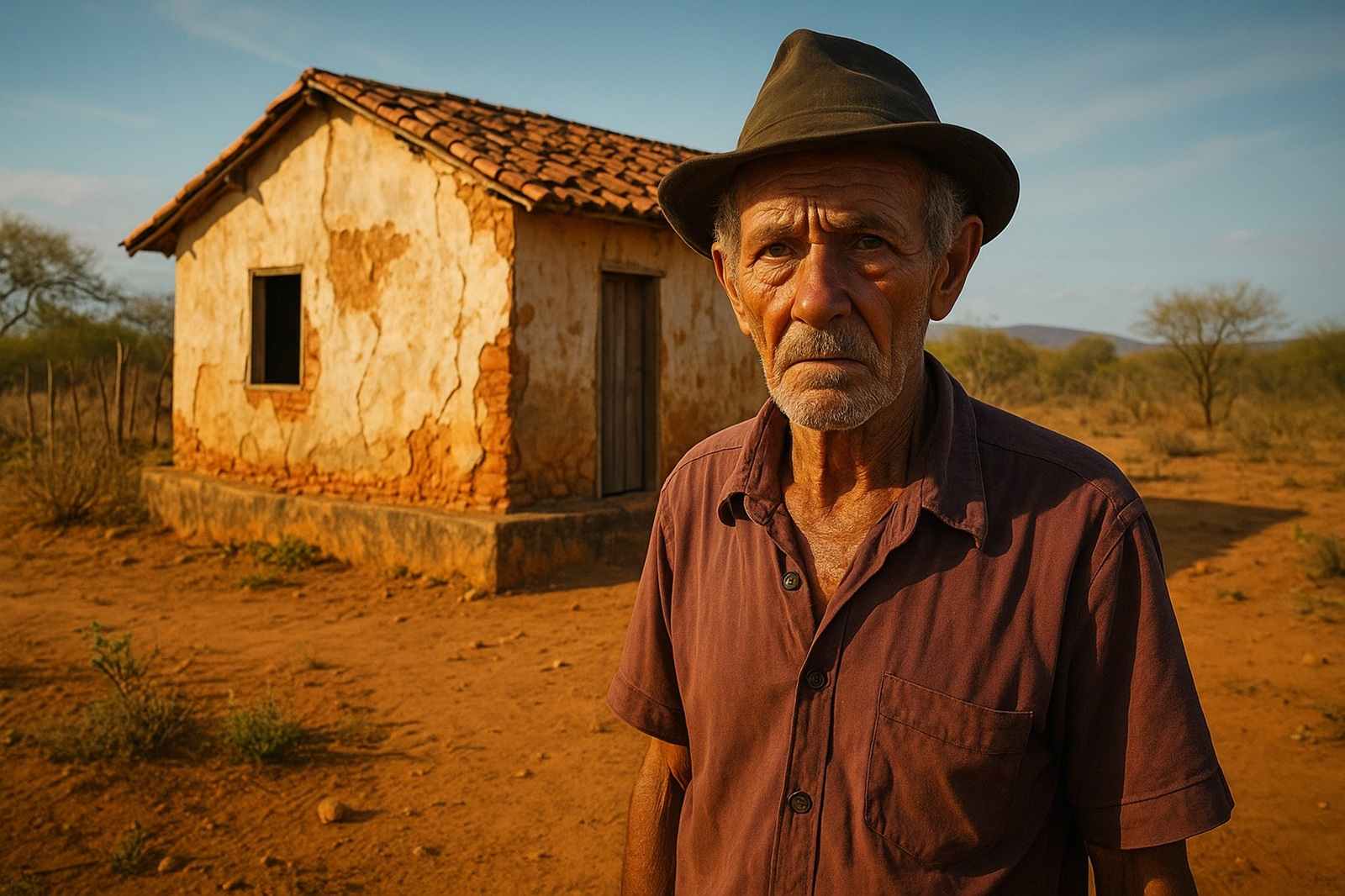
In an Old And Isolated House, He Lives Alone Without Electricity, Improvise to Preserve Food, Travels Long Distances to Buy Groceries, and Faces Dark Nights Only With a Lantern, Showing the Hard Routine of the Deep Sertão
The account presented by the resident of the countryside shows the routine of someone living in an isolated spot in the sertão who, according to his own words, lives alone without electricity, facing limitations that affect everything from food storage to basic communication.
The conversation reveals how he manages his daily life in a house without electrical structure, far from neighbors and the city, maintaining simple habits to remain in the location.
The video was recorded by influencer Felipe Sena, known for his explorations in the interior of Ceará.
-
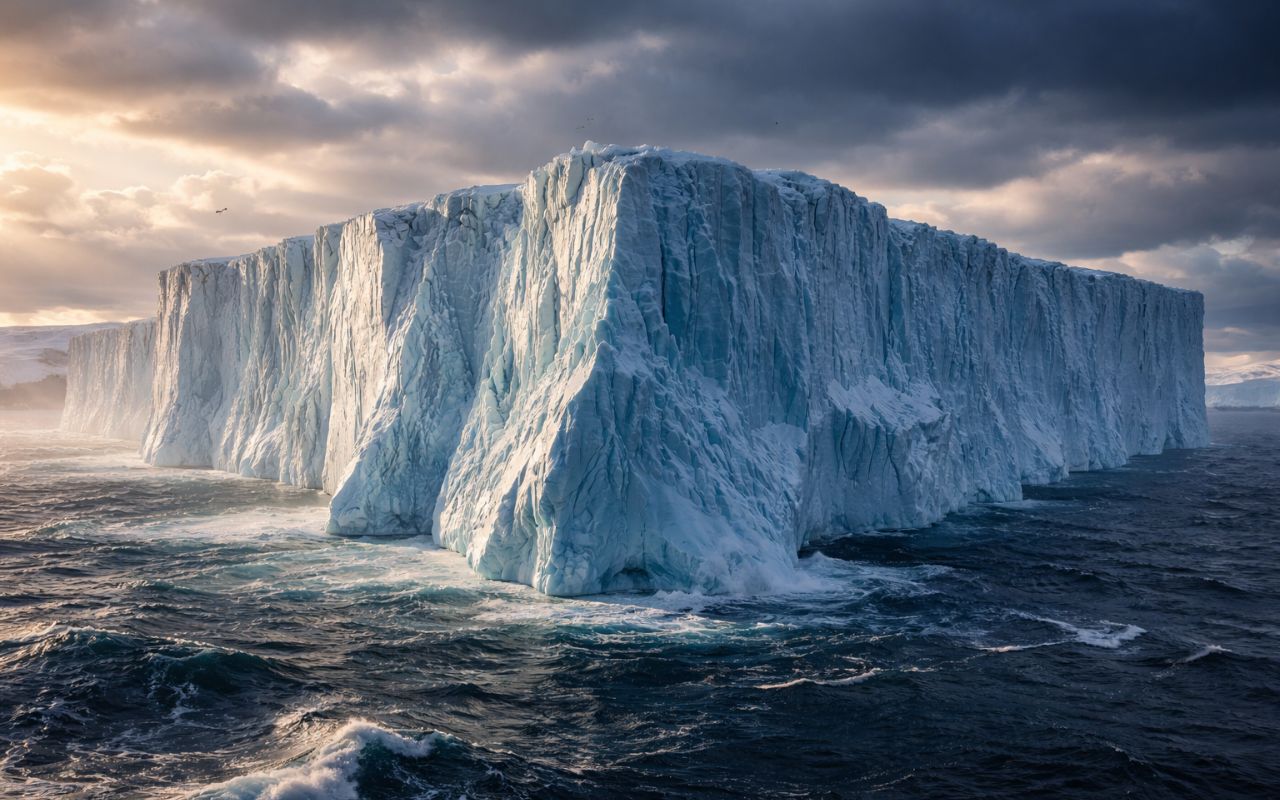
Iceberg A23a, one of the largest in the world, is undergoing accelerated collapse and may disappear: what explains the end of the ice giant?
-
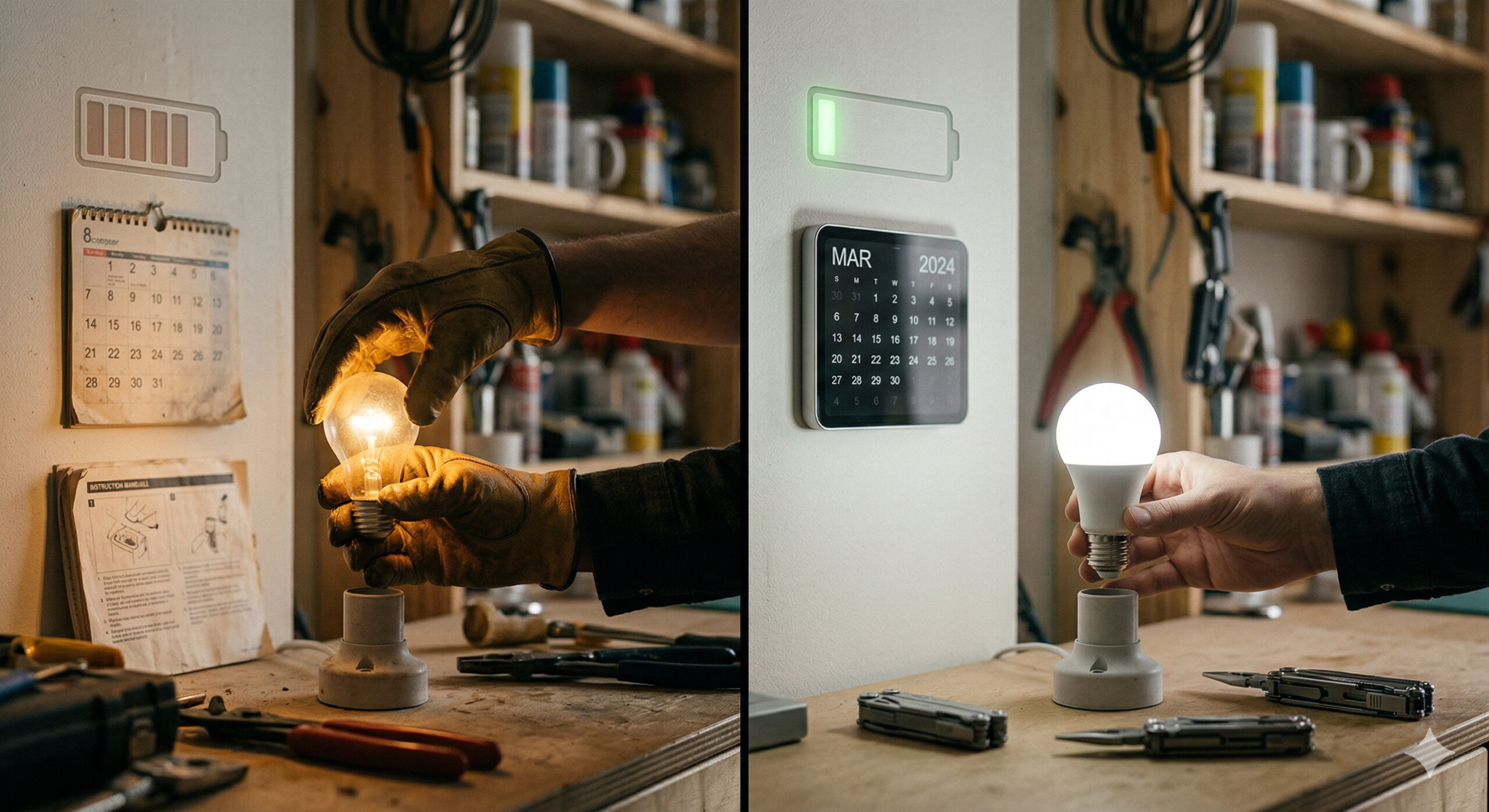
The simplest swap at home can reduce energy consumption by up to 90% without changing habits, using a technology that lasts up to 25 times longer and consumes only a fraction of the electricity.
-
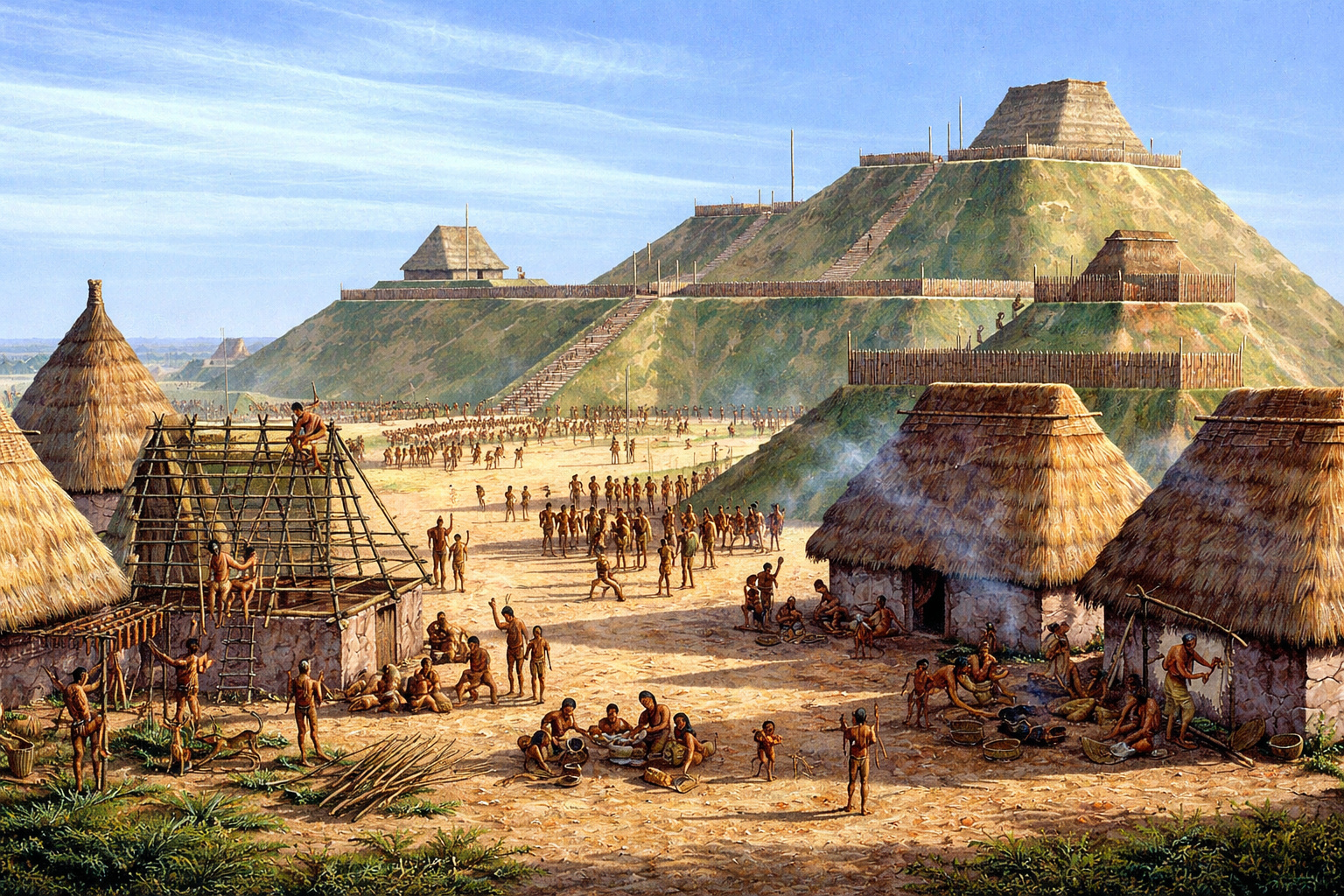
With over 14 million baskets of earth moved, an ancient North American metropolis built a monumental pyramid of 30 meters and established a city with 20,000 inhabitants nearly a thousand years ago.
-
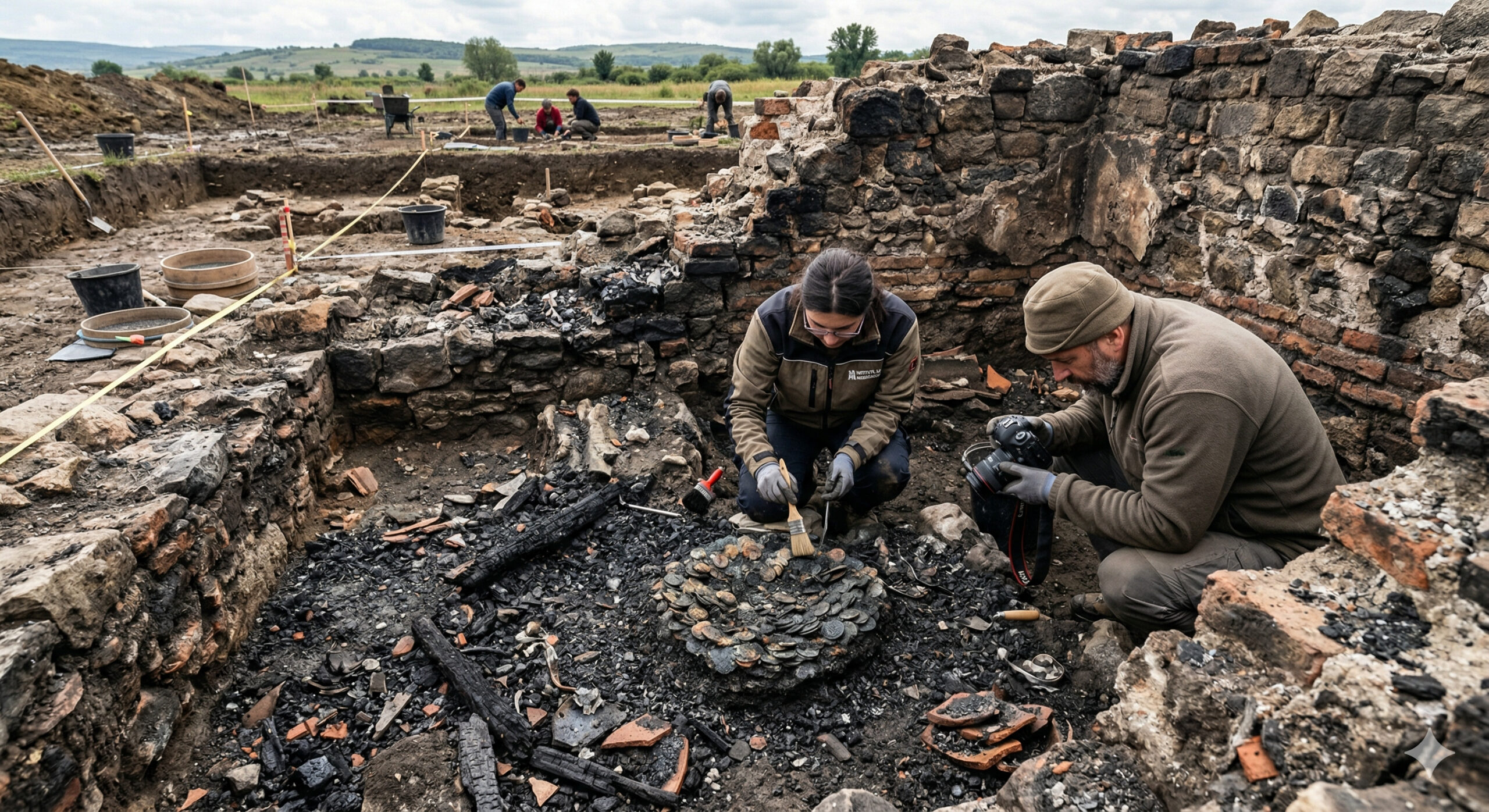
A 1,900-year-old treasure emerges from a Roman house destroyed by fire and sealed since antiquity in Romania, with coins and metals fused among the ashes.

Daily Challenges of Those Who Live Alone Without Electricity
The resident explains that he uses a lantern when it gets dark and continues to rely on this resource because he has no other alternative.
For him, it is not comfortable to live without electricity, because even the radio he bought burned out, leaving him without one of the few means of distraction and information. He reports that the equipment was already malfunctioning and ended up completely breaking down.
The difficulties also affect the way he stores food, as without electricity there is no way to preserve food for longer.
The water access is made through wells, which he considers good, in addition to the nearby reservoir where he bathes. Regarding food, he says that he only cooks enough for the day, precisely to avoid waste. Sausage, bologna, and cheese become practical alternatives because they can last longer when stored the way he learned.
The cheese, for example, he said he would put inside a box to keep it firmer, a method he uses because of the lack of refrigeration.
The Isolated Routine and the Long Distance for Help
At a certain point in the interview, he talks about the old house nearby, where stories occurred that, according to local residents, motivated rumors of haunting.
He claims to have never seen anything and says that what he heard was that the owner of the house took her own life when her husband was away. The current neighbors are about 2.5 km away, and if he needs help, he has to travel there.
The nearest town is approximately 11 km away. He says that when he needed to, he would bike there, but his motorcycle was stolen and he did not file a report because he lost the vehicle’s documents.
The distance to the nearest village is about 3 km, which further increases the dependence on transportation in case of need. This part of the testimony clearly shows how someone who lives alone without electricity deals with isolation in their daily life.
Work, Income, and Survival in an Increasingly Empty Sertão
He comments that in the past, many people worked in fields, but today there is hardly any daily work left. According to him, part of this happens because many live on benefits like family allowance, retirement, or pension. For those who have none of these sources, he explains that the only option would be to work as a mason, as field work has practically disappeared.
The values cited show a difficult scenario. In the morning until noon, work earns about 40 reais. For masons, payment reaches 120 reais. However, rural work, he points out, has decreased significantly. Previously, the fields had 20 liters or 10 liters, but today hardly any is done. He states that raising cattle has become complicated and that even keeping calves has been difficult.
The Resident’s Thoughts on Those Who Choose to Live Alone Without Electricity
In the middle of the interview, he is asked about the possibility of someone from outside choosing to live in the sertão. The answer is straightforward: if the person is not a mason or laborer, they will have to come up with some way to earn income, like selling bread, selling milk, or creating some alternative of their own. He insists that daily work no longer exists and that living solely off the land would only be possible in areas with specific characteristics, where one could make charcoal or sell wood.
According to the resident, those who have some government benefit can live more comfortably. He himself claims to be certified, uses special medication, and receives monthly assistance. Therefore, he can stay where he is. This moment reinforces once again the scenario of those who live alone without electricity, depending on few conditions to maintain their lifestyle in the countryside.
Life in the Abandoned House and the Past of the Place
The resident reports that the house he lives in had been abandoned for about 15 years. Before that, he remembers that at least three families lived there, including parents, children, and people who took care of the cattle from the old farm.
He says that the residence had a wood stove and that he had to fix some damage caused by those who had invaded the place. He emphasizes that the property is spacious, with open land and good soil, and highlights the reservoir as an important point for water and bathing.
He also mentions that, even though he lives alone, he does not feel afraid of hauntings or wild animals.
His concern would only be with ill-intentioned people. Regarding the possibility of trading the sertão for the city, he responds that he would only leave if he could not have electricity in the house. If he could get lights installed, he says he would prefer to stay there, because of the abundant water and the tranquility of the place.
Distances, Access, and the Limitations of Those Who Live Alone Without Electricity
During the conversation, he reinforces the distances to neighbors, towns, and the city itself. For shopping, he uses his bike and travels the 11 km to the store.
For emergencies, he explains that he would need to look for a motorcyclist in distant houses, as an ambulance does not reach there.
He also recalls that the land has good areas for planting and that, in the past, it operated as a small farm with a corral and the raising of animals.
Attachment to the Place and the Conclusion of the Routine of Those Who Live Alone Without Electricity
At the end, the resident confirms that he lives in the interior called Santo Amaro. He says that the place is peaceful and emphasizes once again that he would not leave that piece of land if there were a possibility of having electricity installed.
Even without close neighbors and with so many challenges, he shows attachment to the place where he lives alone without electricity, stating that there he finds the necessary calm to maintain his simple routine, sustained by old habits and the few conditions that the sertão still offers to those who decide to stay.





-

-

-

14 pessoas reagiram a isso.