





 Portuguese
  English
  Spanish
  4 min of reading
  0 comments



Billion-Dollar Investment in Sanitation Advances in Curitiba with Expansion of Strategic Station, Capacity Increase, Use of Biogas and Continuous Automation, Benefiting Over One Million People and Strengthening Environmental and Energy Goals of Paraná.
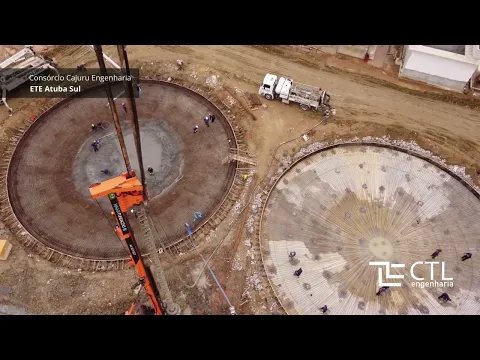
The expansion of the Atuba Sul Wastewater Treatment Station (ETE), in the Curitiba region, has entered its final phase with an investment reported to exceed R$ 300 million and the promise to increase the treatment capacity by approximately 40%, directly impacting over 1 million residents of the capital and the Metropolitan Region.
The project includes modernization of the process, use of biogas, and automation to keep the operation running continuously.
Located in a strategic area to receive sewage from the eastern part of Curitiba and nearby municipalities, the Atuba Sul ETE continues to operate while new modules are incorporated into the system.
-
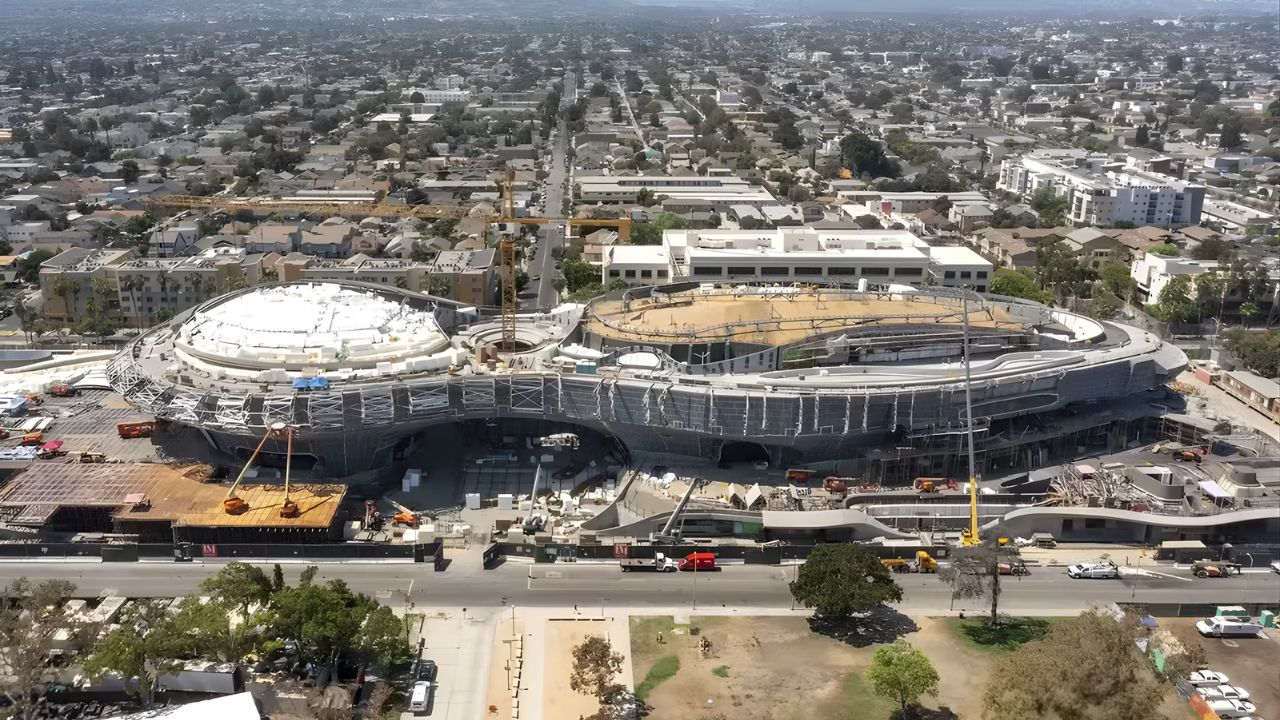
Created by George Lucas with over $1 billion, a futuristic museum in the shape of a spaceship with 1,500 curved panels is about to open in Los Angeles and will house one of the largest private collections of narrative art in the world.
-
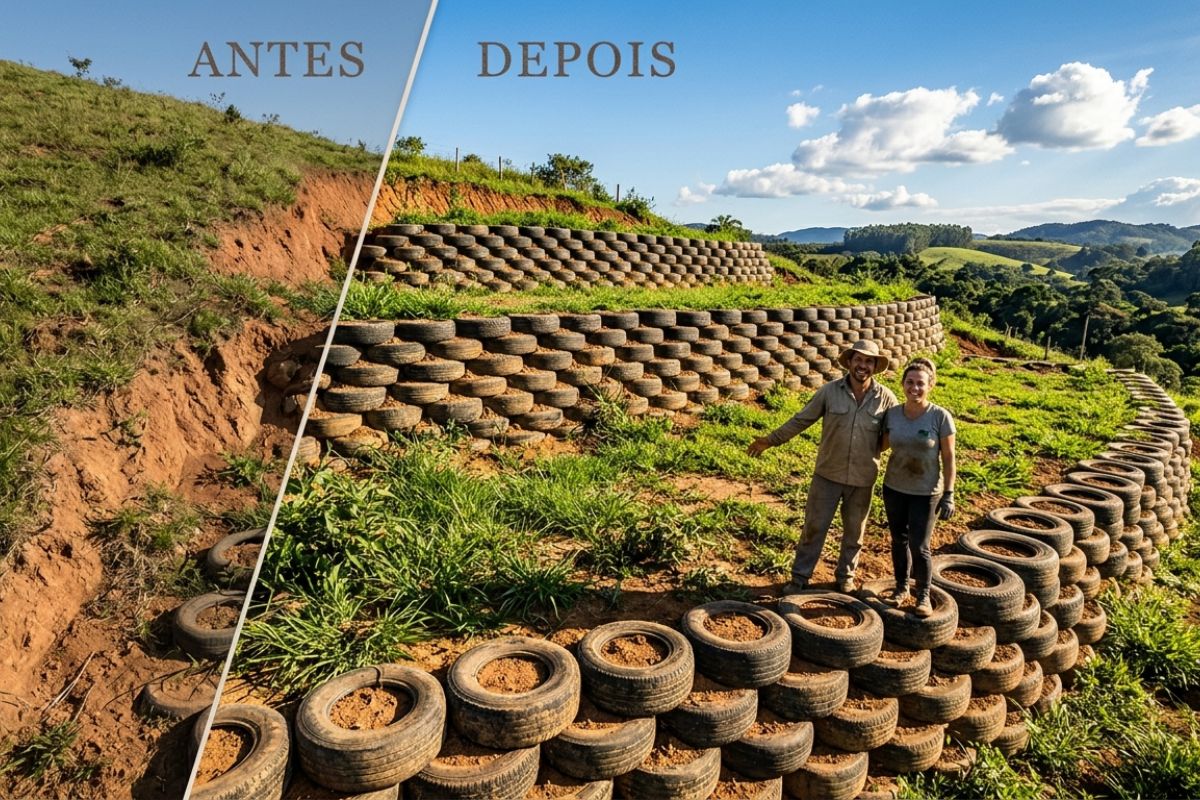
Couple shows how they built a retaining wall on their property using 400 old tires: sloped land turned into plateaus, tires are aligned, filled, and compacted with layers of soil, with grass helping in support and at almost zero cost.
-
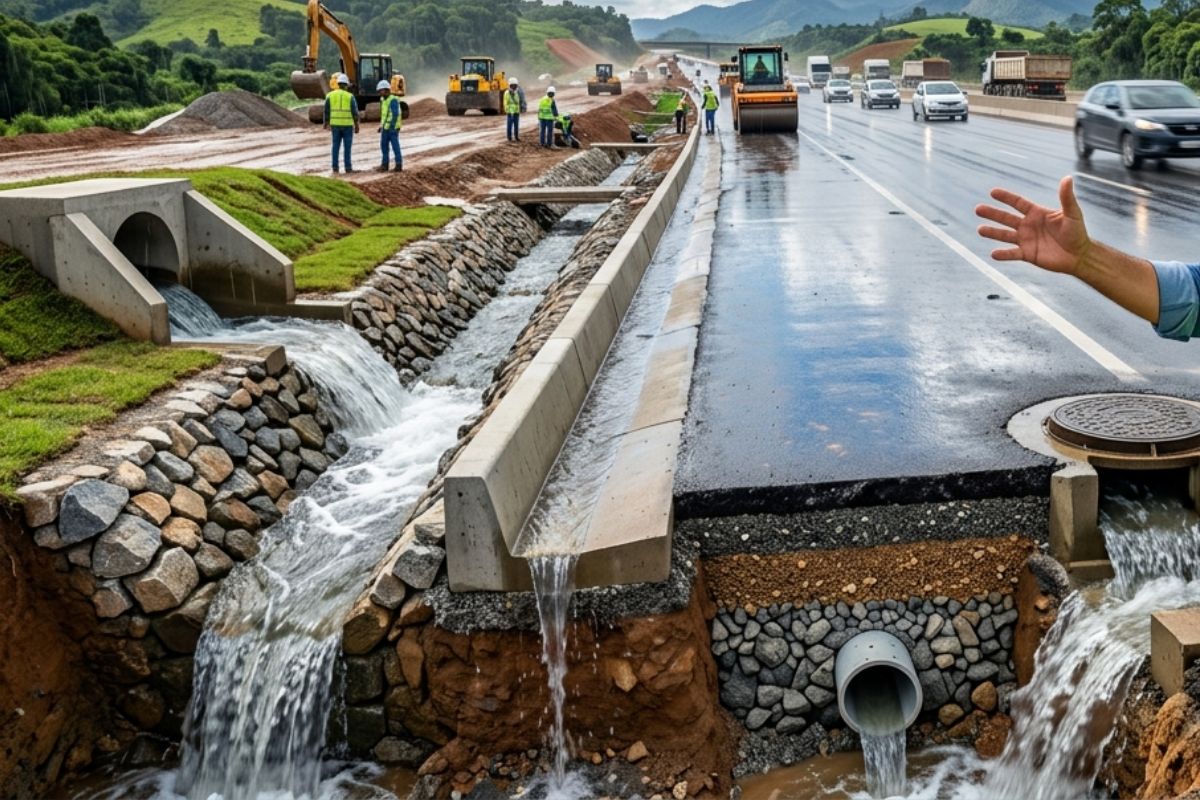
Engineer explains drainage during the rainy season: the difference between surface water and deep water, ditches, gutters, and water outlets on the road, as well as drains and drainage mattresses, to prevent erosion, aquaplaning, and flooding at the construction site today.
-
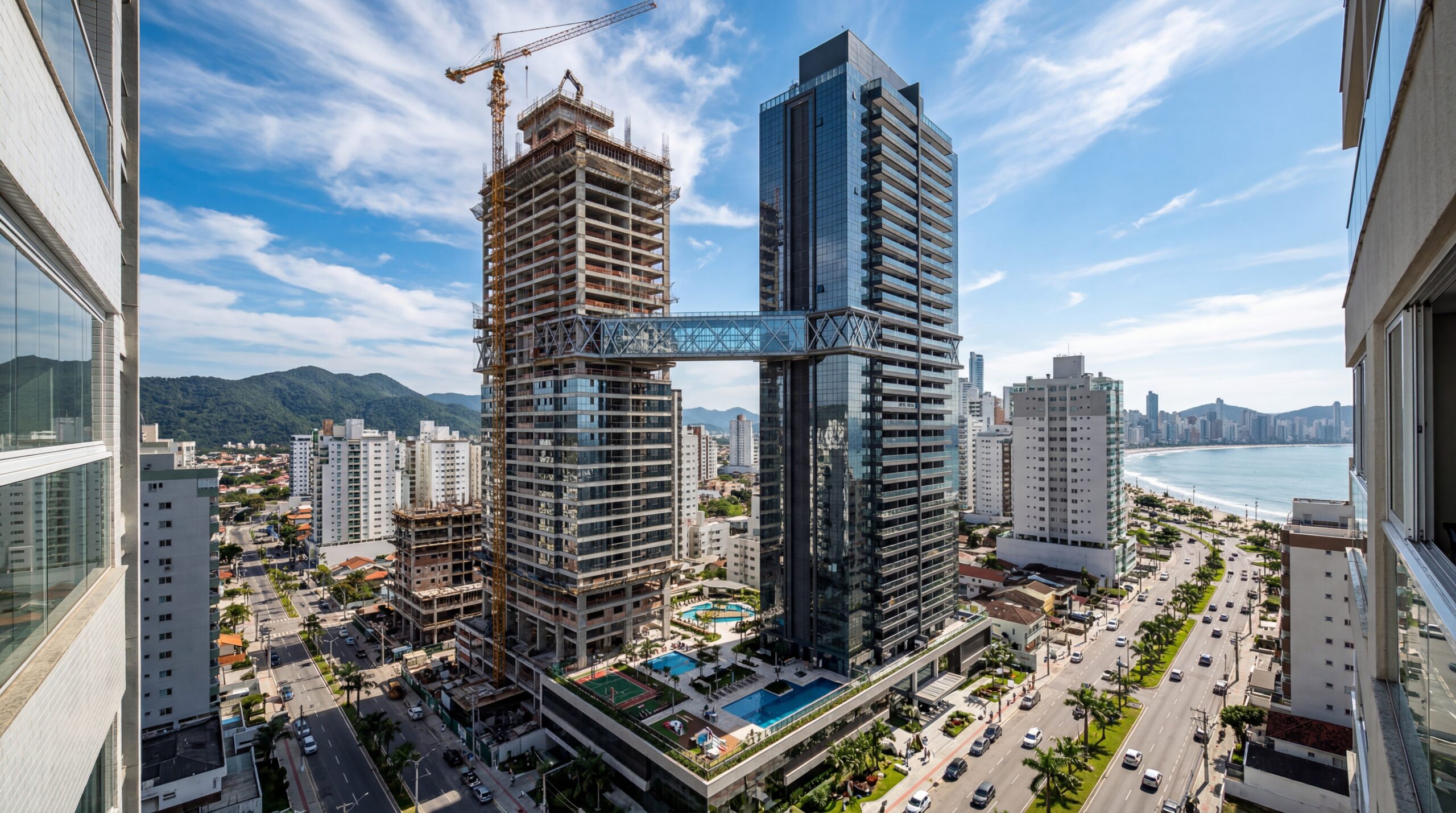
With 55 floors, 177 meters in height, a 15-meter walkway between the twin towers, ventilated facade, and 6,300 m² of leisure space, Ápice Towers already has one tower completed and another nearly at the top.

According to information released by the Government of Paraná, the station currently treats about 1,500 liters per second and, by the end of the expansion, will be able to reach 2,100 liters per second.
Atuba Sul Station and Urban Growth of Greater Curitiba

The Atuba Sul ETE serves a population corridor that has grown with the urban expansion of Curitiba and Greater Curitiba in recent decades.
With more properties connected to the network and a larger volume sent to the integrated sewage system, the need to reinforce treatment capacity has become part of the investment agenda of the Companhia de Saneamento do Paraná within the state program aimed at improving treated sewage.
In the most recent institutional communication, the State describes the expansion as one of the main ongoing interventions in the area of sanitation, both for its financial magnitude and for the expected impact on the quality of the effluent returned to the Atuba River.
In addition to increasing flow, the announced goal is to adapt the station to more stringent environmental standards and reduce the remaining organic load after treatment.
Treatment Capacity and Projected Flow

Although the current operation is presented as around 1,500 liters per second, documents and public communications from the Sanepar bidding system itself indicate that the expansion package was structured to elevate the plant to 1,960 liters per second, with reference to 170,000 m³ per day, and improve overall performance to the range of 2,100 liters per second.
In another institutional communication, the investment is associated with the leap from 1,680 to 2,100 liters per second, a figure considered the average flow of the system after completion.
The variation between the numbers reflects how each public piece describes the installed capacity, the average flow, and the projected maximum level, without the collection of publications detailing, in the same text, the methodology of each indicator.
Quality of Treated Water and Reduction of DBO
One of the highlighted points by the Government of Paraná is the goal of improving the performance of the final effluent, that is, the treated water that returns to the environment.
In the institutional material, the central reference is the BOD (Biochemical Oxygen Demand), an indicator used to measure the remaining organic load.

The director of Environment and Social Action at Sanepar, Julio Gonchorosky, stated in a State release that treated water currently exits with 70 milligrams of BOD and that the goal is to reach 25 milligrams.
“This means having even purer and cleaner water, which is returned to the Atuba River with better quality than that of the river itself,” he said.
The same communication also attributes to Sanepar’s Investment Director, Leura Lucia Conte de Oliveira, the assessment that important stages have already been completed and units have begun to come online.
“Several units are already in operation, improving the performance of the final effluent that we discharge into the river,” she stated while commenting on the project’s progress.
Biogas, Clean Energy and Reuse of Waste
In addition to sewage treatment itself, the Atuba Sul ETE has become a reference for initiatives aimed at energy recovery of what was previously just waste.
The Sanepar bidding system describes, in the scope of the project, the implementation of a biogas recovery and utilization structure, reinforcing the cogeneration component associated with anaerobic treatment.

At the same time, the company also highlights the operation of a thermal drying plant for sludge at the Atuba Sul ETE, nationally awarded in the biogas sector.
According to Sanepar, the process uses renewable sources to generate heat, including biomass, the dried sludge produced within the system, and the biogas generated during sewage treatment.
The company describes that the thickened sludge goes through centrifugation and then through a rotary dryer, with drying raising the total solids content to about 80%.
In practice, the combination of biogas capture and thermal drying is presented as a way to reduce the volume destined for final disposal and decrease emissions associated with the use of conventional fuels.





-

Uma pessoa reagiu a isso.