





 Portuguese
  English
  Spanish
  3 min of reading
  14 comments


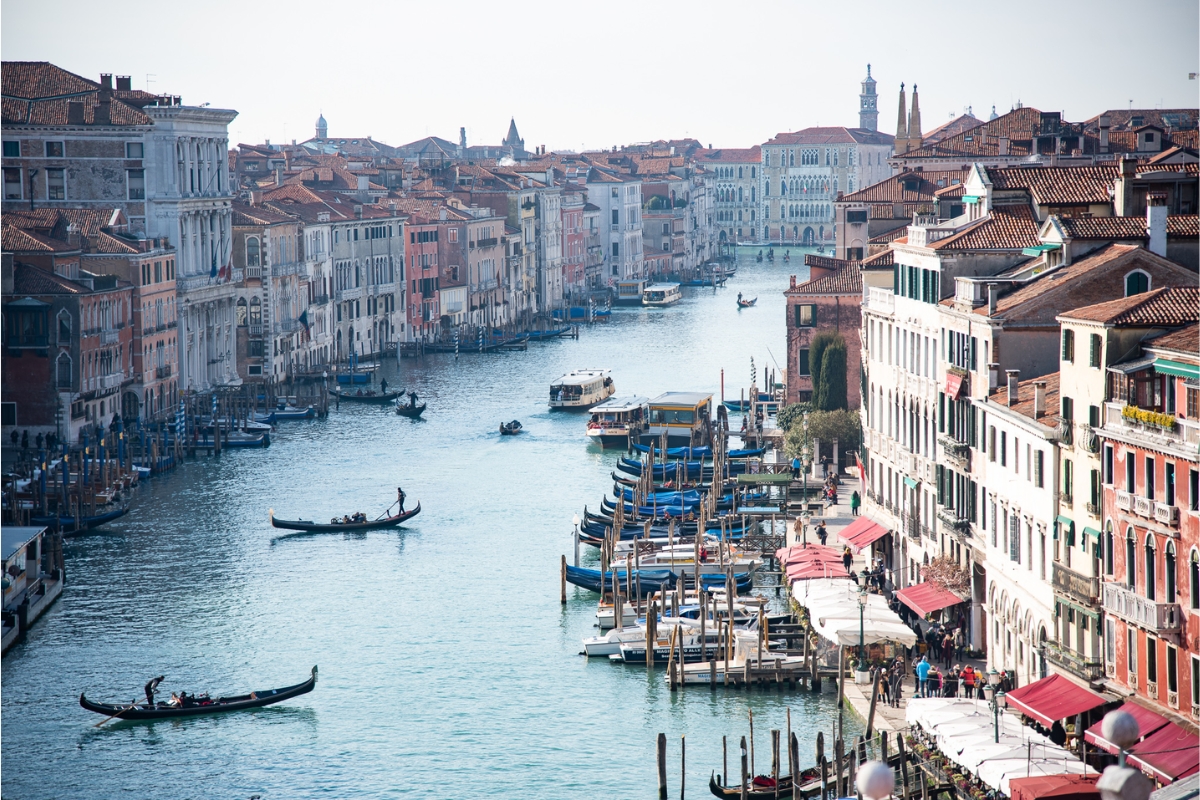


The Soil Sinks Over Time and Water Has Become Part of Urban Routine, Requiring Constant Adaptation of Streets, Buildings, and Services
The city of Venice, in Italy, faces a continuous process of soil sinking that has changed the relationship between urban space and water.
With the ground gradually sinking, the presence of water has ceased to be an exceptional event and has become part of daily life, affecting circulation, housing, and services.
Instead of trying to eliminate flooding completely, Venice has adopted a model of controlled coexistence to keep the city functional.
-
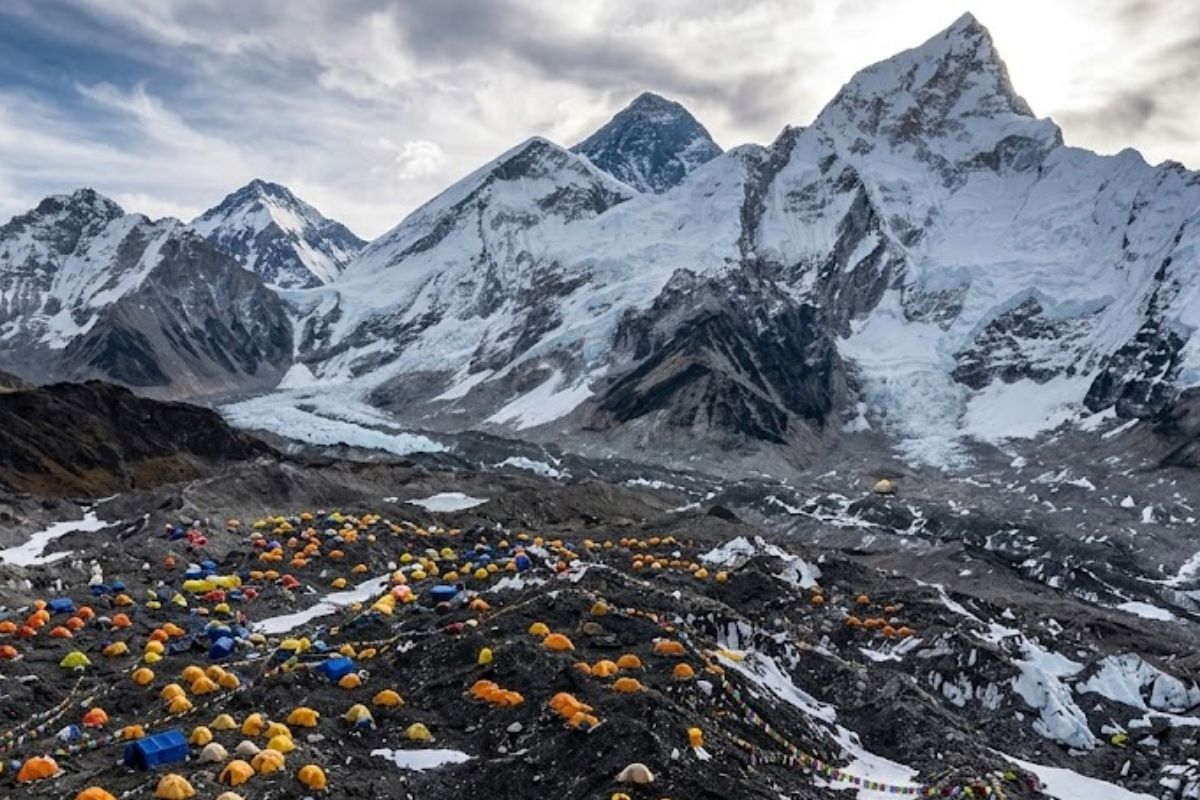
Tourists on Everest were poisoned by guides who mixed substances in food to provoke false symptoms of altitude sickness while helicopter operators and hospitals charged inflated rescue fees to insurance companies.
-
Few people know this, but Neil Armstrong, one of the most famous NASA astronauts in history, survived the Korean War after jumping from the plane during his seventh combat mission aboard the USS Essex aircraft carrier of the United States.

-
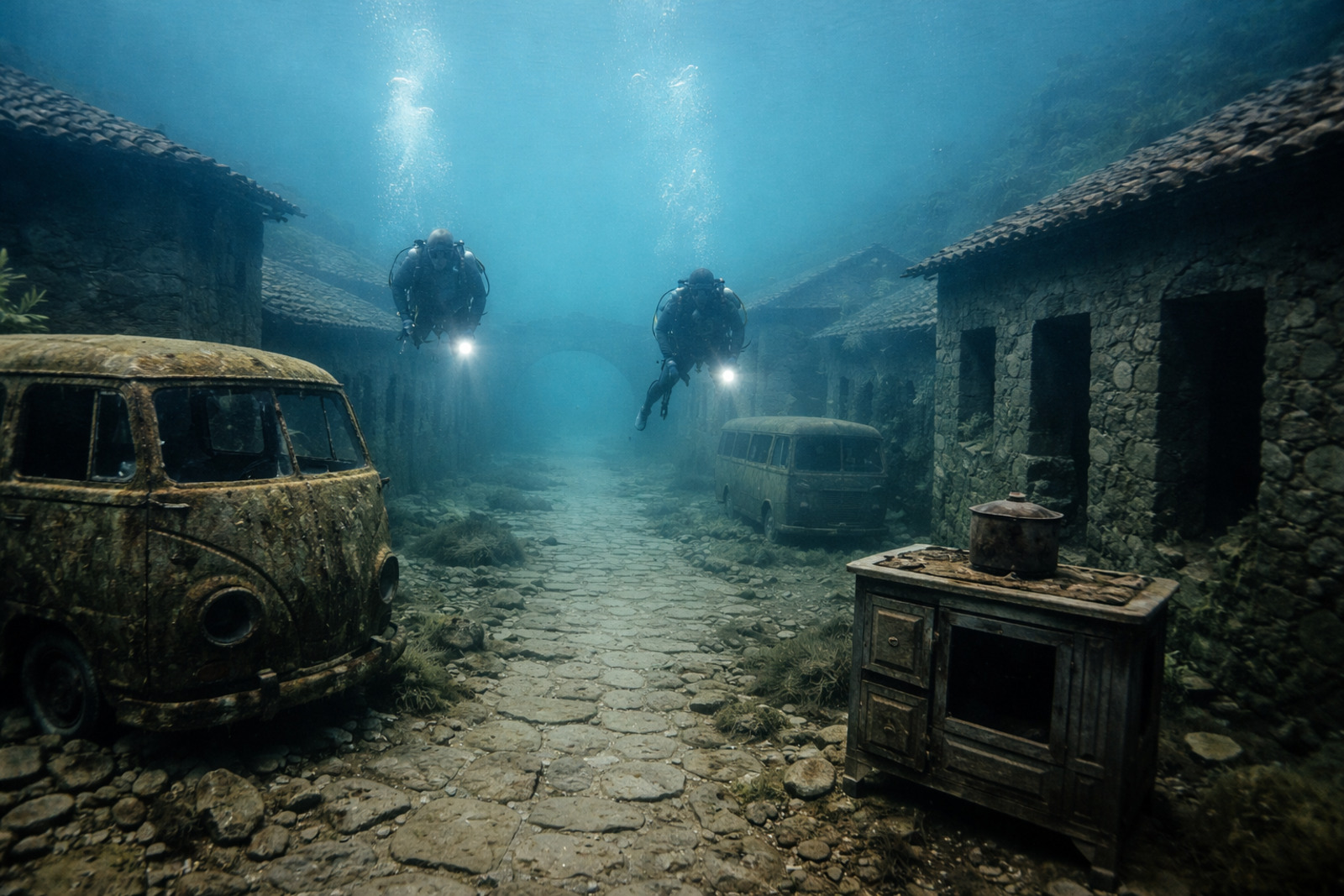
Diving with a camera in Lake Furnas reveals a submerged city with an entire street, almost intact houses, a preserved bridge, a wood stove, a Kombi, and even a bus at the bottom of the largest lake in the Southeast.
-
Iceland accidentally drilled into a magma pocket at 2,100 meters and revealed that the extreme heat beneath the crust could pave the way for a new source of continuous energy.


What Happened and Why It Got Attention
Venice was built on a base of natural sediments, supported by piles driven into deep soil layers.
This type of terrain undergoes compaction over time, especially when subjected to the constant weight of buildings and urban infrastructure.
The result is a gradual lowering of the soil level, which facilitates the entry of water into previously protected areas.

How the Soil Subsidence Process Works
Subsidence occurs when underground layers lose volume due to compaction and do not return to their original condition.
This process is considered practically irreversible on an urban scale because it involves large areas of land.
In Venice, sinking affects the entire urban grid in a distributed manner, requiring solutions that consider the city as a whole.
Why Water Has Begun to Flow More Frequently
With streets and squares at lower levels, water encounters less resistance to spread during high tides.
Canals, tides, and drainage begin to interact directly with urban space, making flooding more frequent.
The city needs to operate water control systems regularly to reduce impacts on circulation and the use of buildings.
What Changes in Practice for Residents and Visitors
Raised sidewalks, reinforced access points, and adjustments to doors and floors help maintain the use of buildings even in flooded areas.
Electrical networks and urban equipment are positioned at higher levels to reduce damage caused by water.
Adaptation allows Venice to remain active, even when water invades parts of the urban space.

How Urban Planning Adapted to the New Scenario
Planning has come to consider water as a permanent element, not as a sporadic problem.
Instead of completely preventing water entry, the strategy involves continuous management, frequent maintenance, and structural adjustments.
This approach reduces interruptions and preserves the functionality of the city in an unstable environment.
What Can Happen From Now On
The trend is to expand adaptation solutions and strengthen the city’s more sensitive areas.
The maintenance cost remains high, but it helps avoid greater damage and prolonged shutdowns.
In Venice, living with water has ceased to be a choice and has become a structural necessity.
The slowly sinking city shows how physical limits of the soil influence urban decisions.
By adapting streets, buildings, and services to function with frequent flooding, Venice transforms the presence of water into part of the planning and protects the urban routine from constant collapses.






Está com os dias contados
Tive a sorte de visitar uma Veneza sem alagamentos. Os tempos de Abu Simbel no Egito foram salvos de serem submergidos pela construção da represa, em um esforço internacional, na década de 60. Acho que a Europa deveria se reunir de novo para salvar a Catedral de São Marcos, um tesouro artístico inestimável!
Não moraria em um lugar assim,me desculpem os que gostam e outros que amam Veneza,mais esse lugar corre risco a todo momento de não mais existir,de derrepente dormirem e não maís acordarem,pois pode derrepente afundar! Boa sorte para os moradores.
Hahahahahahaha ô fia … A cidade não afundar de repente não. Vc entendeu a oquê tá escrito na matéria?