





 Portuguese
  English
  Spanish
  4 min of reading
  0 comments


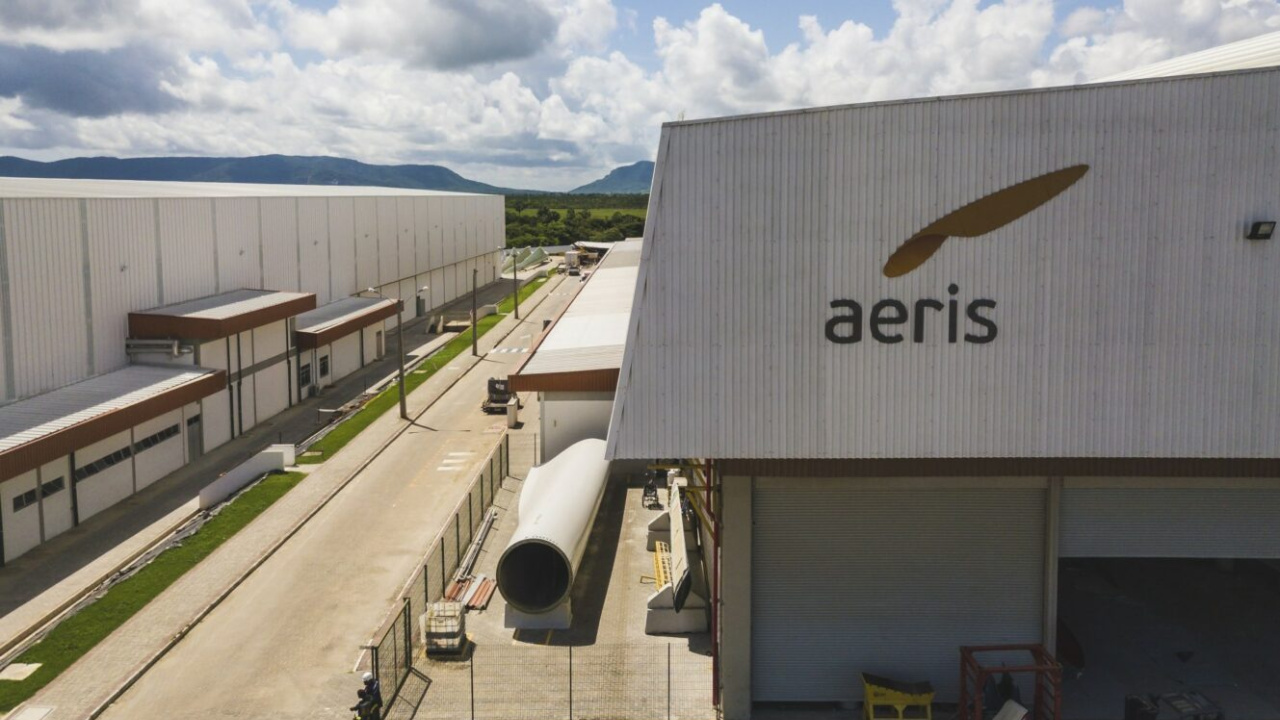
Aeris Energy Registered a Loss of R$ 144.4 Million in the Third Quarter of 2025, Amid the Wind Energy Crisis. Revenue Drop, Unemployment in Ceará and Infrastructure Bottlenecks Increase the Sector’s Challenges.
The Scenario of Wind Energy in Brazil is Experiencing One of Its Most Delicate Moments in the Last Decade. The Manufacturer of Wind Blades Aeris Energy (AERI3) Reported, This Wednesday (5), a Net Loss of R$ 144.4 Million in the Third Quarter of 2025. This Figure Represents a 169% Increase Compared to the Same Period in 2024, When the Losses Were R$ 53.68 Million.
The Negative Result Occurs Amid a Widespread Slowdown in the Renewable Energy Sector and a Significant Reduction in Demand for Wind Equipment. Even So, the Company Claims to Maintain Focus on a Restructuring Process and Search for Operational Efficiency.
Revenue Drop and Retraction in Aeris’ Revenue
The Crisis Has Directly Affected Aeris’ Financial Performance. The Company’s Net Revenue in the Third Quarter Was R$ 179.07 Million, Representing a 26.1% Drop Compared to the Previous Quarter and a 51.3% Decline Compared to the Same Period in 2024.
-
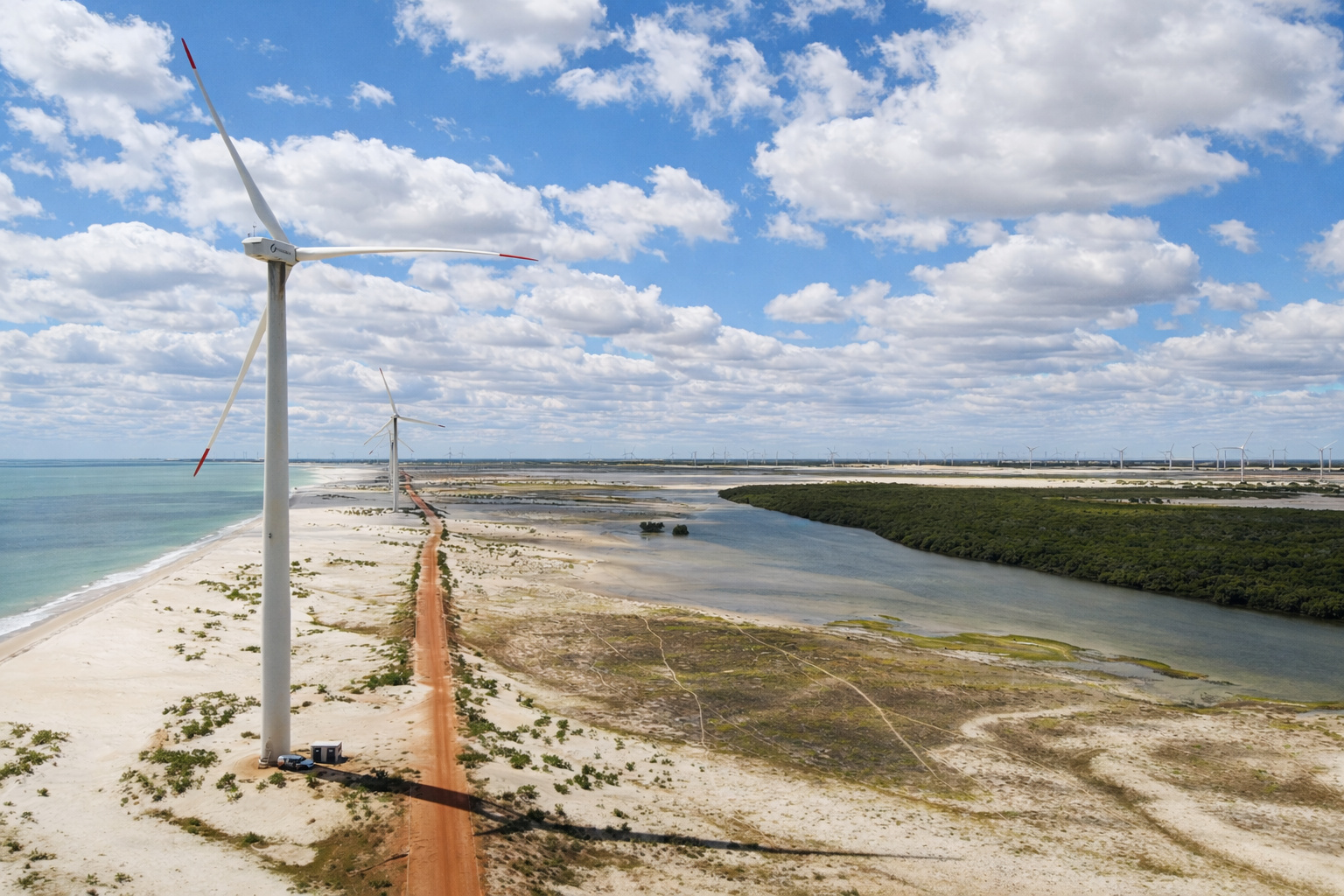
Conflict in the Sertão: Rural communities in Rio Grande do Norte report issues with wind farms and the new challenges of clean energy in the semi-arid region.
-
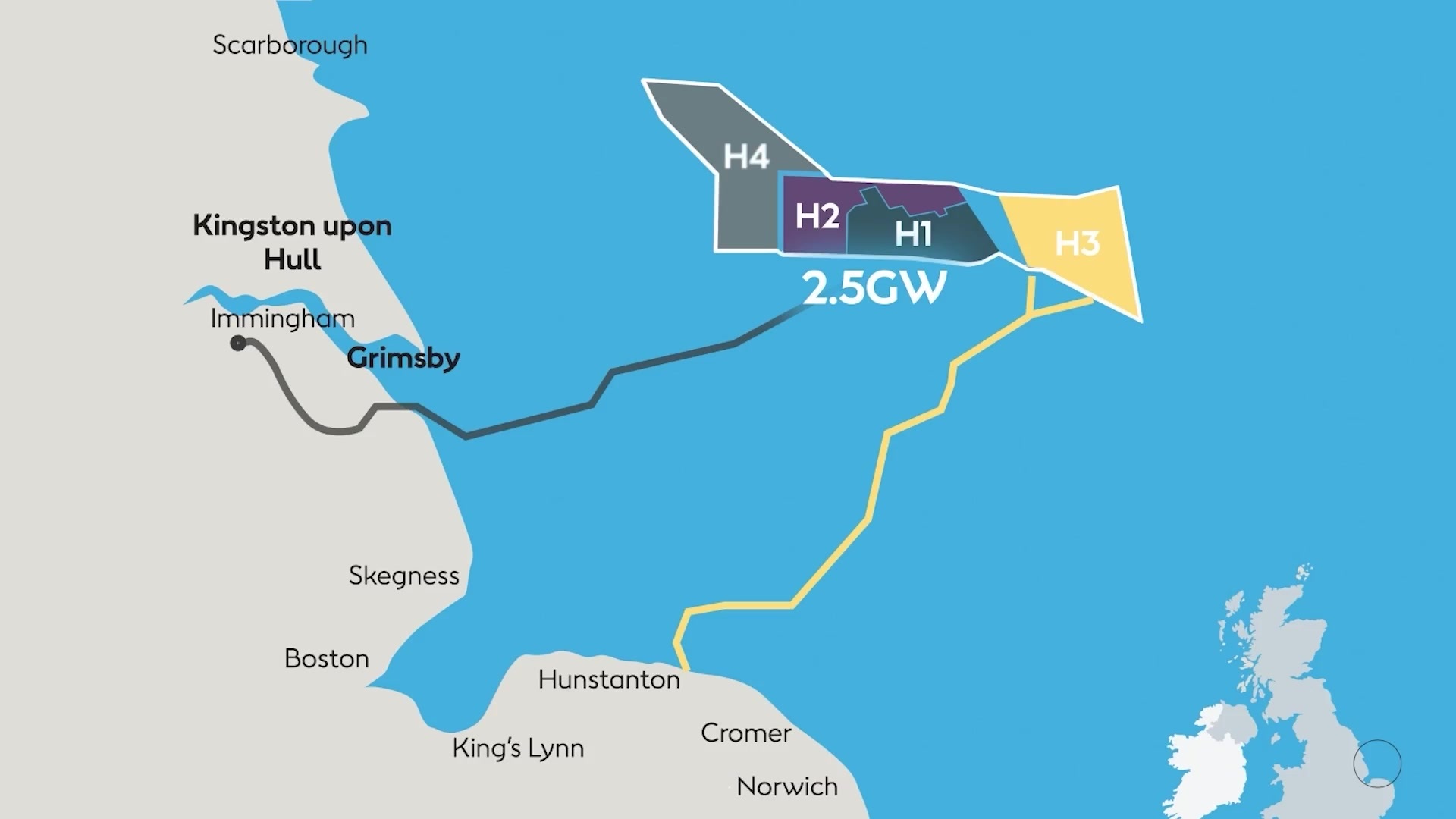
231 turbines of 260 meters at 160 km from the coast, monopiles weighing as much as nine blue whales embedded in the North Sea, and a crane ship taller than the Eiffel Tower: Hornsea 3 will be the largest offshore wind farm on the planet by 2027, and its first components have already arrived in England.
-
International Certification Puts Senai Norte on the Renewable Energy Map and Expands Access to Essential Training for Qualified Wind Power Professionals

-
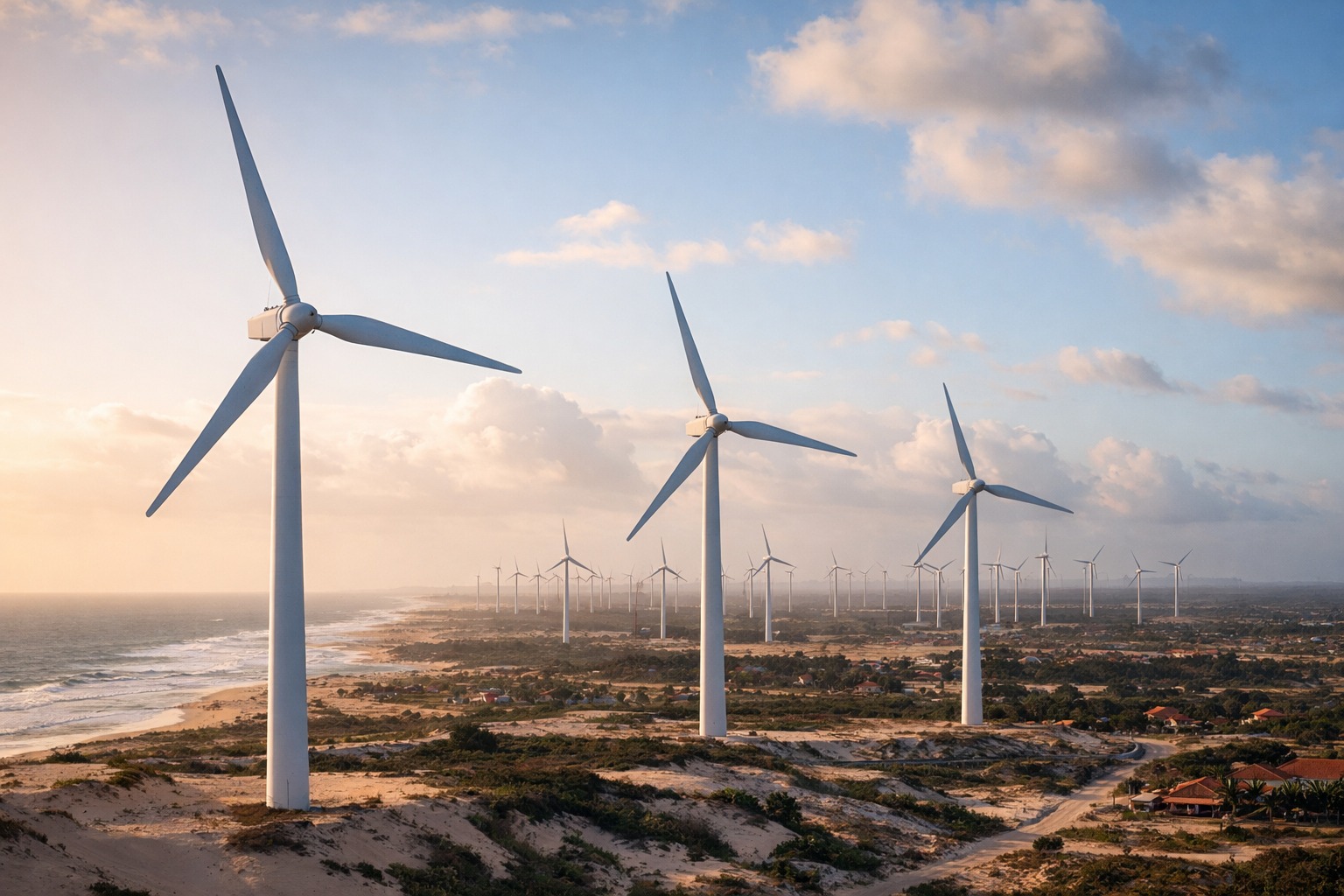
The Winds of the Northeast Are in Foreign Hands: Nearly 70% of the Region’s Wind Farms Are Owned by International Companies, with France, China, and Italy Leading Investments in Wind Energy in Brazil
The Ebitda, an Indicator Measuring Earnings Before Interest, Taxes, Depreciation, and Amortization, Also Showed Significant Retraction: It Was Negative at R$ 48.44 Million, Whereas in the Previous Quarter the Index Had Been R$ 18 Million Negative. A Year Earlier, the Ebitda Was Positive at R$ 27.39 Million — Indicating the Rapid Deterioration of Results.
Despite This, Aeris’ Net Loss in the Quarter Was 17% Lower than in the Second Quarter of 2025, When Losses Totaled R$ 174.02 Million, a Small Relief Amid a Trajectory of Negative Results.
Company Invests in Restructuring and Revenue Diversification
Despite the Difficulties, Aeris Highlighted Relevant Advances in Its Financial Restructuring Plan. The Company Managed to Reduce General and Administrative Expenses by 50.6% Compared to the Previous Quarter, Totaling R$ 33.9 Million.
Another Positive Point Was the Debt Restructuring, Which Reached 90% of Total Liabilities, Completed in May. This Renegotiation Is Considered Essential to Give Breath to the Company and Ensure Liquidity in the Short Term.
Aeris Has Also Been Betting on Revenue Diversification. The Aeris Services Division, Dedicated to the Maintenance and Operation of Wind Blades, Grew 21.6% in the Quarter and Now Represents 29.3% of Consolidated Revenue. Additionally, Exports Reached 51.6% of Total Revenue, with Expansion in Sales to North America and Europe, Reinforcing the Company’s Internationalization Movement.
Wind Sector Suffers from Cuts in Generation and Increase in Unemployment
The Crisis of Wind Energy Affects Not Only Companies but Also Thousands of Workers. According to the President of the Ceará Metallurgical Union, Francisco Silveira, Up to 6,000 Layoffs Occurred Between 2024 and 2025 Only in the State.
The Cuts Affect Everyone from Factory Floor Workers to Administrative Positions. “The Reduction of Operations in Wind Industries Has Affected the Entire Production Chain,” Silveira Stated.
Renewable Energy Consultant Adão Linhares Estimates That the Wind Energy Sector in the State Suffered Losses of Up to R$ 20 Million This Year. Nationally, a Survey by the Brazilian Wind Energy Association (ABEEólica) Indicates a Loss of 10,000 Direct Jobs Between 2024 and 2025, with a Forecast for Deterioration in 2026.
Infrastructure Bottlenecks Aggravate the Wind and Solar Crisis
Experts State That the Central Problem of the Crisis Is What Is Known as “Curtailment”, a Term Used to Describe Cuts in Energy Generation Due to the Lack of Transmission Infrastructure.
In Ceará, Where 72% of Energy Generation Comes from Renewable Sources, the Transmission System Is Insufficient to Handle All the Production from Wind and Sun. This Forces the National Electric System Operator (ONS) to Reduce Supply, Compromising Companies’ Earnings and Slowing the Pace of New Investments.
In Addition to Wind Energy, the Solar Sector Also Feels the Effects of Retraction. The Vice President of the Brazilian Association of Photovoltaic Solar Energy (Absolar), Nelson Falcão, Stated That There Has Been a Significant Reduction in Solar Business in the Northeast, Resulting in Layoffs and Suspension of Hiring.
Ceará Is the Epicenter of the Wind Energy Crisis in Brazil
The State of Ceará, Once a National Reference in Wind and Solar Generation, Now Faces the Challenge of Balancing the Expansion of Renewables with the Structural Limitation of the Electric System. The Combination of Strong Winds, High Solar Irradiation, and Poor Infrastructure Places the Region at the Center of the Debate on the Future of Clean Energy in the Country.
With Companies Accumulating Losses, the Government and Private Sector Are Seeking Solutions to Prevent a Deeper Collapse. The Recovery of Investor Confidence Will Depend on Consistent Public Policies, New Investments in Transmission, and Incentives for the Modernization of the Production Chain.







Seja o primeiro a reagir!