





 Portuguese
  English
  Spanish
  4 min of reading
  0 comments


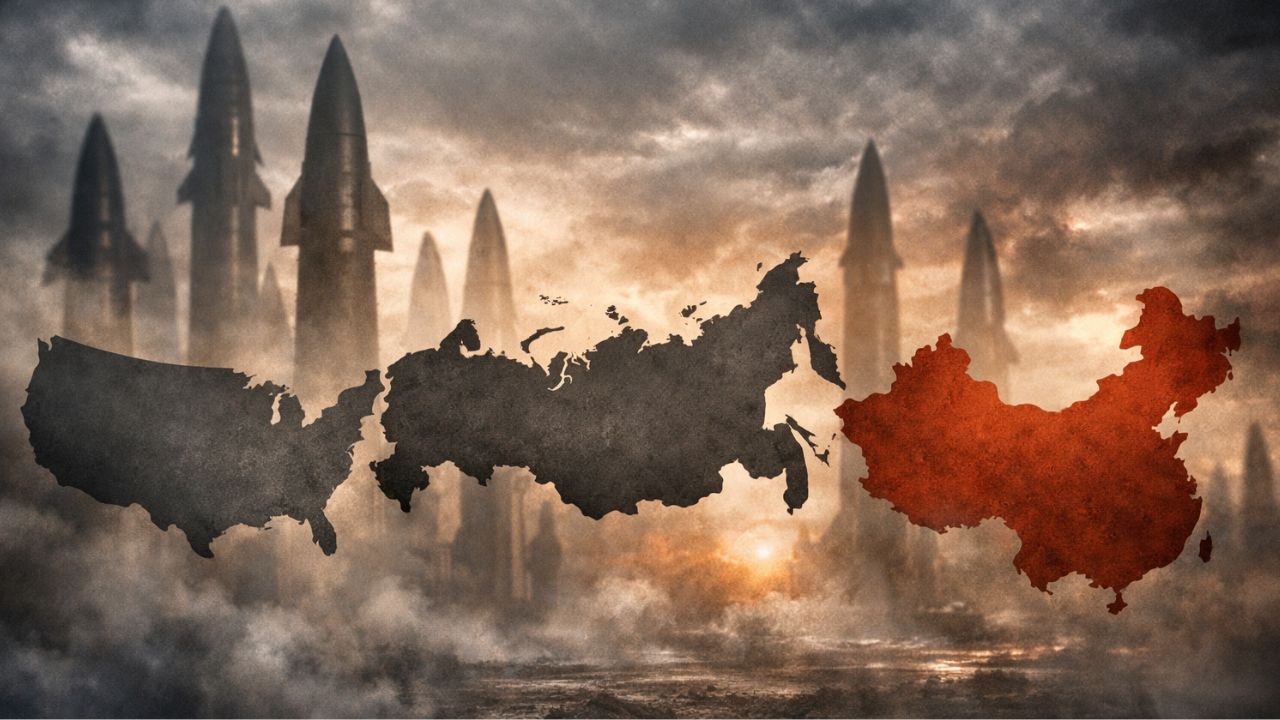
Without A Nuclear Treaty, US and Russia Extend Military Tensions and Increase Global Arms Race Fears; China Is At The Center Of The Debate
The world is entering a phase of greater geopolitical instability with the imminent end of the last nuclear treaty that limited the strategic arsenals of the United States and Russia.
The agreement, known as New START, expires this week, ending decades of cooperation in arms control and reigniting fears of a new arms race, in a context marked by military tensions, technological advancements, and disputes among great powers, including China.
Signed in 2010 in Prague, the nuclear treaty established clear limits on strategic nuclear warheads and transparency mechanisms between Washington and Moscow.
-
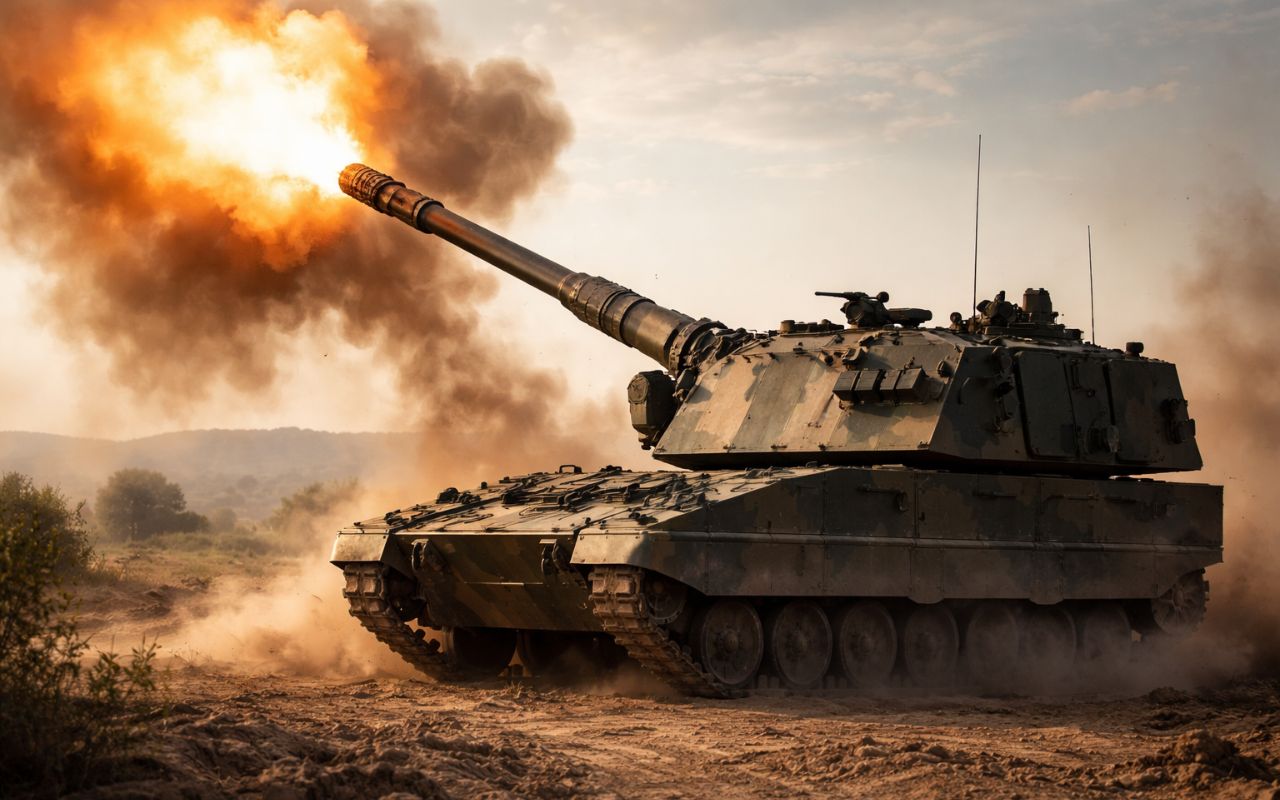
The German “steel monster” weighing 55 tons fires up to 10 projectiles per minute at over 40 km and avoids counterattacks on the battlefield by moving quickly to escape enemy attacks; meet the Panzerhaubitze 2000.
-
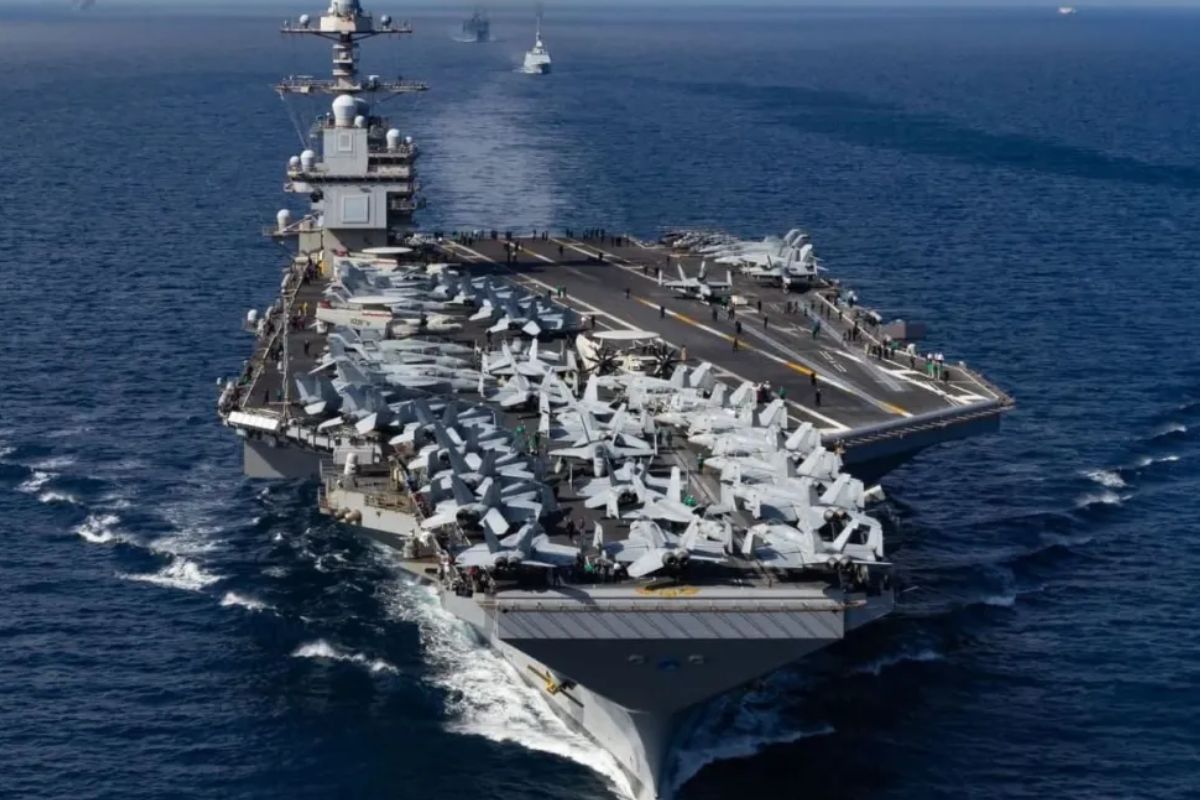
USS Gerald R. Ford, the largest aircraft carrier in the world, returns to sea after a fire in the laundry in the Red Sea; repaired in Crete, it resumes missions of Operation Epic Fury against Iran.
-
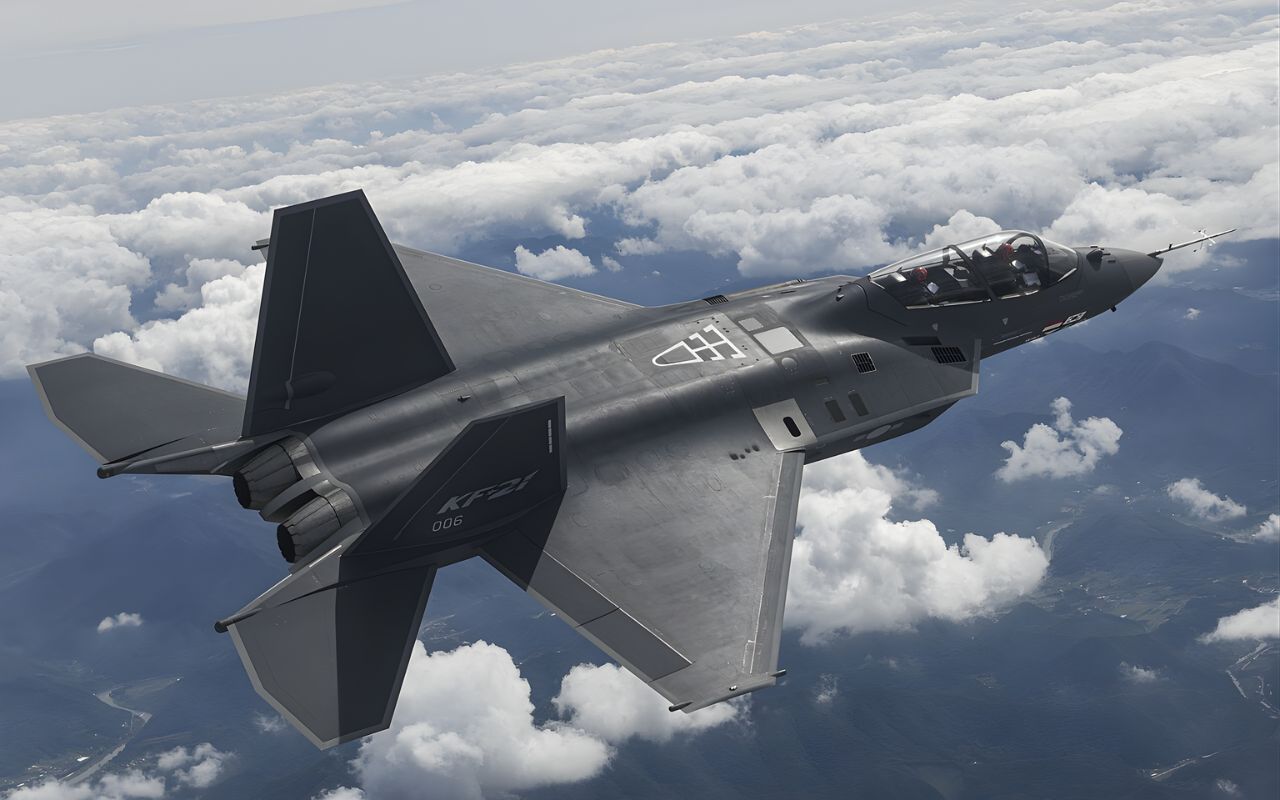
Military power: South Korea’s new KF-21 fighter jet will be a key component in replacing the aging aircraft of the air force, placing the country on the map of air military powers.
-
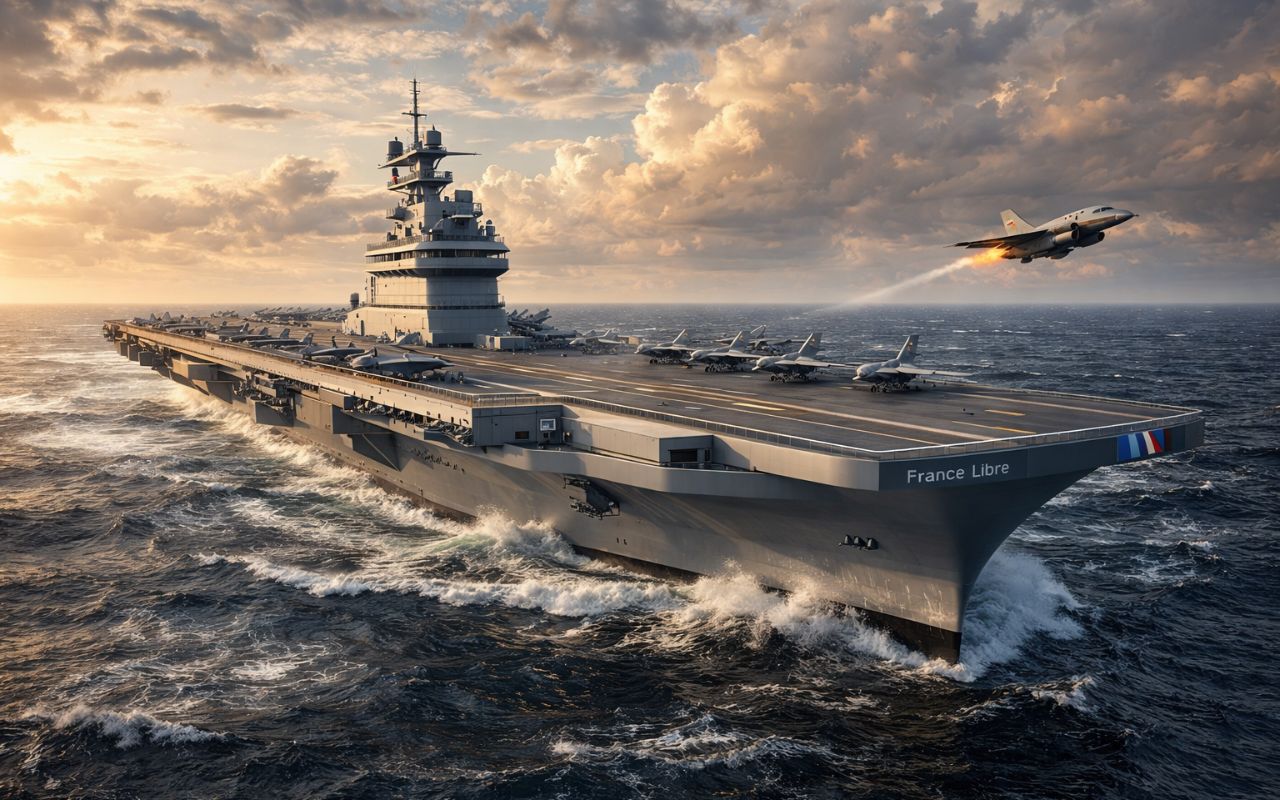
With 310 meters, 80 thousand tons, and capable of operating for 45 years, the new nuclear aircraft carrier France Libre will be the largest in France and will enter service in 2038.

Now, without a substitute agreement, experts warn that the scenario leaves room for the uncontrolled expansion of arsenals and increases the risk of miscalculations in an increasingly polarized international environment.
See More: Russia Ukraine Negotiations: Donetsk Stalls Agreement In Trilateral Talks
What Changes With The End Of The Nuclear Treaty
The New START limited each country to a maximum of 1,550 deployed strategic nuclear warheads. In addition, it provided for data exchanges, advance notifications, and on-site inspections, instruments considered essential to avoid mutual distrust.
With the termination of the nuclear treaty, these safeguards cease to exist. In practice, this means that the US and Russia now have the freedom to expand their arsenals without formal transparency obligations.
Therefore, the risk is not only in the increase in the number of weapons but also in the reduction of predictability between the two largest nuclear powers on the planet.
The End Of A Framework Built After The Cold War
The termination of New START symbolizes the collapse of an arms control system created over more than half a century. Since the Cuban Missile Crisis in 1962, international treaties have sought to reduce the likelihood of a catastrophic nuclear conflict.
Before it, the original START, signed in 1991 by the US and the then Soviet Union, prohibited the deployment of more than 6,000 warheads per country.
Over time, other agreements have also been abandoned, such as the Intermediate-Range Nuclear Forces Treaty and the Open Skies Treaty. Thus, the end of the current nuclear treaty follows a troubling pattern of dismantling global security rules.
International Alert And Diplomatic Appeals
In light of this scenario, global leaders and authorities have made public appeals. In a recent hearing, Pope Leo XIV urged that Washington and Moscow not allow the treaty to expire.
“It is more urgent than ever to replace the logic of fear and distrust with a shared ethics,” he stated.
In the military field, former Chief of the British Armed Forces, Admiral Sir Tony Radakin, warned that the architecture that helped keep the world secure “is at risk of unraveling.” For him, the collapse of these agreements is “one of the most dangerous aspects of our current global security.”
Russia, US, And The Resumption Of The Arms Race
Russian officials have stated that, with the end of the nuclear treaty, the country will no longer be bound by symmetrical obligations.
The Russian Ministry of Foreign Affairs declared that Moscow intends to “act in a responsible and balanced manner,” but also stressed that it is ready to adopt “decisive technical-military measures” to ensure its security.
Meanwhile, US President Donald Trump showed less concern. “If it expires, it expires… We’ll simply make a better deal,” he told the New York Times. In the meantime, there has been no formal response from Washington to the Russian proposal to extend the treaty limits.
China Enters The Nuclear Debate Center
One of the main sticking points for a new nuclear treaty involves China. Washington argues that any future agreement should include Beijing, which has been rapidly expanding its nuclear arsenal. On the other hand, Moscow argues that France and the United Kingdom should also be involved in the negotiations.
According to experts, this impasse complicates diplomatic advances. Darya Dolzikova, a researcher at the Royal United Services Institute (RUSI), stated that the end of New START is “worrisome, because both sides have motivations to expand their strategic capabilities.”
New Weapons And Technologies Increase Risks
As dialogue stalls, the arms race advances in the technological field. The US, Russia, and China are developing hypersonic missiles capable of exceeding 6,400 km/h, which are much harder to intercept.
Moscow is also betting on systems like the Poseidon nuclear torpedo and the Burevestnik missile, designed to overcome air defenses.
For analysts, the simultaneous modernization of these arsenals makes constructing a new nuclear treaty even more complex.
Additionally, the perception grows that nuclear weapons have returned to a central role in global deterrence strategies.
A More Unstable Future
Although it is still possible to negotiate a new agreement, the end of the nuclear treaty between the US and Russia signals a more unstable and dangerous era.
Without clear limits and without trust mechanisms, the world is approaching a new arms race, with unpredictable consequences for international security.






-

-

2 pessoas reagiram a isso.