





 Portuguese
  English
  Spanish
  5 min of reading
  1 comment


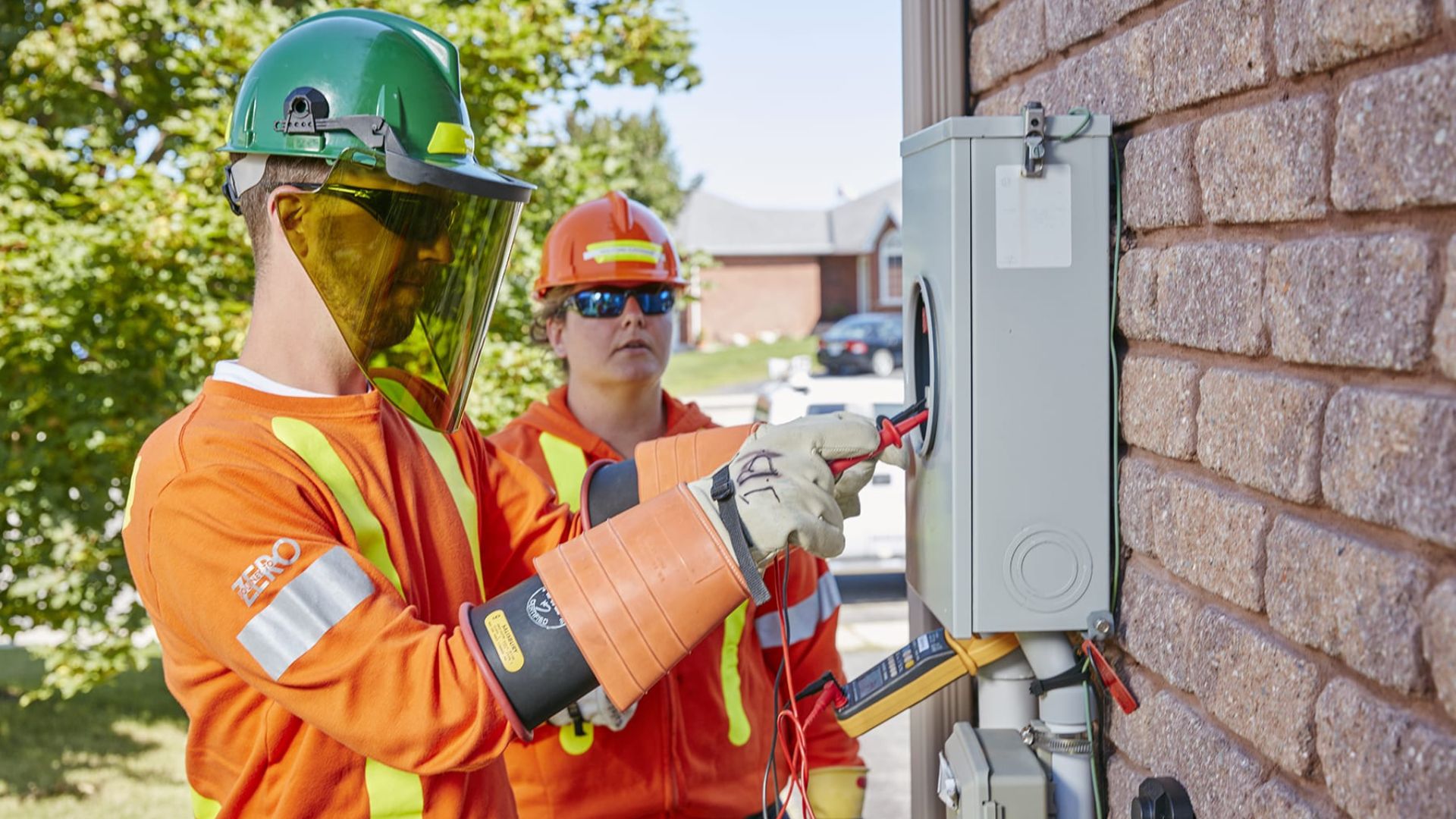


Winter Disconnection Rule in Ontario Prohibits Homes from Being Without Electricity or Gas Due to Default, Creates Fixed Protection Calendar and Foresees Reconnection in Specific Cases, While Charges and Fees Remain Active and Require Negotiation with Utilities and Official Assistance Programs.
In Ontario, Canada, a rule is adopted that changes the immediate impact of a late energy bill when temperatures drop.
During the winter, homes cannot have their electricity or natural gas supply turned off due to non-payment.
The mechanism operates as a seasonal disconnect moratorium, created to prevent families from losing essential services during a period of higher climate risk, when the interruption of heating and energy can compromise basic living conditions.
-
“No one will make us change the Pix,” says Lula after the US report.

-
Lula responds directly to Trump and says that Pix is from Brazil and will not change under pressure from anyone, after a report from the United States pointed out the Brazilian payment system as an American trade barrier.

-
Amazon has just announced a new fee on all deliveries, and your online purchases will become more expensive starting April 17, including for those buying from the United States here in Brazil.

-
He sold his share for R$ 4 thousand, saw the company become a giant worth R$ 19 trillion, and missed the opportunity of a lifetime.


The measure does not eliminate debts nor does it turn default into amnesty.
What it prevents is the most severe collection step during that specific interval: the disconnection of residential service for non-payment, requiring companies to seek alternatives within consumer protection rules and late payment recovery procedures.
Winter Disconnection Ban and Ontario Energy Board Rules
In Ontario, the rule is known as the Winter Disconnection Ban and is associated with the Ontario Energy Board’s actions, the regulatory body that sets consumer protection standards and supervises licensed electricity utilities, as well as rules for natural gas distributors regulated by tariff.
The disconnect ban follows a fixed annual calendar, applied between November 15 and April 30.
This timeframe defines when the utility is prohibited from disconnecting residential service due to default and when, after the period ends, the company can resume collection procedures that include notifications and potential disconnection according to applicable rules.
Mandatory Reconnection and Deadlines During the Protected Period
In addition to blocking disconnection for non-payment, the rule provides an important practical effect: homes that have already been disconnected for default before the start of the period must be reconnected, as long as they are occupied.
The deadline used by the regulator for this reconnection is December 1, with guidance that it occurs without charging a fee to the consumer.
The prohibition also covers the threat of disconnection in the case of electricity.
In practice, this means that licensed distributors cannot use disconnection notices as a pressure tool during the protected period, and they must maintain supply while addressing the debt through means compatible with service and collection rules.
Electricity in Winter and Load Control Limits
The regulator also establishes barriers to intermediate measures that would effectively reduce the consumption allowed in a home.
In the case of electricity, there is a prohibition on the use of load control devices in homes during the winter period, in addition to the requirement for removal of existing devices in residential homes by December 1, without charge, unless the customer requests to maintain or install this type of equipment.
This point is relevant because these devices limit the available power and can be used as an alternative to total disconnection, affecting the use of heaters, ventilation systems, and essential appliances.
Debt Continues to Exist and Charges Remain Active
Although the supply is protected from disconnection, the bill continues to exist and collection remains active.
Companies may continue to apply late fees and interest on overdue amounts, including during the prohibition on disconnection.
The regulator’s public guidance is that consumers should not treat the period as permission to stop payments, as the accumulation of debts tends to increase with late fees and can result in greater financial pressure when the protection period ends.
The rule, therefore, does not prevent the utility from charging, negotiating, and recording the debt.
What it establishes is an operational limit for cutting off service in homes during the winter months, requiring that solutions be sought through agreements, renegotiations, and support programs, instead of immediate disconnection.
Assistance Programs and Negotiation with Utilities
This framework creates a dynamic similar to other seasonal protections adopted in different countries: essential service is preserved during the most critical period, while collection mechanisms continue to function in the administrative and financial realms.
In this context, the regulator emphasizes practical pathways for those in difficulty.
Consumers are advised to maintain contact with the utility, discuss payment options, and seek formal installment agreements to avoid an accumulation that becomes difficult to manage at the end of the period.
Among the alternatives highlighted by the Ontario Energy Board are assistance programs aimed at low-income consumers, particularly the Ontario Electricity Support Program, which can reduce electricity bills for families that meet income and household size criteria, and the Low-Income Energy Assistance Program, associated with emergency support in cases of overdue bills.
Notices, Installment, and Rules Outside the Protection Window
The protection also connects to broader consumer service rules.
In the normal cycle, when there is no seasonal prohibition, disconnection for default involves a sequence of notices and deadlines, in addition to the possibility of payment agreements.
The regulator sets communication obligations, defines minimum notice stages, and describes how installment agreements for debts, known as arrears payment agreements, work, allowing consumers to pay what they owe over time without interrupting service.
Submetering in Buildings and Rule Differences for Residents
At the same time, there are important distinctions affecting part of the public, especially in properties with metering and billing outsourced.
The Ontario Energy Board warns that companies known as Unit Sub-Meter Providers, which handle metering and billing in multi-unit buildings under contract with owners, management companies, or condominiums, do not necessarily follow the same disconnection rules that apply to licensed utilities.
In these cases, rules and fees may be defined contractually, and the regulator recommends that residents check the policy with the provider, with the building manager, with the owner, or with the management company, in addition to verifying whether there will be voluntary adherence to the protection period.
The difference between licensed utilities and submetering providers is a central point for understanding the actual scope of protection, because not all residential consumers receive their bill directly from a regulated distributor.
This detail also helps explain why the issue often generates curiosity outside of Canada.
The same address may be within a regulated system that prohibits disconnection in winter or within a contractual arrangement where the rules are different, making it essential to understand who the effective supplier is, what type of contract exists, and what standards apply to the case.
End of Prohibition and Return of Disconnection Risk
Once the prohibition period is over, the risk of disconnection re-emerges for those who remain with overdue amounts, and the consumer may receive collection notices that now foresee disconnection starting the day after the protected interval ends.
Therefore, the regulator encourages using the winter period to regularize the debt, establish agreements, and seek assistance programs, reducing the risk of a cutoff when the prohibition ceases to be valid.
In a scenario where the cost of living and energy bills weigh increasingly on budgets, to what extent could seasonal rules that prevent electricity and gas cutoffs in winter inspire similar protections in other parts of the world?








Ontario reality check:
The winter disconnection ban under the Ontario Energy Board does not stop collection activity — it intensifies it.
Bills continue, late-payment interest accrues, arrears grow, and once April 30 passes, disconnection risk returns immediately. Utilities don’t “pause” recovery; they shift into payment plans, credit actions, and post-winter enforcement.
In practice, this has also created a predictable behaviour pattern: some tenants knowingly defer payment through winter and then walk away at lease end, leaving utilities (and ultimately other ratepayers) to absorb bad debt. That cost doesn’t disappear — it shows up later through higher rates, tighter credit rules, and more aggressive collection policies.
So while the policy is framed as compassionate — and it does protect life-safety during extreme cold — it is not cost-free and it is not neutral. Without parallel reforms on affordability, housing stability, and structural bill reduction, this becomes a recurring seasonal game rather than a sustainable solution.
Good intentions, yes — but pretending there are no downstream consequences is a mistake.