





 Portuguese
  English
  Spanish
 4 min of reading
  0 comments


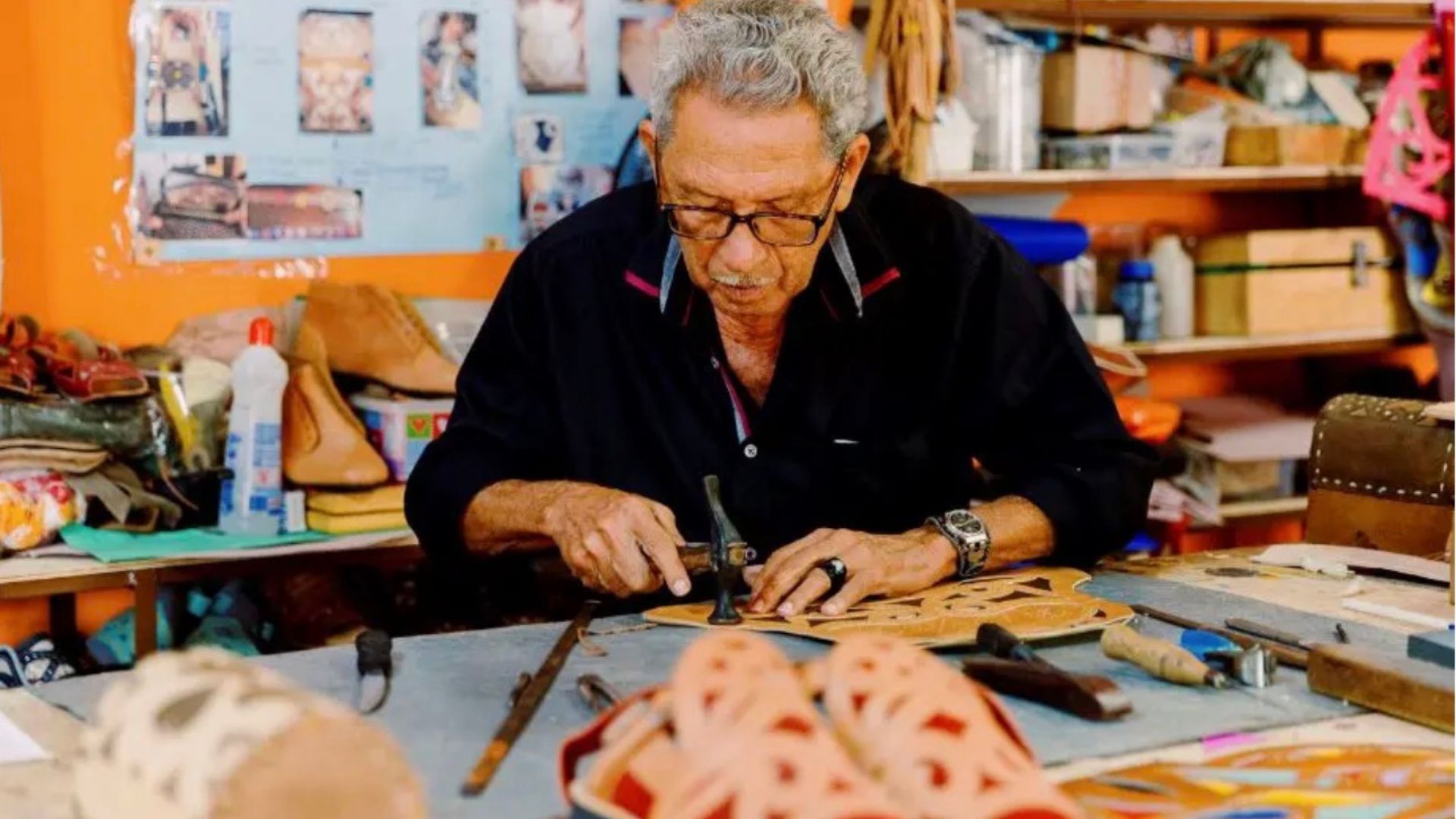
An Unexpected Encounter in the Backlands Resulted in the Most Symbolic Sandals of Northeastern Culture
In the 1930s, in Nova Olinda, in the Cariri region of Ceará, an apparently common episode would forever change the history of leather craftsmanship in the Northeast. At that time, the craftsman Raimundo Velozo, known as Raimundo Seleiro, was working in his workshop producing leather saddles for horses, a traditional activity in the region. However, one day, an unknown man sat on the porch of the place and, with an intimidating posture, made an unusual request.
“You can call me Raimundo Seleiro,” replied the craftsman when the outsider asked his name. Then, the visitor, coming from Pernambuco, presented a draft on paper and got straight to the point: he needed espadrilles with a rectangular sole and would return in a month to pick them up. Initially, Raimundo explained that he did not produce footwear, only saddles. Still, in light of the situation, he added that he would find a way “for a friend.”
At that moment, he did not know, but he was in front of one of the men from Lampião’s gang. A few weeks later, upon returning to pick up the order, the outsider revealed his identity. Fearing reprisals, Raimundo declined payment. As a reward, he later received a dagger of sentimental value, sent by the gang leader himself. Thus, the sandals that would become a historical and cultural symbol of Brazilian Northeast were born.
-
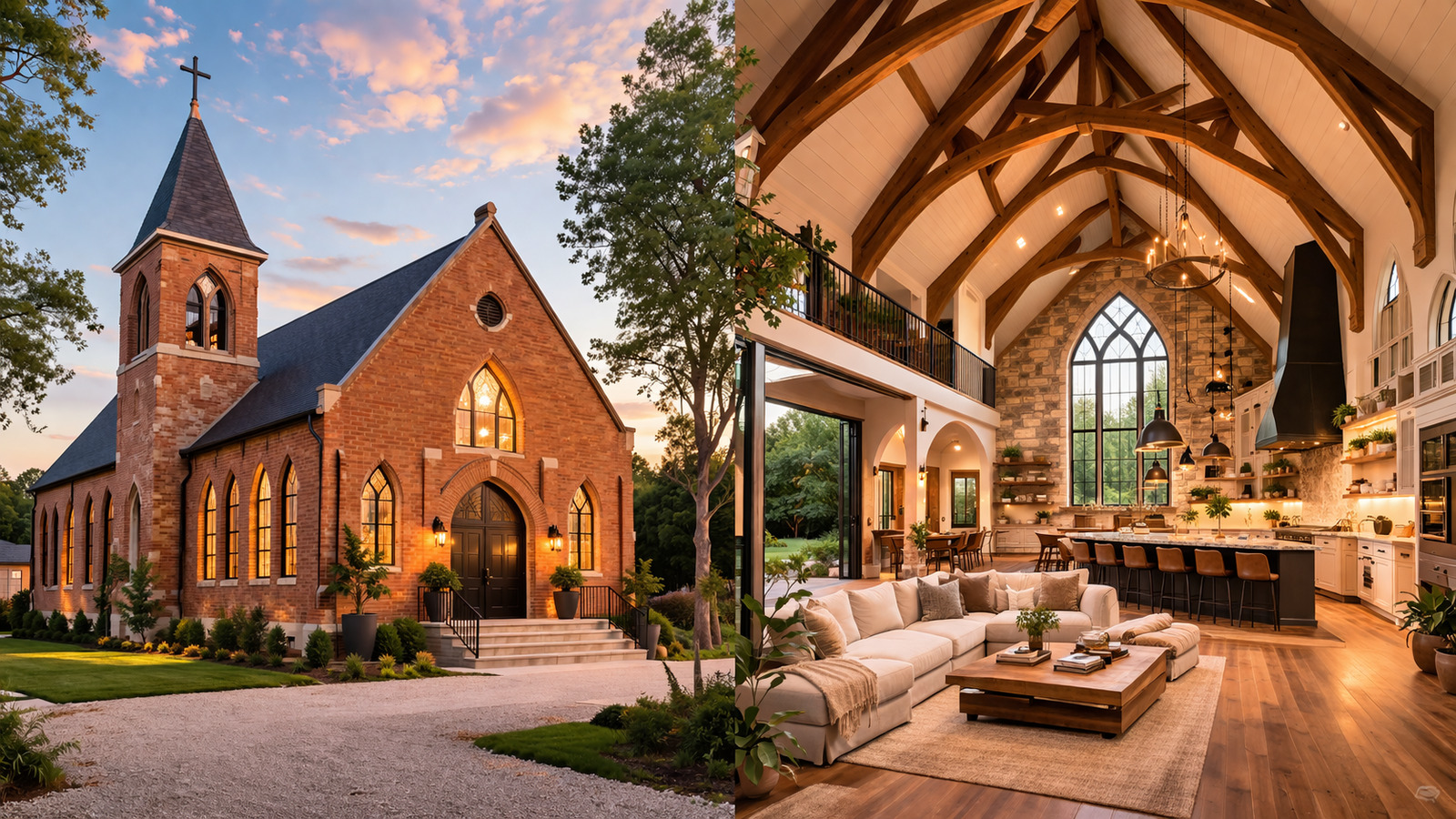
Church from 1888 becomes a mansion of over 330 m² in Canada after a renovation of R$ 3.4 million and is eventually sold for nearly R$ 4.3 million.
-
How an innovative city combines high technology, well-being, and sustainability to become the largest reference in clean energy on the planet.

-
Couple buys 1846 church in ruins for R$ 660,000, invests R$ 3.2 million in renovations, transforms it into a millionaire mansion, and even preserved a historic cemetery with over 300 graves.

-
He started running at 66 years old, broke records at 82, and is now a subject of study for having a metabolic age comparable to that of a 20-year-old, in a case that is intriguing scientists and inspiring the world.


This information was disclosed by Diario de Pernambuco, which recovered the craftsman’s journey and the impact of this creation on regional culture, according to the original report published by the outlet.
The Square Sole That Confused Traces and Became a Historical Reference
The model ordered by Lampião was completely different from the traditional espadrilles of the time. Instead of a rounded sole, the sandals featured square and rectangular soles, a strategy designed to make it difficult to track the gang of bandits. This way, by the footprints left on the ground, it became impossible to identify the direction taken by the group.
Over the years, Raimundo Seleiro also came to master the making of espadrilles, extending his leather skills beyond saddles. This knowledge, therefore, was passed on to his son, Espedito Seleiro, who inherited not only the technique but also the responsibility of keeping the tradition alive.
Currently, rectangular soles are produced only on request, while the other models follow the traditional format. Furthermore, over the decades, the sandals have gained names inspired by cangaço, such as Lampião and Maria Bonita, which remain among the most sought-after models.
Although the design and cut of the leather remain faithful to the original period, Espedito introduced colored details, making each pair unique. “The shape is the same as when my father made them, but I added colors. Each pair is exclusive,” explains the craftsman. The espadrilles are made by hand, and each pair takes about two days to be ready.
From the Backlands to the Runways: The Recognition of Espedito Seleiro in Fashion and Culture
Over the years, Espedito’s artisanal work has crossed the borders of Cariri. At 76 years old, he coordinates a family association with 22 people, including children, grandchildren, nephews, daughters-in-law, and sons-in-law. Additionally, the sandals can be ordered all over Brazil, with prices ranging from R$ 85 to R$ 120.
In the fashion world, Espedito gained prominence by participating in important parades. In 2005, he walked the runway for the first time in a Cavalera fashion show at São Paulo Fashion Week. He later collaborated with other brands and also supplied pieces for theater, television, and cinema. In 2007, for example, he outfitted actor Marcos Palmeira in the film The Man Who Challenged the Devil.
According to the craftsman, the success of the espadrilles can be explained by the union of exclusivity, an essential characteristic of luxury fashion, and the sentimental value of regional culture. “When you see a work that looks like it was made by a true backlands guy, you know it’s mine,” he summarizes.
Furthermore, Espedito maintains the Leather Museum in his workshop, in Nova Olinda (CE). In the space, iconic pieces from his career are displayed, such as the first pairs made and the rectangular-soled sandals similar to those used by Lampião’s gang.










-

-

-

-

12 pessoas reagiram a isso.