





 Portuguese
  English
  Spanish
  5 min of reading
  0 comments


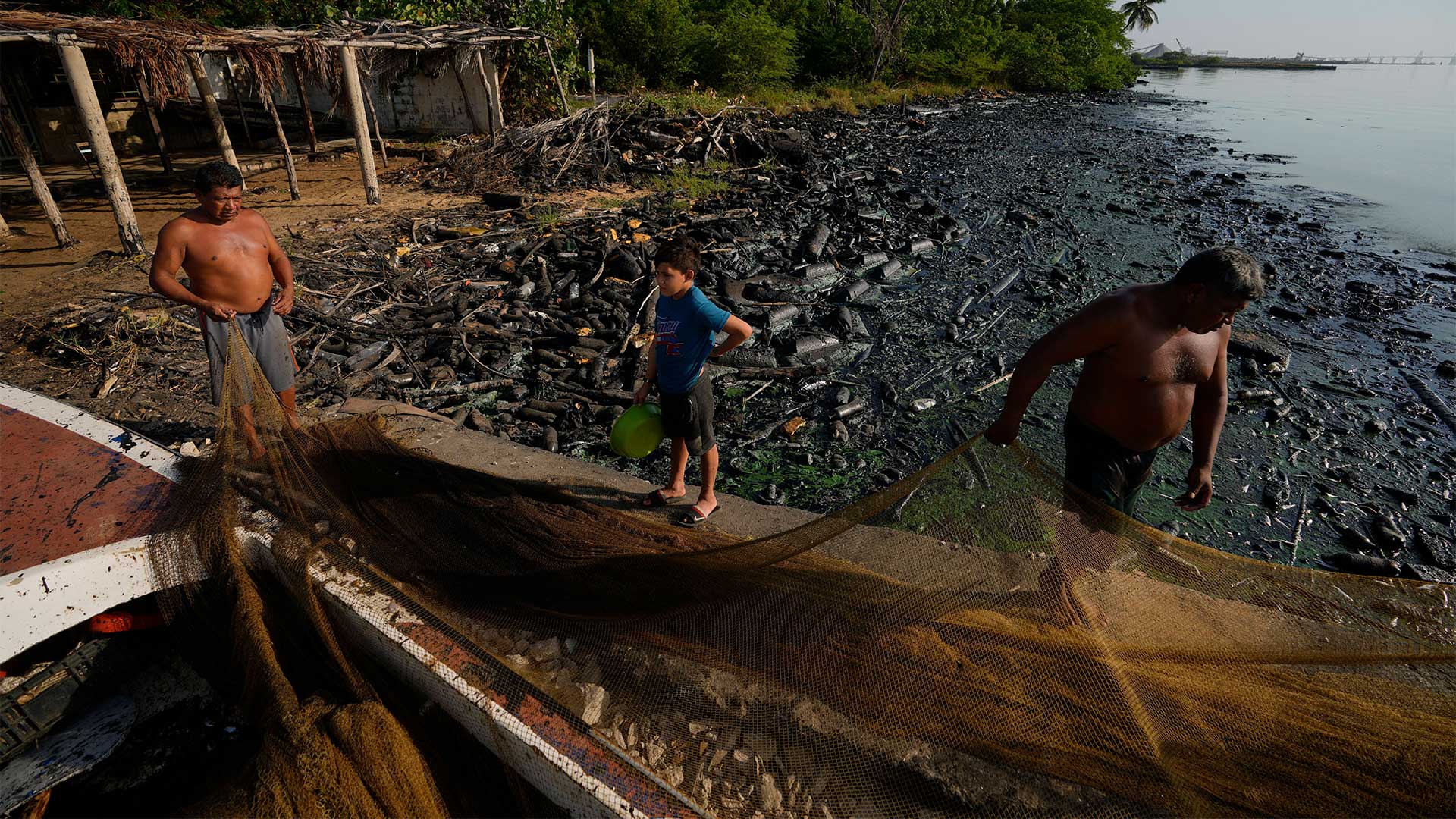
Lake Maracaibo Became a Green Carpet and Toxic Mud, and the Price of the Oil Era in Venezuela Now Threatens People, Fish, and the Entire Region. Residents Report Skin Diseases, Decreased Fishing, and Unsafe Water.
The Lake Maracaibo, in the state of Zulia, in northwestern Venezuela, is undergoing an environmental deterioration that has gone from being local to a regional alert. What is often seen from the shore is an intense green surface that looks like common vegetation, but may indicate the proliferation of microorganisms associated with pollution.
In practice, the lake has become a concentrated portrait of decades of exploitation and sanitation failures. Oil spills, urban waste, and effluent discharges help explain why the water has lost its transparency and why the fauna has distanced itself from areas where it was once abundant.
The impact is not confined to the ecosystem. Fishermen and families living in stilt houses and riverside communities report declines in catches, nets rendered useless by oil, and health problems after frequent contact with the water.
-
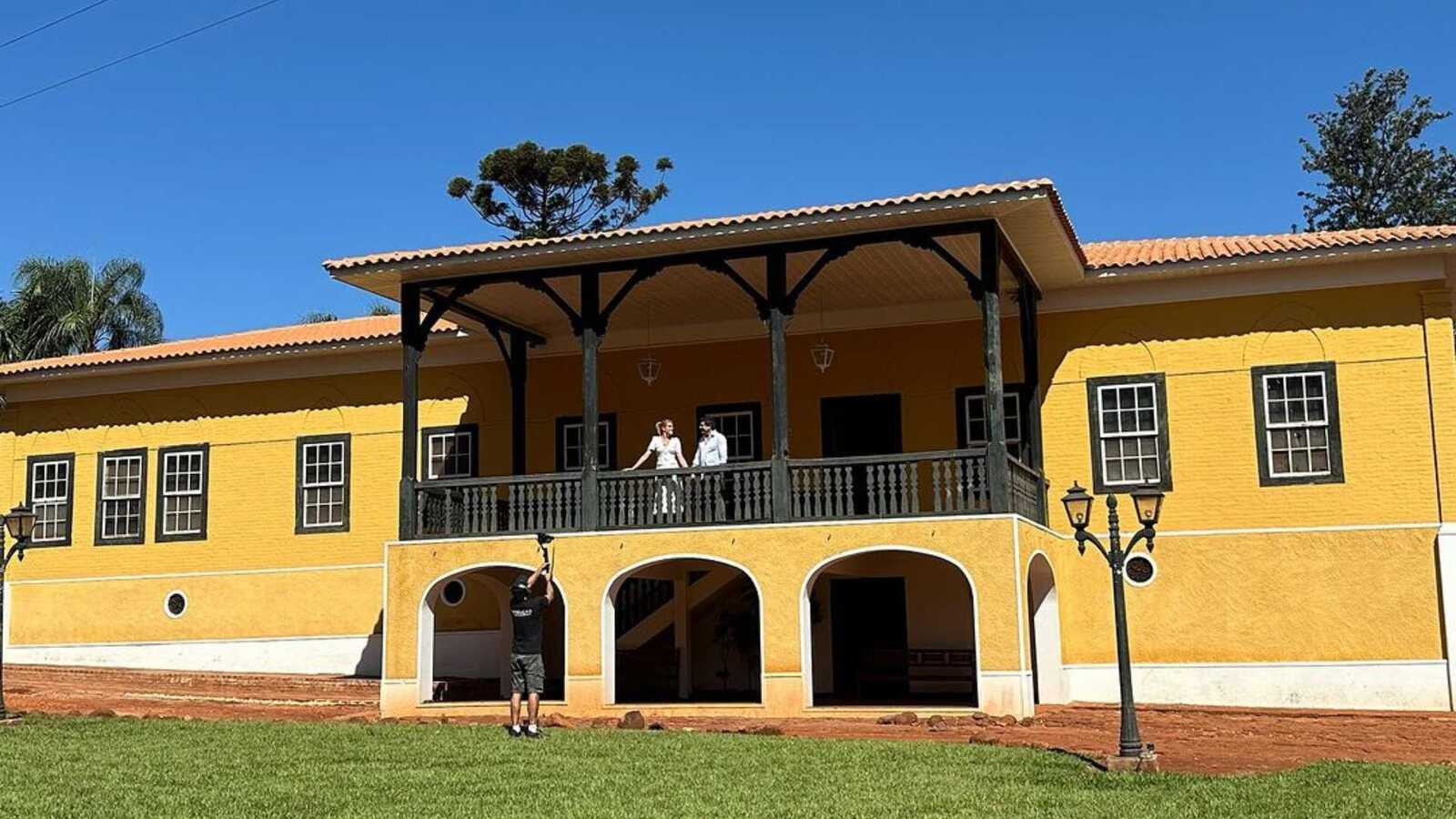
A Brazilian millionaire couple restores a farm over 150 years old in the interior of São Paulo and transforms the historic property with Portuguese tiles, antique furniture, and new spaces into a refuge that blends tradition, comfort, and sophistication.
-
Submerged city in a lake in Minas reveals intact streets, preserved vehicles, and houses after more than 60 years, impressing divers.

-
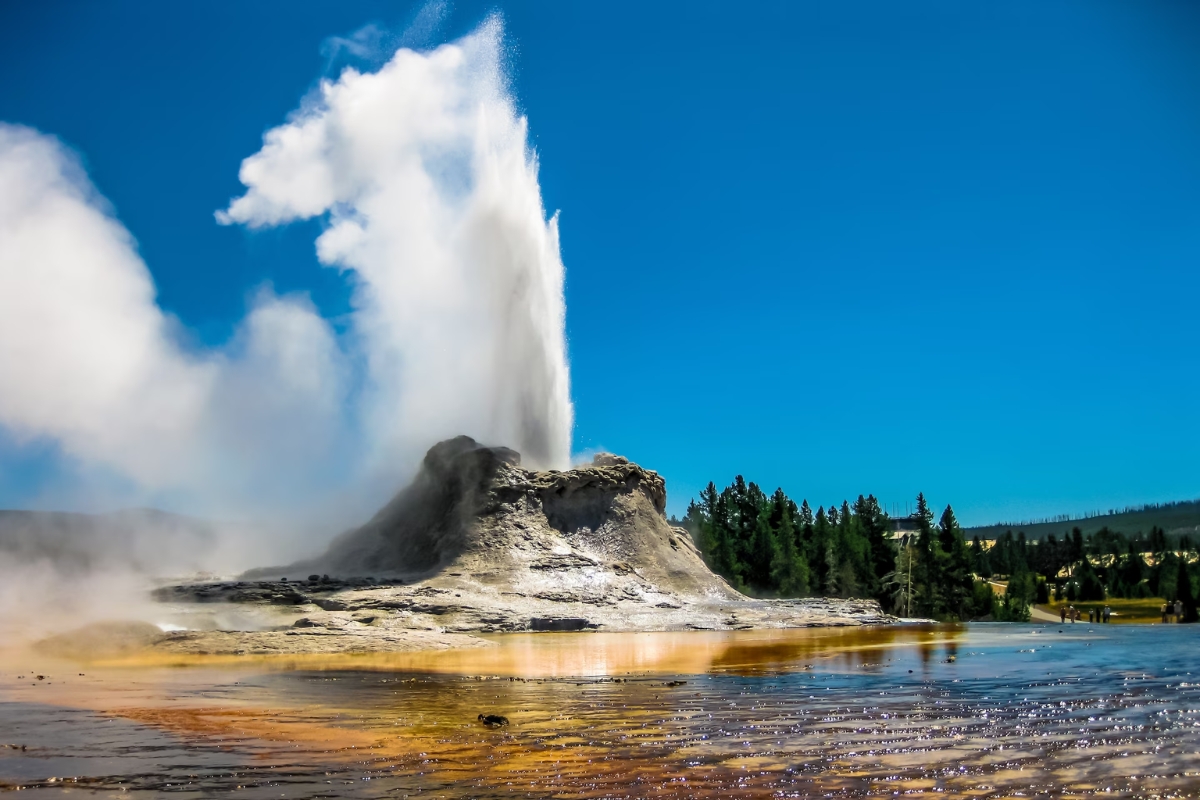
Yellowstone has started to rise again in an area of the caldera, and the movement rekindles fears surrounding the U.S. supervolcano, as scientists monitor the deformation and try to understand what is happening underground.
-
Woman arrested after receiving $1.2 million due to banking error and not returning the amount.


The drama gains weight because it is one of the largest bodies of water on the continent. Maracaibo is a large body of water connected to the sea, covering an area of about 13,000 square kilometers, often cited as the largest in South America.
What’s Happening in Lake Maracaibo Now
The green coverage known locally as verdín has been recorded in large patches, forming a “carpet” that spreads with winds and currents. This type of bloom is compatible with eutrophication, when excess nutrients accelerate the growth of organisms in the water.
Satellite images help to size the problem and track its evolution. This monitoring indicates that the phenomenon is not isolated and may intensify as the combination of heat, nutrients, and little circulation in certain areas continues.

Why Verdín Spreads and What Risks It Brings
Verdín is associated with cyanobacteria that can multiply rapidly when there is too much nitrogen and phosphorus in the water. In simple terms, it’s as if the lake is receiving too much “fertilizer,” creating conditions for uncontrolled growth.
When the bloom intensifies, the water tends to lose oxygen in certain areas and at certain times, affecting fish and other organisms. Local reports and explanations from experts describe this effect, with aquatic life avoiding the shores and episodes of die-offs.
There is also a public health concern. The proliferation of cyanobacteria can generate toxins and cause harm to animals and people, especially in communities that rely on the lake for daily tasks.
Verdín also acts as a physical and biological block. It reduces light penetration, alters the balance of the ecosystem, and can worsen water quality even when the green layer appears to be “just” a superficial dirt.

The risk increases when contact with the water is unavoidable, something common in regions with irregular access to basic services. Even when there are pinpoint cleaning actions, they tend to only address the surface of the problem and not its causes.
Oil, Aging Pipelines, and the Infrastructure Crisis
Maracaibo has historically been a hub of Venezuelan oil, and this has become part of the environmental problem. There are technical and scientific descriptions pointing out that thousands of structures and kilometers of pipelines in the region have degraded due to lack of capital and maintenance, increasing the risk of recurring leaks and contamination.
The very dimension of the oil network in the lake helps to understand the difficulty of control. An extensive network of pipelines and old facilities crossing the lake’s bottom amplifies potential failure points, and each leak fuels further degradation.
This scenario appears in recent analyses of the country’s industry. The sector is experiencing a decline in production compared to historical peaks and carries signs of underinvestment and operational problems, which limits rapid and broad responses when accidents occur.
Sewage and Fertilizers Also Push the Lake Towards Collapse
Oil is central, but it doesn’t explain everything. The green coverage is fueled by pollution, with discharges that reach the lake and alter its color and water quality.
The urban and agricultural component enters the same cycle. Nutrients linked to untreated sewage and flows coming from neighboring areas elevate nitrogen and phosphorus levels, creating the ideal environment for blooms. The result is a vicious cycle where pollution feeds verdín and verdín worsens the water.
Riverside Communities Pay First with Reduced Fishing and More Diseases
In the local economy, fishing is a quick thermometer. Fishermen say that catches have decreased and that nets and engines suffer from oil and dirt, making the activity more expensive and less predictable.
The problem also manifests in the body. There are reports of rashes and skin irritations attributed to contact with contaminated water, something compatible with frequent exposure to pollutants and biological blooms.
When income disappears, pressure increases to remain in the same degraded environment because moving is costly. This social trap turns the environmental disaster into a matter of survival and public health.
And there is an invisible but constant effect on food. Less fish and seafood mean less available protein and more dependence on supply chains that are already fragile during economic crises.
What Would Need to Change for Maracaibo to Breathe Again
Experts and organizations monitoring the issue converge on a simple idea. Without sanitation, waste management, and effective leak control, the lake tends to alternate between blooms and more visible contamination episodes.
Recovery also stumbles upon the reality of the Venezuelan oil sector. Production remains below historical peaks, and political debate over oil control and revenues continues to dictate priorities, keeping the environment on the back burner.
In Maracaibo, the challenge is to bring together two worlds that rarely communicate. A credible plan would require heavy maintenance of infrastructure, effective regulatory oversight, and continuous investment in sewage treatment, not just emergency actions.
In the end, the uncomfortable question remains for Venezuela and the region. Is the lake’s disaster more a consequence of mismanagement and internal abandonment, or external conditions that drained investment and technical capacity from the country? Leave your comment saying which factor weighs more and why, as this narrative dispute also decides who will bear the cost of recovery.






-

-

3 pessoas reagiram a isso.