





 Portuguese
  English
  Spanish
 5 min of reading
  0 comments


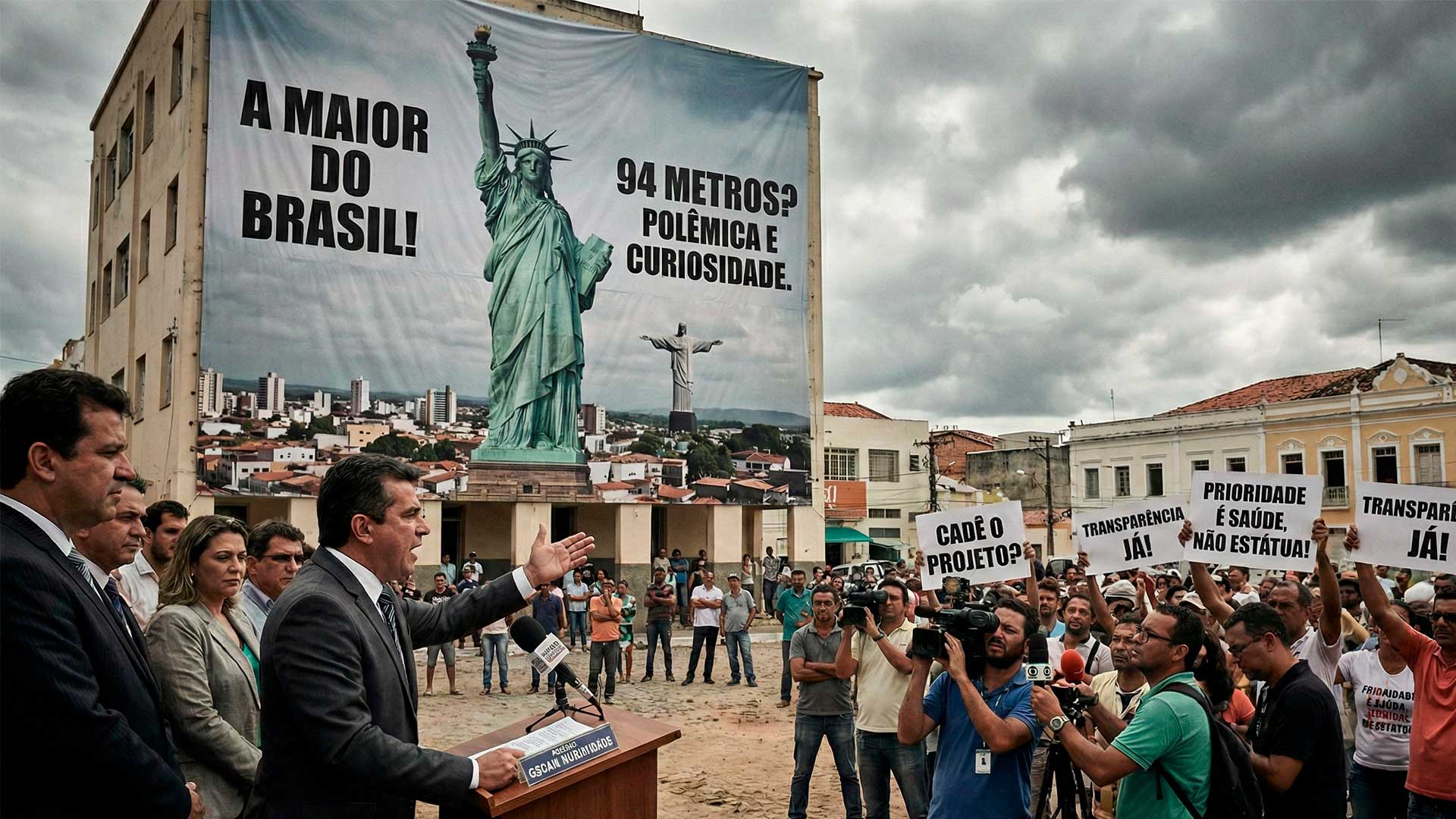
Project Announced By Oscar Rodrigues Targets Tourism And National Visibility, But Still Lacks Cost, Licenses, And Technical Studies Disclosed To The Public
The mayor of Sobral, Oscar Rodrigues, stated that he wants to erect in the municipality a replica of the Statue of Liberty standing 94 meters tall and begin construction in 2026. The announcement was made in an interview on FM Paraíso radio, a station of which he is the owner, and quickly gained traction beyond Ceará.
If the plan moves forward, the structure would be presented as the largest statue in Brazil, in size, surpassing the Christ the Redeemer in Rio de Janeiro. The city hall itself, however, has not yet detailed how much the monument would cost, how it would be financed, and what urban and environmental impacts the project may generate.
According to a report from the newspaper O Povo, the project is in the budgeting phase and the installation was mentioned for the area between the districts of Jordão and Boqueirão. By the time the article was published, the outlet stated it had not received a response from the City Hall of Sobral with additional information.
-
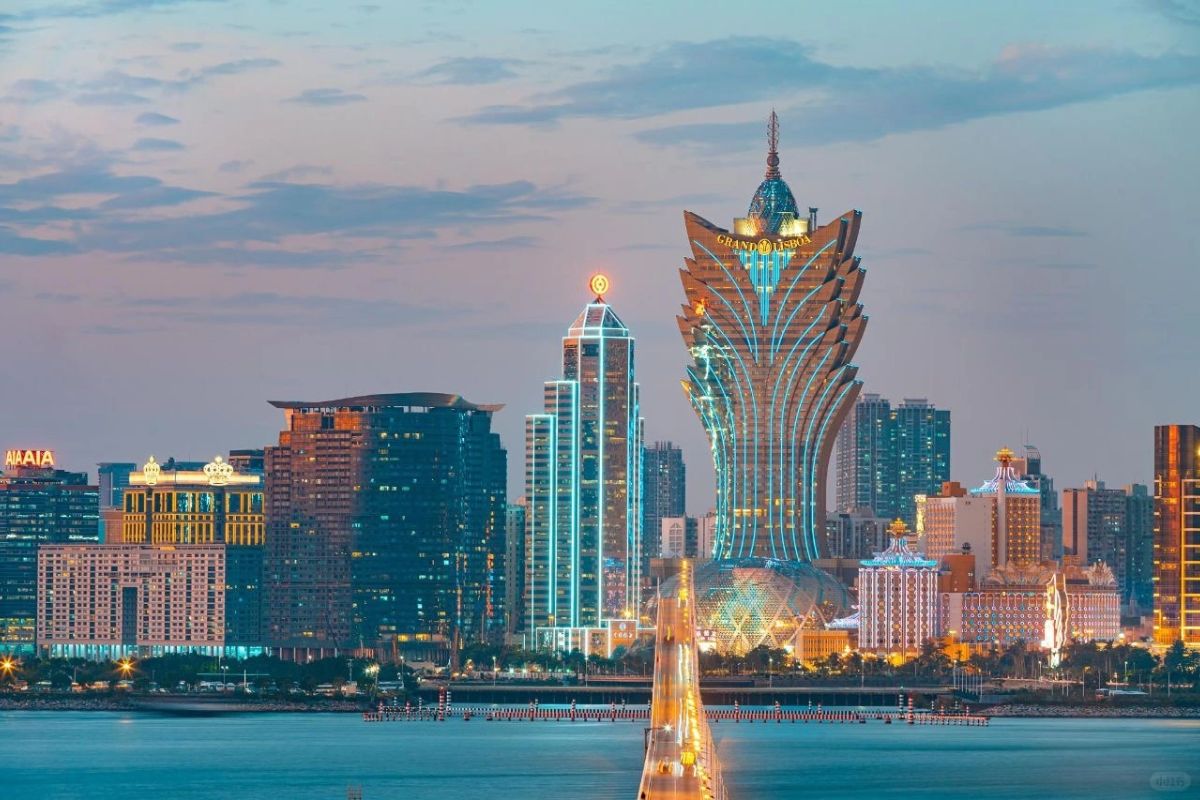
There is a city in China right next to Hong Kong where people speak Portuguese, the streets have names in Portuguese, and the architecture looks like it came straight out of a historic city in Brazil.
-
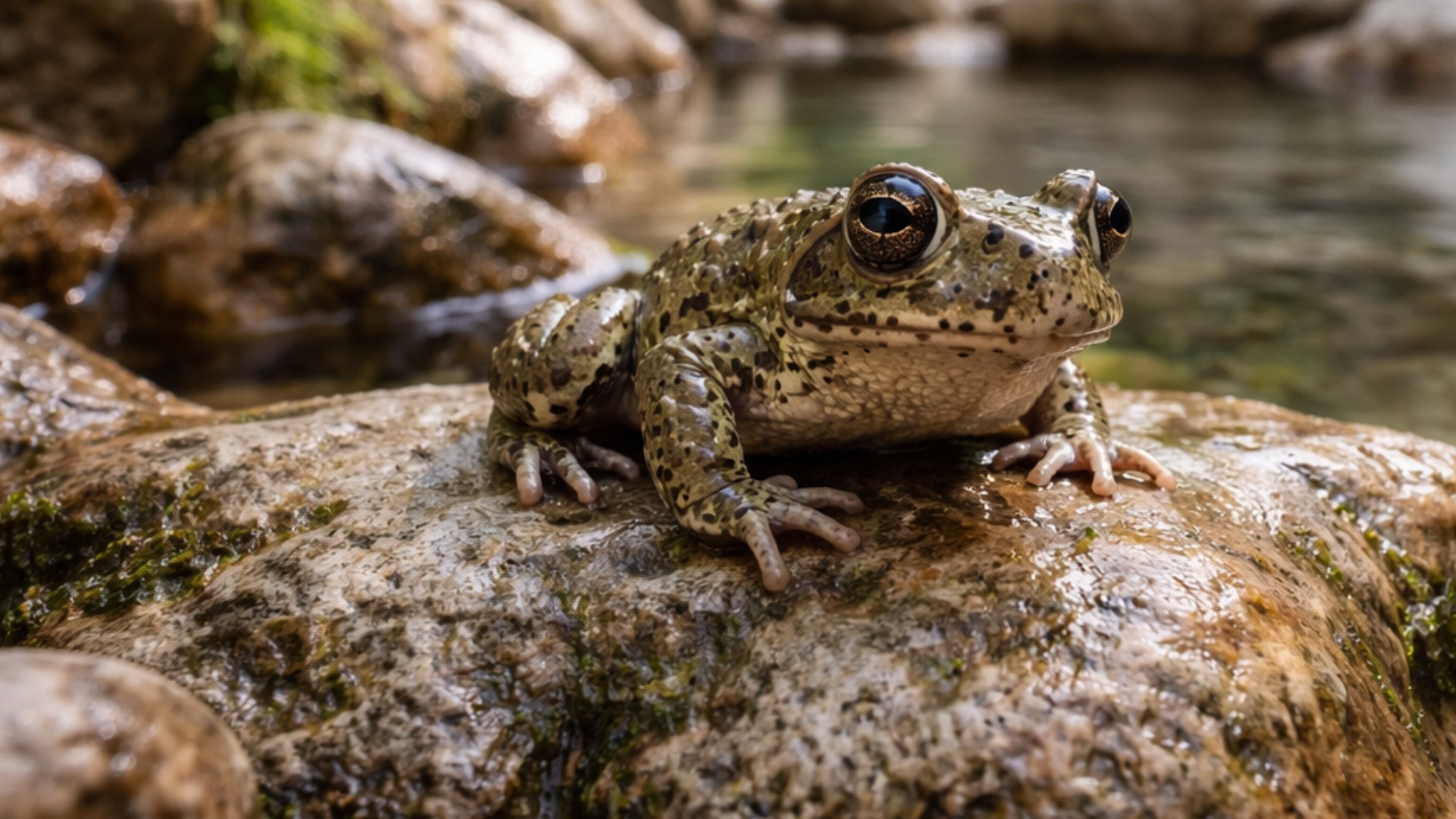
Rare frog thought to be extinct after only appearing in fossils reappears, becoming a ‘living relic’ of evolution and gaining a real path to spread after combating introduced predators.
-
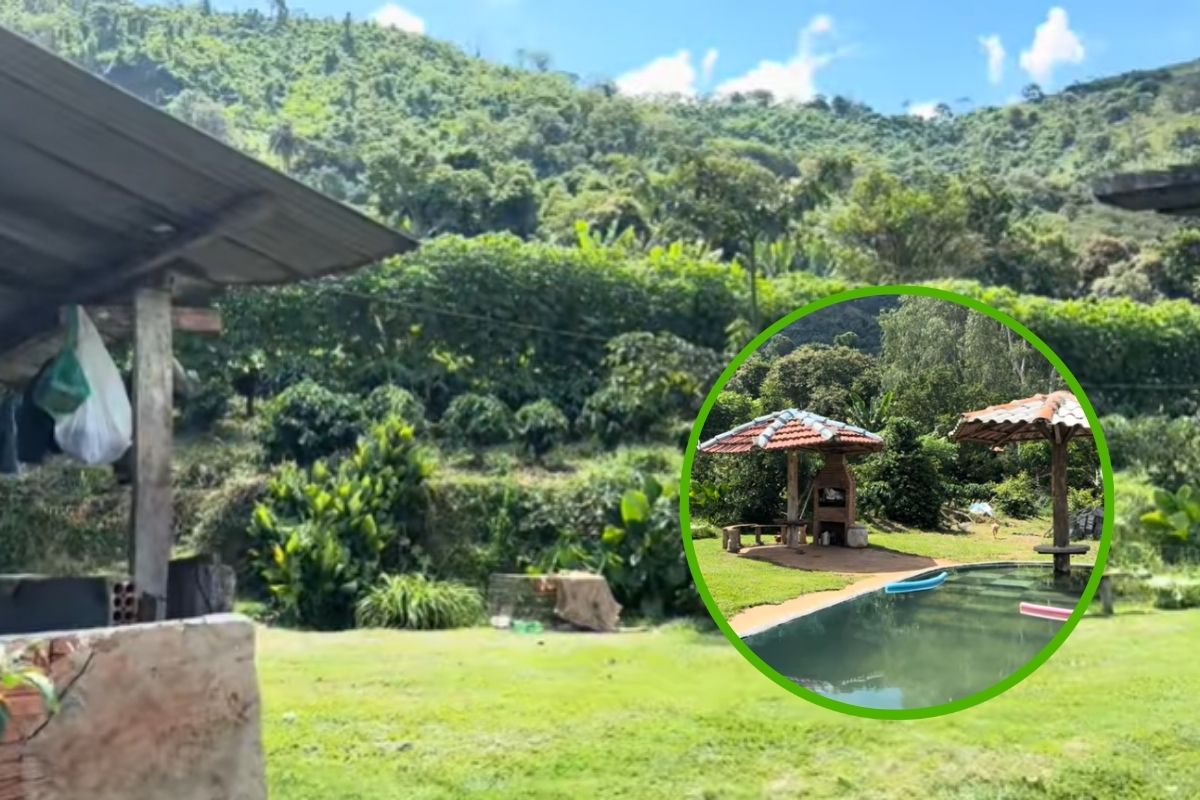
House without a door and without a window: a resident lives high in the mountains, says he enjoys the “free life,” mentions that the cat comes and goes hunting bats and rats, and that when it rains he wakes up with wet feet.
-
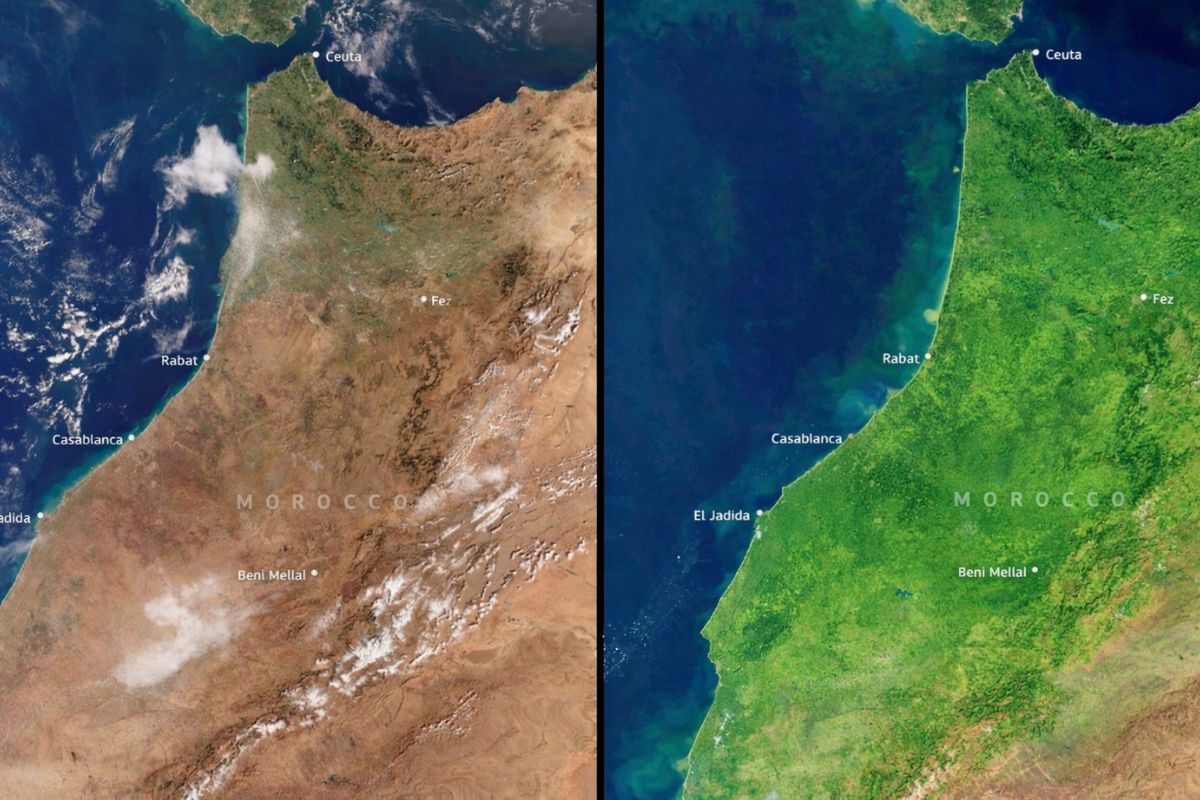
Satellite images show that Morocco became so green in 2026 that the country looks different from space: two months of heavy rains transformed arid land into dense vegetation for the first time in a decade.

Amid the promise of a giant symbol, the local discussion has also turned into a national debate about management priorities and transparency when it comes to large-scale public works.
What The Mayor Announced And Why The Project Draws Attention
The announced idea envisions a monument of 94 meters and was presented by the mayor as a key turning point for the image of Sobral. The statement gained traction precisely for using a globally recognized icon and proposing an unprecedented scale in the country.
According to O Povo, Oscar Rodrigues stated that he intends to start the works at the beginning of 2026 and that the execution time may vary depending on the payment method, ranging between one and two years. The same text points out that the project was in the budgeting phase.
The repercussion also increased due to the context of the interview, as the announcement occurred on a radio station connected to the mayor himself. This fueled questions about how and when official details will be presented to the public.
Tourism And Economy Appear As The Main Justification For The Proposal
The mayor’s central argument was tourism. According to O Povo, he stated that he wants to develop the sector to boost local commerce and also mentioned the intention to establish an industrial district as part of a growth strategy.
The administration bets that a monument of this scale can attract visitors, stimulate services, and increase the circulation of money in hotels, restaurants, and commerce. This logic often appears in other Brazilian cities attempting to turn giant sculptures into tourist attractions and postcards.
The problem is that, without numbers, it becomes challenging to measure if the budget works out. So far, there has been no public disclosure of tourist demand projections, maintenance costs, or estimates of local economic return.
Another point raised in the coverage is that it was not presented how the monument would integrate with the existing infrastructure, such as road access, parking, security, sanitation, and capacity to accommodate large visitor flows. Without this, the promise of an immediate impact on tourism turns into more of an expectation than a plan.
Even among supporters, the demand tends to be for clear stages, with a timeline, goals, and accountability. In symbolic works, the announcement is usually strong, but the execution depends on projects, licenses, and resources that are rarely simple.
Budget, Funding, And Timelines Remain The Biggest Gaps
The main gap is the lack of official data. Reports highlight that no cost has been disclosed, nor have funding sources been announced, or public information regarding environmental licensing or economic feasibility studies.
O Povo also reported that the mayor mentioned he had contacted the person responsible for constructing the statue of Our Lady of Fatima in Crato, suggesting that he is seeking technical references to make the project feasible. Still, references do not replace executive projects and formal contracting and licensing processes.
Comparison With Christ The Redeemer And The Detail That Changes The Height Dispute
The proposal gained headlines for “surpassing Christ the Redeemer,” but the comparison depends on which measurement is being used. Christ the Redeemer stands at 30 meters tall, not counting the pedestal, which adds another 8 meters, reaching a total of 38 meters, according to widely published records.
In the case of the Statue of Liberty in New York, the sculpture measures about 46 meters, while the total height from the foundation to the tip of the torch reaches 93 meters, as per the published measurements.
When the mayor speaks of 94 meters, it is still unclear whether the reference is just to the statue or to the entire structure, including the base and foundation. This detail is essential because it alters the cost, engineering, and even the honest way to compare with other monuments.
The very choice of a “replica” has also sparked a cultural debate. For some, it would be a symbol of modernization and urban marketing, while others see the risk of mischaracterization and misplaced priorities in a city with real needs in health, education, and services.
Political Repercussions Increase Pressure For Transparency And Public Consultation
In addition to the technical discussion, the mayor’s statement has gained political contours. An article from the newspaper O Estado CE recorded that he minimized previous works by commenting that “these little works” would fall apart, a phrase that amplified the controversy and fueled criticism on social media.
With the topic in the spotlight, there is a growing expectation for institutional positioning, with documents and public information that allow oversight. In projects of this size, the debate tends to go through the City Council, regulatory bodies, and possibly consultations and hearings, depending on the location and impact.
If the city intends to start in 2026, the next practical step would be to present the project with a defined location, cost estimate, funding source, and licensing stages. Without this, the announcement remains a promise and fuel for political disputes, not as a guaranteed project.
In the end, the discussion in Sobral is already framed, giant monument to become a tourist showcase or investment out of time amid other urgencies. Which side makes more sense to you, and what should the city hall disclose first to justify the proposal and calm the controversy in the comments.




-

Uma pessoa reagiu a isso.