





 Portuguese
  English
  Spanish
  5 min of reading
  0 comments


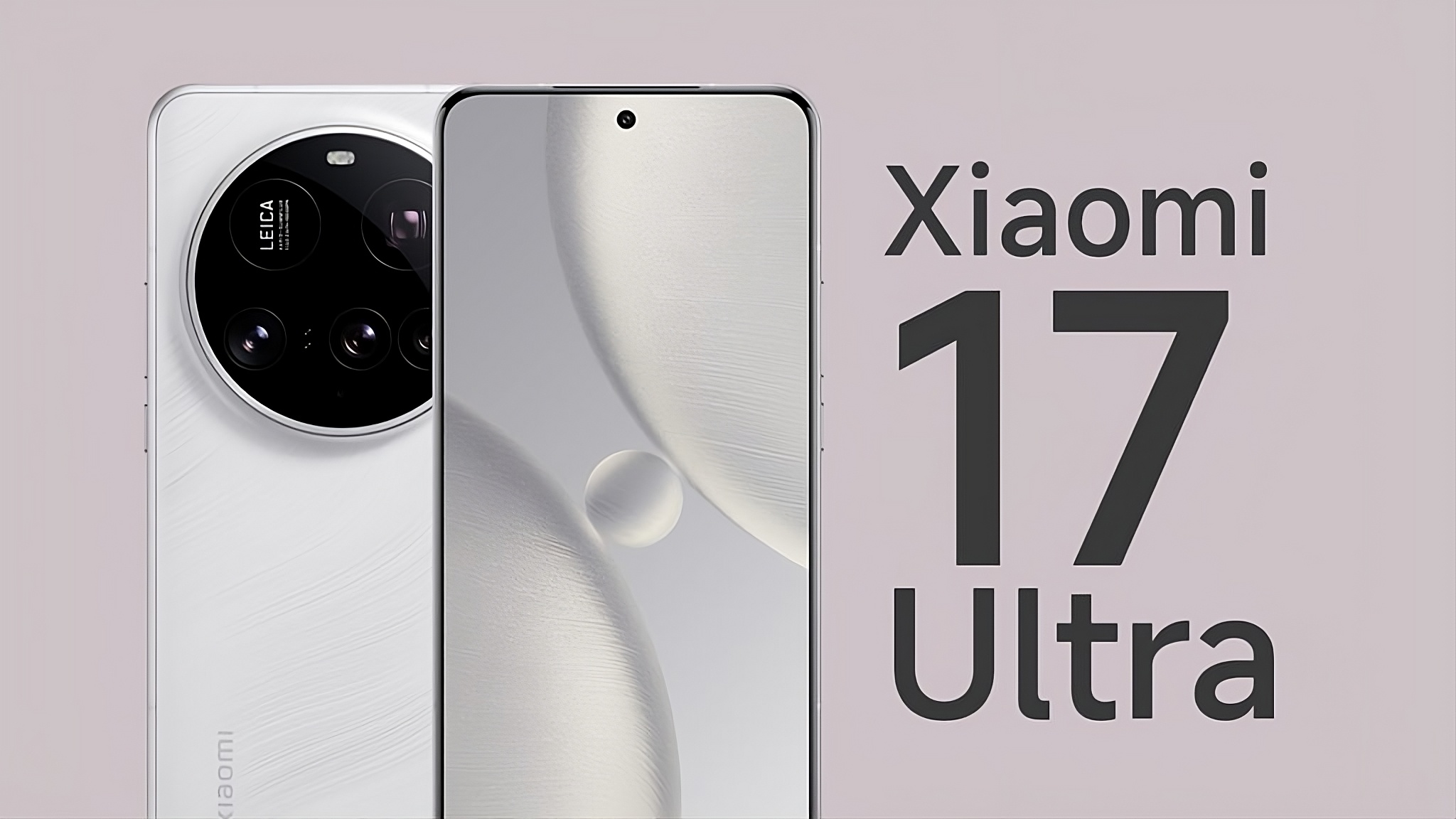
New Xiaomi 17 Ultra Promises to Be the Most Powerful Smartphone from the Brand in 2026, with Next-Gen Snapdragon Chip, Giant Battery, and Extreme Performance.
The year 2026 promises to mark a turning point in Xiaomi’s strategy in the premium segment. After years competing with Samsung, Apple, and other giants, the Chinese company is preparing a clear move: to concentrate the maximum amount of technology, performance, and innovation into a single model. That model is the Xiaomi 17 Ultra, pointed out as the most powerful smartphone ever developed by the brand.
More than just an incremental evolution, the device emerges as an explicit attempt to redefine the performance ceiling within the Android ecosystem, combining next-gen chip, above-average market battery, advanced thermal architecture, and deep integration between hardware and software.
Xiaomi 17 Ultra and the Bet on Absolute Performance in 2026
The Ultra line has always represented the technological pinnacle of Xiaomi, but in the 2026 cycle, this proposition takes on even more weight. Unlike previous generations, where the focus was divided between design, cameras, and experimental features, the Xiaomi 17 Ultra is born with a clear priority: raw performance and extreme stability.
-
The Himalayas continue to grow to this day, with tectonic plates advancing 5 cm per year, mountains rising up to 10 mm annually, and the 2015 earthquake that killed 9,000 people may have increased the risk of an even larger seismic mega-event.

-
At an altitude of 400 km by astronauts from the International Space Station, Paris transforms at night into a golden mesh so precise that it reveals the outline of the Seine River, avenues, and entire neighborhoods like a luminous map drawn over the Earth.

-
iPhone 17 reaches historic low price with 256 GB, 120 Hz display, and drops to R$ 5,703 on Shopee, featuring A19 chip, dual 48 MP cameras, battery life of up to 30 hours, and advanced AI features.

-
Trip to Mars getting closer: Pulsar Fusion, from the UK, advances with plasma ignition in fusion engine and could drastically reduce space travel time, making crewed missions faster, safer, and economically viable.




The goal is to deliver a smartphone capable of maintaining maximum performance for long periods, which is essential for heavy gaming, high-resolution recording, embedded artificial intelligence, and advanced multitasking. This shift directly addresses the recurring criticisms of overheating and performance drop in top-tier models in the Android market.
Next-Gen Snapdragon Places the Xiaomi 17 Ultra at the Top of Android
The heart of the Xiaomi 17 Ultra will be the next-gen Snapdragon 8 Elite, a processor expected to lead the Android market in 2026. Manufactured with even more advanced lithography, the chip promises significant gains in three main fronts: computational power, energy efficiency, and AI processing.
In practice, this means a substantial leap in benchmarks, but also in real use. Demanding games running with stable frame rates, lower energy consumption in complex tasks, and greater capacity to handle AI resources directly on the device, without relying heavily on the cloud.
Xiaomi intends to explore this chip to the fullest, adjusting the operating system and thermal controllers to extract sustained performance, not just momentary peaks.
Giant Battery and Focus on Real Usage Autonomy
Another central pillar of the Xiaomi 17 Ultra is the high-capacity battery, which should comfortably exceed the current standard for premium smartphones. Preliminary information points to values close to or exceeding 7,000 mAh, something uncommon in high-performance devices.

More important than the number, however, is the proposal behind it. Xiaomi seeks to resolve a historical dilemma of flagships: lots of power but limited autonomy.
By combining a large battery, a more efficient chip, and refined energy management, the 17 Ultra promises to deliver real autonomy for an entire day of intense use, even in gaming, video recording, and continuous browsing scenarios.
The model is also expected to feature ultra-fast charging, maintaining the brand’s tradition in this segment, although the company has been signaling a greater balance between speed and battery life preservation.
Advanced Thermal System to Maintain Power Without Drops
Extreme performance only makes sense if it can be maintained. Therefore, the Xiaomi 17 Ultra is expected to bring one of the most advanced thermal dissipation systems ever used by the brand. The combination of enlarged vapor chambers, high thermal conductivity materials, and intelligent sensors that adjust processor load distribution in real time is anticipated.
This set is essential to avoid thermal throttling, an issue that directly impacts the user experience in powerful smartphones. The proposal is simple but ambitious: to maintain maximum performance for longer, even under heavy load, something that few devices can achieve consistently.
Elite Hardware Combined with More Refined Software
In addition to the hardware, Xiaomi is working to align the 17 Ultra with a more mature software experience. The HyperOS interface is set to receive specific optimizations for the model, focusing on fluidity, immediate response, and better utilization of the Snapdragon chip’s resources.
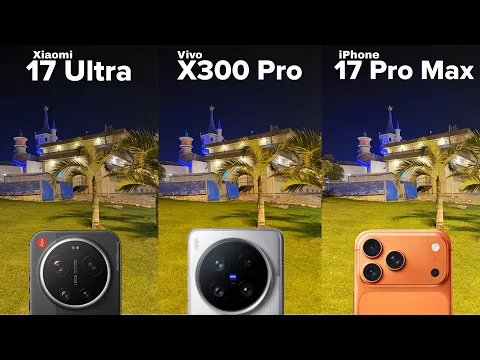
The integration between hardware and software is seen as essential to compete on equal terms with rivals who traditionally dominate this aspect, such as Apple. In the Xiaomi 17 Ultra, this integration will not only be a differentiator but a necessity to sustain the proposal of being the “most powerful smartphone from the brand.”
Advanced Cameras, But Without Stealing the Focus from Performance
Although photography continues to be a strong point of the Ultra line, in the Xiaomi 17 Ultra it emerges as a complement, not as a protagonist. The device is expected to feature ultra-high-resolution sensors, highlighting periscopic lenses and advanced zoom features, but without compromising the thermal and energy balance of the set.
The idea is to offer a premium-level camera system capable of competing at the top of the market, without sacrificing performance, autonomy, or stability — a common mistake in smartphones that try to do everything at once.
Xiaomi 17 Ultra as a Direct Response to Competition in 2026
The launch of the Xiaomi 17 Ultra occurs at a strategic moment. In 2026, the premium market will be even more competitive, with new generations of Galaxy S, iPhones, and other Android flagships. By betting on extreme power, Xiaomi signals that it does not intend to merely keep up with the competition, but to compete directly for the title of most powerful Android smartphone of the year.
This strategy could reposition the brand definitively in the ultra premium segment, especially among users who prioritize performance, autonomy, and cutting-edge technology above any other factor.
What the Xiaomi 17 Ultra Represents for the Future of the Brand
More than just a simple launch, the Xiaomi 17 Ultra represents a declaration of intentions. It shows that the company is willing to invest heavily in engineering, integration, and innovation to elevate its global standing.
If the promises come true, the model will not only be the most powerful smartphone ever created by Xiaomi but also a milestone in the evolution of the brand, paving the way for a new generation of Android devices focused on real performance, not just marketing numbers.










-

-

6 pessoas reagiram a isso.