





 Portuguese
  English
  Spanish
  3 min of reading
  1 comment


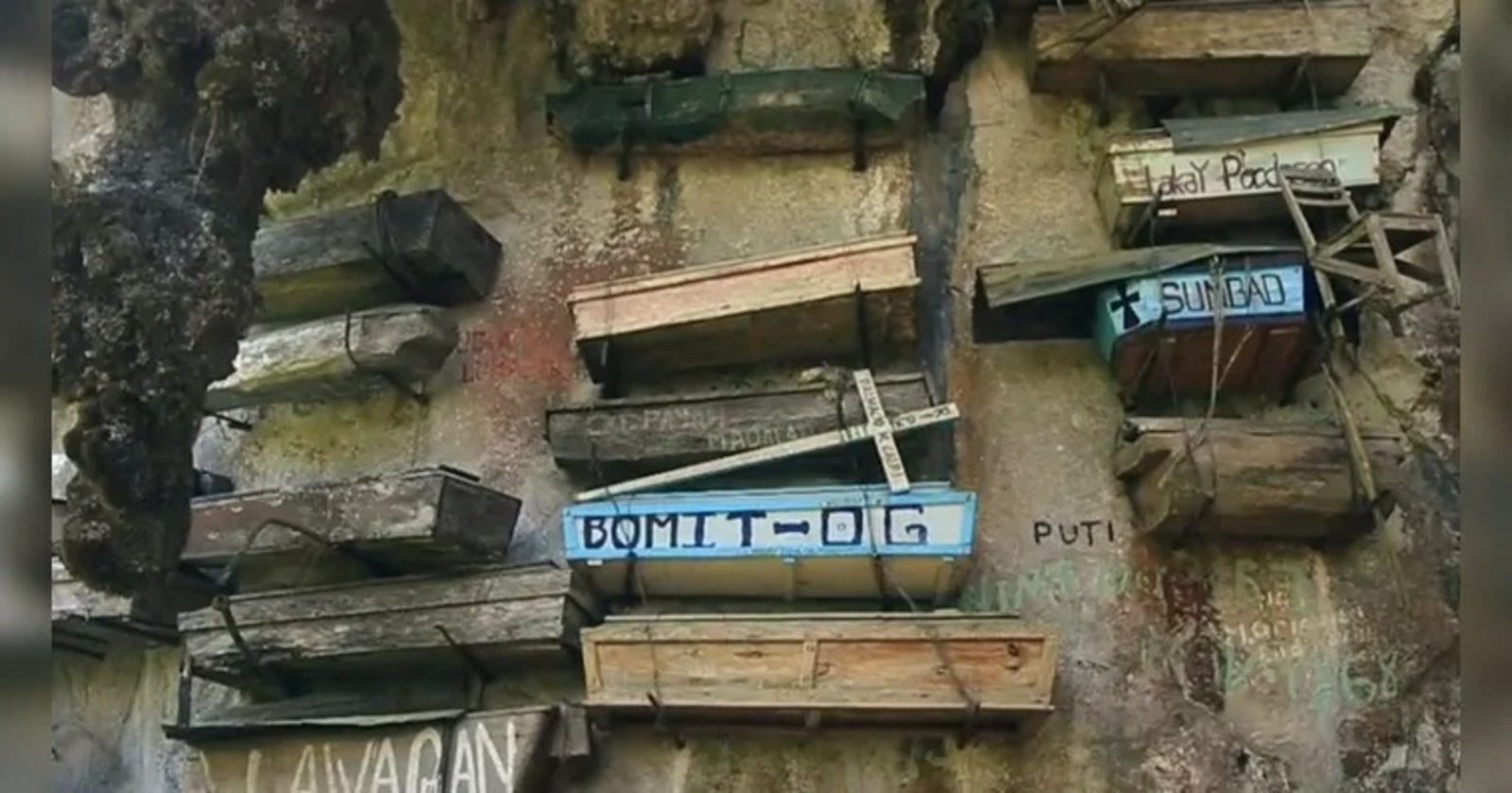


New Genomic Analysis Confirms Direct Link Between Contemporary Bo Communities and the Groups That Built Hanging Coffins Over a Thousand Years Ago, Clarifying Cultural Origins
Scientists announced a discovery that helps clarify an ancient funeral practice. Researchers identified, based on genomic evidence, a direct link between contemporary members of the Bo people and the communities that performed the “hanging coffins” over a thousand years ago.
This relationship was confirmed because the DNA of individuals found in archaeological sites was compared to that of current Bo and showed genetic continuity.
The revelation is considered significant, reinforcing that cultural traditions can span centuries even amidst historical persecutions. Additionally, the finding helps reconstruct population movements in the region.
-
An engineer designs a solar plane to fly on Mars at an altitude of 1,000 meters and a speed of 300 km/h, covering 16,000 kilometers in a Martian year, 900 times the distance traveled by the Ingenuity helicopter in three years on the planet before experiencing a rotor failure, and NASA is already funding the feasibility study.

-
A new phenomenon of contactless magnetic friction intrigues scientists and questions a theory that has been valid since the 17th century.

-
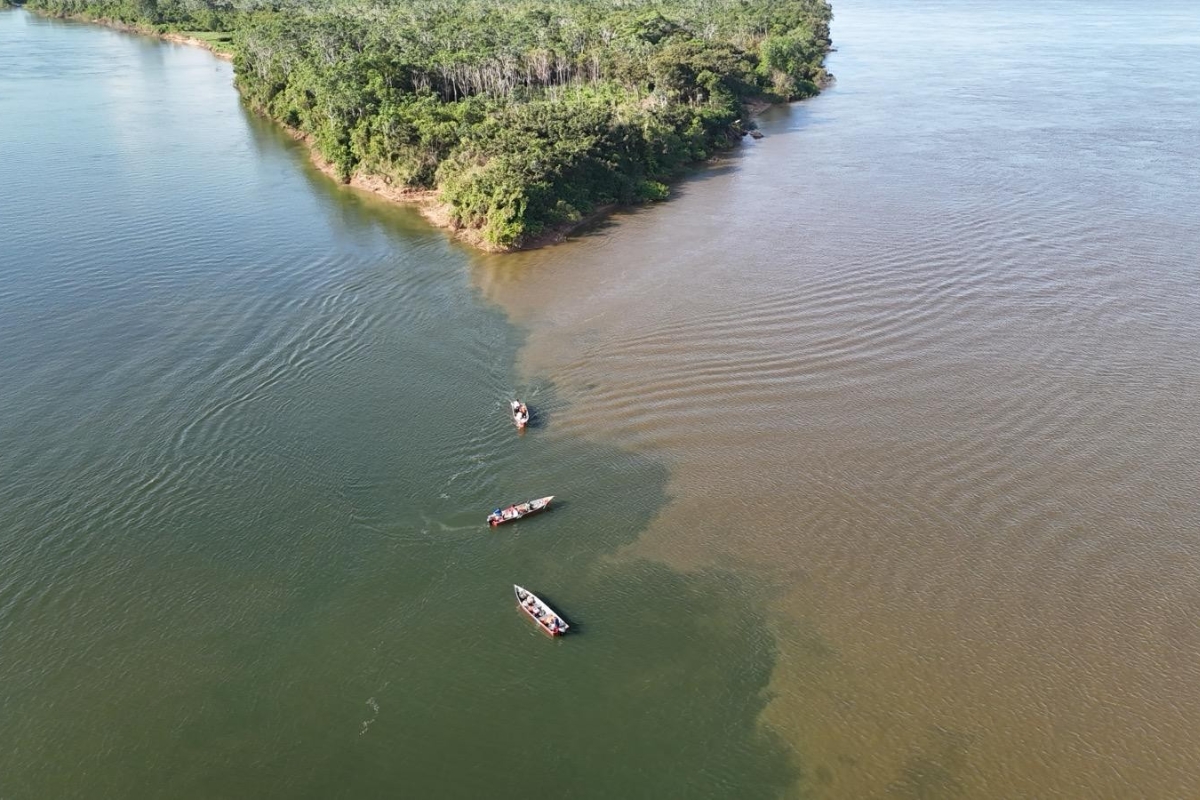
An impressive phenomenon in Northern Brazil causes rivers of different colors to flow side by side, revealing secrets about sediments, currents, and biodiversity.
-
While many schools are still struggling with the basics, a teacher in China went viral for having elementary school students build a two-stage rocket using plastic bottles, water, and pressurized air in a science class that caught the attention of the entire world.


How Hanging Coffins Worked
The hanging coffins were placed on cliffs or in caves. The coffins were secured to rocky outcrops or supported on beams installed in the mountain wall.
This practice has always been associated with the Bo people and other groups from southwestern China, but many details have remained obscure.
The reason for this uncertainty was simple: the Bo were considered extinct after persecutions during the Ming dynasty, which made it difficult to link current communities to ancient practices. It was a tradition marked by complex techniques.
The Power of Genetic Evidence
The study analyzed genetic material from 11 ancient individuals from four different archaeological sites. It also included 30 genomes from contemporary Bo.
The results indicate that current Bo have inherited a large part of the ancestry from the groups responsible for the burials.
This continuity over so many centuries surprised scientists because it is rarely possible to document such ancient lineages associated with customs preserved by marginalized populations. The data further reinforces the cultural survival of the Bo.
Comparisons with Other Regions
Beyond southwestern China, burial practices in cliffs also appear in other parts of Asia. Peoples from Southeast Asia and Pacific islands follow similar traditions.
Therefore, researchers compared genomes and identified connections with Neolithic coastal ancestries from Southeast Asia.
This suggests that there were ancient migrations and cultural exchanges between distant groups. The contact networks were more complex than previously thought.
Genetic Diversity Among Practitioners
The samples dated to about 1,200 years ago reveal high diversity among the ancient practitioners of the hanging coffins.
Some lineages connect to agricultural groups from northern China. Others point to populations from Northeast Asia.
This data confirms that there was regional circulation of people. It is evidence of broad population mobility.
Reconstructing Ancient Trajectories
For researchers, crossing genetic material with archaeological finds allows for the understanding of how funeral practices emerged, changed, or remained over time.
The persistence of the Bo lineage shows that deeply rooted traditions can survive even after persecutions and displacements.
This is an important advancement because it combines genetics and archaeology to explain cultural practices. It also highlights the historical resilience of descendants.
A Tradition That Spanned Centuries
The discovery clarifies the origin of an ancient custom and helps illuminate little-known aspects of human diversity in Asia.
The “heavenly burials” now have an identified lineage and a documented genetic history.
The study reinforces that millennia-old traditions hold living signs of populations that faced transformations, moved forward, and maintained a significant part of their identity.
With information from Aventuras na História.







Olá Romário , em Santana do livramento RS também se cruza a fronteira a pé a divisa é uma avenida. Um abraço!