





 Portuguese
  English
  Spanish
  5 min of reading
  0 comments


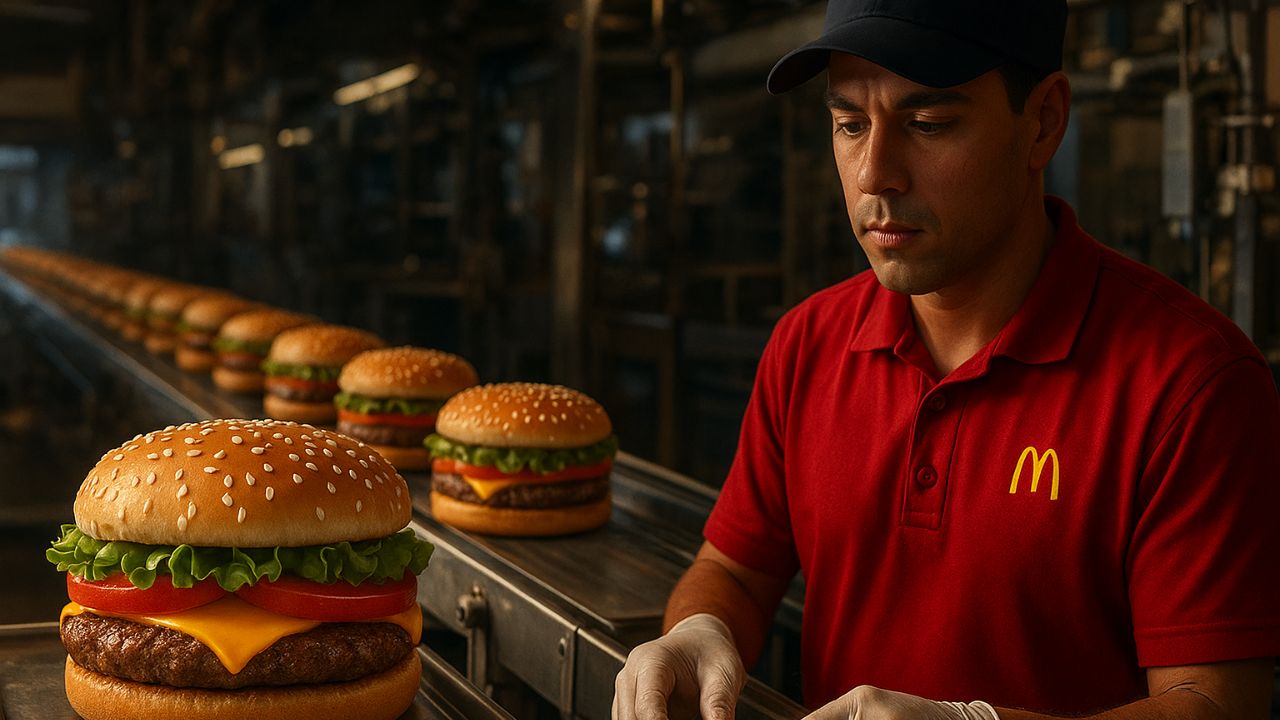
A Deep Dive into War Logistics, The Economic Numbers That Rival Nations, and The Global Impact of The Network That Sells 75 Burgers Per Second.
Imagine an entire nation, larger than France or the United Kingdom, deciding to have lunch in the same place every day. This is the statistical reality of McDonald’s. The corporation is not just a restaurant chain; it is a “nation-state” of convenience that operates a logistical triad capable of serving between 68 and 70 million customers every 24 hours. According to UN demographic data compiled by Worldometer, with the global population estimated at 8.2 billion people by 2025, this daily traffic confirms an impressive fact: nearly 1% of humanity passes through a counter or drive-thru of the brand every day.
This omnipresence transforms McDonald’s into a case study of extreme efficiency and global standardization. It is not just about selling food, but about maintaining a continuous supply flow that spans 119 countries. Systemwide sales exceed the mark of US$ 130 billion annually, a financial volume that places the chain on the same economic level as the GDP of countries like Ecuador or Kenya. To sustain this operation, the company needs to function like a Swiss watch on an industrial scale, challenging the conventional laws of kitchen and inventory management.
The Human Geography of Mass Consumption
To understand the magnitude of McDonald’s, it is essential to look at the mathematics behind the habit. The assertion of “1%” is not a marketing abstraction but a demographic reality. By cross-referencing the company’s traffic data with Worldometer‘s population estimates, we arrive at a market penetration of approximately 0.85% to 0.86% of the global population daily. Rounding up to 1% is statistically defensible and illustrates a sociological phenomenon: the commercialized food dependency on a global scale.
-
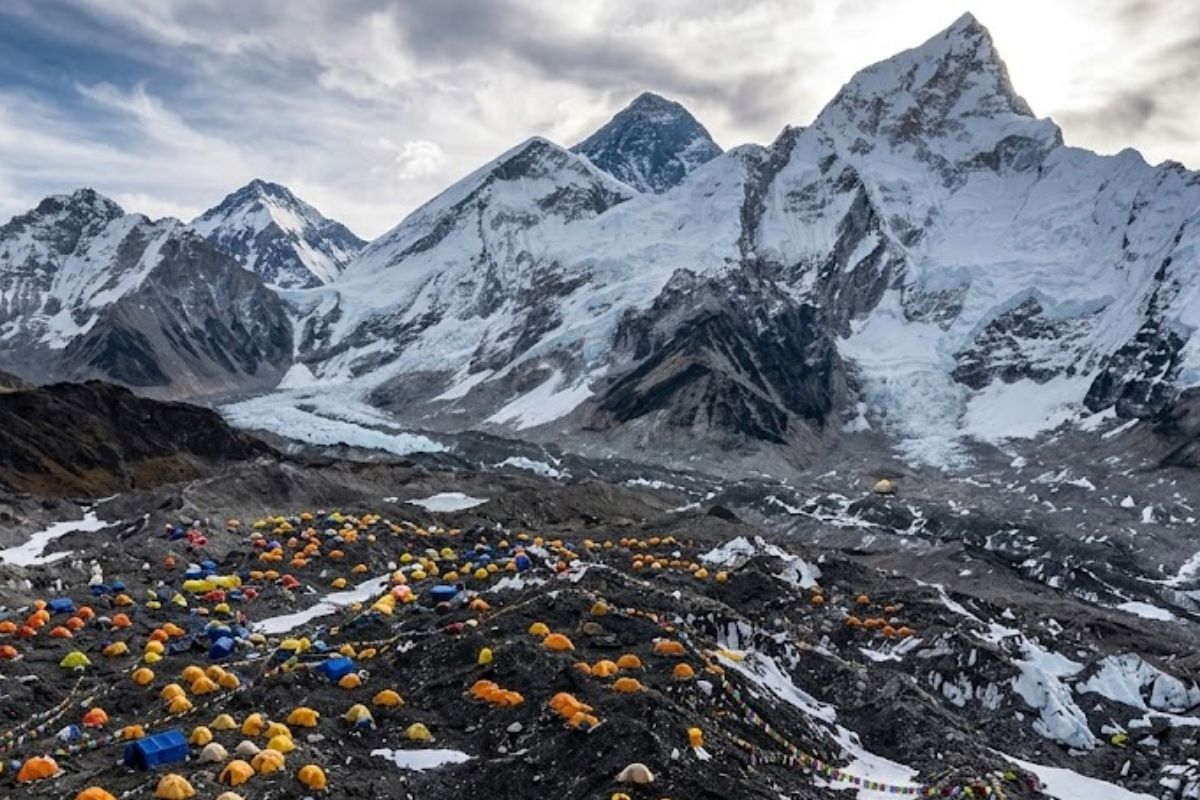
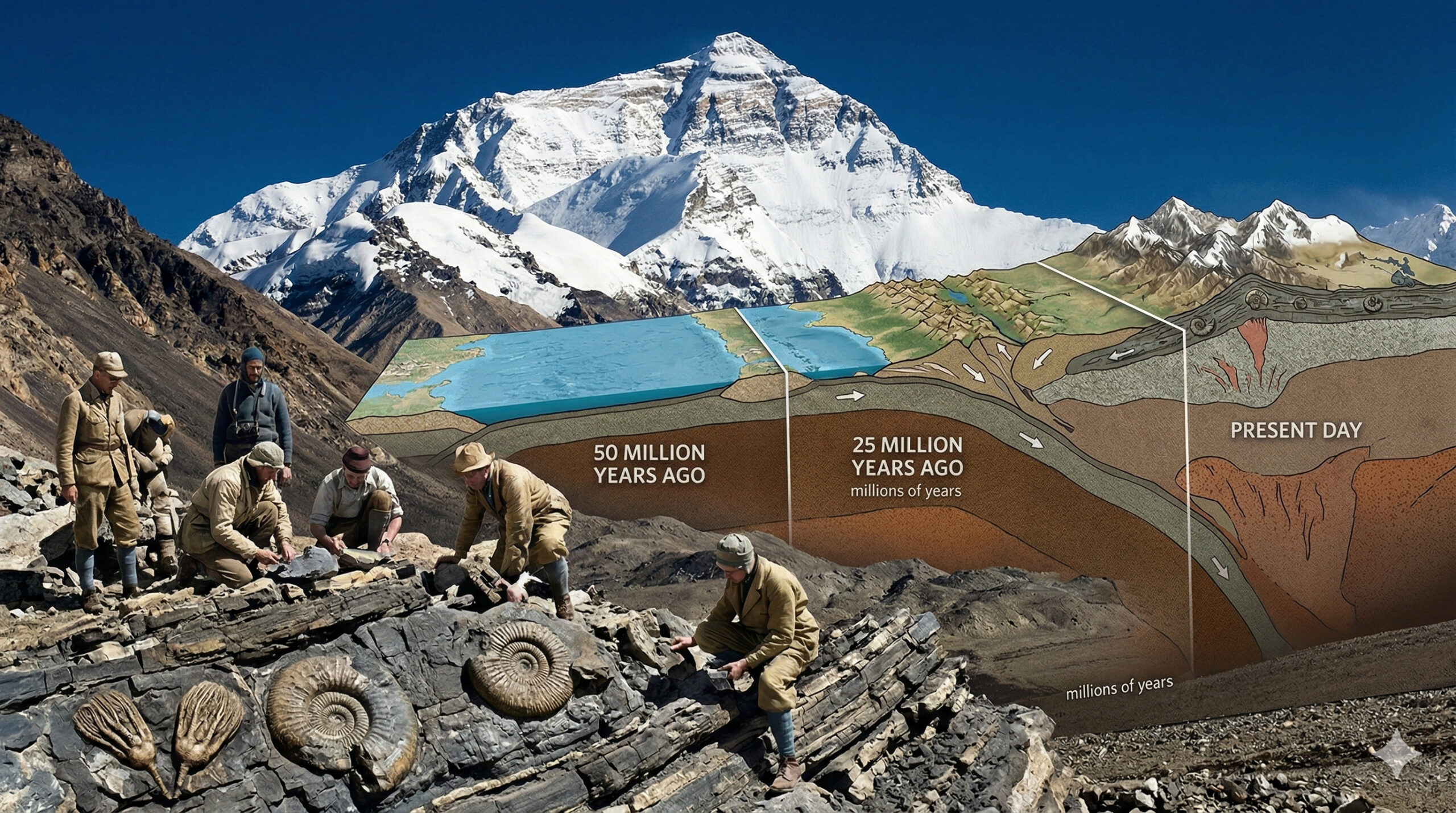
Tourists on Everest were poisoned by guides who mixed substances in food to provoke false symptoms of altitude sickness while helicopter operators and hospitals charged inflated rescue fees to insurance companies.
-
Few people know this, but Neil Armstrong, one of the most famous NASA astronauts in history, survived the Korean War after jumping from the plane during his seventh combat mission aboard the USS Essex aircraft carrier of the United States.

-
Diving with a camera in Lake Furnas reveals a submerged city with an entire street, almost intact houses, a preserved bridge, a wood stove, a Kombi, and even a bus at the bottom of the largest lake in the Southeast.

-
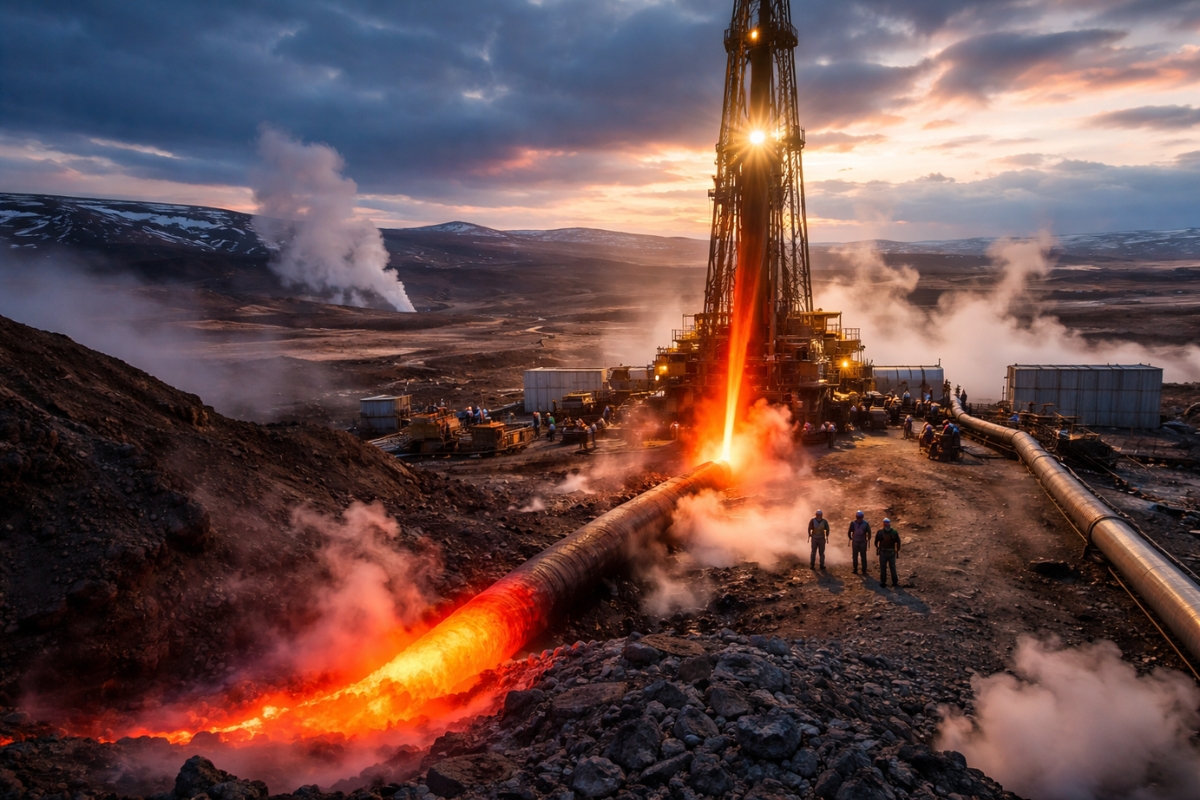
Iceland accidentally drilled into a magma pocket at 2,100 meters and revealed that the extreme heat beneath the crust could pave the way for a new source of continuous energy.

Geographically, these 70 million customers are not evenly distributed. While the United States maintains leadership with over 13,500 locations, the growth axis has shifted to Asia, with China operating almost 7,000 restaurants. This means that the “1%” statistic is increasingly composed of an emerging global middle class. The logistical operation to feed this human mass demands that the network functions flawlessly across distinct time zones, maintaining the same flavor and food safety, whether in Tokyo, Paris, or São Paulo.
The Second Economy: Speed Challenges Physics
The volume of customers dictates an operational speed that borders on the incredible. Market analyses cited by Investing.com (via Tasting Table) indicate that McDonald’s sells about 75 burgers per second. This translates to 4,500 units per minute or an impressive 6.48 million sandwiches per day. This metric, known as the “Per Second” Economy, is the pulsating heart of the chain’s profitability and the reason why its production system, the “Speedee Service System”, revolutionized the industry.
To maintain this rate of 75 burgers per second, the supply chain cannot afford to fail. The business model relies on a “always full” pipeline. A disruption of just a few hours at a regional distribution center would cause a domino effect, resulting in immediate stock shortages at hundreds of restaurants. In addition to sandwiches, the volume of french fries is equally colossal: it is estimated that the chain sells the equivalent weight of 4.5 Empire State Buildings of potatoes annually, shaping global agronomy and requiring specific varieties of tubers to ensure standardization.
The Real Estate Model Behind the Burger

Many financial analysts argue that McDonald’s is, in fact, a real estate company that sells burgers to pay for the rent. This simplified view hides a sophisticated capital strategy. About 95% of the restaurants are run by franchisees. In this model, the corporation usually owns the property or long-term lease, charging rent and royalties on sales. This isolates the parent company from daily volatility in food and labor costs, ensuring a predictable cash flow.
If the “McDonald’s System” were a country, its US$ 130 billion GDP would rank it among the 60th and 65th largest economies in the world. This impact generates a profound “multiplier effect”. In the United States, the system supports over 1 million jobs and contributes billions in taxes. The financial health of the chain, therefore, is not just a corporate issue, but of fiscal interest for local governments, financing infrastructure and public services through the tax revenue generated by each sale.
The Digital Future and The Sustainability of The System
Looking to the future, the challenge of feeding 1% of humanity is migrating from the physical counter to the digital environment. The brand’s loyalty program already boasts over 150 million active users, generating digital sales in the realm of US$ 30 billion. The “Accelerating the Arches” strategy focuses on total digitalization, allowing McDonald’s to accurately predict demand with algorithmic precision and ease the pressure on its kitchens through pre-orders and deliveries, which in some markets already account for over 10% of revenue.
However, this scale comes at an environmental cost. With a supply chain based on beef, McDonald’s faces the monumental challenge of reducing its Scope 3 emissions (those generated by suppliers). The company has committed to Net Zero by 2050, investing in regenerative agriculture and sustainable packaging. The big question remains: is it possible to reconcile continuous growth and the sale of billions of burgers with global climate goals? The success or failure of this adaptation will dictate the brand’s relevance in the coming decades.
The operational scale of McDonald’s is undeniable, but the shift to digital and environmental pressure are redefining fast food. Do you believe that quality is maintained with this speed of 75 burgers per second or is excessive standardization killing the experience? Leave your opinion in the comments, we want to hear from those who live this reality as consumers or employees.




Seja o primeiro a reagir!