





 Portuguese
  English
  Spanish
  8 min of reading
  0 comments


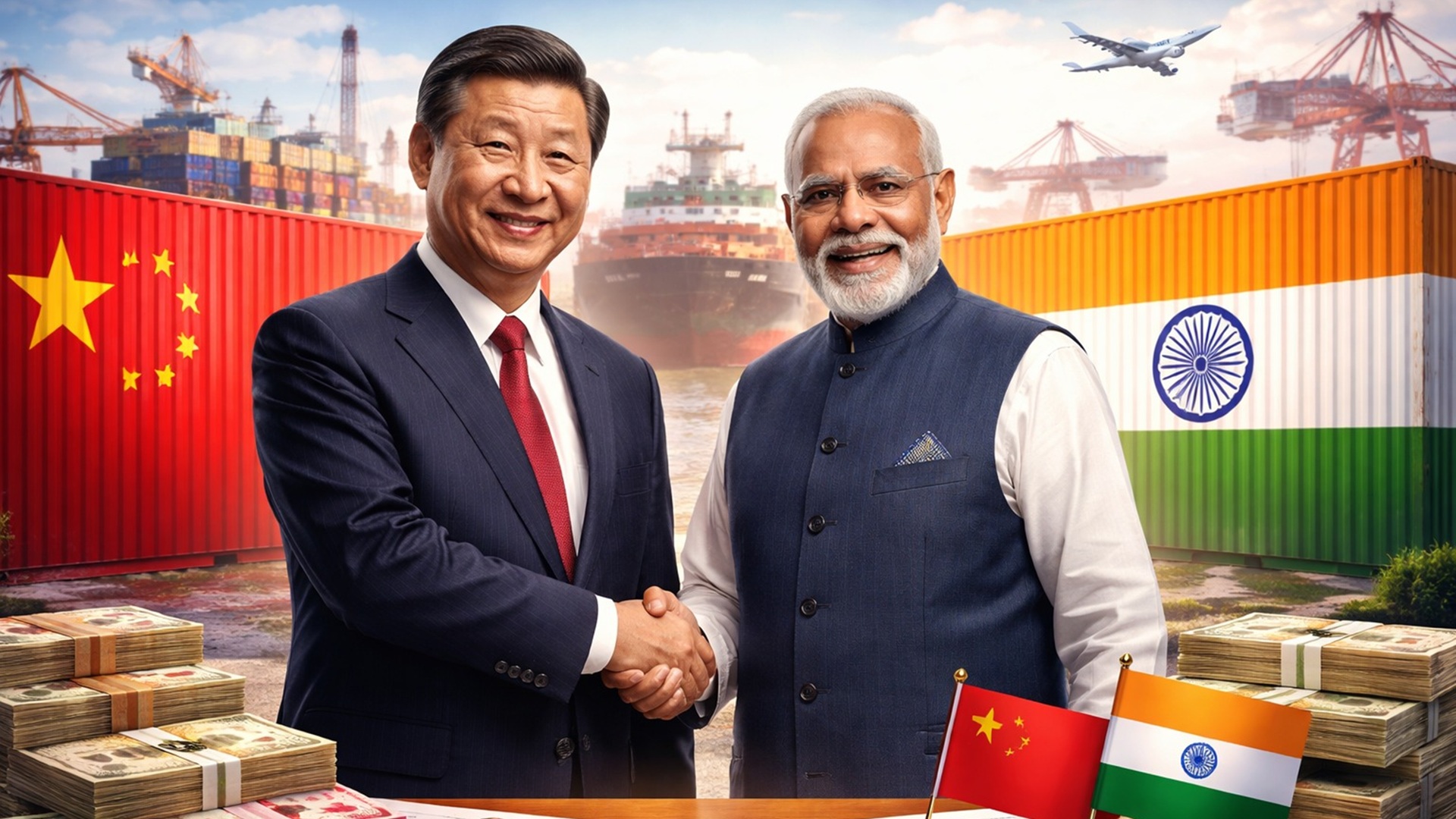
The Tariff Policy Adopted By President Donald Trump In Recent Months Changed The Flow Of International Trade, Stimulating A Race For Bilateral Agreements Outside The United States And Leading China And India To Sign A Record Number Of Treaties With Europe, Canada, The United Kingdom, And Other Strategic Partners.
The European Union and India announced on Tuesday a historic free trade agreement, concluded after almost two decades of negotiations, which reduces tariffs in dozens of sectors, expands access to markets that account for 25% of global GDP, and reflects changes brought about by the tariff policy of the United States.
EU-India Agreement Ends Two Decades Of Negotiations And Redefines Market Access
The European Union and India announced a free trade agreement considered historic by its leaders, after almost 20 years of intermittent negotiations.
The two economies together account for about a quarter of the world’s population, in addition to representing approximately 25% of global GDP and about a third of global trade.
-
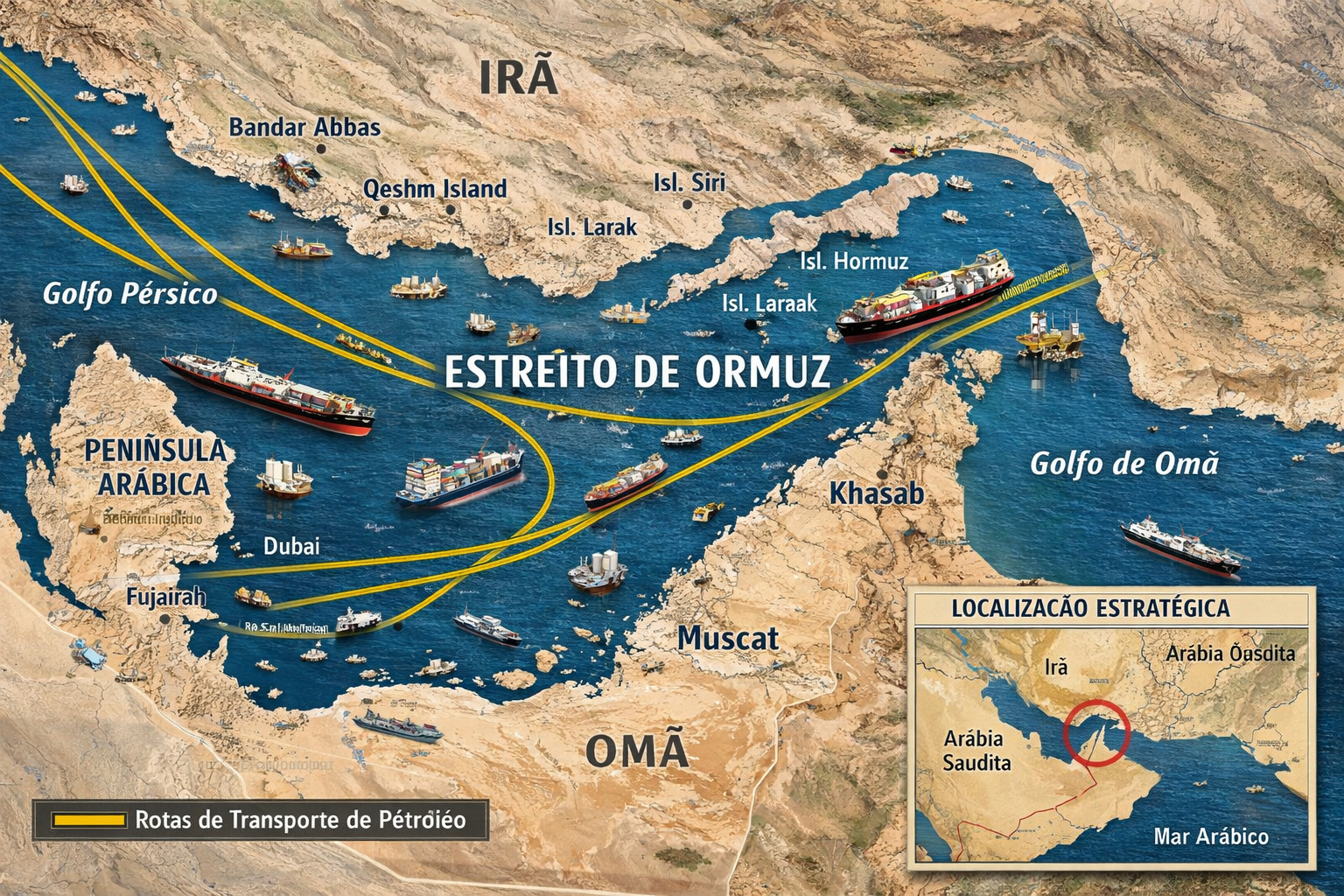
Global summit with over 40 countries pressures Iran for a blockade in the Strait of Hormuz and warns of direct impact on oil, food, and the global economy.
-
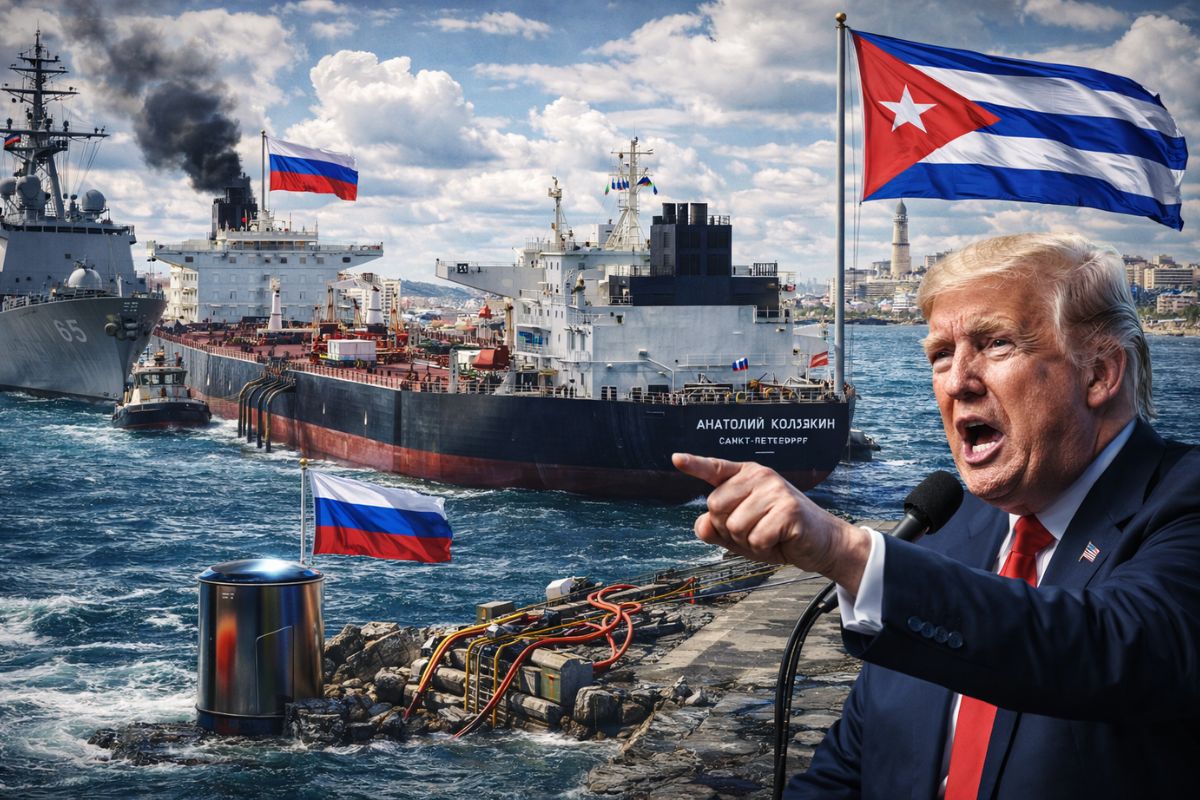
Russia has broken the U.S. maritime blockade to send oil to Cuba and is now loading a second ship while Trump says that “Cuba is next” in a possible military action against the island.
-
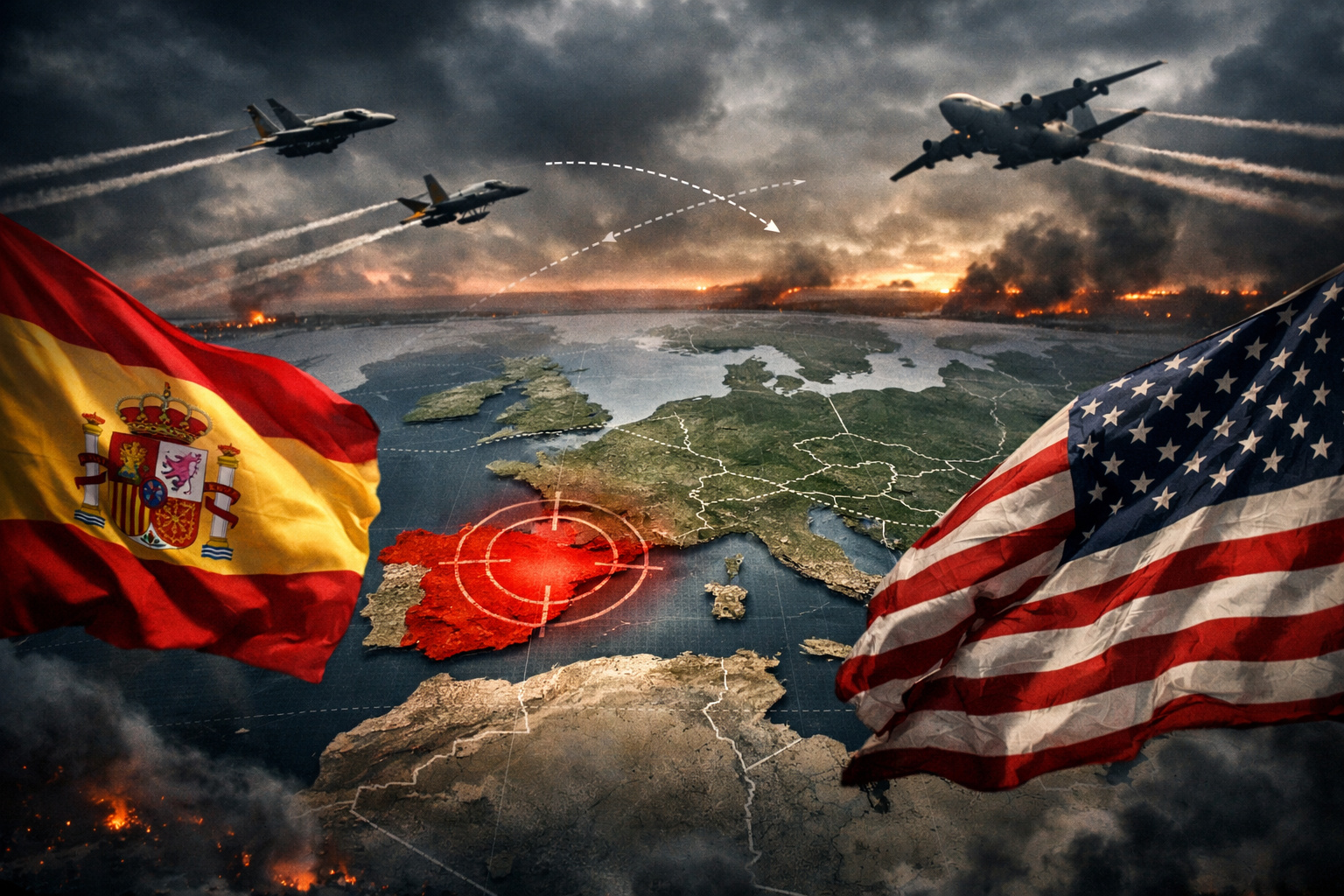
Spain challenges the USA and closes its airspace for operations against Iran, raising global tension and provoking the threat of a trade rupture.
-
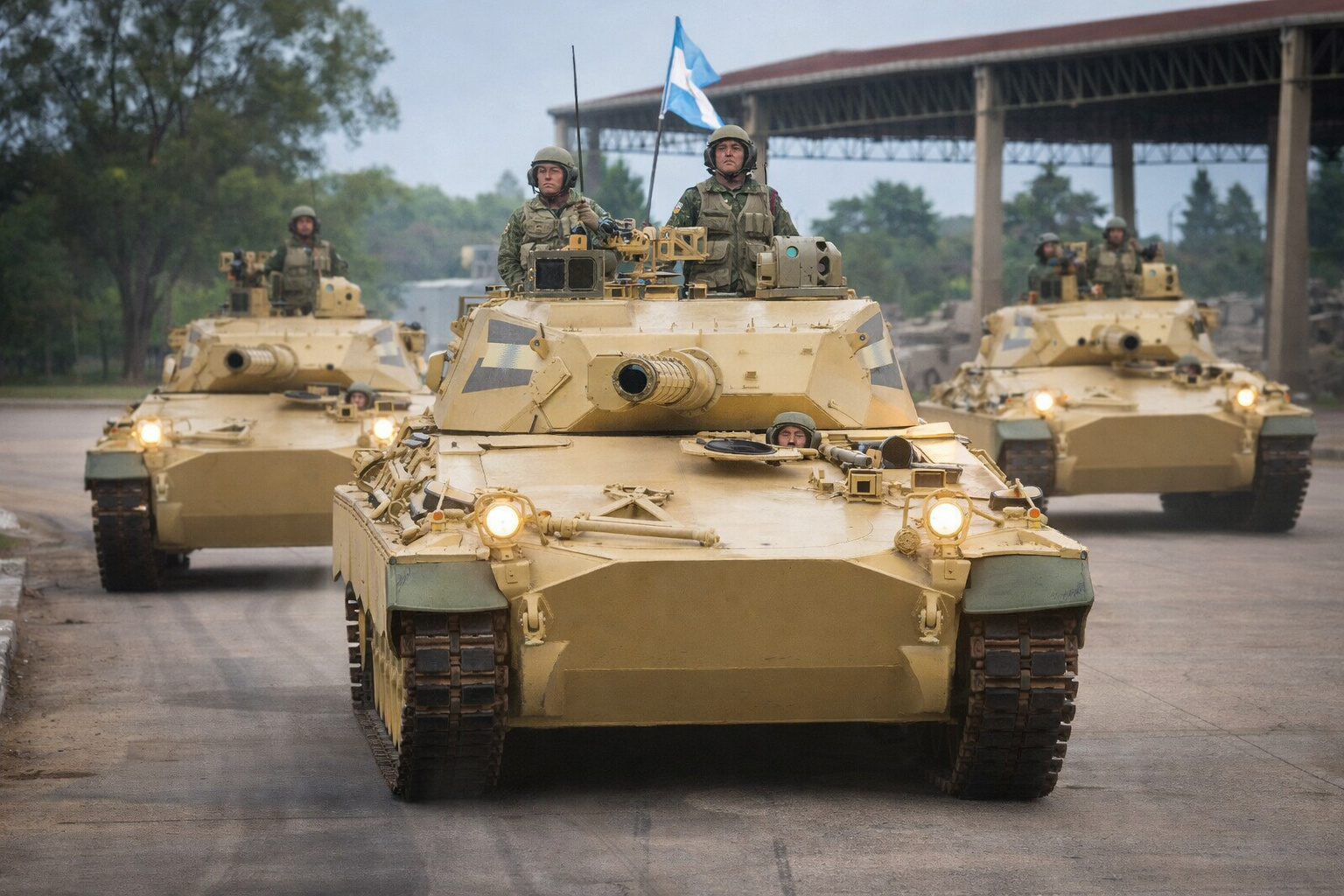
While no other country manufactures tanks in Latin America, Argentina activates the TAM 2C-A2 and raises a curiosity about the technological lag in the region.
The understanding was presented as a direct response to recent transformations in international trade, especially the rise in tariffs and unpredictability in trade relations with the United States over the past year. Statements from European leaders indicate that this context accelerated the conclusion of the agreement.
The pact will allow free trade in goods between India and the 27 countries that make up the European Union, after formal approval by the European Parliament and by the member states of the bloc. The definitive signing is expected to take place later this year.
Tariff Reduction Hits Key Sectors And Benefits European Industry And Indian Exporters
The agreement provides for a reduction of tariffs on a wide range of products. Among the items covered are textiles, clothing, leather, footwear, precious stones and jewelry, handicrafts, engineering goods, and automobiles. On the Indian side, there will also be a reduction in tariffs on wine, beer, and olive oil imported from the European Union.
One of the most relevant points concerns the European automotive sector. Current Indian tariffs on vehicles imported from the bloc, which reach up to 110%, will be reduced to 10%. This measure represents a significant change for the EU automotive industry.
According to the leaders of both parties, the agreement guarantees unprecedented preferential access to each economy’s product markets. The declared goal is to expand trade flows and create new opportunities for companies on both sides.
Bilateral trade between the European Union and India was valued at about US$ 137 billion for the period 2024-25.
In the same timeframe, bilateral trade between the United States and India totaled approximately US$ 132 billion, according to data cited in the Indian government’s statement.
Modi And European Leaders Highlight Economic And Political Impact Of The Agreement
Indian Prime Minister Narendra Modi described the agreement as “historic” and stated that it will deepen economic ties, create new opportunities, and strengthen the partnership between what he called “the two largest democracies in the world.”
Modi emphasized that the pact will facilitate access for Indian farmers and small businesses to European markets, as well as boost the manufacturing and services sectors in the country. His statements were made during the ceremony announcing the agreement held in New Delhi.
The President of the European Commission, Ursula von der Leyen, stated that the agreement represents “the most important agreement of all time.” According to her, the conclusion of the negotiations sends a clear message about the preference for trade cooperation in a global environment marked by tensions.
The President of the European Council, António Costa, also highlighted the political nature of the agreement. Without directly mentioning the President of the United States, he stated that the pact sends a message to the world that India and the European Union believe more in trade agreements than in tariffs.
Professional Mobility Integrates Package And Expands Cooperation Beyond Goods
In addition to the liberalization of trade in goods, the European Union and India agreed to establish a framework for mobility.
The mechanism will facilitate travel and work restrictions for skilled professionals, expanding economic cooperation beyond the exchange of goods.
The mobility agreement was presented as part of a broader effort to deepen the strategic partnership between the two economies. According to the leaders, the initiative is expected to benefit the services sectors and strengthen the integration of supply chains.
The inclusion of this component reflects the recognition that the economic relationship between the EU and India goes beyond traditional trade, also involving the flow of talent and technical cooperation in areas considered strategic.
U.S. Tariff Pressure Accelerates Global Race For Bilateral Agreements
The announcement of the agreement comes at a time of intensified bilateral negotiations in various parts of the world. Several economies are seeking to reduce their dependence on the North American market, given the rising tariffs and unpredictability in the trade policies of the United States.
Over the past year, doing business with the U.S. has become, in many cases, more expensive and less predictable. This scenario has led countries to seek alternatives to ensure access to markets and stability in supply chains.
European leaders indicated that the tariff policy adopted by President Trump contributed to accelerating the EU and India towards a final agreement, after years of negotiations without conclusion.
United Kingdom Resumes Dialogue With China Amid Global Instability
In another move influenced by the same context, British Prime Minister Keir Starmer began on Tuesday an official visit to China, the first by a UK leader to the country since 2018. The trip marks an attempt to restore relations that have remained tense.
Before departing for Beijing, Starmer stated that the British approach to China has been marked by inconsistencies over the years. He advocated for a strategic and consistent relationship as part of the UK’s national interest.
Starmer traveled accompanied by a delegation of representatives from major British companies, including HSBC and Jaguar Land Rover. The agenda included meetings with Chinese President Xi Jinping and Prime Minister Li Qiang to discuss trade, investment, and national security.
China Seeks To Expand Partnerships As Countries Evaluate Predictability
According to senior researcher Yu Jie from Chatham House, China also has incentives to strengthen ties with countries like the United Kingdom. He believes that Beijing may see these partners as destinations for investments capable of offering “order and organization” amid the disruption caused by U.S. foreign policy.
The analysis reflects a growing perception that unpredictability in relations with Washington has led countries to reconsider their commercial and diplomatic strategies, seeking alternatives considered more stable in the short term.
This dynamic is not limited to Europe. Other economies have also sought to strengthen ties with China, even as structural concerns about its role in international trade persist.
Canada And China Announce Tariff Reductions In Strategic Sectors
Earlier this month, Canadian Prime Minister Mark Carney visited Beijing, becoming the first Canadian leader to go to China in nearly a decade. During the visit, the two countries announced an agreement to reduce retaliatory tariffs.
The agreement involves products such as canola oil and electric vehicles. Chinese President Xi Jinping described the agreement as a “turning point” in the bilateral relationship, at a time when Canada is seeking to diversify its trade partnerships.
The United States remains Canada’s largest trading partner, but the relationship is under increasing tension due to the tariff policy adopted by President Trump. This tension was indirectly mentioned by Carney during the visit.
Trump’s Response Includes Threat Of 100% Tariffs On Canada
When asked whether China would be a more predictable partner than the United States, Carney stated that the Canadian relationship with the U.S. is deeper and broader but acknowledged that in recent months, interaction with China has been more predictable.
The response prompted an immediate reaction from President Trump. In a post on the Truth Social platform, he threatened to impose 100% tariffs on all Canadian imports if the agreement with China is finalized.
The statement reinforced the perception of volatility associated with U.S. trade policy and fueled debates about its indirect effects on global relations.
Analysts Assess Whether U.S. Tariffs Favor Closer Ties With China
Some analysts believe that the pressure exerted by the United States may be benefiting one of its main economic adversaries. Aleksandar Tomic, an economics professor at Boston College, stated that countries that were previously less friendly to China are moving closer to it due to the unpredictability of the U.S.
According to him, the more difficult it becomes to deal with the United States, the greater the openness to partnerships with China. The assessment was shared in an interview with Reuters.
Derrick Irwin, co-head of intrinsic equities at Allspring Global Investments, stated that China has positioned itself as a reliable and stable trading partner, offering predictability and security in contrast to U.S. uncertainty.
Experts Warn Of Limits To Chinese Reliability
Other experts, however, raise caveats. Patricia Kim, a foreign policy researcher at the Brookings Institution, stated that many countries maintain deep concerns about China’s approach to trade.
Among the points cited are the use of economic coercion, maritime disputes, and unresolved historical issues. For her, while China may seem more pragmatic at the current time, its real behavior has not always been reassuring.
These assessments indicate that the rapprochement with Beijing occurs amid cautions, even when motivated by the search for alternatives to U.S. policies.
Tariffs On India And Europe Expose Persistent Tensions With Washington
Last year, President Trump imposed tariffs of 50% on India, half of which were applied as punishment for the continued imports of Russian oil. The measure came amid intense negotiations about a bilateral trade agreement between the two countries.
U.S. and Indian officials stated that they are close to concluding an agreement, but no date was set due to persistent tension related to New Delhi’s purchases of Russian energy.
Trump also imposed high tariffs on European imports, although he quickly retreated from the threat of imposing even higher rates on the bloc during an impasse involving Greenland.
EU And India Highlight Political Message Of The Agreement Amid Disputes
In this context, European leaders emphasized that the agreement with India demonstrates a bloc open for business. António Costa stated that the understanding sends an important political message to the world by prioritizing agreements over tariffs.
Ursula von der Leyen described the pact as a strong message that cooperation is the best response to global challenges. The statements were made without direct mention of the President of the United States, but in a tone interpreted as critical of recent Washington policies.
In the last seven months, India has also signed trade agreements with the United Kingdom, Oman, and New Zealand. The European Union, in turn, has signed agreements with Mercosur, as well as recent understandings with Indonesia, Mexico, and Switzerland.
U.S. Remains Active In Agreements Despite Perception Of Isolation
Despite the wave of agreements outside Washington, experts say that the United States has not been sidelined. Mark Linscott, former U.S. trade negotiator and advisor to the U.S.-India Strategic Partnership Forum, highlighted that the country has concluded the largest number of trade agreements in the last 12 months.
According to him, many countries remain interested in doing business with the United States, even in the face of perceived tensions and unpredictability in some areas of trade policy.
Linscott also stated that the recent proliferation of agreements has its roots in efforts to diversify trade and ensure more resilient supply chains following the COVID-19 pandemic, when the vulnerability of these global structures became evident.









-

Uma pessoa reagiu a isso.