






 Portuguese
  Spanish


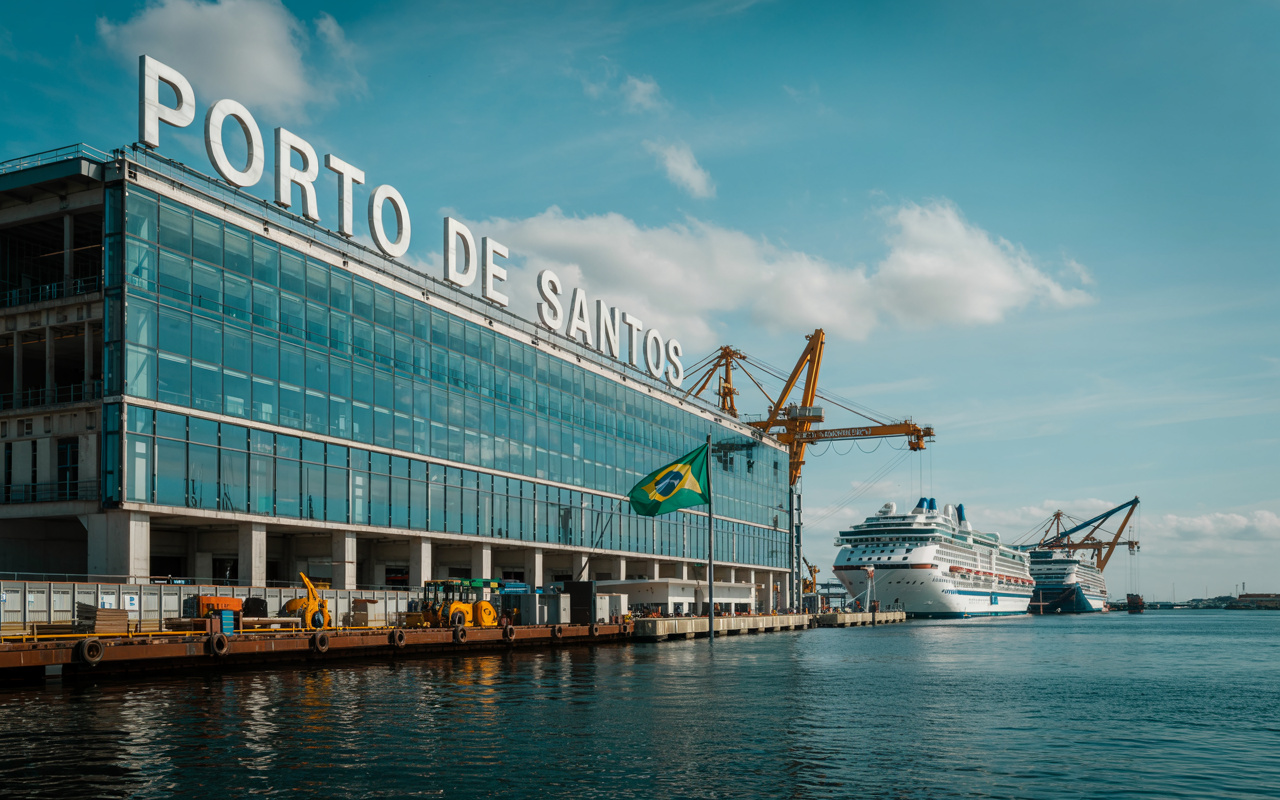
Ministry of Ports and Airports Approves Investment of R$ 1.24 Billion for Construction of Passenger Terminal at the Port of Santos. Project Expected to Generate Thousands of Jobs by 2028.
The Ministry of Ports and Airports (MPor) announced the approval of R$ 1.24 billion in private investments for the construction of a new passenger terminal at the Port of Santos (SP). The project, dubbed Santos + Vivo and led by the company Transbrasa, will transform the largest port in Latin America into a new reference for maritime passenger transportation, with significant impacts on the regional economy.
The new structure will be a Private Use Terminal (TUP), focused exclusively on cruises and other passenger vessels. With cutting-edge technology, enhanced security, and increased capacity, the terminal is expected to be operational by 2028, following a 36-month construction schedule.
In addition to modernizing the sector, the venture is expected to generate thousands of direct and indirect jobs, both during construction and in future operations.
-
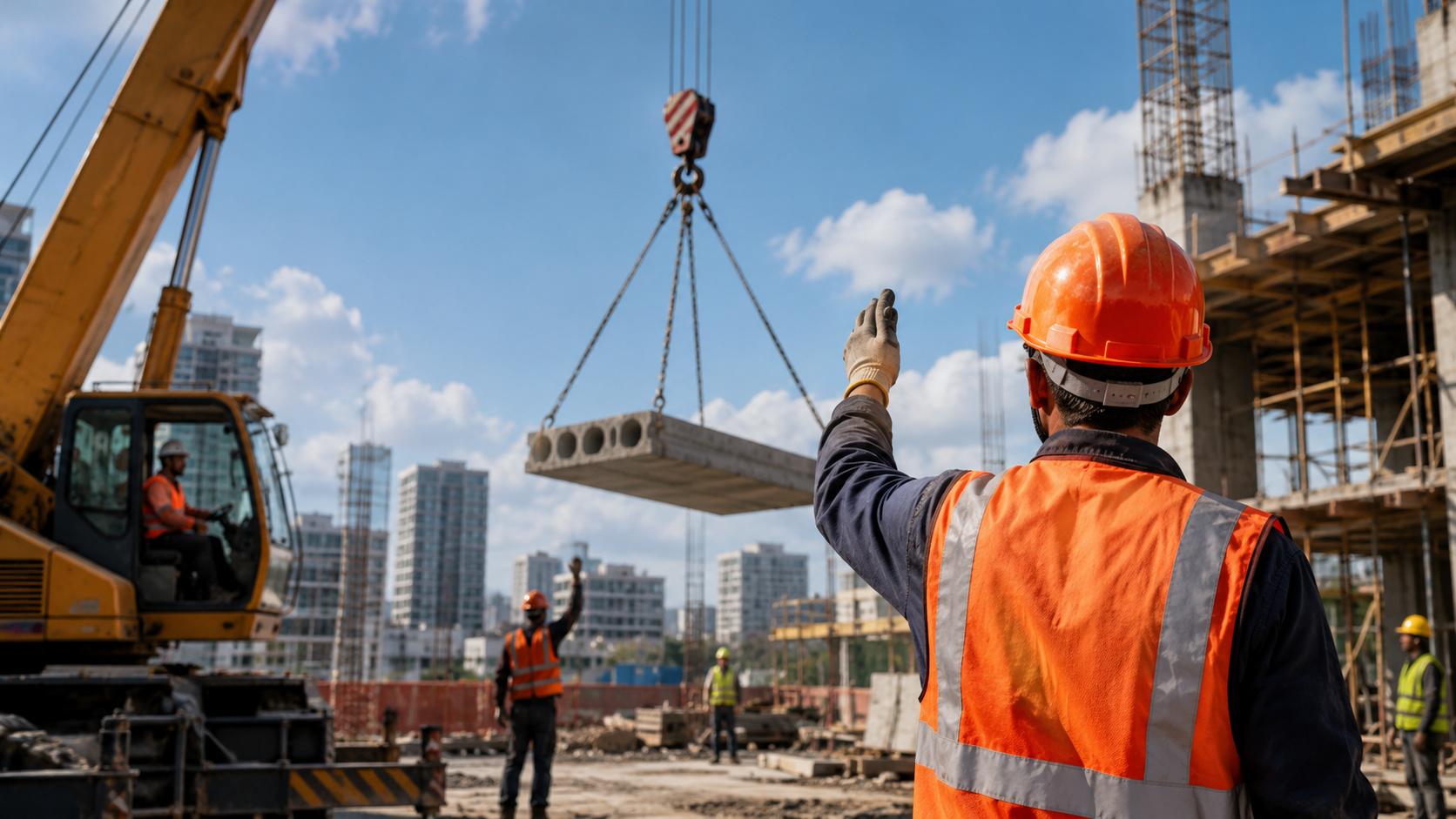
Why can the crane operator only obey the correct signalman on the construction site: among dozens of workers, a hand raised by the wrong person can confuse the maneuver and turn a load of tons into an immediate risk.

-
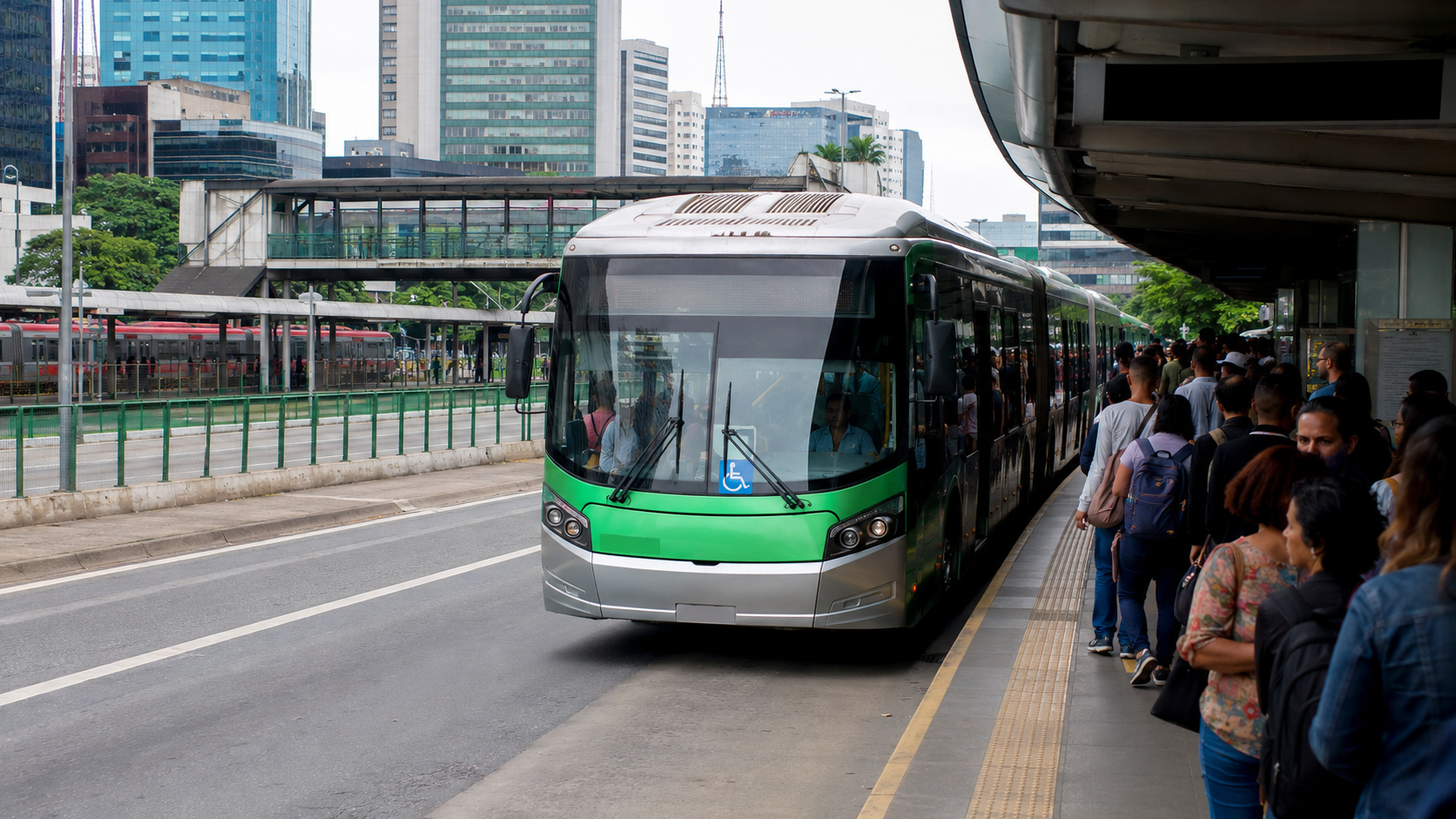
What changes with the new public transportation rules that can reduce pressure on fares and pave the way for zero fare in Brazil?
-
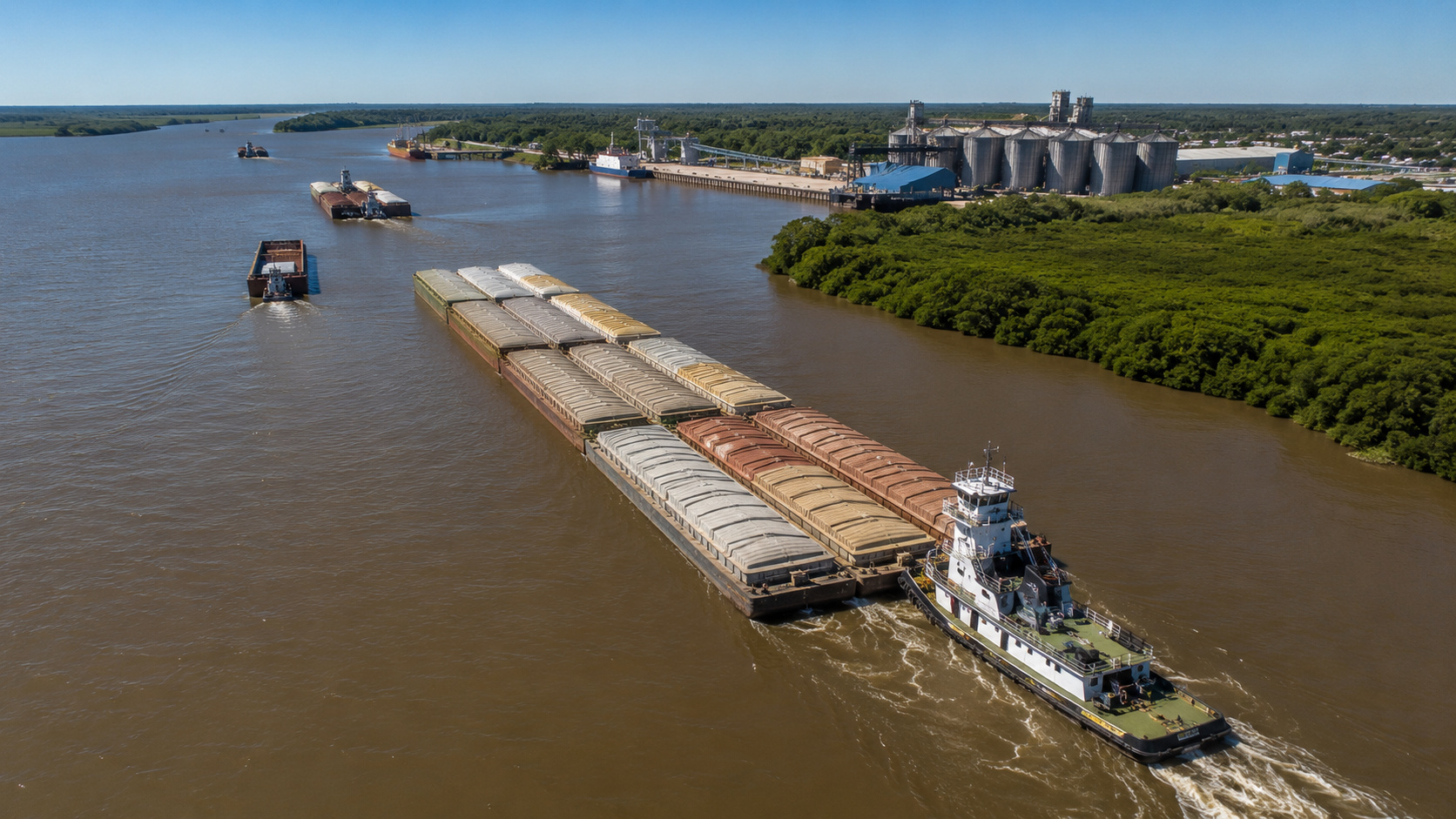
Argentina confirms Belgian giant to lead strategic Paraná River waterway and promises to reduce logistical costs on one of South America’s most important routes
-
MBRF surprises the logistics sector by demonstrating how Artificial Intelligence can directly influence deliveries throughout Brazil by reorganizing distribution routes in seconds, optimizing fleet usage, reducing logistics costs, and speeding up product arrivals even in the face of unforeseen road incidents.

Port of Santos Joins the Route of Major Cruises
According to MPor, the new terminal meets a historic demand from the maritime tourism sector, which has been rapidly growing in Brazil. The structure will feature boarding and disembarking areas adapted to international standards, with the capacity to accommodate vessels of different sizes, definitively placing Santos on the route of major international cruises.
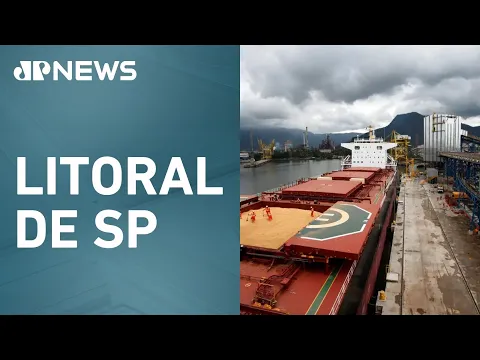

The expectation is that the terminal will become the main maritime gateway for passengers in the country, offering more comfort, security, and logistical efficiency, as well as boosting tourism and local services.
Private Investment and Job Creation
The Santos + Vivo project will be funded without direct public resources, through financial contributions from Transbrasa, a company with a track record in the port logistics sector. According to the Ministry, the R$ 1.24 billion in investments represent a milestone for passenger infrastructure in Brazil.
The terminal is expected to create thousands of jobs, both during the construction phase and in the operation of the complex. There will be direct job openings in civil construction, engineering, security, transportation, hospitality, and services. After the inauguration, the number of permanent jobs is expected to increase with the consolidation of Santos as a cruise tourism destination.
Additionally, there will be an increase in tax collection and strengthening of the regional economy, benefiting the entire production chain linked to tourism and logistics.
Project to Be Completed by 2028
The construction of the passenger terminal will begin after environmental licensing and compliance with regulatory agencies’ requirements. The estimated completion time for the works is 36 months, which places the inauguration by the end of 2028.
Throughout the process, the Ministry of Ports and Airports will closely monitor the project’s execution, ensuring the quality of the infrastructure and compliance with the established deadlines.
National Port Modernization Program
The investment in Santos is part of a broader program by the Federal Government, which foresees R$ 4.7 billion in port projects in Brazil. The Southeast region alone has been granted over R$ 1.5 billion in authorizations, including improvements in cargo terminals, storage areas, and technological management systems.
During the announcement, Minister Silvio Costa Filho stated that the plan represents a historic milestone:
“The contracts expected to be authorized by the end of 2025 will represent the largest volume ever approved for a year in Brazil’s port sector.”
The government aims to transform national ports into more efficient and competitive logistics centers, reinforcing Brazil’s role in global trade and in the mobility of people.
Santos Stronger in Tourism and Economy
The construction of the new passenger terminal at the Port of Santos is more than an infrastructure project: it is a strategic step to consolidate São Paulo’s role in the maritime tourism sector.
With the modernized structure, the port will be able to attract more international cruises, boost local commerce, and enhance experiential tourism in the Baixada Santista. The expectation is that the increase in visitor flow will benefit restaurants, hotels, travel agencies, urban transportation, and regional commerce as a whole.
The terminal will also facilitate the boarding of Brazilian passengers on national cruises, with faster and safer logistics.






-

-

2 people reacted to this.