





 Portuguese
  English
  Spanish
  4 min of reading
  0 comments


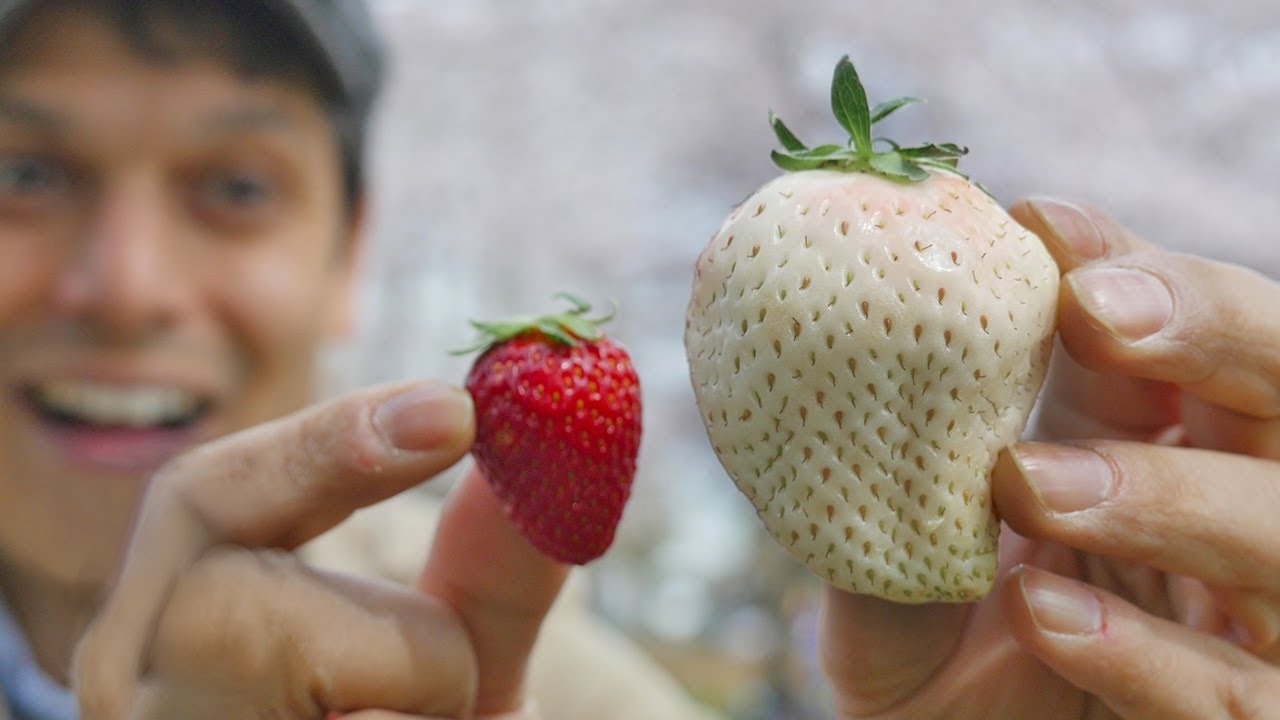
The Most Expensive Strawberry in the World Reaches Over R$ 1,600 Per Unit Thanks to Its Giant Size, Extreme Sweetness, and Rare Production of the Bijin-hime Variety.
When a single strawberry costs more than a basic mobile phone and its production is treated like agricultural jewelry, it is a sign that luxury fruit farming has reached a new level. In 2024, international gastronomic fairs and specialized media reported the figures of the Bijin-hime variety, considered by experts to be the most expensive strawberry in the world. The price, which can exceed ¥ 50,000 per unit, around R$ 1,600 at the current conversion, has placed the fruit among the most valuable items ever cultivated in the premium fruit sector.
The story, however, does not involve gratuitous ostentation. It reveals the continuous advancement of precision agriculture in Japan, a market that since the 1990s has produced rare fruits with absolute control over light, nutrition, and shape. Melons sold for thousands of dollars, mangoes grown under individual light, and grapes developed for controlled sweetness have already been part of this universe. But no fruit has generated as much repercussion as the strawberry that has become synonymous with extreme luxury.
The Origin of the Most Expensive Fruit in the World
The Bijin-hime, whose name means “beautiful princess,” is grown in Gifu, central Japan, inside highly monitored controlled environment greenhouses. Producers adjust the temperature in minimal variations throughout the day to avoid physiological stress on the plants, maintain lighting in perfect cycles to stimulate sugar content, and use purified water systems that ensure stability in nutrition.
-
A promise made to their father led three men to unearth a forgotten house that had been swallowed by time for over 70 years, in a story of memory, abandonment, and reconstruction that seems straight out of a movie.
-
A strong earthquake in Indonesia affects houses and schools, causes panic, triggers a tsunami alert, and records a rise in sea level of up to 30 centimeters in some areas.

-
The Argentine government celebrates the lowest poverty rate in 7 years, but experts warn that the methodology has changed, real wages have fallen, unemployment has risen, and the number of people on the streets of Buenos Aires has increased by 57% since Milei took office.

-
7.8 magnitude earthquake in Indonesia frightens the population, triggers tsunami alert, and hits an island with over 200,000 inhabitants this Thursday.


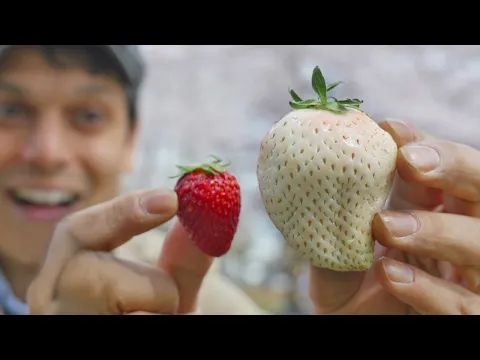

This obsession with precision is part of the local agricultural culture, but the Bijin-hime has exceeded any previous standard.
The fruit can reach dimensions larger than a tennis ball, which is unusual for strawberries, and has a deep red color from the core to the outer flesh, without clear gradients. The level of sweetness — measured in Brix, the same standard used in wines and premium fruits — usually exceeds 13 degrees, a mark well above that of common strawberries, which range between 6 and 8.
This combination of factors such as size, uniform color, strong aroma, and firm texture has made the fruit attain rarity status. The producer responsible for developing the variety strictly controls the number of boxes released each year, which further increases exclusivity.
Why a Single Strawberry Can Be Worth Over R$ 1,600
The high price is not just a result of appearance. Luxury fruits in Japan follow strict grading standards. To reach the highest level, the strawberry must present:
- Perfectly symmetrical shape
- Homogeneous color from center to surface
- Defined aroma perceptible even inside the packaging
- Total absence of deformities
- Consistent texture without any soft areas
Fruits that meet these specifications are individually packaged in rigid presentation boxes, often lined with fabric. The packaging is not just decorative — it is part of the market logic, as the fruits are sold as gift items, especially during the Japanese winter.

Thus, the variety has been listed among the most valuable agricultural products in the country. In gastronomic auctions, where buyers seek perfect fruits for high-end restaurants and collectors of rare foods, prices exceeding ¥ 50,000 per unit have been recorded.
On other occasions, lots of premium strawberries, including Bijin-hime and other luxury cultivars, have surpassed ¥ 1.5 million in a single event — about R$ 70,000 per box.
The Gastronomic Impact of the Most Expensive Strawberry in the World
Starred restaurant chefs use the variety not only for its intense flavor but for its aesthetics. The uniformity of Bijin-hime allows for precise cuts in fine pastry desserts, and its natural sweetness eliminates the need for additional sugar in many recipes.
The aroma, which remains even after refrigeration, is cited as one of the fruit’s greatest qualities.
Japanese gastronomy values controlled origin ingredients and demands total traceability. The Bijin-hime variety meets this standard, with each batch numbered and each fruit accompanied by a certificate of origin issued by the producer. Traceability enhances market value and prevents counterfeiting.
The Science Behind Growing Luxury Fruits
The production of premium fruits in Japan is not casual. It relies on agricultural engineering techniques and biotechnology that have become global benchmarks. In the case of Bijin-hime, the applied technology includes:
- Sensors that measure temperature, humidity, and light in real time
- Chemically balanced clean growing substrates
- Manual pruning and flower control to ensure that only a few fruits develop, increasing their size
- Calibrated irrigation to avoid excessive water concentration in the pulp
These factors explain why annual production is so limited. Each plant receives individualized treatment, and few fruits per harvest meet the highest commercial grading standard. This natural scarcity, combined with the high production cost and cultural status, drives the final value.
The Growing Interest in Rare Fruits
The global market for premium fruits has grown significantly over the past decade, driven by gastronomic tourism, collectors, and the Japanese culture of gifting high-value foods. Bijin-hime strawberries frequently appear in reports highlighting exotic fruits and in international channels revealing curiosities about technological agriculture.

Even though production is small, the cultural impact is significant. The fruit has become a symbol of agricultural precision and Japan’s ability to transform common ingredients into luxury items. International interest has led to waiting lists at specialty stores, and the variety has begun to be showcased at food innovation fairs.
The trend, according to industry analysts, is for the market to continue growing, especially with advancements in vertical farming systems and intelligent greenhouses that can replicate some of the conditions found in Japan.









Seja o primeiro a reagir!