





 Portuguese
  English
  Spanish
  5 min of reading
  4 comments


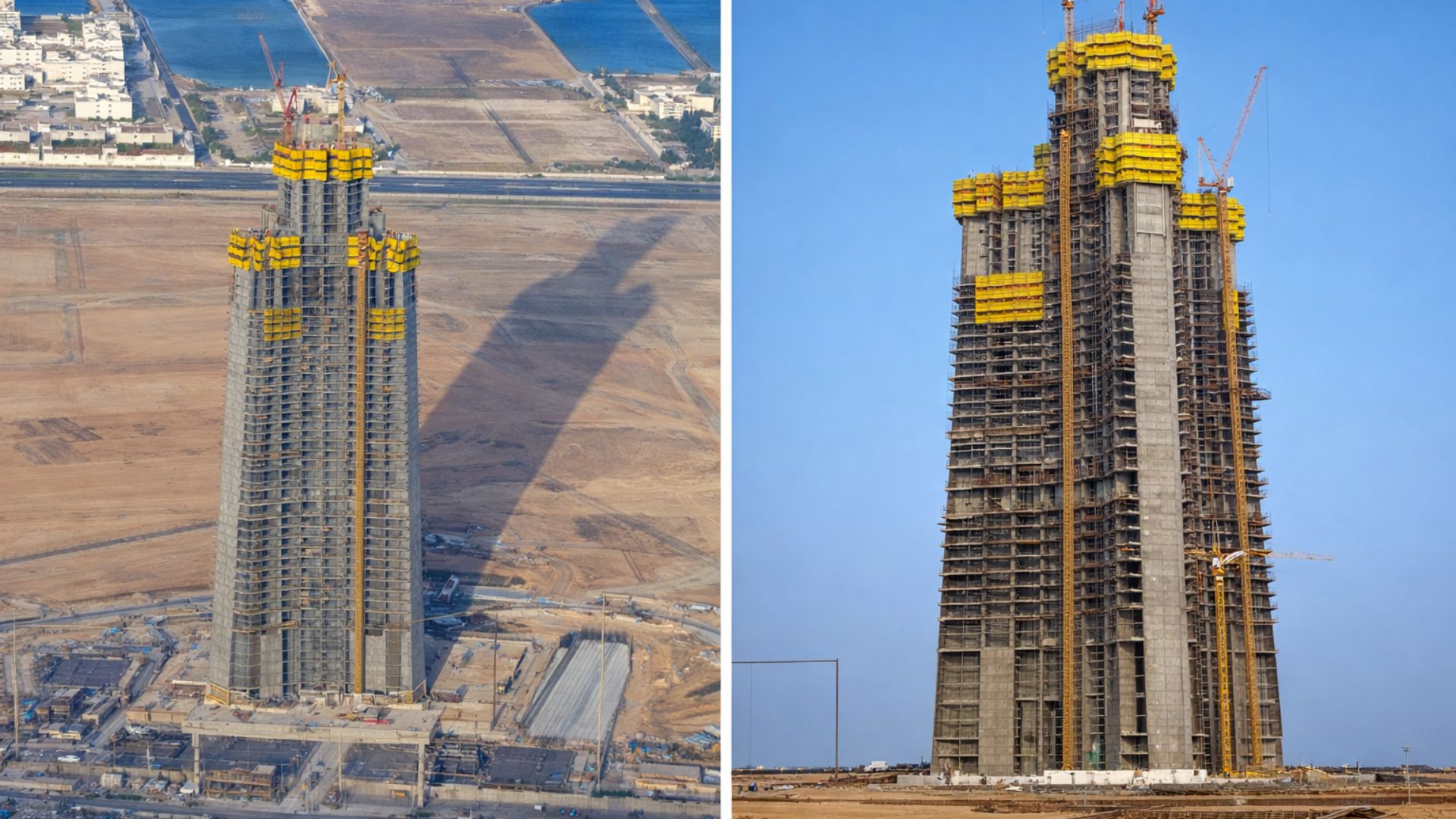


Billion-Dollar Project in Riyadh Aims for Absolute Height Record, Integrates Saudi Economic Plan, and Expands Global Competition for Emblematic Megaconstructions in the Gulf, with Proposals Still in Contracting and Technical Definition Phase.
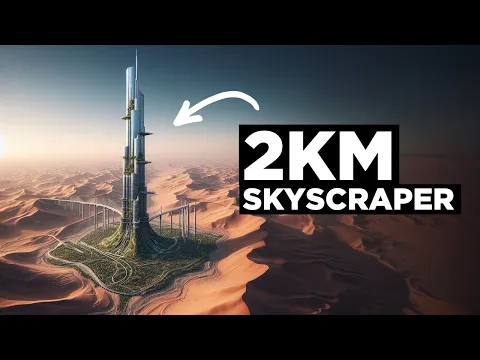
A project under study in Saudi Arabia aims to take the competition for the tallest building in the world to a new level.
The proposal involves a 2-kilometer tall skyscraper, with an estimated 678 floors and a projected cost of US$ 5 billion.
The tower, mentioned in reports from specialized publications as Rise Tower, is planned for the Riyadh region.
-
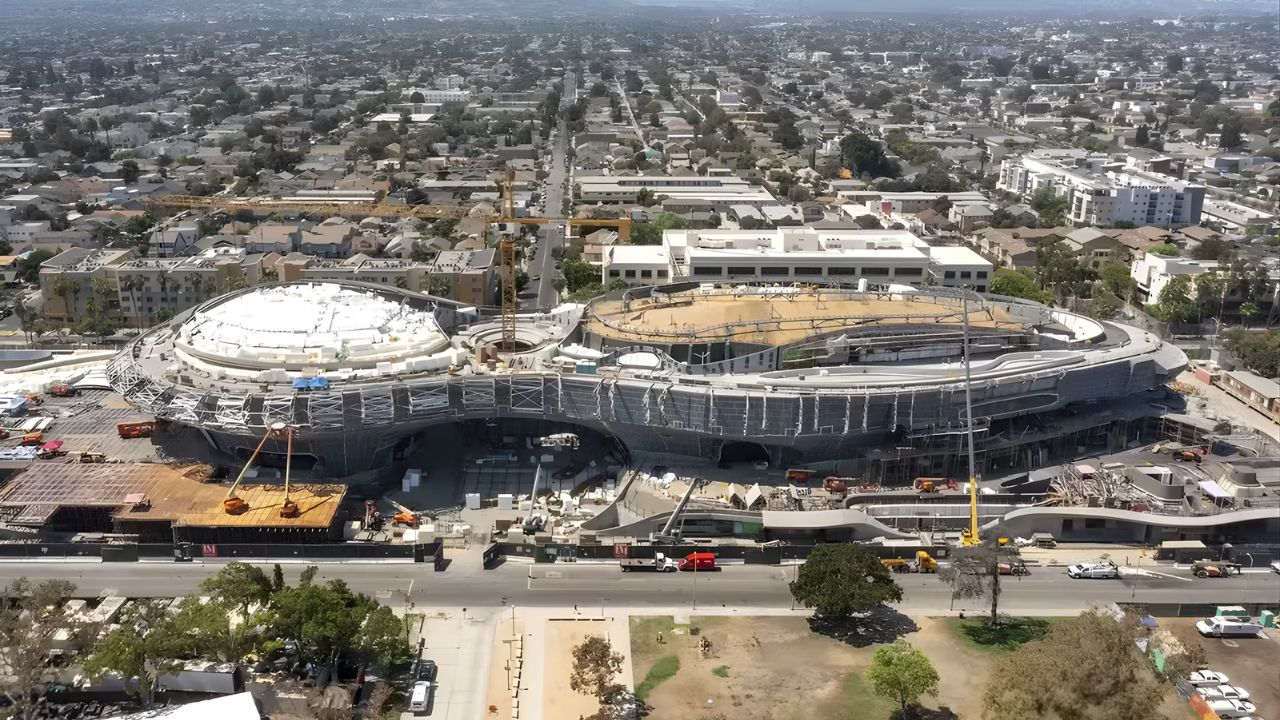
Created by George Lucas with over $1 billion, a futuristic museum in the shape of a spaceship with 1,500 curved panels is about to open in Los Angeles and will house one of the largest private collections of narrative art in the world.
-
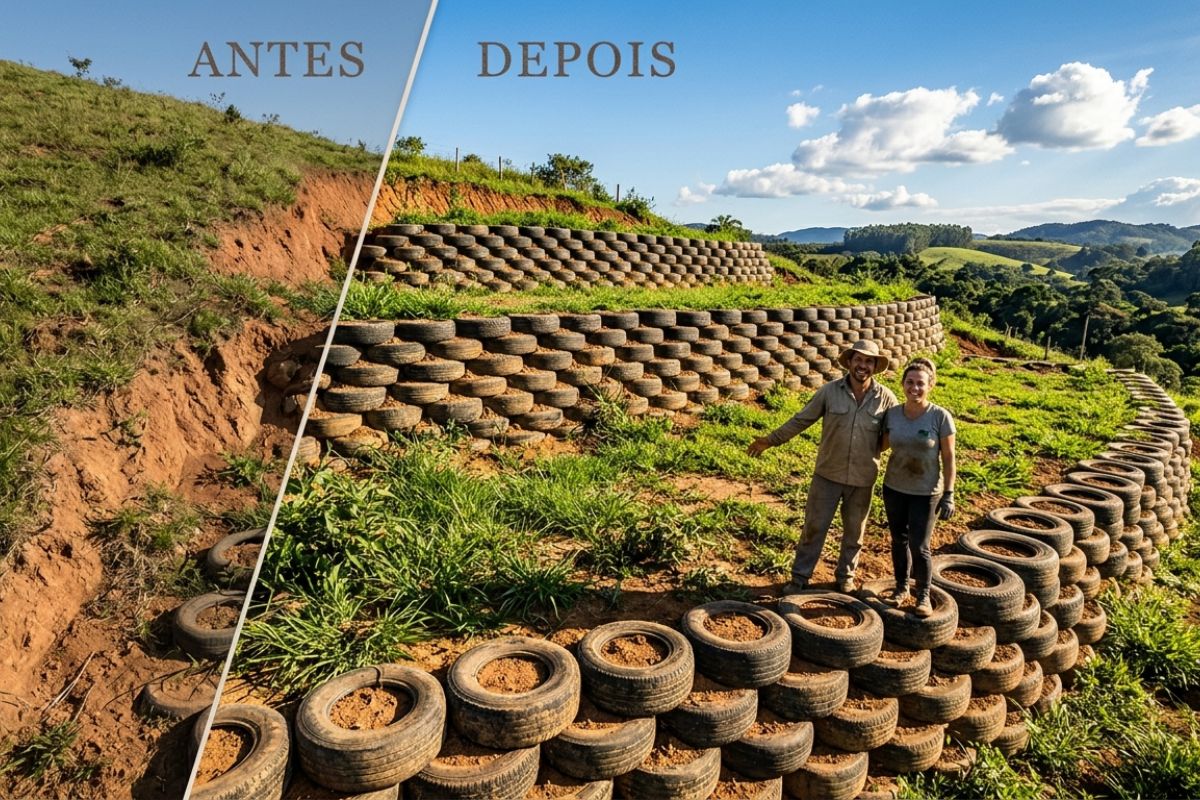
Couple shows how they built a retaining wall on their property using 400 old tires: sloped land turned into plateaus, tires are aligned, filled, and compacted with layers of soil, with grass helping in support and at almost zero cost.
-
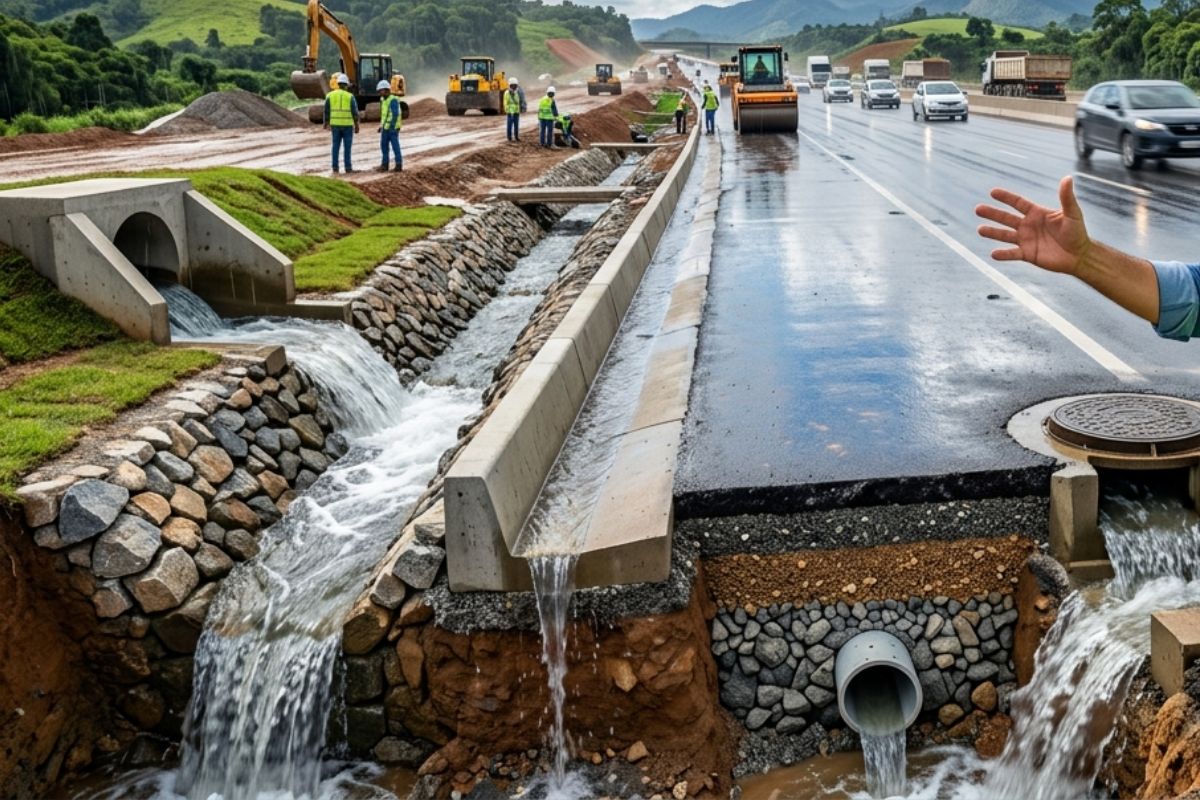
Engineer explains drainage during the rainy season: the difference between surface water and deep water, ditches, gutters, and water outlets on the road, as well as drains and drainage mattresses, to prevent erosion, aquaplaning, and flooding at the construction site today.
-
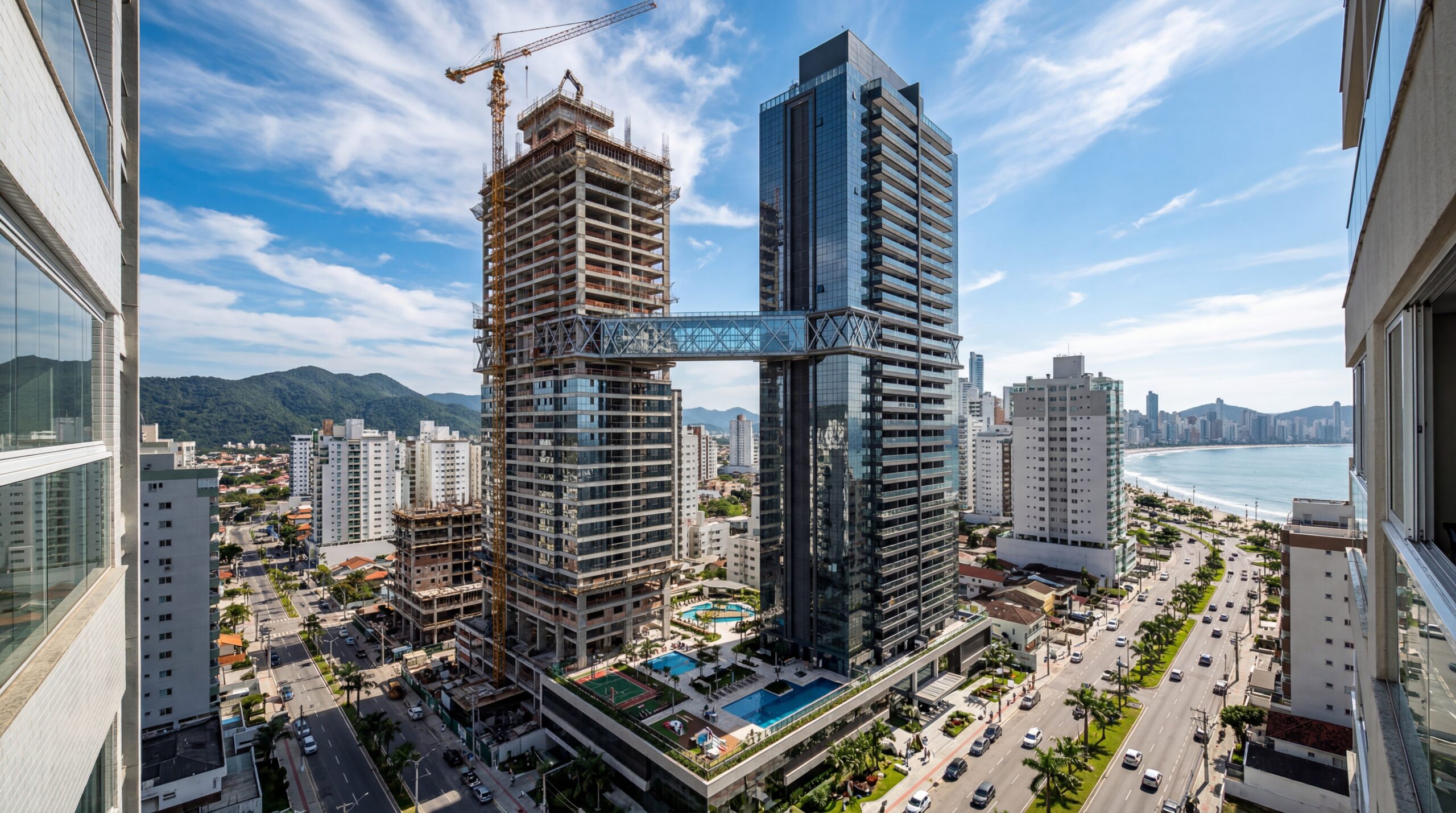
With 55 floors, 177 meters in height, a 15-meter walkway between the twin towers, ventilated facade, and 6,300 m² of leisure space, Ápice Towers already has one tower completed and another nearly at the top.

If realized as described, it would far exceed the current record holder, the Burj Khalifa in Dubai, which stands at 828 meters.
Although figures like height, budget, and total number of floors circulate widely in market materials and international coverage, details such as final specifications, a closed schedule, and main contracts still appear associated with preliminary stages of contracting and structuring.
What Is Known About the 2 km Tower in Riyadh
The proposal gained traction after the Saudi Public Investment Fund, the PIF, was identified as responsible for inviting international companies to compete for the management of the project.

The bidding, according to sector coverage, would involve both the tower and the surrounding urban development.
The goal would be to consolidate a new business hub in the north of the capital.
In this design, the building would serve as an anchor for a mixed-use district, combining offices, commerce, and leisure.
Structures focused on hospitality, such as hotels, as well as entertainment areas and restaurants at unusual heights, are also mentioned.
The proposal reinforces the idea of experiences literally offered in the clouds.
Still, the exact size of the district associated with the tower is one of the points where information varies according to the source.
Some reports describe a smaller area, closer to a business district.
Others expand the perimeter to something in the hundreds of square kilometers range.
Without a definitive public document consolidating the scope, the scale of the surroundings remains as non-standardized data.
Direct Link with the Vision 2030 Plan
The eventual construction of a building with such proportions is presented as compatible with the Vision 2030, the Saudi government plan to diversify the economy and reduce dependence on oil.
The program also aims to reposition the country as a destination for business, tourism, and major events.
In addition, it envisions an acceleration of infrastructure works and large-scale urban reconfigurations.
In this context, Riyadh has been treated as a showcase of a broader transformation.
The strategy involves attracting private investment, expanding the supply of services, and promoting large-scale projects.
The PIF acts as a central agent in this process, with direct participation in different fronts.
It is within this package that the 2 km tower is typically mentioned.
So far, however, it appears more linked to the planning and contracting stage than to a consolidated construction site.
Comparison with Burj Khalifa and Engineering Challenges

Today, the title of the tallest building on the planet belongs to the Burj Khalifa in the United Arab Emirates.
The building has been an icon of the Dubai skyline since 2010.
The mark of 828 meters has become a global reference for engineering and urban marketing.
If the Saudi tower truly reaches 2,000 meters, it is not just about surpassing an existing record.
The leap represents a change of order of magnitude.
A construction of this scale tends to require specific solutions for elevators, evacuation, maintenance at height, and climate comfort.
It also imposes design decisions that can alter floor counts and final metrics.
For this reason, experts often treat these numbers as initial targets, subject to revision throughout development.
International Companies and Project Stage
The most consistent point in recent coverage is the movement to contract companies capable of coordinating the development and execution of the project.
This type of contracting is common in complex ventures involving multiple consortia and technical phases.
The search for management consulting usually precedes the definition of construction packages.
It also comes before the signing of main structural contracts.
At the same time, the absence of public announcements detailing final parameters maintains a cautious reading.
In projects of this size, conceptual images and initial descriptions often circulate before robust schedules.
Thus, even though the tower occupies a central space in the international debate about megaconstructions, its execution depends on stages still in progress.
Jeddah Tower Reinforces Internal Competition for Records
Alongside the 2 km plan in Riyadh, another giant project is underway in Saudi Arabia.
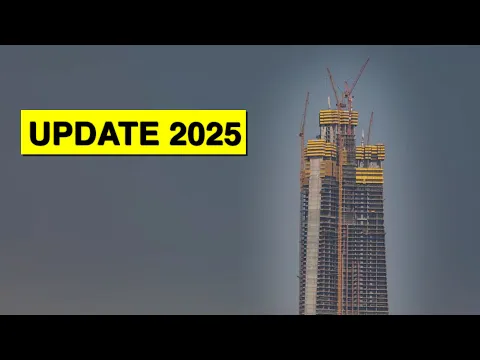
The Jeddah Tower, located in Jeddah, was designed to exceed 1,000 meters in height.
The project started in the last decade. Construction was halted in 2018.
After years of stagnation, the site has begun to advance again following the resumption announced in 2023.
International publications indicate a more consistent reactivation starting in 2025.
Recent reports diverge on the exact pace of progress.
They also vary regarding the floor reached on specific dates.
Still, there is convergence in the information that construction has resumed in height.
The Jeddah Tower is regarded as a potential future record holder if completed before new competitors.
The simultaneous mention of a 1 km tower and another 2 km one illustrates the country’s strategy of associating cutting-edge engineering with a narrative of economic modernization.
Each project, however, has its own logic, distinct investors, and schedules subject to changes based on internal priorities and market conditions.
With so many promises of records in the Gulf, the lingering question is which of these megaprojects will manage to turn plans into concrete and redefine the limits of vertical construction in the world.








The photos show the Jeddah Tower which is planned to be 1km tall, not Riyadh. Please fix it
Horse hockey
At 2km, there is less pressure and you have 15% oxygen per breath…
Crazy
The sheer fysics of this project are unbelievable.Getting water up and wastewater down for instance.Then the elevators over 2 km .It would also require alot of electricity , will it have its own powerplant? It would alot of fuel.How would it be brought there ? Same with the water….
Some many questions.
Looking forward to follow its progress.
Shalom Roni.
I would love to know how they pump concrete up that height .