





 Portuguese
  English
  Spanish
 5 min of reading
  11 comments


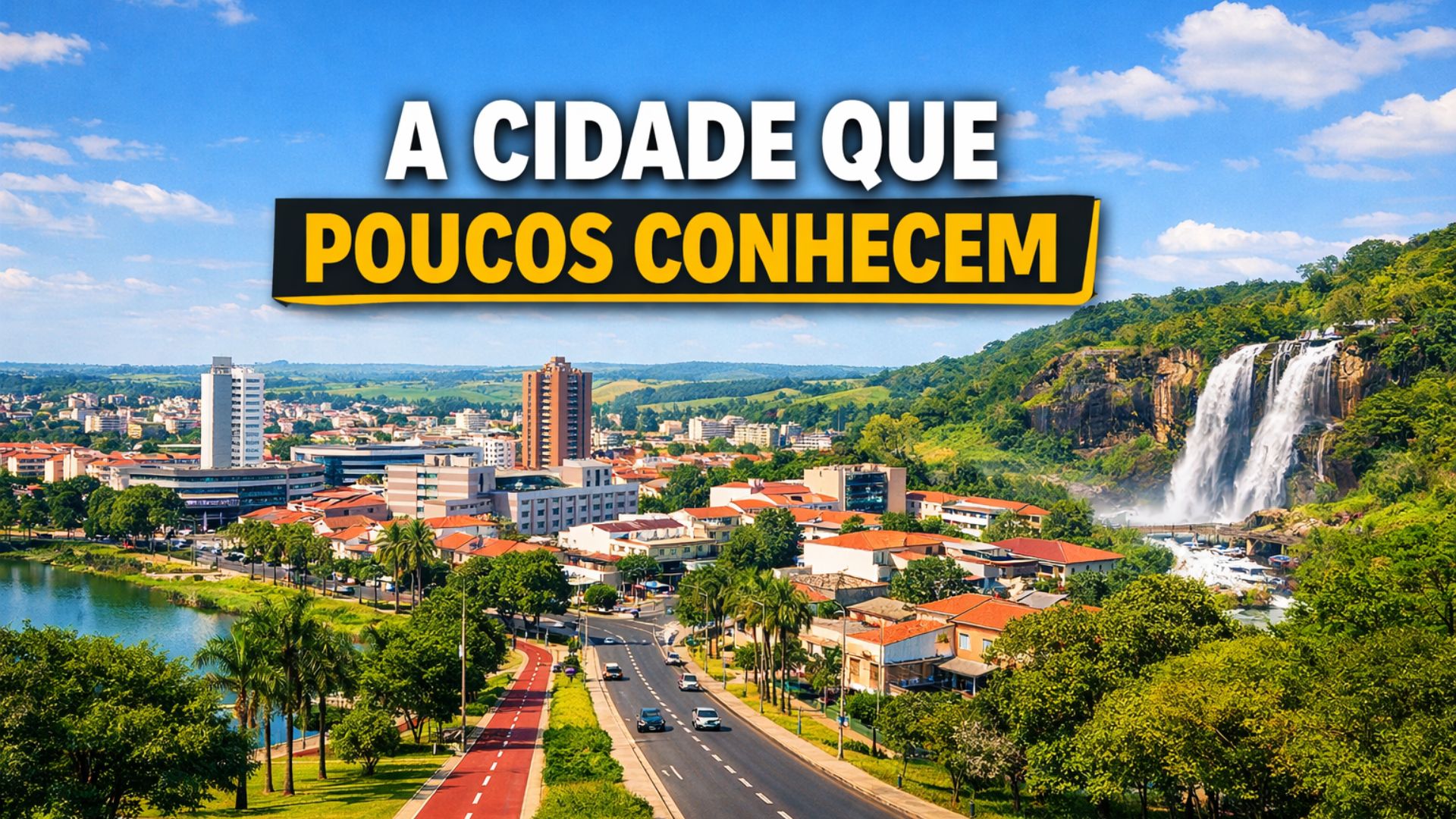


City in the Interior of São Paulo Ranks Among the Top Positions in National Quality of Life Ranking, Highlighting Social Indicators, Labor Market, Education, Environment, and Urban Characteristics Analyzed from Public Data and Comparisons Between Brazilian Municipalities.
São Carlos, in the interior of São Paulo, ranks among the Brazilian municipalities with the best quality of life in a ranking of the Social Progress Index (SPI), an indicator that evaluates welfare, access to services, and social opportunities based on public data.
In the analyzed snapshot, the city occupied the third national position, a result associated with performance in areas such as education, urban infrastructure, and environmental conditions.
Developed based on social and environmental indicators, the SPI uses a methodology that does not restrict itself to traditional economic metrics.
-
Tourists on Everest were poisoned by guides who mixed substances in food to provoke false symptoms of altitude sickness while helicopter operators and hospitals charged inflated rescue fees to insurance companies.

-
Few people know this, but Neil Armstrong, one of the most famous NASA astronauts in history, survived the Korean War after jumping from the plane during his seventh combat mission aboard the USS Essex aircraft carrier of the United States.

-
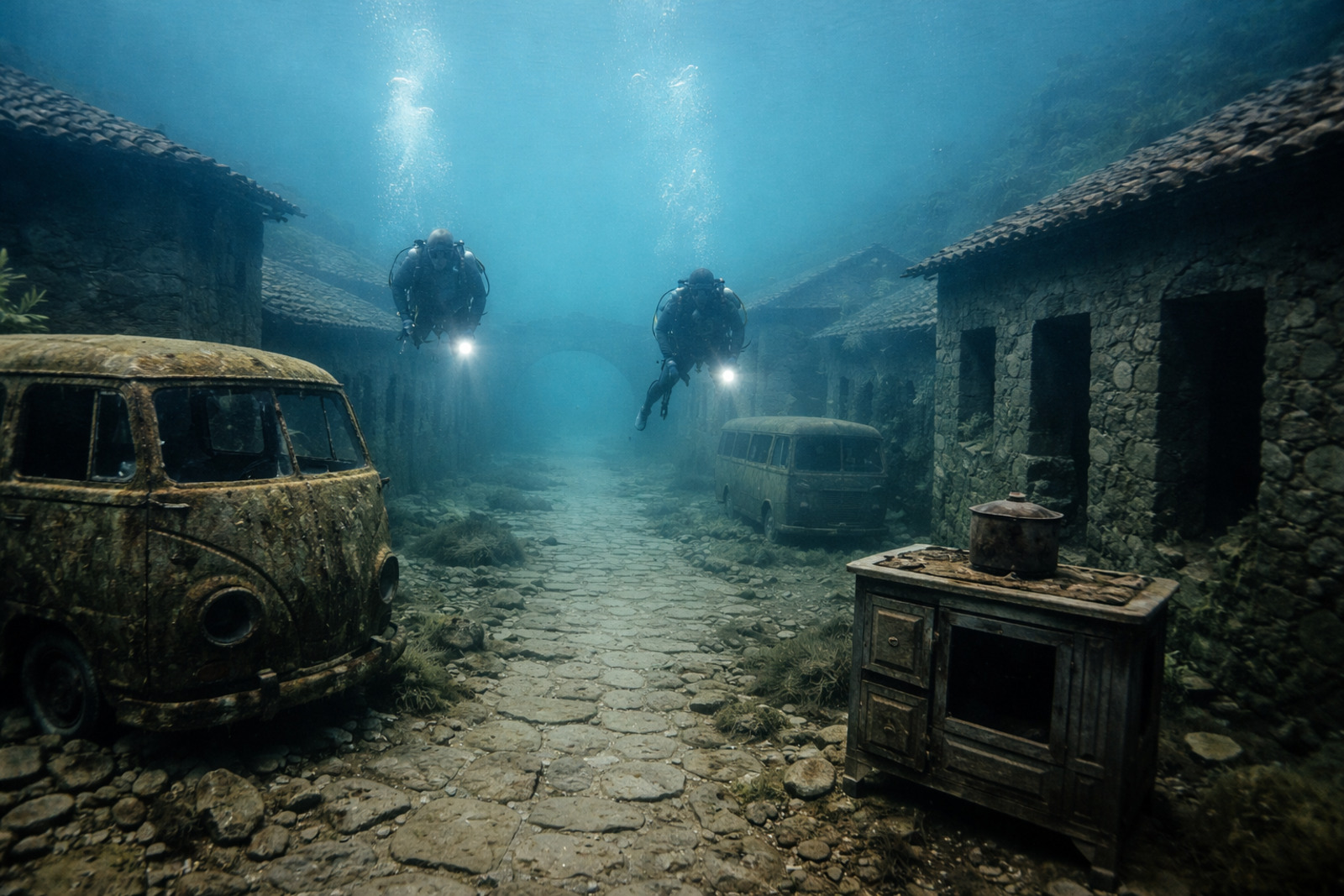
Diving with a camera in Lake Furnas reveals a submerged city with an entire street, almost intact houses, a preserved bridge, a wood stove, a Kombi, and even a bus at the bottom of the largest lake in the Southeast.
-
Iceland accidentally drilled into a magma pocket at 2,100 meters and revealed that the extreme heat beneath the crust could pave the way for a new source of continuous energy.


The index considers variables related to basic human needs, welfare foundations, and opportunities, allowing comparisons between municipalities and the identification of structural patterns that influence the daily lives of the population.
Social Indicators Assessed by the Social Progress Index
Data from the SPI Brazil panel indicates that São Carlos registers high scores in dimensions related to access to knowledge and provision of urban services.

The index does not measure individual income or economic growth in isolation but seeks to portray structural conditions such as sanitation, basic education, health, security, and environment.
For this reason, public policy experts point out that good performance in the SPI often reflects continuous investments in essential services and urban planning, more than short-term results.
This perspective helps contextualize the city’s recurring presence in national rankings.
Labor Market and Local Economic Base
In the labor market field, official data indicates that São Carlos recorded 87,086 formal employment ties in 2022.
This number is often associated, in economic analyses, with the presence of universities, research centers, and companies linked to technology, industry, and services sectors.
The city is identified in academic studies and reports as a technology hub, due to the concentration of higher education and research institutions, such as Universidade de São Paulo (USP) and Universidade Federal de São Carlos (UFSCar).

According to researchers in the area of regional development, the interaction between universities and the productive sector tends to favor the generation of skilled jobs and the diversification of the local economy, although the effects vary according to the national economic context.
Comparisons of Cost of Living with Brazilian Capitals
Cost of living comparisons between cities depend on methodology, consumption profile, and territorial scope.
Collaborative price surveys, used as a reference in reports and comparative analyses, indicate that expenses with dining out and supermarket purchases in São Carlos are, on average, lower than those registered in Rio de Janeiro.
Urban economy experts emphasize that these data do not replace official household budget surveys.
Nonetheless, they help illustrate price differences between inland cities and major capitals.
Factors such as less pressure on the real estate market and shorter commutes are often cited as elements that influence this type of comparison.
Climate, Environment, and Urban Infrastructure
Information released by the municipal administration indicates that São Carlos registers a mean annual temperature of 19.6 ºC, a characteristic related to the altitude of the central region of the state.
This data is frequently used in institutional materials and informative content to describe the local climate profile.

Mentions of pollution levels below the national average also appear in reports addressing the city.
Environmental experts observe that this type of comparison depends on the indicator adopted, the data source, and the historical series analyzed.
Still, the environmental theme is part of the categories considered by the SPI.
The municipality has urban parks and facilities aimed at environmental education.
The “Dr. Antônio Teixeira Vianna” Ecological Park is described in official documents as an area dedicated to conservation, research, and public visitation, with activities focused on wildlife and environmental education.
Leisure, Regional Tourism, and Natural Areas in the Surrounding Region
In addition to urban spaces, São Carlos is mentioned in guides and reports as a support point for leisure activities in the surrounding natural areas.
References to waterfalls and trails in the region frequently appear in content about tourism in the interior of São Paulo.
According to professionals in the tourism sector, this type of offering contributes to regional tourism and expands leisure options for residents, especially on weekends.
The proximity between urban areas and natural spaces is identified in studies as a common characteristic in medium-sized cities in the interior.
Public Safety and Longevity Indicators

On the topic of safety, data from the Atlas of Violence, developed by Ipea in partnership with the Brazilian Forum on Public Safety, indicates that São Carlos occupied the 177th place in a homicide ranking among municipalities with more than 100,000 inhabitants, according to a survey released in 2023.
Researchers warn that rankings of this type should be analyzed together with historical series and regional contexts to avoid isolated interpretations.
Regarding the elderly population, São Carlos was cited in 2020 in a ranking developed by the MAG Longevity Institute.
The study evaluated Brazilian cities based on indicators focused on aging, considering factors such as health, urban mobility, and access to services.
With consistent social indicators, a labor market associated with education and technology, and urban characteristics frequently analyzed in national rankings, São Carlos continues to be the subject of studies and comparisons; in what ways can local experiences contribute to the debate on quality of life in Brazilian cities with distinct profiles?

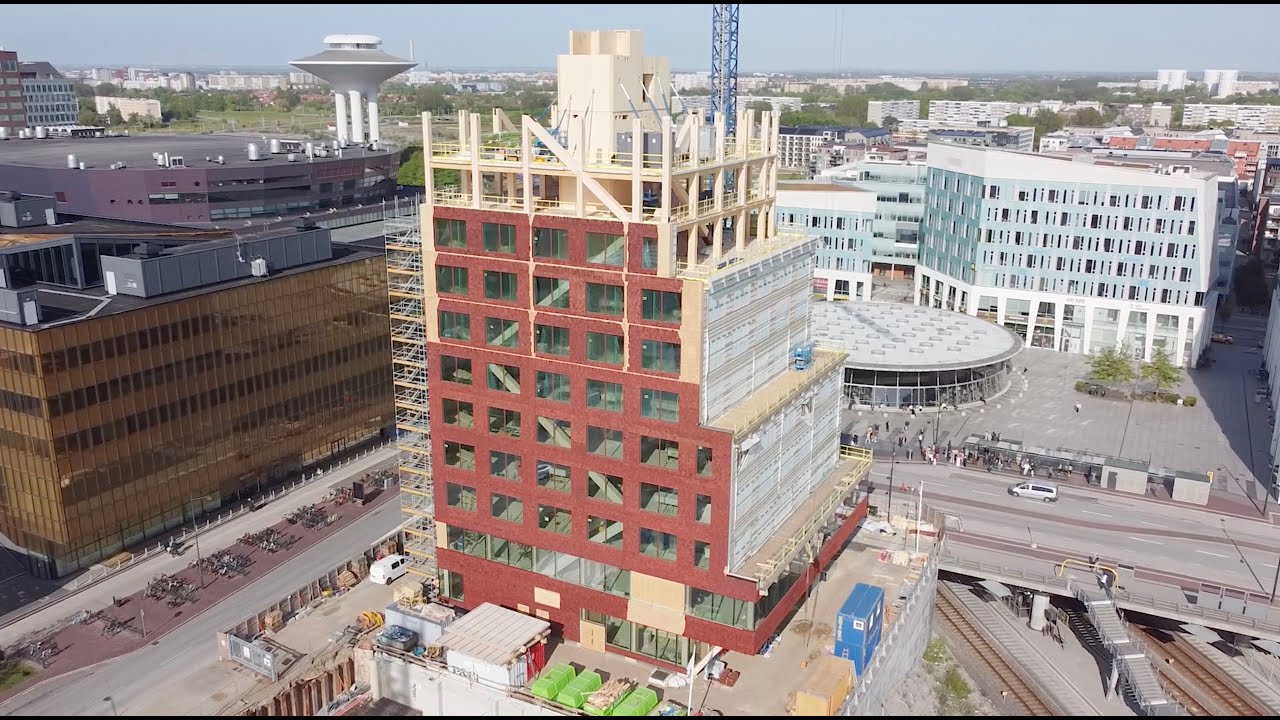


Que foto enganosa.
Vergonhoso
Excelente artigo, faltando apenas detalhar mais sobre saude e atendimentos medicos, hospitalares, etc
Tb alguns comentarios nao condiz c a realidade
Fiquei com muito interesse em conhecer esta cidade São Carlos, mas lendo os comentários existentes , perdi totalmente a disposição de viajar para o lugar que na verdade não tem nada de interessante