





 Portuguese
  English
  Spanish
  7 min of reading
  0 comments


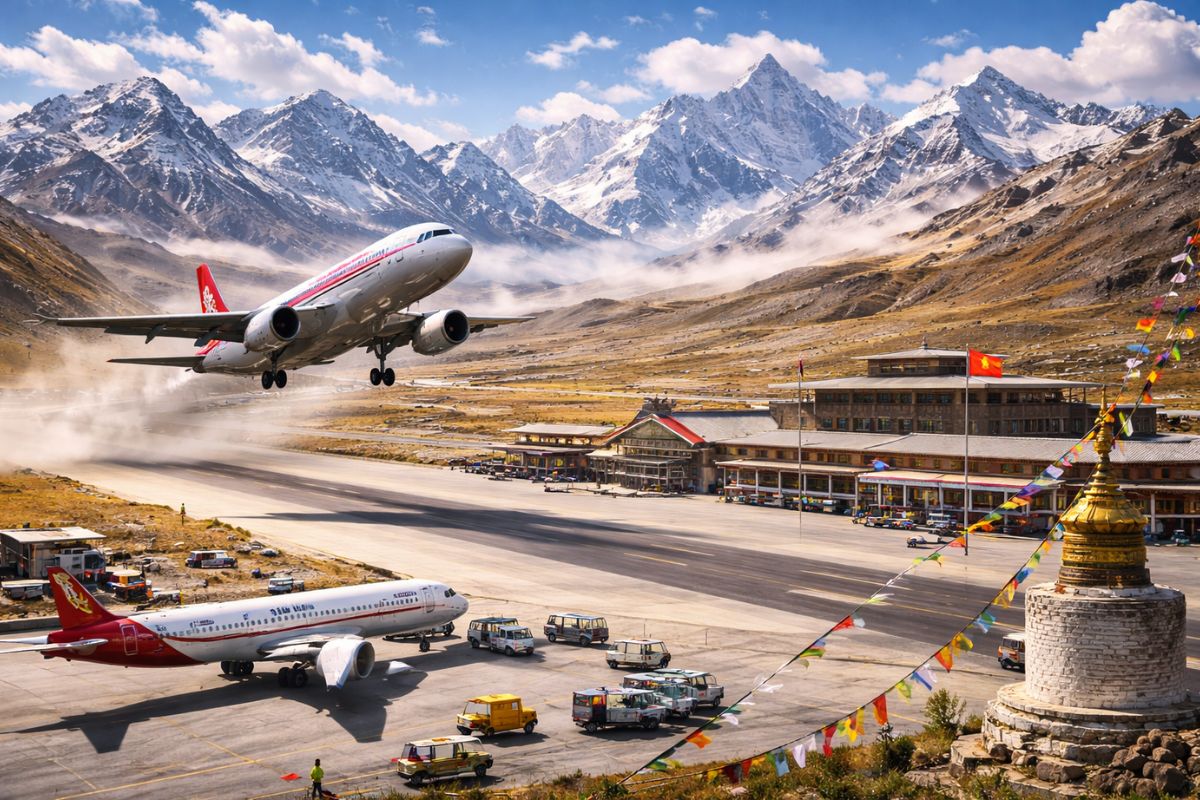
At The Extreme Of Sichuan, The Highest Airport In The World Daocheng Yading Operates As An Altitude Airport In The Tibetan Plateau, Shorting Travel And Boosting Remote Tourism In A Formerly Isolated Region.
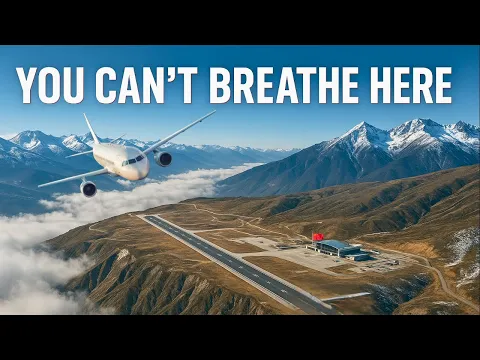
On The Border Between Sichuan And Tibet, The Highest Airport In The World Was Built In A Remote Plateau, Featuring A 4.2 Km Runway, Low Oxygen, And Intense Cold, To Connect An Isolated Area To The Rest Of China And Transform Tourism And Daily Logistics Where Almost Nothing Works Properly.
Just Above The Clouds, The Altitude Of 4,411 Meters At Daocheng Yading Places Aircraft, Machinery, And People In An Extreme Environment, With About 40% Less Oxygen Than Most Of Us Are Used To. Still, Commercial Flights Land And Take Off Every Day, After A Project Completed In Just Over Two And A Half Years In One Of The Most Difficult Terrains On The Planet.
Where It Is And Why China Decided To Build The Highest Airport In The World

Daocheng Yading Is Located In The Far West Of Sichuan Province, Within A Tibetan Autonomous Prefecture. The Region Is Marked By High-Altitude Valleys, Vast Grasslands, And A Nature Reserve Of Alpine Peaks And Glacial Lakes That Has Become One Of The Most Photographed Postcards In Western China.
-
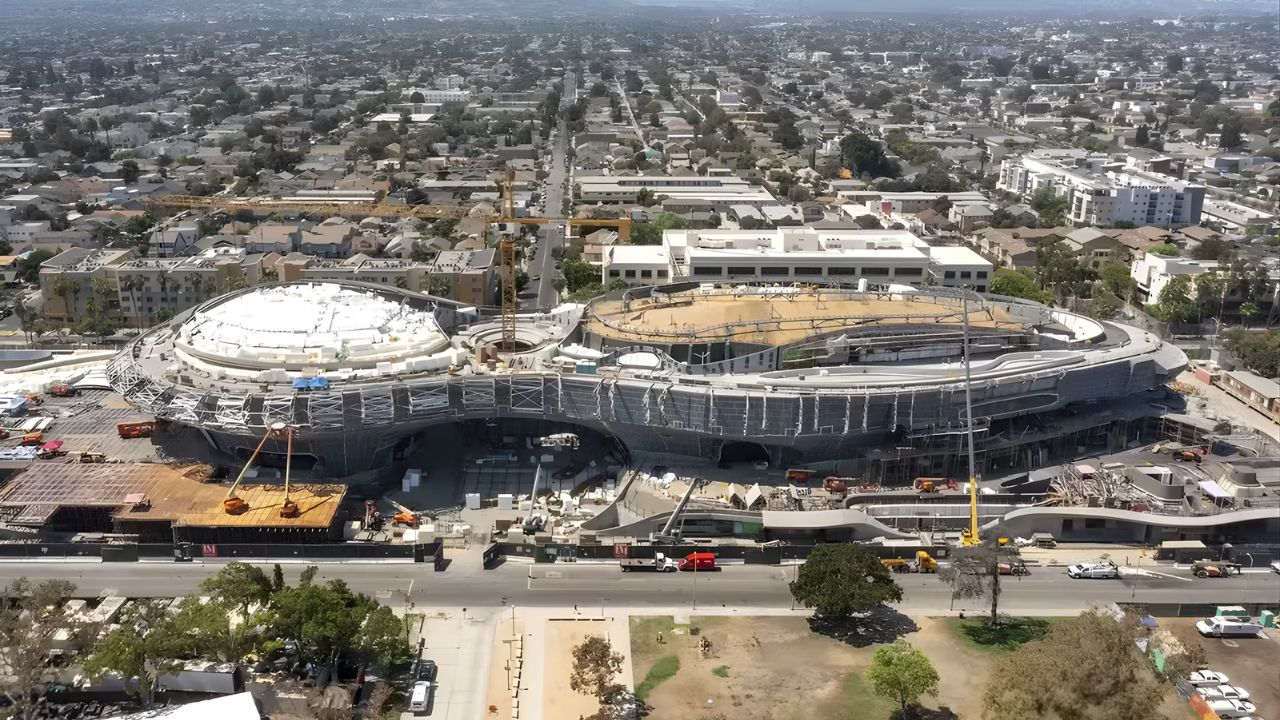
Created by George Lucas with over $1 billion, a futuristic museum in the shape of a spaceship with 1,500 curved panels is about to open in Los Angeles and will house one of the largest private collections of narrative art in the world.
-
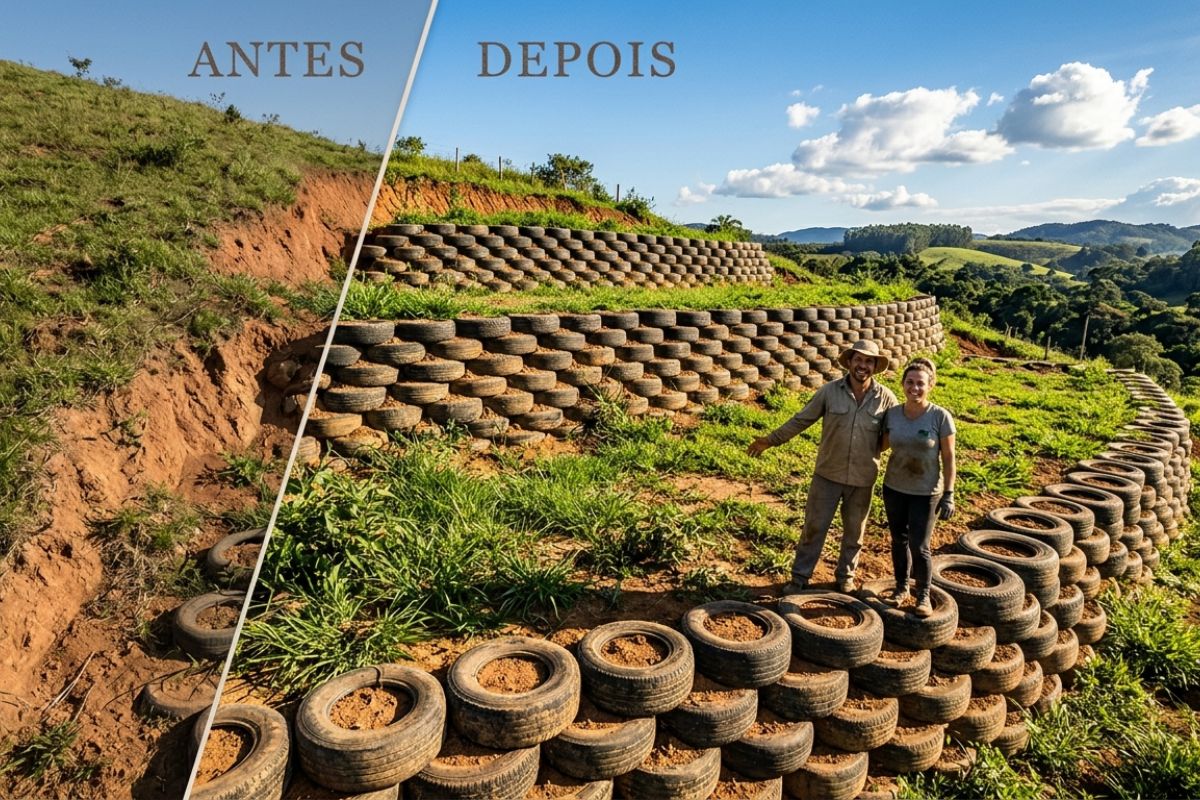
Couple shows how they built a retaining wall on their property using 400 old tires: sloped land turned into plateaus, tires are aligned, filled, and compacted with layers of soil, with grass helping in support and at almost zero cost.
-
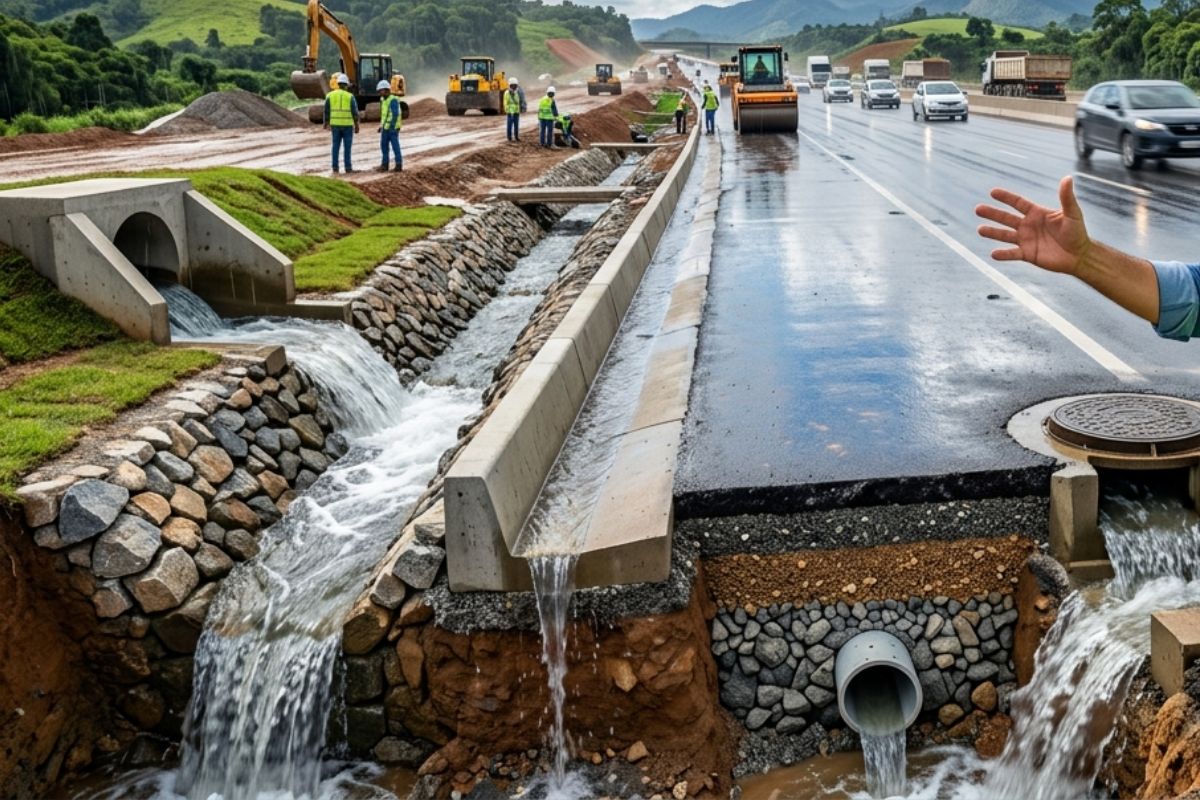
Engineer explains drainage during the rainy season: the difference between surface water and deep water, ditches, gutters, and water outlets on the road, as well as drains and drainage mattresses, to prevent erosion, aquaplaning, and flooding at the construction site today.
-
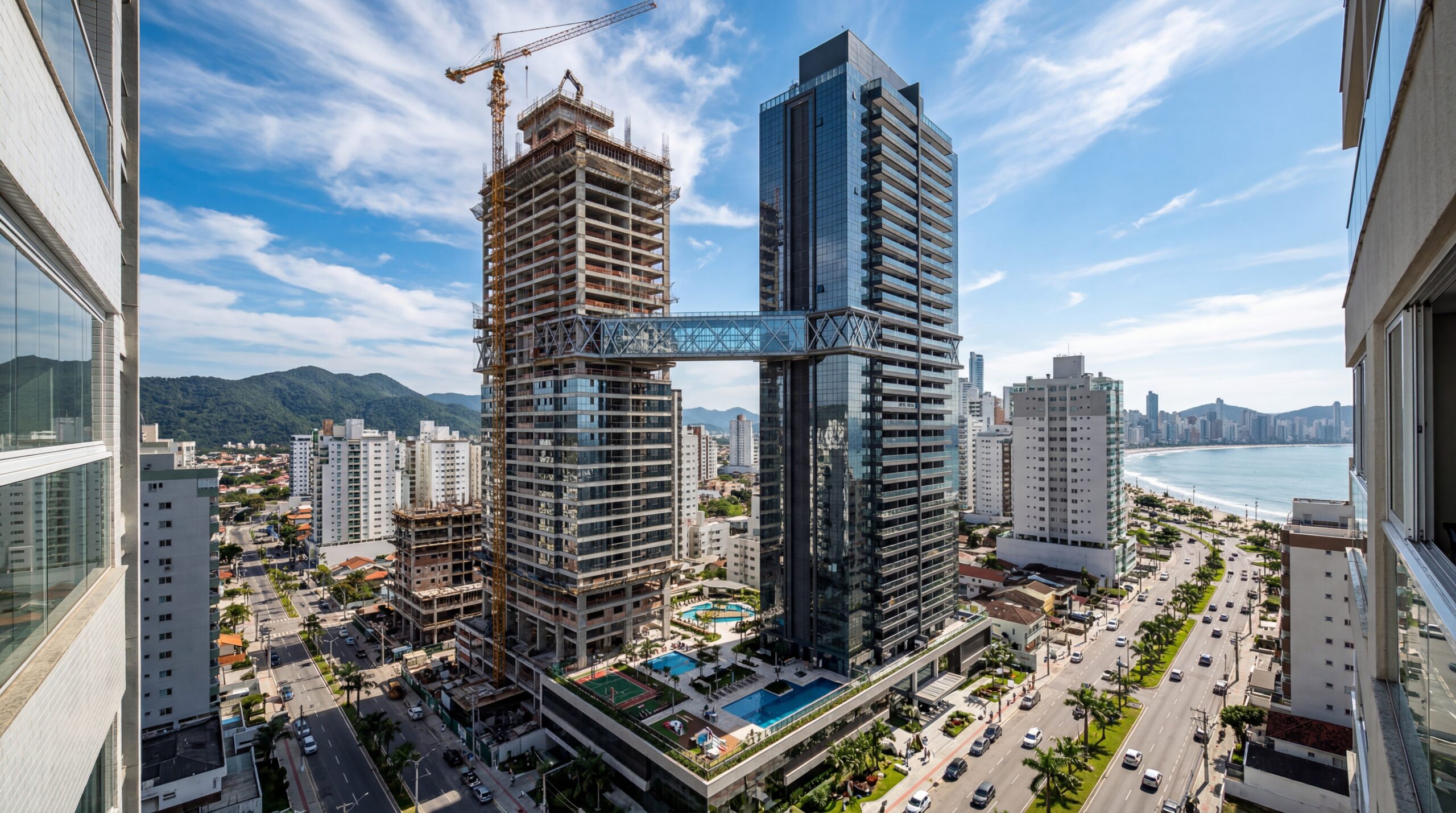
With 55 floors, 177 meters in height, a 15-meter walkway between the twin towers, ventilated facade, and 6,300 m² of leisure space, Ápice Towers already has one tower completed and another nearly at the top.

For A Long Time, However, This “Perfect Postcard Scenery” Meant Isolation. To Get From Chengdu, The Closest Major City, To Daocheng, It Took Nearly Two Whole Days By Road, Crossing Hundreds Of Kilometers Of Mountains, Vulnerable Sections To Weather, Erosion, And Lack Of Maintenance.
The Chinese Government Saw A Strategic Combination:
- A Remote Region With Tourist Potential
- A Population Far From Services And Urban Centers
- A Geography That Made High-Speed Rail Infeasible
Result: If The Idea Was To Shorten Travel Time, The Only Realistic Way Was By Air. And For That, It Would Be Necessary To Face The Challenge Of Building And Operating The Highest Airport In The World In A Plateau Where Even Humans Struggle To Function Normally.
Thin Air: Why Flying At The Highest Airport In The World Is So Different
Aviation Is Completely Dependent On Air Density. Engines, Wings, Braking: Everything Changes With Altitude.
At Sea Level, The Air Is Dense, Engines Easily Draw In Oxygen, Wings Generate Lift At Lower Speeds, And Drag Helps Brake The Plane During Landing. At 4,411 Meters, As In Daocheng Yading, The Scenario Is Different:
- Engines Have Less Oxygen To Burn Fuel
- The Wing Requires More Speed To Generate The Same Lift
- The Airplane Takes Longer To Slow Down After Touching Down
That Is Why The Highest Airport In The World Required A Disproportionately Long Runway For Its Size: 4,200 Meters Long, One Of The Longest In The World. It Is Not Because They Expect To Receive Giant Jets, But Because Physics Offers No Alternative.
And It Is Not Just The Airplane That Suffers. At 4,400 Meters, Oxygen Levels Drop To About 60% Of Normal. Altitude Sickness – Headaches, Dizziness, Nausea – Is Common For Those Who Arrive Without Acclimatization.
That Is Why:
- Crew Members May Use Oxygen Masks During Takeoffs And Landings
- The Terminal Provides Oxygen Available For Passengers Who Feel Ill
- Announcements Advise To Walk Slowly, Hydrate, And Rest Upon Arrival
Operating The Highest Airport In The World Meant Redesigning Not Only Flight Procedures But The Routine Of Crews, Ground Teams, And Passengers.
Building An Airport At 4,411 Meters In 2 And A Half Years

If Designing A High-Altitude Airport Is Already Challenging, Building It At That Height Is Another Level Of Difficulty.
The Plateau May Seem Flat From A Distance, But The Actual Terrain Is Full Of Ridges, Irregularities, Frozen Soil, And Steep Slopes. To Place A 4.2 Km Runway There, Engineers Had To:
- Cut Hills
- Fill Depressions
- Stabilize Naturally Unstable Soil
All Of This In An Environment Where Even Trucks And Tractors Are Less Efficient, Because Diesel Engines Also Lose Efficiency In Thin Air.
In Many Cases, It Was Necessary To Use Modified Or Specialized Machines To Operate Well Above Normal Altitude Limits.
The Weather Complicated Things Even More. Frost Is Common Even In Summer, And In Winter, Temperatures Drop Well Below Zero For Long Periods. Standard Concrete Simply Does Not Cure Properly In The Cold, So The Construction Required:
- Mixtures With Additives To Speed Up Curing
- Tighter Temperature And Drying Time Control
On The Human Side, The Challenge Was Equally Extreme. Workers Who Were Not Used To Altitudes Above 4,000 M Had Immediate Symptoms. The Solution Was:
- Rotating Shifts, With Frequent Breaks
- On-Site Medical Team
- Oxygen Tanks As Part Of Basic Safety
Even So, The Work Progressed At A Rapid Pace:
- Earthworks Began In 2011
- The Highest Airport In The World Was Inaugurated In September 2013
In Other Words, Just Over Two And A Half Years To Deliver A Large Airport In One Of The Most Hostile Environments In China. The Total Investment Was Approximately 1.58 Billion Yuans, About 255 Million Dollars At The Time – Less Than Many Airports In Easier Locations, Despite The Degree Of Difficulty Being Much Greater.
A Terminal Designed For The Highest Airport In The World

The Daocheng Yading Terminal Is Not Only Functional; It Was Designed To Reflect Where It Is And Who It Serves.
Viewed From Above, The Building Has A Smooth Curved Shape That Reminds One Of The Tibetan White Ceremonial Scarf, Used To Welcome Visitors. It Is Not A Literal Copy Of Traditional Architecture, But It Brings Local Symbolism Into The Design.
As It Is The Highest Airport In The World, The Internal Project Prioritizes:
- Short Pathways, So No One Has To Walk Too Much At Altitude
- Visual Clarity, Reducing Confusion For Those Arriving Disoriented
- Simple Temperature Control, Important In A Cold And Dry Climate
Inside The Terminal, There Are:
- Oxygen Supplementation Points
- Rest Areas Designed For Those Who Need To Acclimate Before Continuing Their Journey
The Idea Is For The Building To Help The Body Adjust To The Environment, Not To Become Yet Another Obstacle In A Place That Already Requires A Lot From The Organism.
What It Is Like To Operate Every Day At The Highest Airport In The World

The Flight Routine In Daocheng Yading Is Shaped By Altitude. Nothing There Is “Standard Manual”.
Some Characteristics Of The Operation:
- Pilots Need Specific Training To Approach And Take Off At High Altitude
- The Approach Requires Attention To Descent Rates And Possible Wind Shear
- Flights Are Generally Concentrated During Daytime, Because Rapid Weather Changes And Low Visibility Make Nighttime Operations Risky
The Types Of Aircraft Also Need To Be Carefully Chosen. Planes Like The Airbus A319 Are Common There, Typically Flying:
- With Less Fuel And Cargo, To Reduce Weight
- With Performance Calculated For Longer Runways And Less “Lofty” Climb
In The End, What Keeps The Highest Airport In The World Running Is Not A Special Airplane, But A Set Of Operational Rules Rewritten To Adapt To Thin Air.
Tourism, Local Economy, And The Effect Of Reducing Two Days To One Hour
Since Its Inauguration, The Most Visible Impact Has Been On Travel Time. What Used To Be Nearly Two Days By Road Is Now Just Over One Hour By Flight Between Chengdu And Daocheng Yading.
This Change In Time Scale Triggers A Series Of Cascading Effects:
- Tourism Is No Longer An Adventure For A Few And Becomes Accessible Year-Round
- Hotels Are Built, Restaurants Grow, New Jobs Arise In Services
- Residents Who Basically Lived Off Agriculture And Seasonal Transport Find Jobs In Hospitality, Regional Aviation, And Local Tourism
The Growth Is Not Explosive, But Continuous. The Region Starts To Look Less Like An Isolated Outpost And More Like An Integrated Piece Of The Development Strategy In Western Sichuan.
At The Same Time, Concerns Arise:
- How To Protect The Nature Reserve And Its Ecosystems With More Visitors?
- How To Prevent Mass Tourism From Pressuring Local Culture And Resources?
The Highest Airport In The World Helped Reduce Isolation, But Also Brought The Challenge Of Growing Without Destroying What Makes The Place Special.
A Laboratory For Aviation At High Altitude
Daocheng Yading Is Not The First High-Altitude Airport In China, But It Is The One That Took The Concept To The Limit. Before It, The Country Had Already Tested This Strategy In Other Points Of The Tibetan Plateau:
- Lhasa Gonggar, Inaugurated In The 1960s, At About 3,570 M
- Qamdo Bamda, From The 1990s, At About 4,334 M, With One Of The Largest Runways In The World
Outside China, The Most Famous Example Is The Airport In La Paz, Bolivia, At About 4,061 M. Daocheng Yading Goes Beyond That, With More Than 300 Meters Additional Altitude, Which In Aviation Makes A Real Difference In Performance.
With This, The Highest Airport In The World Also Becomes A Laboratory:
- In 2020, A Regional Jet Manufactured In China Was Tested There Under Real High-Altitude Conditions
- Designers Now Have A Natural Environment To Validate Design Choices Without Relying Solely On Simulations
The Message Behind The Project Is Clear: Difficult Geography Is No Longer An Excuse. China Is Willing To Redesign Infrastructure To Make High-Altitude Travel Part Of The Routine, Not An Exception.
What The Highest Airport In The World Says About The Future Of Infrastructure
Daocheng Yading Shows That, With Planning, Money, And A Lot Of Adaptation, It Is Possible To Make Planes Land And Take Off Every Day In A Place Where There Is A Lack Of Air For People, Engines, And Concrete.
The Highest Airport In The World Is Not Just A Record In Numbers. It Is Proof That It Is Possible To Transform Isolated Regions Into Connected Points, Rethinking Everything From Runway Layout To The Passenger Journey.
At The Same Time, It Raises Difficult Questions About Environmental Impact, Cultural Changes, And The Cost Of Bringing Modern Infrastructure To Sensitive Areas.
And You, Would You Take A Flight To The Highest Airport In The World Or Prefer To Continue Traveling Closer To Sea Level?





-

Uma pessoa reagiu a isso.