





 Portuguese
  English
  Spanish
  4 min of reading
  0 comments


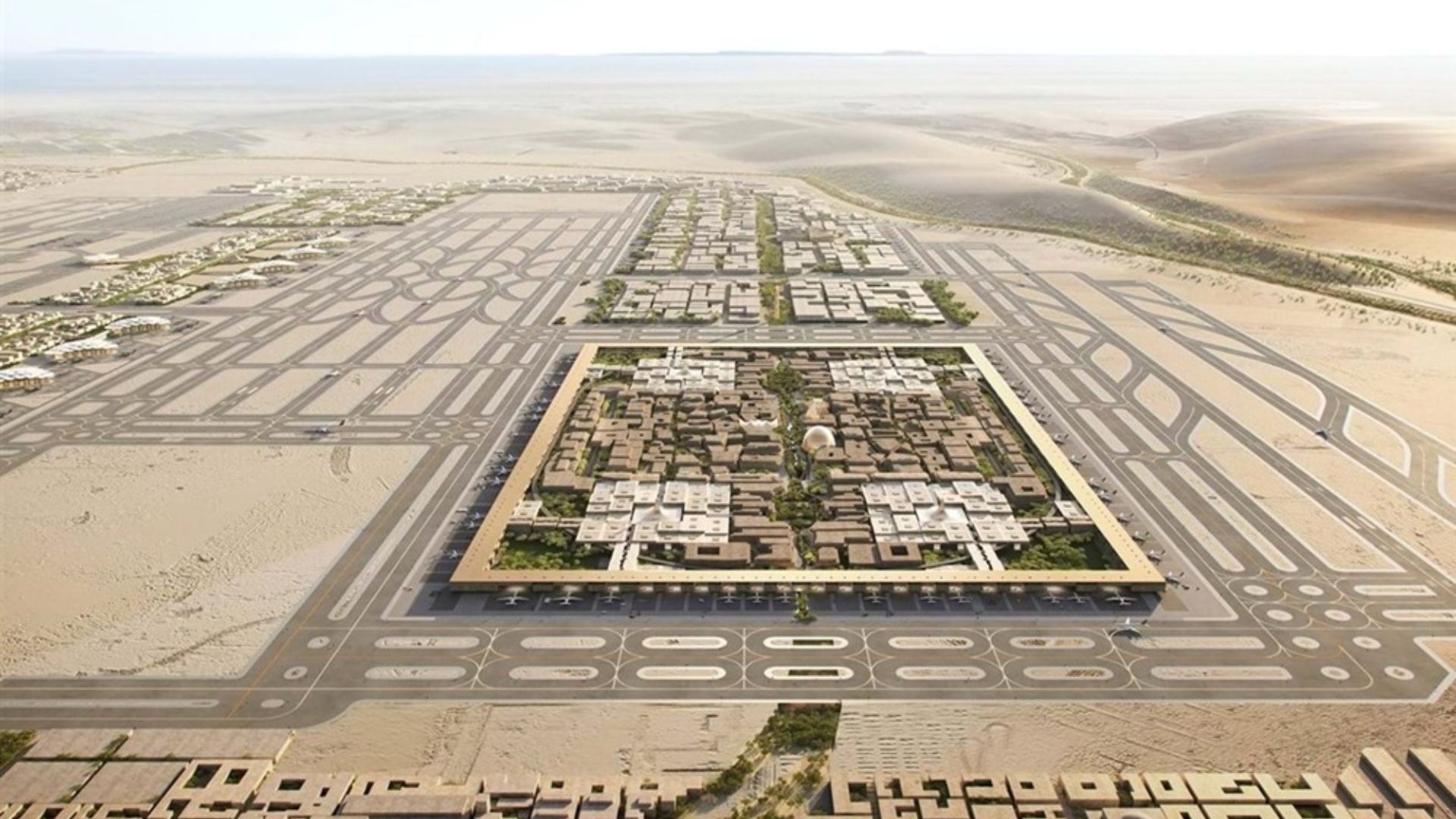
In Riyadh, Capital of Saudi Arabia, a Megaproject Advances to Create the Largest Airport in the World, with Its Own City, Six Parallel Runways, and Capacity of Up to 185 Million Passengers per Year by 2050.
Planned to transform Riyadh into a global aviation hub, the King Salman International Airport is under construction in the capital of Saudi Arabia and anticipates a total area of around 57 square kilometers, six parallel runways, and a designed capacity for 185 million passengers per year by 2050.
The first phase aims to serve up to 120 million travelers by the 2030s, according to official goals from the Saudi government.
Megaproject in Riyadh and Expansion Goals
Announced as a key piece of the national strategy, the project has been approved in the country and is expected to open in 2030, in phases.
-
A new underwater exploration, conducted at over 5,000 meters deep, managed to access the aircraft carrier USS Yorktown, which has been sunk for more than 80 years under the Pacific, and brought to light clues from one of its most enigmatic areas that reopen its history.

-
The city of Santa Catarina is experiencing a historic drought that has lasted four months, destroying livelihoods, drying up water sources, and leaving entire families without supply. The city hall has declared a state of emergency and has begun drilling artesian wells to survive.
-
The clay filter dominated Brazilian kitchens, but today it is forgotten! Even without electricity, it ensured fresh water and was one of the simplest ways to purify water.

-
Founded in 1580, just 35 kilometers from São Paulo, this city has almost zero crime, over 200 preserved colonial buildings, and is considered the safest in Brazil among municipalities with more than 100,000 inhabitants.


The proposal is for Riyadh to assume the role of an intercontinental hub, connecting the Americas, Europe, Africa, and Asia with multiple connection windows.
At the end of the expansion cycle, operations should surpass, in scale, the current King Fahd International Airport, also located in Saudi Arabia.
Infrastructure: Six Runways and Modular Terminals
The basic design provides for six parallel runways and a set of modular terminals to absorb seasonal peaks without compromising passenger experience.
The architecture has been entrusted to the Foster + Partners firm, responsible for integrating passenger circulation, road networks, and internal transportation systems.
The modular configuration allows new wings to progressively enter operation, reducing interruptions and maintaining aircraft turnaround efficiency.
Airport City Integrated with the Surroundings
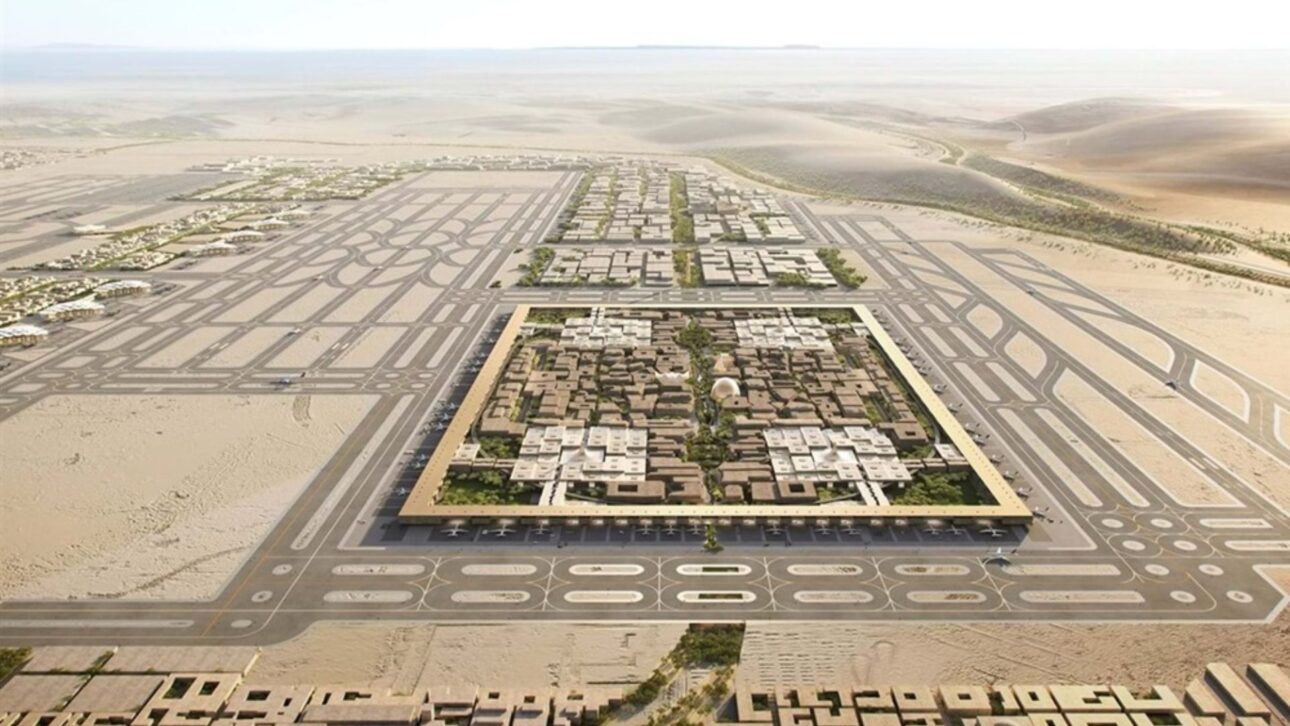
More than just an airport, the project is emerging as an aerotropolis.
Within the 57 km² perimeter, the land-use plan reserves residential zones and leisure areas integrated with trade and service hubs, aiming to attract companies in logistics, technology, and tourism.
The urban proposal envisions mixed use, with housing, hospitality, and convention centers directly connected to the terminals, in addition to road axes that correlate with the estimated population growth of Riyadh in the next decade.
Sustainability and Certification Goal
According to official guidelines, the construction will seek LEED Platinum certification, with the adoption of renewable energy and measures to reduce embodied and operational carbon.
The planning includes passive shading, low-impact materials, and water management suitable for the desert climate.
The goal is to reconcile high traffic capacity with reference environmental standards, a central point for a project of this scale in the Middle East.
Capacity and Schedule
The ambition is clear: to reach 120 million passengers/year by 2030 and achieve 185 million by 2050, in line with the expansion timeline of the Saudi air network.
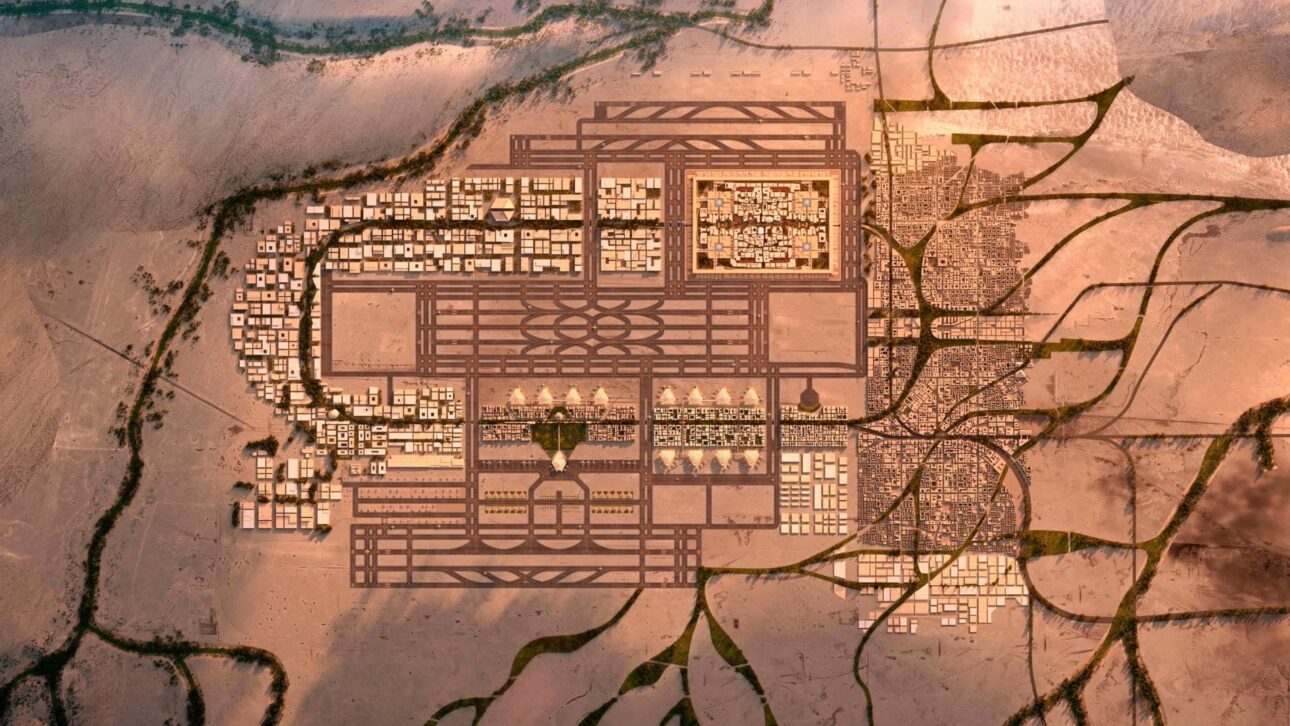
The phased schedule facilitates demand adjustments and allows for the incorporation of new operational technologies as safety and passenger processing standards evolve.
The 2030 goal considers, in addition to the increase in international traffic, the growth of tourism and corporate travel driven by investments in non-oil sectors.
Role of the Project in the National Strategy
The airport integrates the country’s economic transformation agenda, which seeks to reduce dependence on oil and expand the share of the services sector.
In this context, Riyadh aims to position itself among the ten most relevant urban economies in the world, supported by large-scale infrastructure and an ecosystem that blends logistics, aviation, and innovation.
The government’s reading is that a hub of this dimension can attract long-haul routes, aviation maintenance centers, and regional headquarters of airlines.
Comparison with Global Hubs
In terms of planned capacity, the ambition places Riyadh at the top of the megahub ranking, surpassing the numbers of airports that currently lead global traffic.
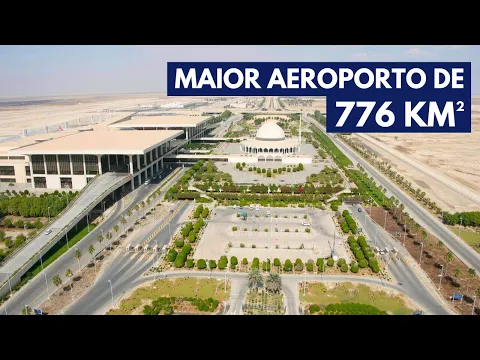

The combination of six runways, modular terminals, and an adjacent airport city creates an operational arrangement that aims to reduce connection times and increase resilience to disruptions.
At the same time, the presence of residential and recreational areas near the terminals responds to the logic of the aerotropolis, in which the local economy is organized around air traffic.
Connection with the Urban Network
To support the projected scale, the project depends on efficient connections with the road network and, above all, with high-capacity public transport systems.
Integration with metropolitan lines and express corridors should reduce pressure on road traffic and ensure predictable access for passengers and workers.
Meanwhile, the design of the internal roads prioritizes clear separation between cargo, service, and passenger routes, an essential measure to maintain service levels during peak hours.
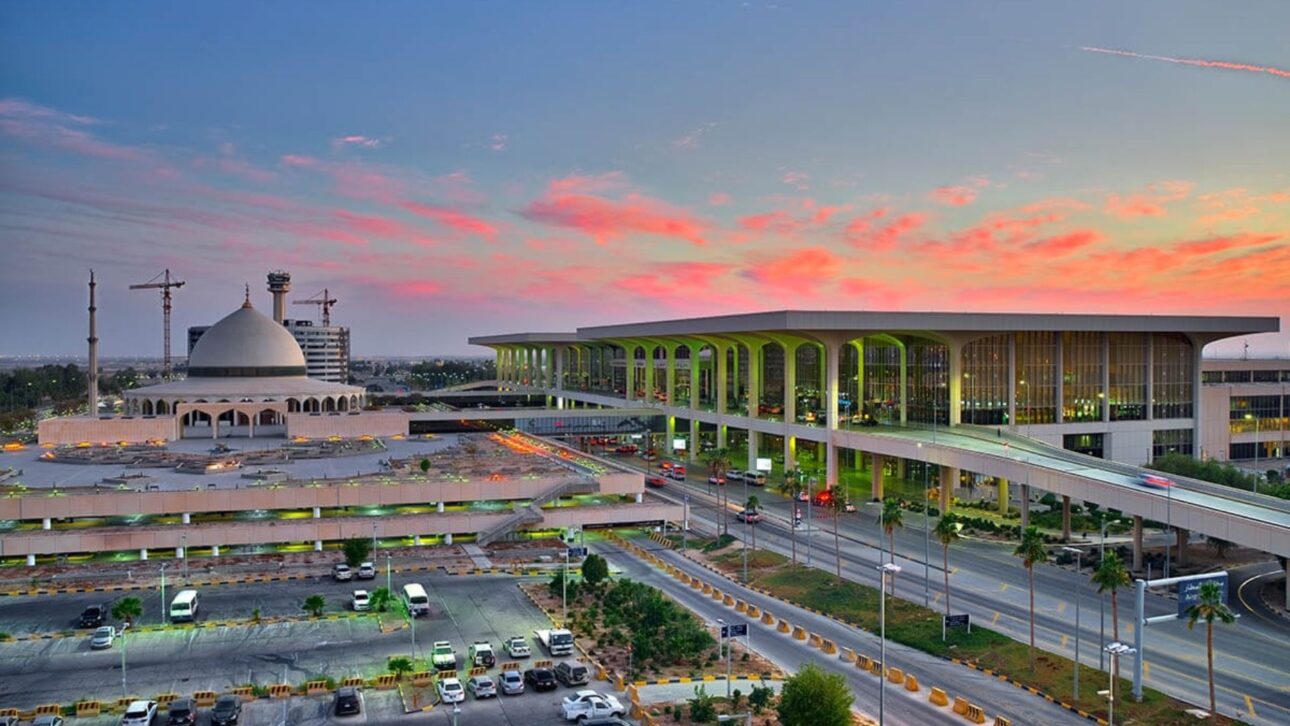
Expected Impacts on the Local Economy
The operation of a megahub is expected to generate direct and indirect jobs in aviation, hospitality, logistics, and maintenance, in addition to activating supply chains in construction and specialized services.
The consolidation of Riyadh as an intercontinental connection point may also redistribute air cargo flows, with efficiency gains in timelines and routes.
Still, the execution of the schedule, environmental certification, and attracting airlines will depend on coordination between the airport authority, government, and private partners.





-

-

2 pessoas reagiram a isso.