





 Portuguese
  English
  Spanish
  3 min of reading
  0 comments


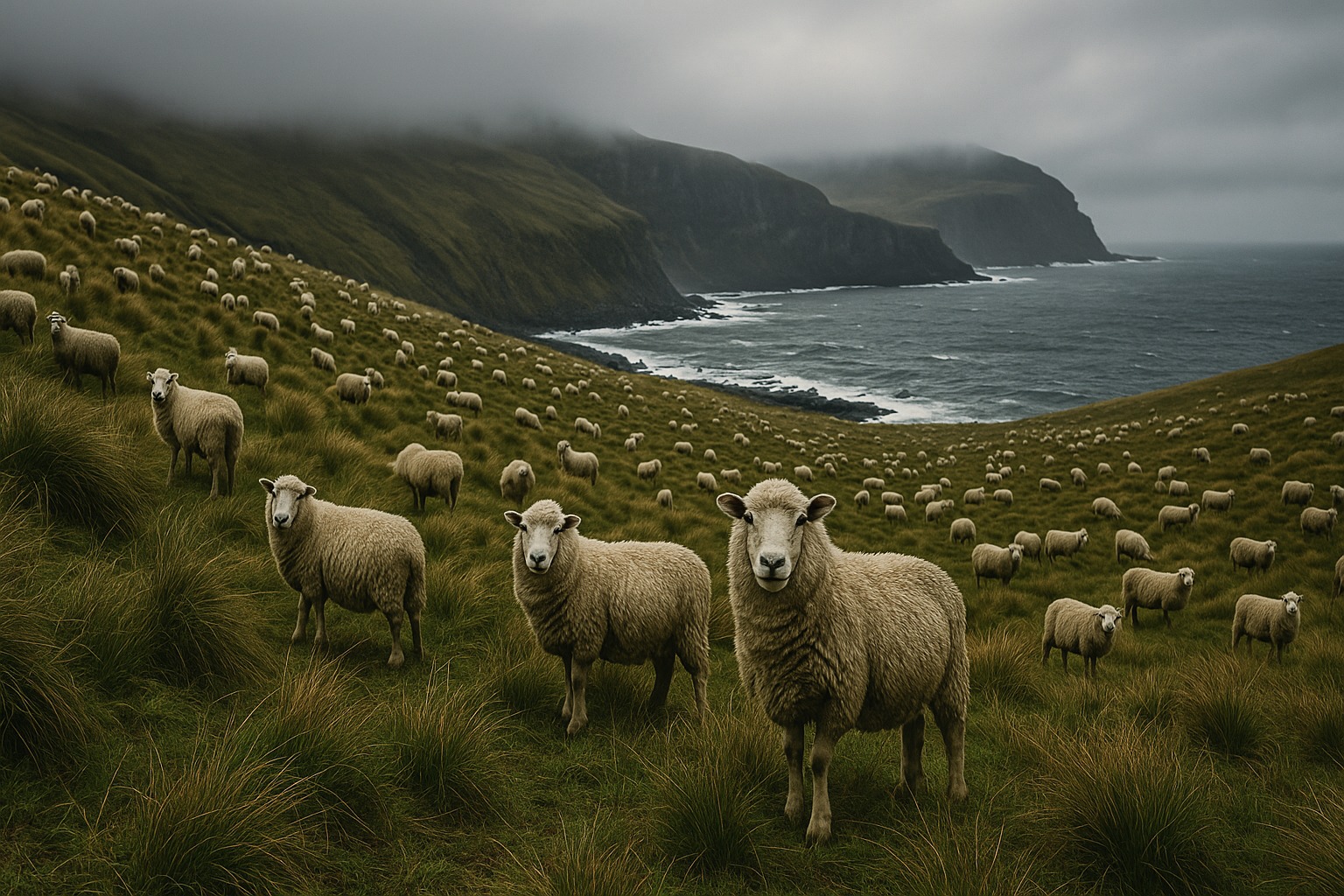
The Isolated Old Farm on Campbell Island Accumulated Thousands of Sheep Without Management, Degraded Native Vegetation, and Required Decades of Actions to Restore the Ecosystem
The agricultural journey of Campbell Island began in 1895 and advanced for decades until it was completely abandoned in 1931, as unstable shipping and the global recession made the continuation of the activity unfeasible. The grazing lease passed through the hands of several tenants and faced successive difficulties.
Additionally, the island had already been used since 1894 for cultivation, seal and whale hunting, and also served as a strategic point for coastal defense and meteorological observations. This set of activities shaped the first human cycle on the territory.
In 1895, about 400 sheep were introduced into the remote landscape. The isolation was extreme and made it difficult to find workers willing to stay there for long periods.
-
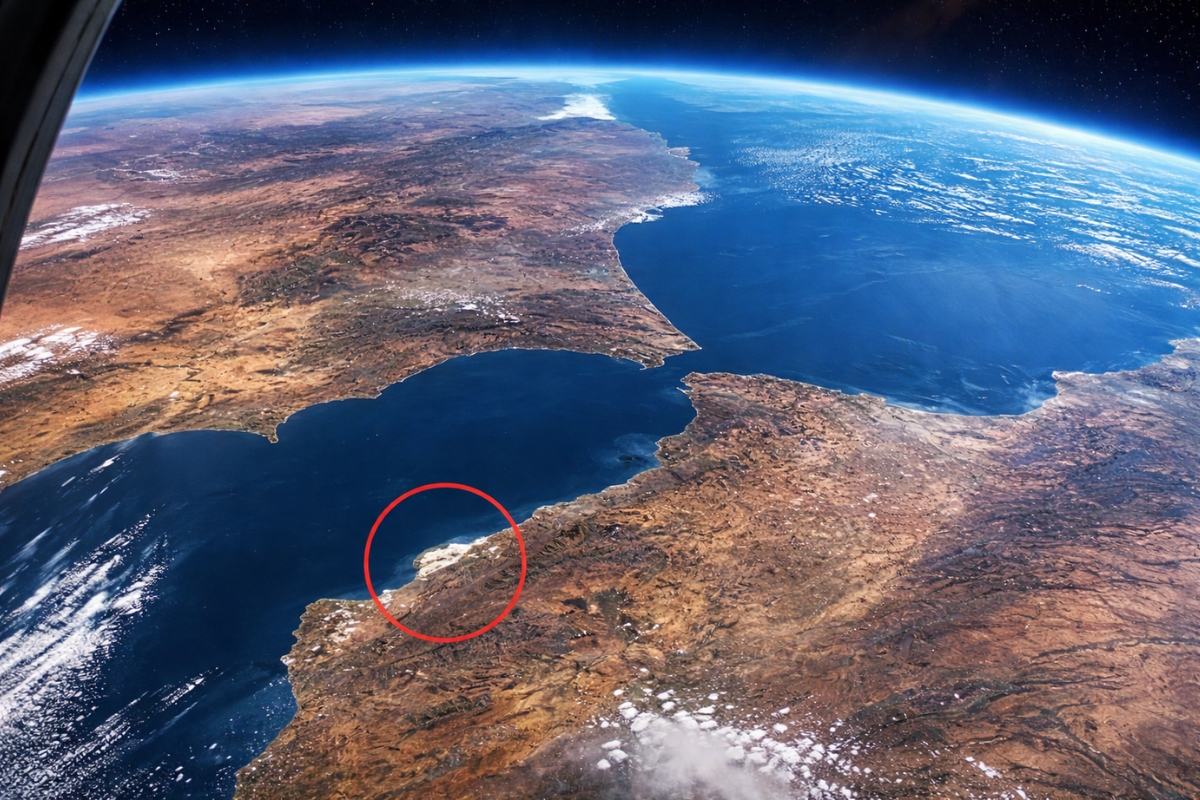
According to an analysis by NASA, only one human-made structure is visible from space, and it is not the Great Wall of China or the Pyramids of Egypt.
-
After 377 years of history, the Brazilian Army will have its first female general: Colonel Claudia Cacho has been promoted to brigadier general by Lula and will receive the sword and command baton this Wednesday in Brasília.

-
A Mercado Livre customer opened their package and found 32 resumes of people looking for jobs crumpled as protective paper inside the box, exposing names, addresses, documents, and phone numbers of dozens of candidates.

-
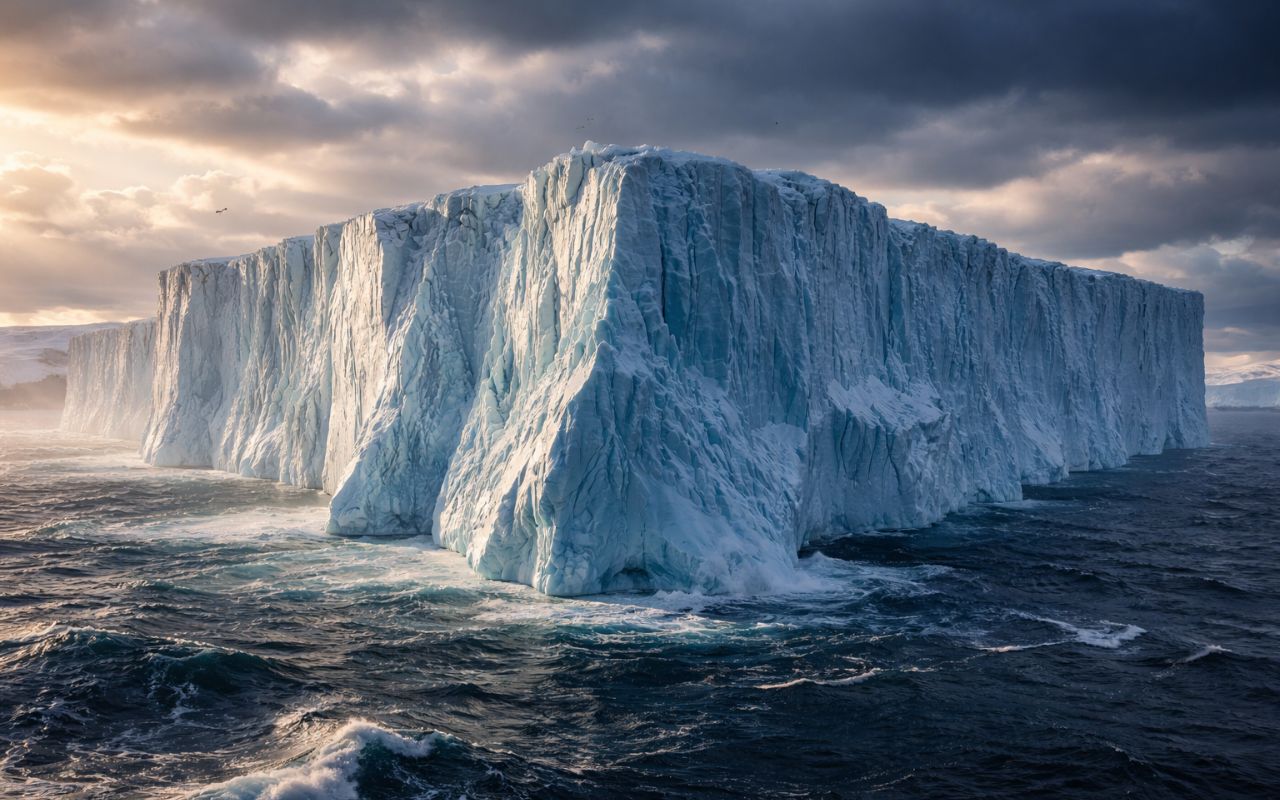
Iceberg A23a, one of the largest in the world, is undergoing accelerated collapse and may disappear: what explains the end of the ice giant?

A few years later, shepherds from the Shetland Islands in northern Scotland were hired to ensure the farm’s operation.
However, the operation began to lose momentum in the 1920s. The number of ships arriving at Campbell Island decreased, making it more difficult to receive basic supplies.
This limitation affected the daily lives of the workers and reduced the prospects for the continuity of production.
In 1927, approximately 5,000 sheep were released in the territory. This measure aimed to expand the flock and maintain the viability of the breeding.
But meat and sheep prices plummeted shortly thereafter. The crisis hit the tenant John Warren hard, who abandoned the island in 1931, leaving it in a state of misery, along with a large contingent of sheep already without human management.
The complete history of agricultural operations was never fully documented. However, the diary of Alfred Austin, written daily from November 1919 to November 1921, provides a rare insight into the breeding routine in an oceanic environment isolated from continuous colonization.

Wild Sheep and the Growing Environmental Impact
With the departure of the last workers, the sheep remained on the island and began to live completely wild.
Estimates suggest that the population may have reached between 7,000 and 8,000 animals around 1913, which put significant pressure on the native vegetation in the following years.
The intensity of grazing accelerated environmental degradation because the local flora was not adapted to the impact of exotic mammals. The loss of vegetation cover made the area sensitive and more prone to lasting damage.
In 1954, Campbell Island was officially declared a nature reserve. The status marked a turning point in environmental protection.
Starting in 1970, a program began to eradicate the wild sheep. Fences were erected in 1970 and 1984 to divide the territory and organize the gradual removal.
Approximately 7,000 animals were culled throughout the stages, until the definitive completion in 1992.
The goal was to restore the subantarctic ecosystem of the island. Therefore, the removal of the sheep sought to protect highly fragile flora, fauna, and habitats.
Recovery began to emerge with the increase of native plants, such as macroforbs and grasses.
The saga of the sheep on Campbell Island demonstrates how agricultural practices in remote environments can provoke broad and prolonged impacts.
Moreover, it highlights the challenge of rebuilding an ecosystem after decades of intense environmental pressure.
With information from Doc.govt.nz, Wikipedia, and other sources.






-

-

-

-

-

-

49 pessoas reagiram a isso.