





 Portuguese
  English
  Spanish
  6 min of reading
  0 comments


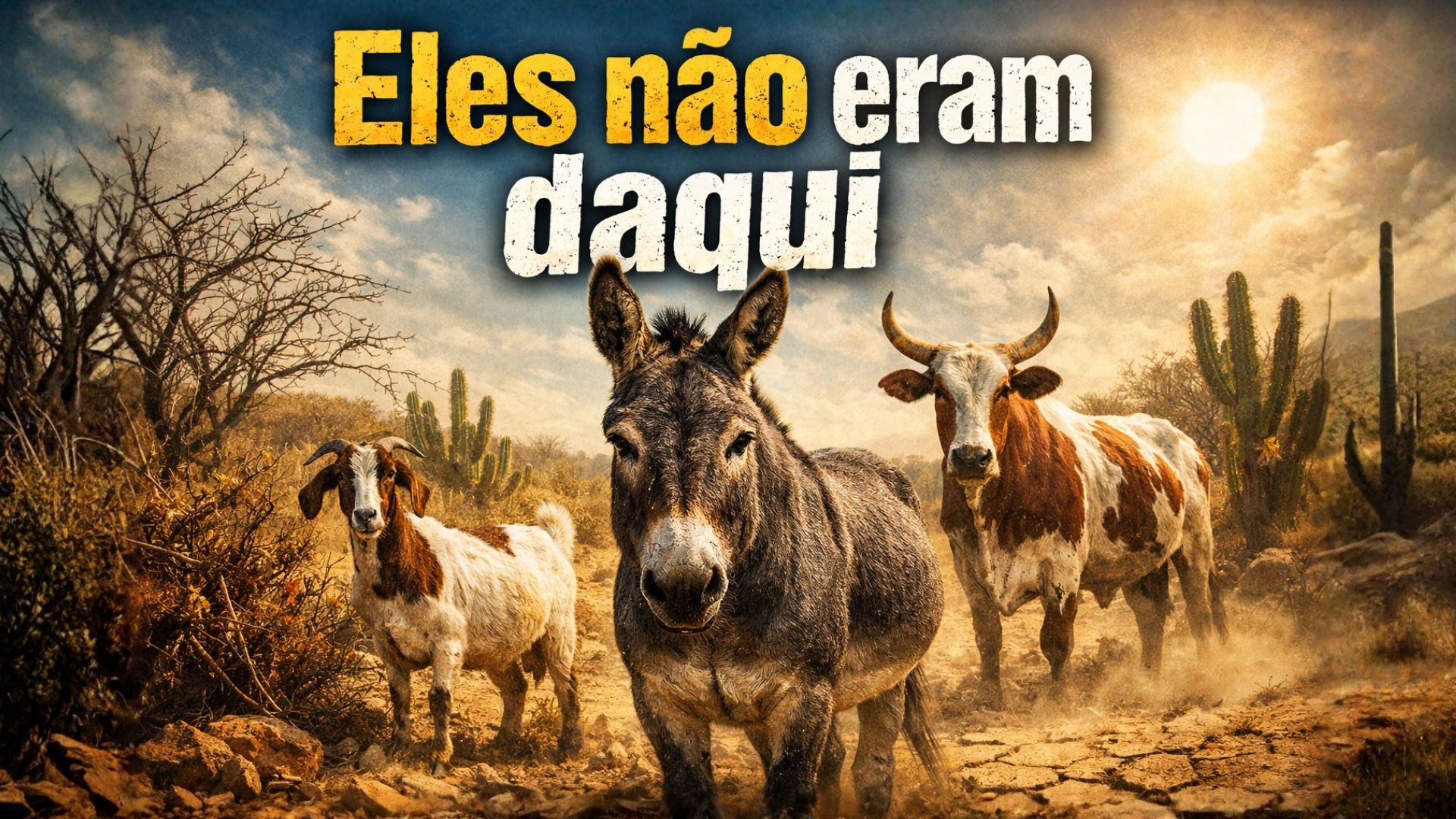
Animals Brought From Other Continents Shaped The Sertão When Facing Water Scarcity, Extreme Heat, And Poor Soils, Undergoing A Natural Selection Process That Defined Which Species And Breeds Would Withstand The Brazilian Semi-Arid.
Cattle in sparse pastures, goats moving among bushes, chickens in the yard, donkeys making their way on dirt roads: the scene that marks the sertão gives the impression that these animals have always belonged to the Caatinga.
The story, however, is different. Much of what is seen today in the northeastern semi-arid region gained scale with human occupation of the interior and the arrival of domestic species that came from outside the biome.
In just a few generations, the herds and livestock came to occupy a central place in the rural landscape and in the daily lives of those who live from the land.
-
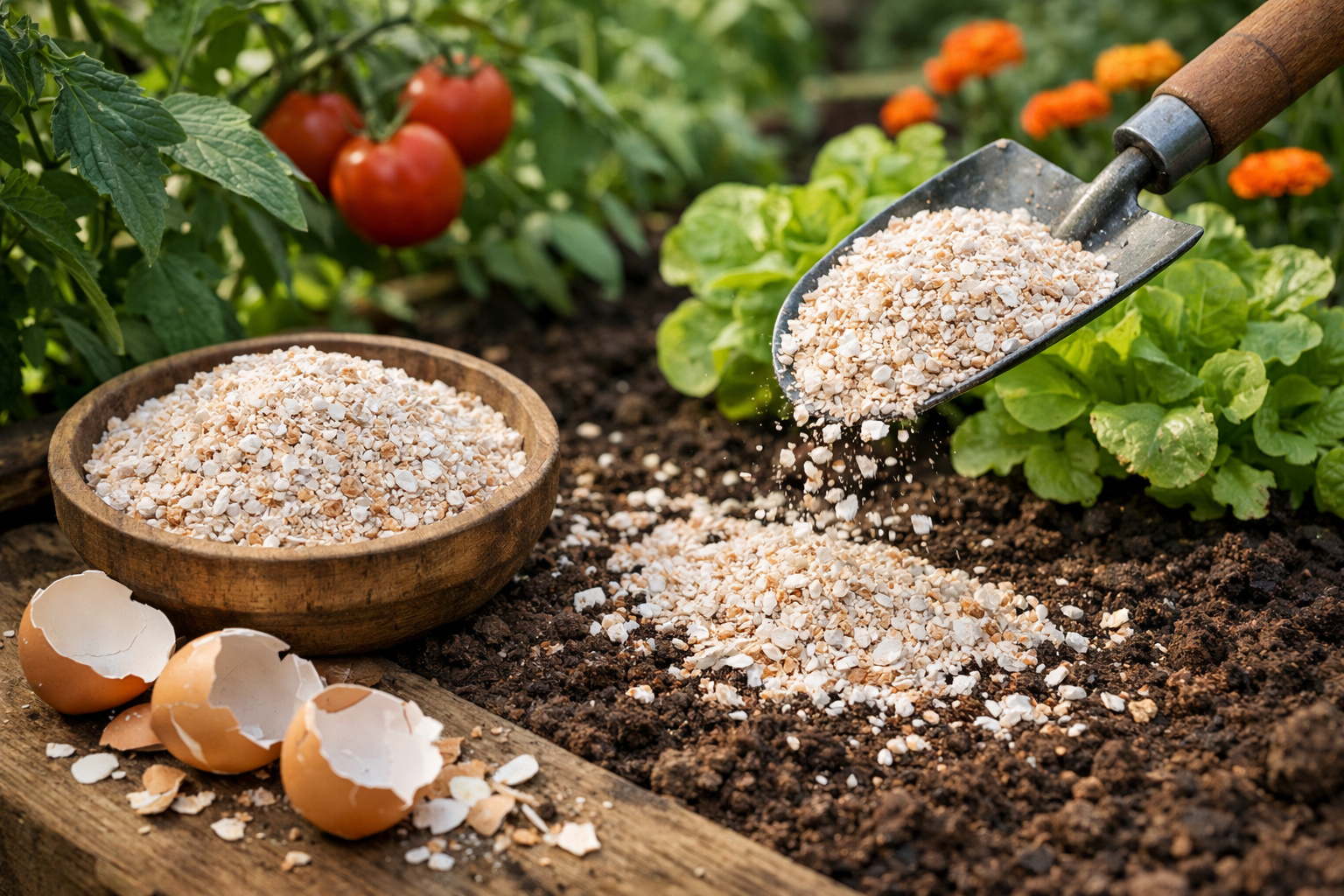
The eggshell that almost everyone throws away is made up of about 95% calcium carbonate and can help enrich the soil when crushed, slowly releasing nutrients and being reused in home gardens and vegetable patches.
-
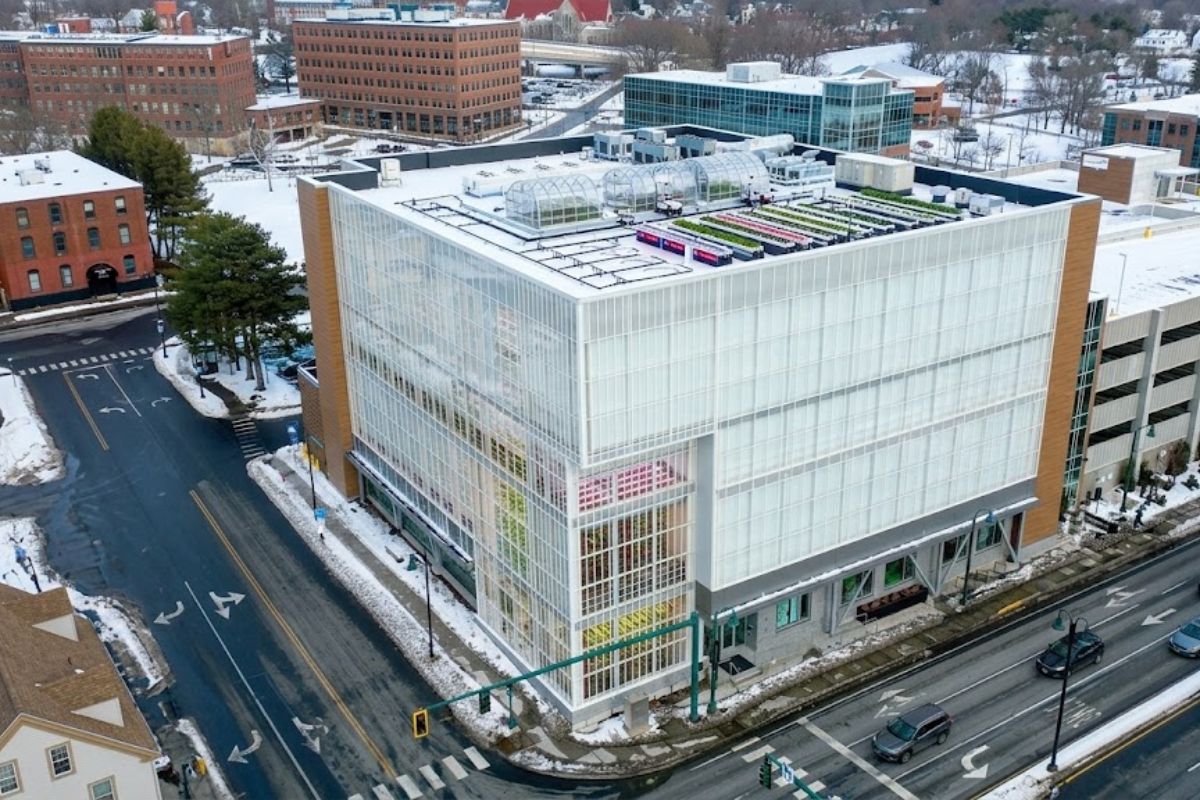
This farm in the United States does not use sunlight, does not use soil, and produces 500 times more food per square meter than traditional agriculture: the secret lies in 42,000 LEDs, hydroponics, and a system that recycles even the heat from the lamps.
-
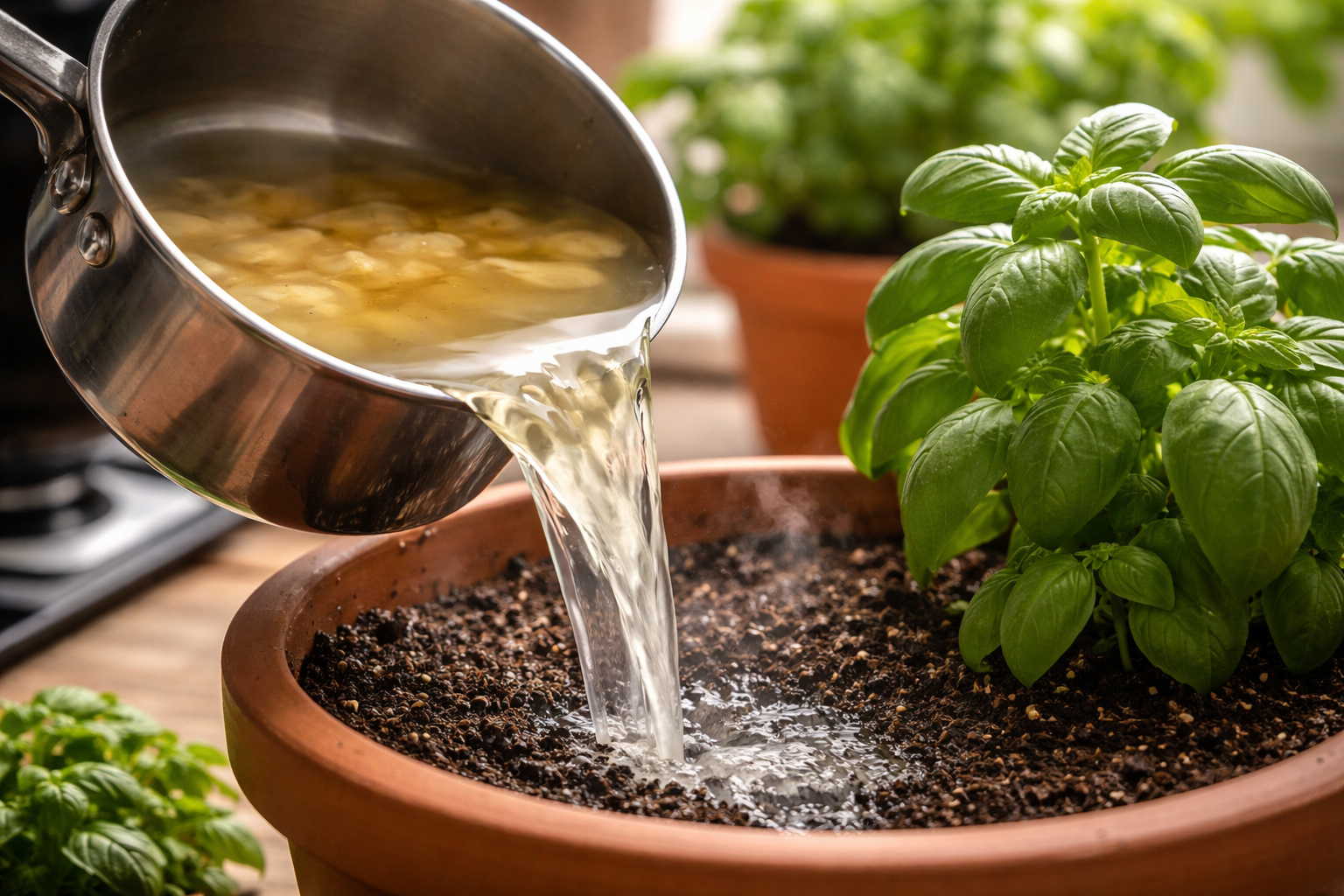
The water that almost everyone throws away after cooking potatoes carries nutrients released during the preparation and can be reused to help in the development of plants when used correctly at the base of gardens and pots, at no additional cost and without changing the routine.
-
The sea water temperature rose from 28 to 34 degrees in Santa Catarina and killed up to 90% of the oysters: producers who planted over 1 million seeds lost practically everything and say that if it happens again, production is doomed to end.


At the same time, the constant presence of these animals helped reshape the relationship between people, soil, and vegetation in a region where water and food fluctuate with the irregularity of the rains.
Caatinga Imposed Extreme Natural Selection On Introduced Animals
The entry of domestic animals into the sertão was not solely due to the planning of those advancing into the interior.
One thing is transporting cattle, goats, birds, and donkeys; another, very different, is keeping them alive and productive in an environment that was not shaped for them.
The semi-arid imposes a set of constraints that are hard to circumvent.

The availability of water varies greatly throughout the year, shade may be scarce, and there always seems to be a limit on food, which increases with the rains and disappears when drought extends.
In this scenario, survival depends more on efficiency than on size or strength.
It was this continuous pressure that, over time, selected the most adapted animals to heat and scarcity.
Some types did not survive or lost ground; others consolidated by requiring less water, enduring long walks, and transforming poor vegetation into enough energy to move forward.
Curraleiro Pé-Duro Symbolizes The Adaptation Of Cattle To The Sertão
Among cattle, one name synthesizes adaptation to the sertão: the curraleiro pé-duro.
The breed has origins linked to the first European cattle that arrived in Brazil during the colonial period, but it was in the interior, under constant heat and limited food, that the cattle were selected until forming a type recognized for its hardiness.
The curraleiro pé-duro stood out for its functional characteristics in a hostile environment.
Instead of relying on abundant pastures and water, it managed to survive on poorer forage, travel greater distances, and better cope with thermal stress than more demanding animals.
Thus, while other lineages did not secure their position, this cattle remained in the landscape.
Over time, the economic logic of livestock farming changed.
The introduction of breeds with greater production potential reduced the commercial space of the curraleiro pé-duro and put the breed at risk of extinction in several areas.
In response, research institutions and breeders began to engage in conservation programs, seeking to maintain the genetic heritage of a bovine shaped by semi-arid conditions.
Goats Dominated The Semi-Arid By Exploring Vegetation Ignored By Other Animals

If cattle needed adaptation to survive, goats found in the sertão an environment with less direct competition for food.
Domesticated millennia ago in the Old World and brought to Brazil during colonization, they fit well into the logic of the semi-arid.
Goats easily move among bushes and branches, taking advantage of leaves, shoots, and fibrous vegetation.
This ability allows them to tap into resources that other animals ignore, especially during drought.
The goat transforms scarcity into a competitive advantage, sustaining itself where larger livestock face more difficulties.
Over generations, groups adapted to the semi-arid became established.
Names like Mochotó, Canindé, and Repartida emerged from continuous breeding in an irregular and unpredictable environment.
Today, goat farming is a pillar of the northeastern rural economy.
Data from IBGE indicate that the Brazilian herd reached 13.3 million animals in 2024, concentrated mainly in the Northeast, with highlights for Bahia and Pernambuco.
Chickens And Guineafowl Flourished Around Houses In The Sertão
The birds followed a distinct path.

Instead of occupying large areas, they concentrated around the houses, where human presence modifies the environment daily.
Food scraps, scattered grains, insects, and shaded areas created conditions that do not exist in open Caatinga.
The yard became a space of its own.
It was there that chickens and guineafowl established themselves, providing eggs, occasional meat, and pest control even in critical periods.
The guineafowl also gained ground due to a behavior valued in rural daily life.
Noisy and watchful, it reacts to any strange movement, functioning as a natural alert in the vicinity of the houses.
Still, the concentration of birds around the houses also exerts local pressure on the soil and vegetation, especially when there is no management.
Donkey Connected The Sertão Before The Roads
Few animals carry as much symbolism in the semi-arid as the donkey.
It entered the interior as a response to a basic challenge: movement in a territory without roads and with long distances between water points.
It carried water, firewood, charcoal, supplies, and tools along trails where vehicles could not reach.

Under intense sun, it walked long stretches, made short stops, and moved on.
Its economic metabolism allowed it to survive where other animals would fail.
With the expansion of roads and the popularization of motor vehicles, this practical function diminished rapidly.
Official data and recent surveys indicate a sharp decline in the population of donkeys in Brazil over the last few decades.
Experts warn of the risk of the animal disappearing in the country by 2030, if trends continue.
Extensive Livestock Farming Pressures Soil And Vegetation Of The Caatinga
The history of these animals in the sertão is not only about resilience.
Continuous extensive farming exerts pressure on the soil and vegetation.
Trampling compacts the soil, reduces water infiltration, and hinders natural regeneration.
With less plant cover, native species lose ground, and wild animals become rarer in areas of intensive use.
The Caatinga has not collapsed, but it has started to operate under accumulated wear.
A recent official document indicates that 42.6% of the native vegetation of the biome has already been lost, as a result of decades of exploitation and inappropriate use of natural resources.
The challenge, therefore, is not to remove these animals from the sertão.
They are part of the history, economy, and regional identity.
The central issue is management, choosing suitable breeds, delimiting grazing areas, and allowing enough time for vegetation to regenerate.
If the semi-arid has shaped animals capable of surviving at the limit, to what extent will the biome itself withstand continuous pressure in the coming decades?








-

-

2 pessoas reagiram a isso.