





 Portuguese
  English
  Spanish
  3 min of reading
  0 comments


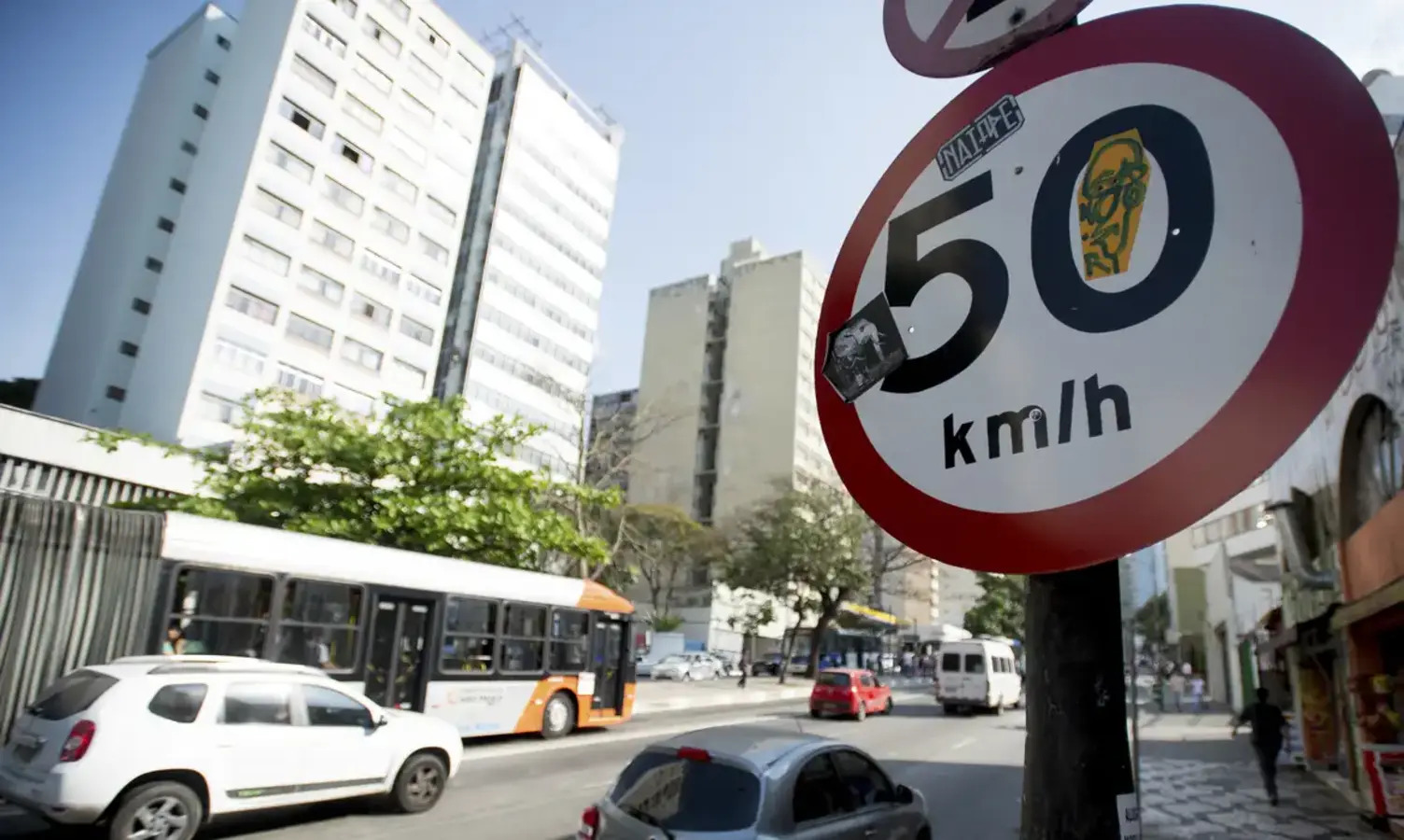
In Brazil, Driving at Dangerous Speeds Includes Excess or Recklessness Within the Limit, with Fines, Points on the Driver’s License, and Even Suspension
In Brazil, driving at dangerous speeds is a traffic infraction aimed at preserving safety on public roads. The goal is to protect drivers, pedestrians, and other road users. The legislation establishes specific limits for each type of road, considering factors such as population density, road characteristics, and the presence of sensitive areas like schools and hospitals.
The definition is not limited to exceeding speed limits. It also includes driving recklessly within the permitted limit, for example, in adverse weather conditions or in areas with heavy pedestrian traffic.
In such cases, even when following the signage, the driver can endanger lives.
-
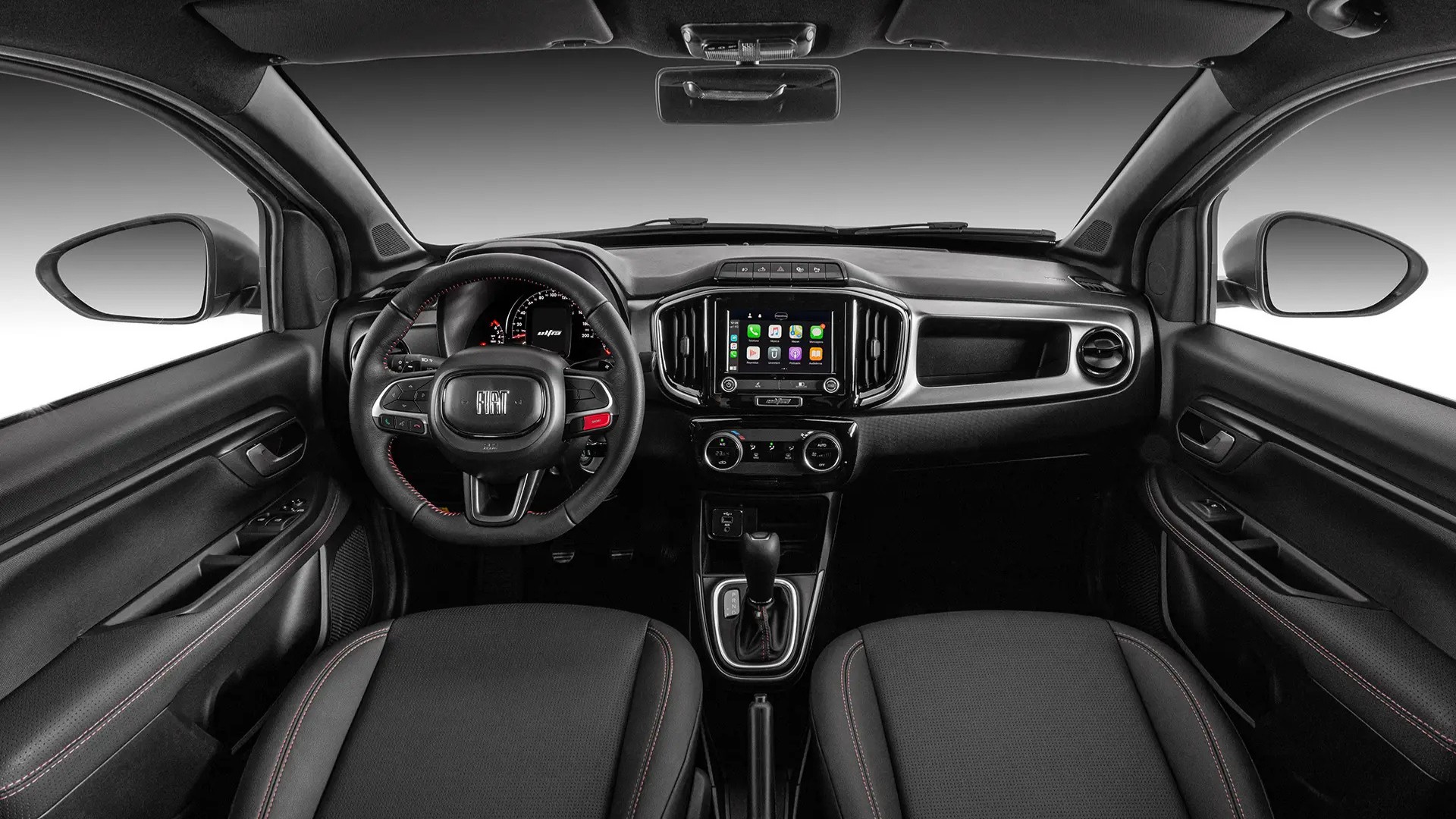
With a 1.3 engine, nearly 700 km of range, and Turbo 200, the Fiat model surpasses Polo, Tera HB20, and Onix, becoming the best-selling car in March; see the numbers for the Fiat Strada and others.
-
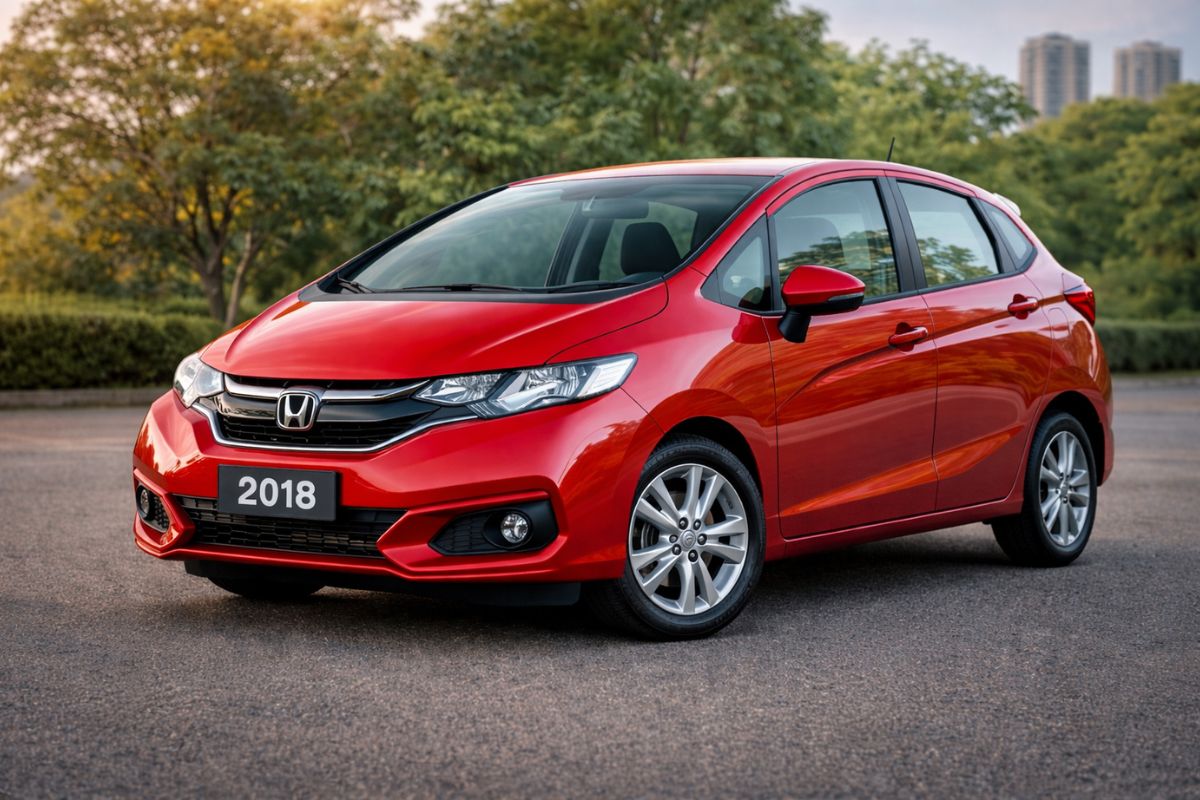
The Honda Fit has been discontinued for years, but the 2018 model is worth more today in the Fipe table than it cost brand new, proving that this used car, valued with a 1.5 i-VTEC engine and Magic Seat, only increases in price.
-
Volkswagen unveiled the 2027 Atlas with a 282-horsepower EA888 turbo engine, a 15-inch screen, massage seats, and a completely new interior to finally elevate the three-row SUV built on the MQB platform to a new level.

-
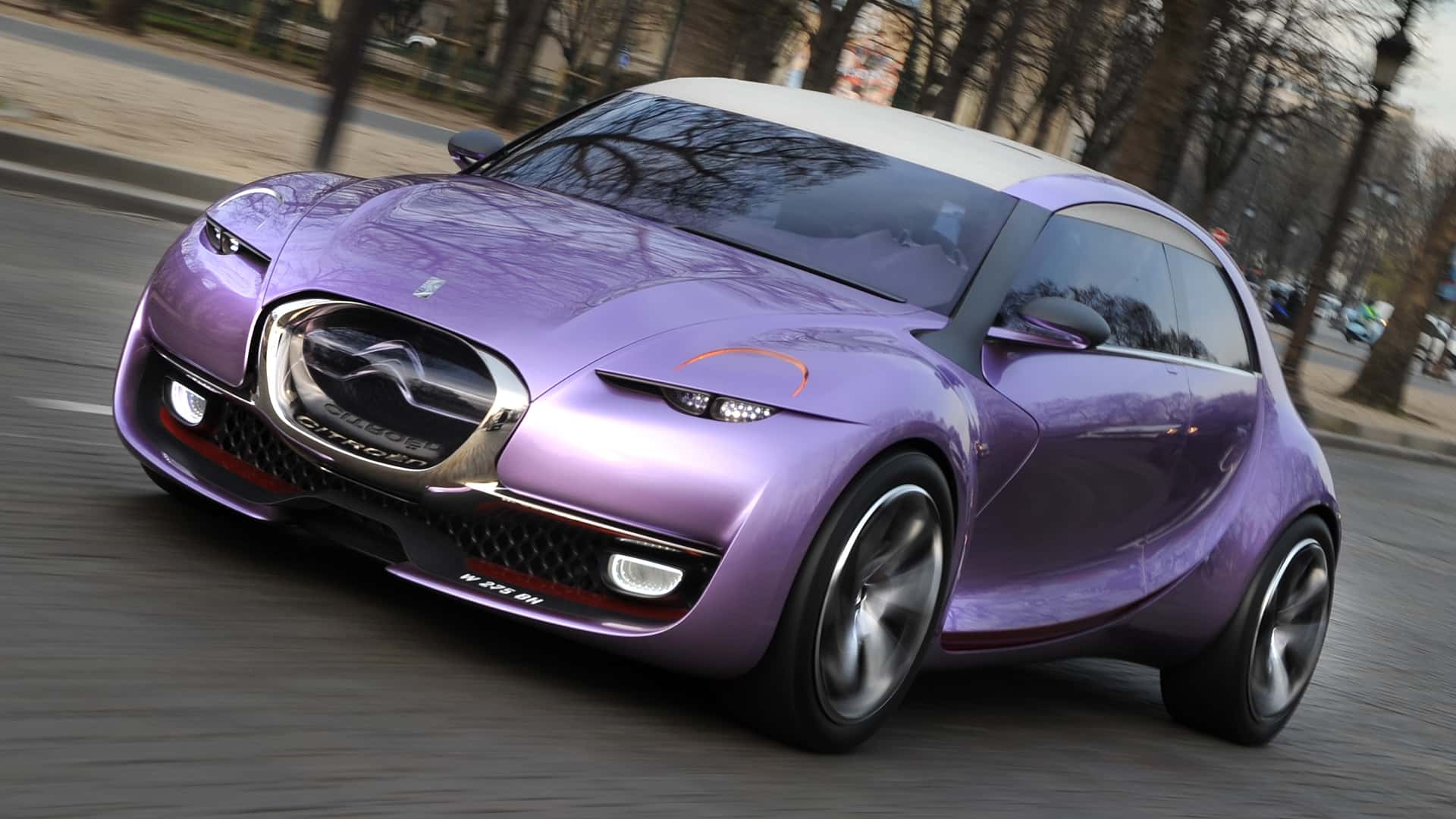
After decades out of the spotlight, Citroën is preparing to bring back the legendary 2CV as a low-cost electric vehicle, betting on the revival of one of the most popular cars in history and aiming to enter the race for affordable compact cars.

Criteria for Identifying Dangerous Driving
Dangerous speed is assessed based on objective and subjective criteria. The objective criteria involve the speed limits established by law, which vary according to the type of road: highways, urban areas, or school zones.
The subjective criteria refer to the appropriateness of speed relative to traffic conditions, weather, and terrain.
Another essential point is the driver’s ability to react to unexpected situations, such as a pedestrian suddenly crossing the street.
To monitor and curb excesses, authorities use radars, cameras, and on-site enforcement. These resources allow for the identification of behaviors that increase the risk of accidents and compromise public safety.
Penalties Specified by Legislation
The Brazilian Traffic Code (CTB) is strict with drivers who commit this infraction. The penalties vary according to the recorded excess:
- Medium Infraction: speed up to 20% above the maximum. Fine and 4 points on the driver’s license.
- Severe Infraction: between 20% and 50% above the maximum. Fine and 5 points on the driver’s license.
- Very Severe Infraction: more than 50% above the maximum. Fine, 7 points, and immediate suspension of the right to drive.
In cases of extreme risk to life, the penalty may include detention. In these situations, not only the excess is assessed, but also the context, such as the presence of children or the occurrence’s location in residential or school areas.
Ways to Avoid Fines and Risks
Avoiding fines for dangerous speed requires constant attention. Respecting the limits is essential, but it is equally important to adapt driving to road conditions. Rain, fog, and slippery roads call for an immediate reduction in speed.
Prudence at intersections, attention to signage, and respect for heavily trafficked areas contribute to safer traffic.
Refresher courses and traffic education also help drivers to better understand the laws and maintain safe practices. These actions reduce the likelihood of infractions and benefit the community.
Social Consequences of Dangerous Driving
Dangerous speed affects not only the driver. Accidents caused by excess or recklessness result in serious injuries, deaths, and high costs for families and the public health system.
Emergency services become overwhelmed, and often the recovery of victims requires prolonged treatments.
In addition, collisions and risky maneuvers disrupt vehicle flow, increase congestion, and elevate pollutant emissions.
The environmental impact is a side effect that also needs to be considered.
Collective Responsibility and the Need for Awareness
Traffic safety depends on a responsible attitude from everyone. Drivers, pedestrians, and cyclists share the duty of respecting the rules and adopting preventive behaviors.
Governments and traffic agencies play an important role by investing in educational campaigns and improvements to road infrastructure.
Reducing accident rates involves creating an environment where respect for the law is seen not as an isolated obligation, but as a collective commitment.
By combining enforcement, education, and conscious behavior, it is possible to make Brazilian roads safer and more efficient.
With information from O Antagonista.







Seja o primeiro a reagir!