





 Portuguese
  English
  Spanish
 4 min of reading
  3 comments


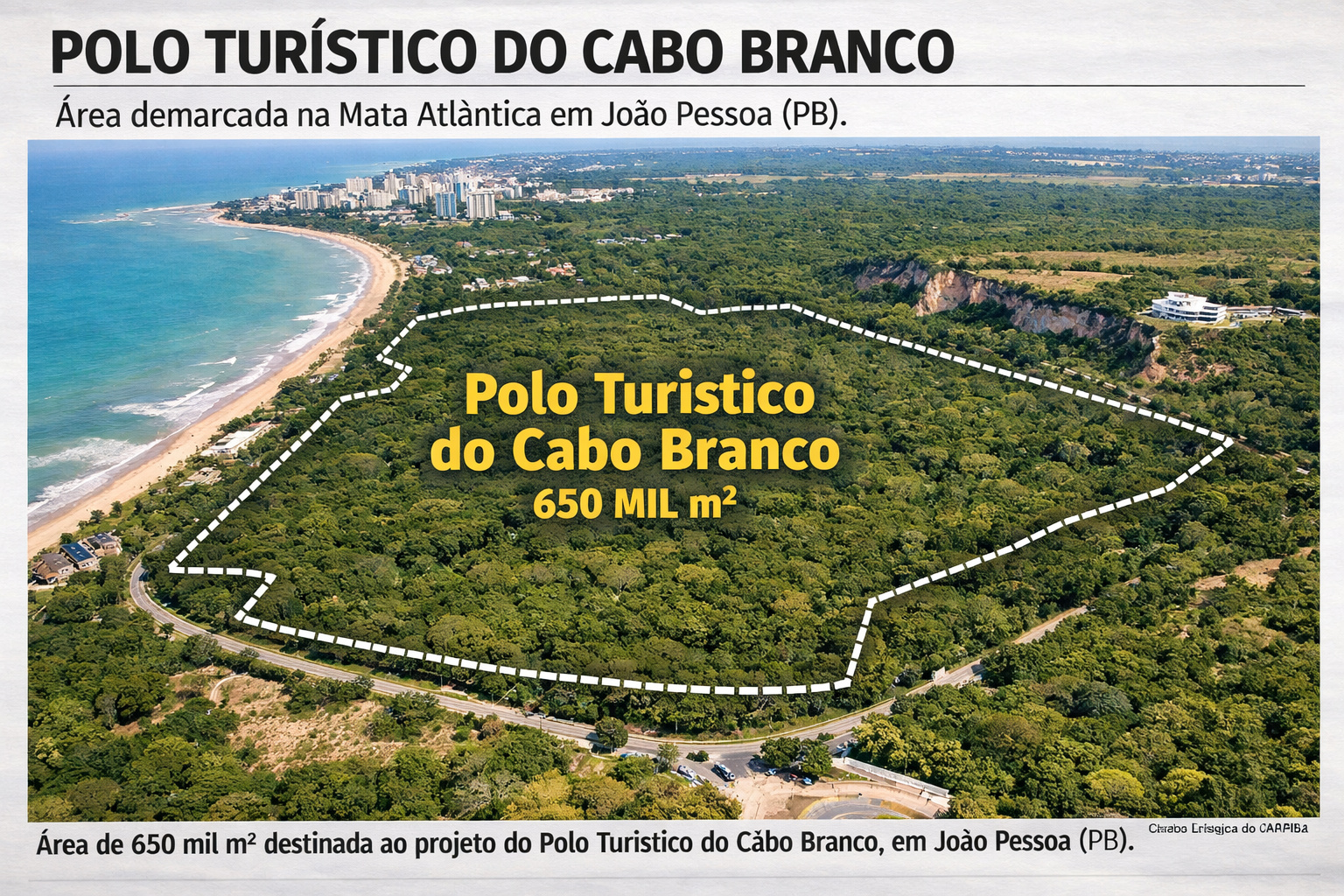


Tourism-Hotel Project Planned for Sensitive Environmental Area Ignores Contemporary Tourism Trends While Compromising Nature, Local Economy, and Urban Future of the City
At the moment when João Pessoa consolidates itself as one of the most promising destinations in the world for tourism, paradoxically, a strategic decision puts that future at risk. Instead of strengthening the city’s main differentiator — nature — the Cabo Branco Tourism Hub threatens to compromise a large part of the environmental heritage that supports local tourism growth.
The information was disclosed based on a scientific research published in the Brazilian Journal of Ecotourism, in November 2024. According to the study, the project presents serious flaws in urban and tourism planning. Moreover, the article highlights socio-environmental impacts that could be irreversible if the development proceeds without revision.
An Old Project That Ignores the Evolution of Tourism and Urbanism
Conceived back in the 1980s, the Cabo Branco Tourism Hub was born in a completely different context than today. Since then, concepts such as sustainable tourism, experience economy, and integrated urban planning have evolved significantly. However, the project reappears practically without structural adaptations.
-
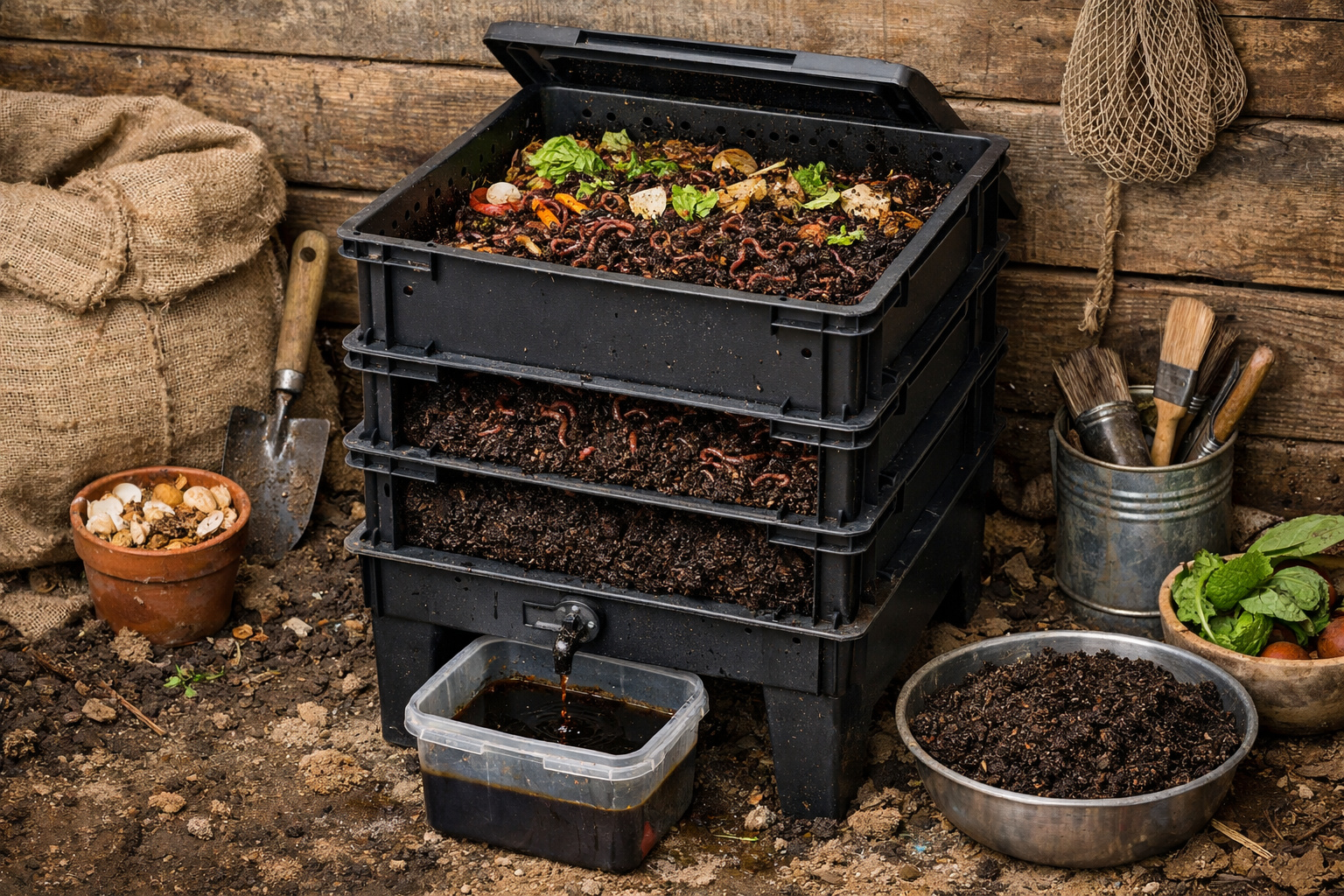
6 sources of free fertilizer that you are throwing away every day and can transform your garden without spending anything.
-
With a water crisis on the radar, Sabesp invests in reclaimed water for data centers and transforms sewage treatment into a solution that saves millions of liters and protects public supply.

-
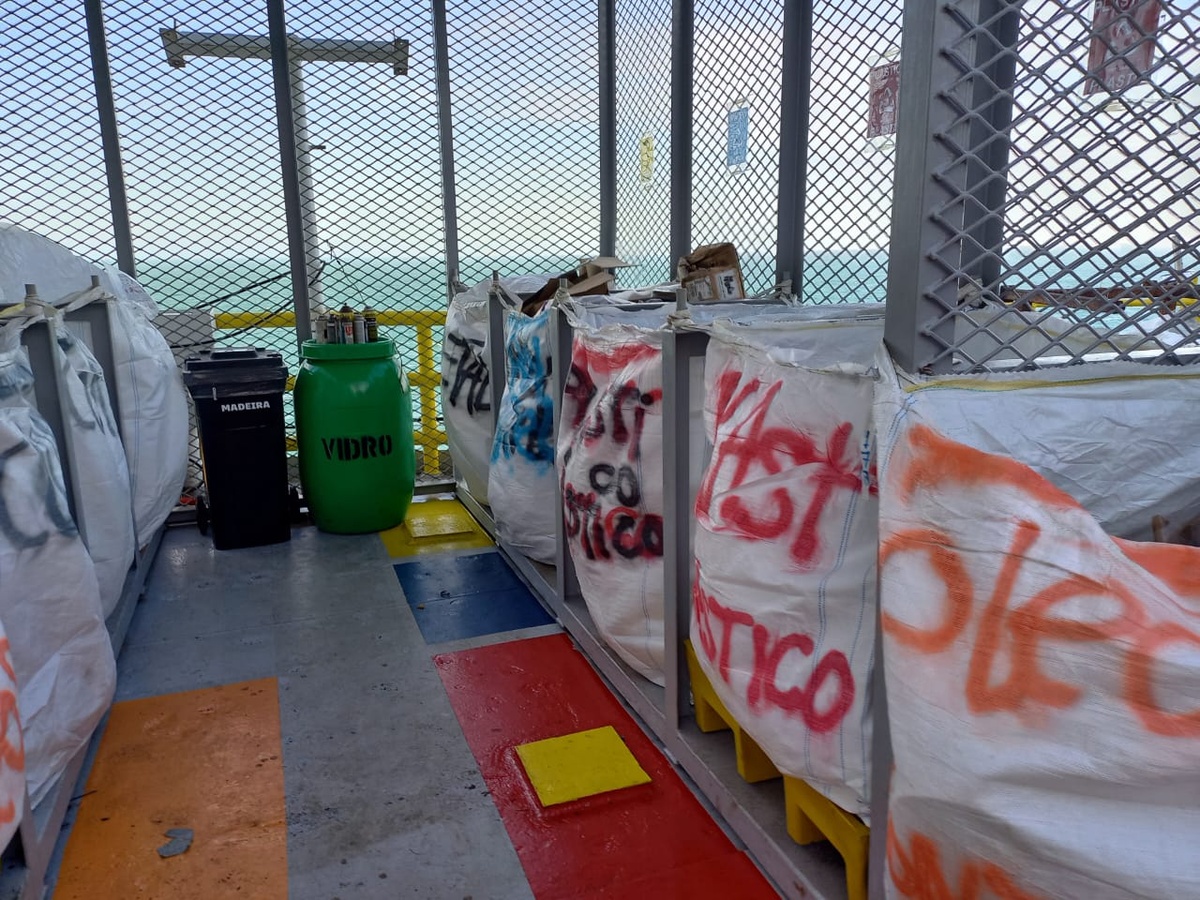
Foresea achieves 100% offshore waste reuse in 2025, eliminates landfill disposal, and consolidates sustainable strategy with 1,500 tons recycled.
-
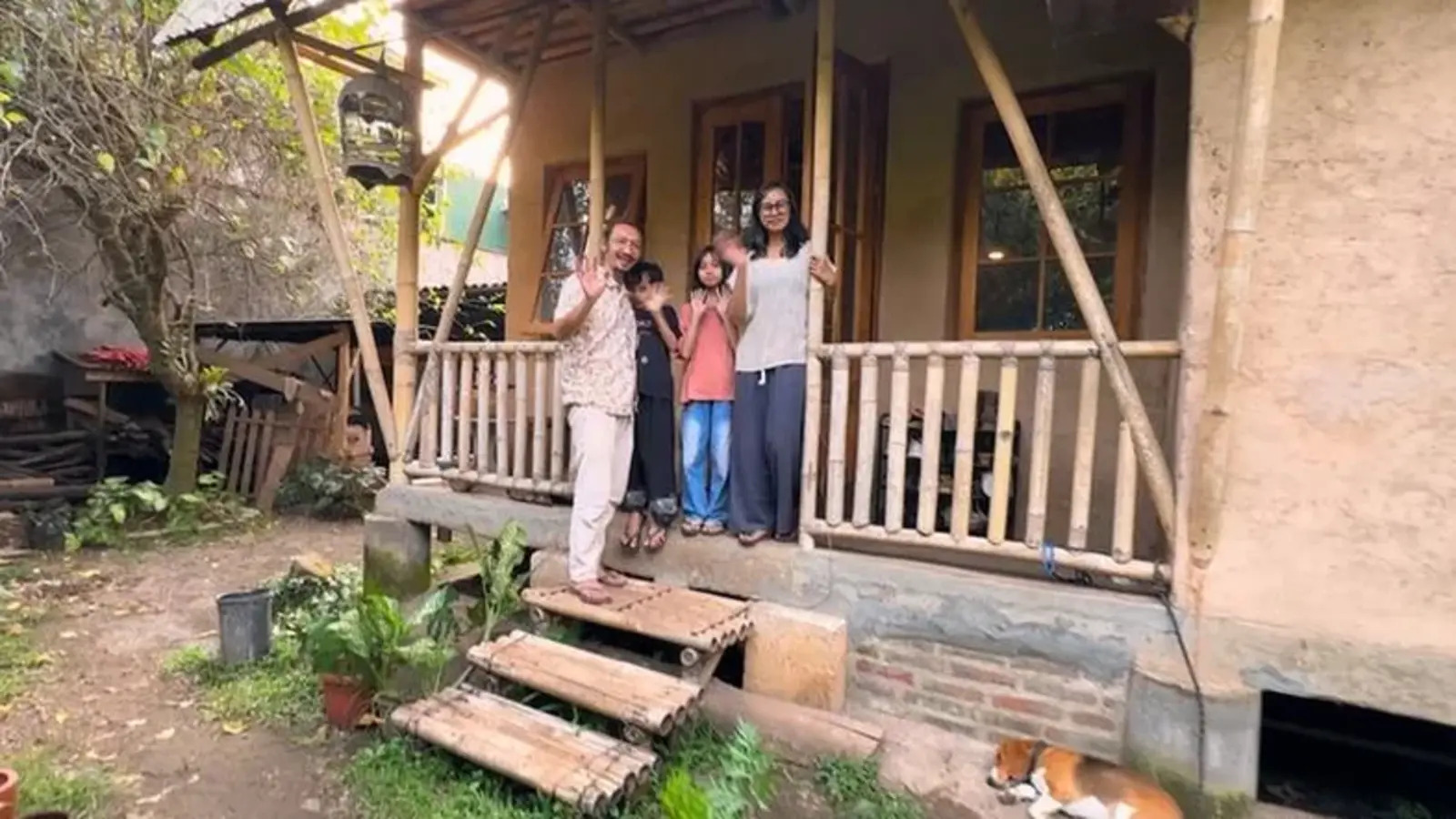
With earth, bamboo, straw, and lime mortar, a specialist builds a house for just over $460 and draws attention for its cost being much lower than traditional construction.

Therefore, when presented as a solution to boost tourism, the development ignores profound changes in the profile of contemporary tourists. Today, visitors seek authentic experiences, contact with local culture and integration with nature. Still, the Hub insists on a model of large isolated complexes, distant from urban daily life.
Additionally, the project is located 12 kilometers from the urban perimeter, which consequently reinforces an outdated model of urban sprawl. This type of expansion increases public costs, encourages excessive car use, and puts pressure on sensitive natural areas.
Environmental Impact: Numbers That Reveal the Dimension of the Problem

However, the most alarming aspect of the project lies in its direct environmental impact. The Cabo Branco Tourism Hub occupies an area of 654 hectares, equivalent to 916 football fields. According to the SOS Atlantic Forest Institute (2023), João Pessoa has 1,525 hectares of preserved Atlantic Forest, about 2,137 football fields.
Thus, 43% of all preserved forest in the city could be destroyed. As a consequence, experts warn of river siltation, erosion of cliffs, disappearance of wildlife and increased urban temperature. Additionally, pollution is likely to grow, exacerbating existing problems.
This scenario, therefore, directly contradicts the profile of visitors. According to Fecomércio (2023), over 80% of tourists say that the main attractions of João Pessoa are related to the environment. In other words, destroying nature means weakening tourism itself.
Contemporary Tourism, Gentrification, and Economic Risks
In addition to environmental damage, the project also generates relevant social and economic impacts. In this regard, an isolated tourist complex tends to create tourist ghettos, promoting gentrification and pushing the local population away. As a result, income circulation decreases and small businesses lose ground.
Another critical point involves the existing hospitality sector. Currently, João Pessoa has around 12,000 hotel rooms. With the Hub, the number is expected to increase by 10,000 more rooms, nearly doubling the supply. At the same time, tax incentives such as a 50% reduction in ISS create unfair competition.
Meanwhile, the city does not have a structured tourist plan for the next 10 to 15 years. As a result, issues such as heavy traffic, real estate speculation, and rising cost of living are already emerging. These effects, in turn, directly impact residents.
Public Criticism and Need for Institutional Intervention
In light of this scenario, there is increasing pressure for a more vigorous action from the Public Ministry and Ibama. Social organizations, such as the Protectors of Jacarapé and the Esgotei Movement, denounce the lack of a management plan — a legal requirement for projects of this nature.
Furthermore, images shared on social media show disoriented and run-over wildlife, highlighting already perceptible impacts. Consequently, public opinion reacts with increasingly intense criticism, showing the mismatch between the project and society.
A Viable Alternative: Urban Ecotourism and Sustainable Park
On the other hand, experts advocate a different path. Instead of destroying almost half of the city’s Atlantic Forest, the 654 hectares could be transformed into a sustainable urban park. In this model, the space would host ecological trails, museums, an amphitheater, environmental workshops, and leisure areas.
Additionally, integrated with the Convention Center and Science Station, the park could position João Pessoa as the city with the largest urban park by the sea in Latin America. Thus, urban ecotourism would consolidate itself as a central development strategy.
Development Requires Planning, Not Destruction
Finally, it is essential to clarify: being against the Cabo Branco Tourism Hub does not mean being against tourism. On the contrary, it means advocating for planned, sustainable growth that aligns with the demands of the 21st century.
Persisting in a predatory mass tourism model, as has already occurred in European destinations, represents a setback. Therefore, protecting nature is, above all, protecting the economic, social, and tourism future of João Pessoa.
Given this data, do you believe João Pessoa should prioritize urban ecotourism and environmental preservation instead of a large isolated tourist complex?









A really good blog and me back again.
As pessoas hoje querem ver natureza, os turistas gostam trilhas, rios, cachoeiras e mar . Gostam tb das matas será ninguém entendeu isso ainda? Quanto mais natureza melhor.
Claro que a preservação deve ser a melhor escolha, além de proporcionar o acolhimento da população para a visitação pública e todas as vantagens e benefícios salientados pela matéria acima.