





 Portuguese
  English
  Spanish
  4 min of reading
  0 comments


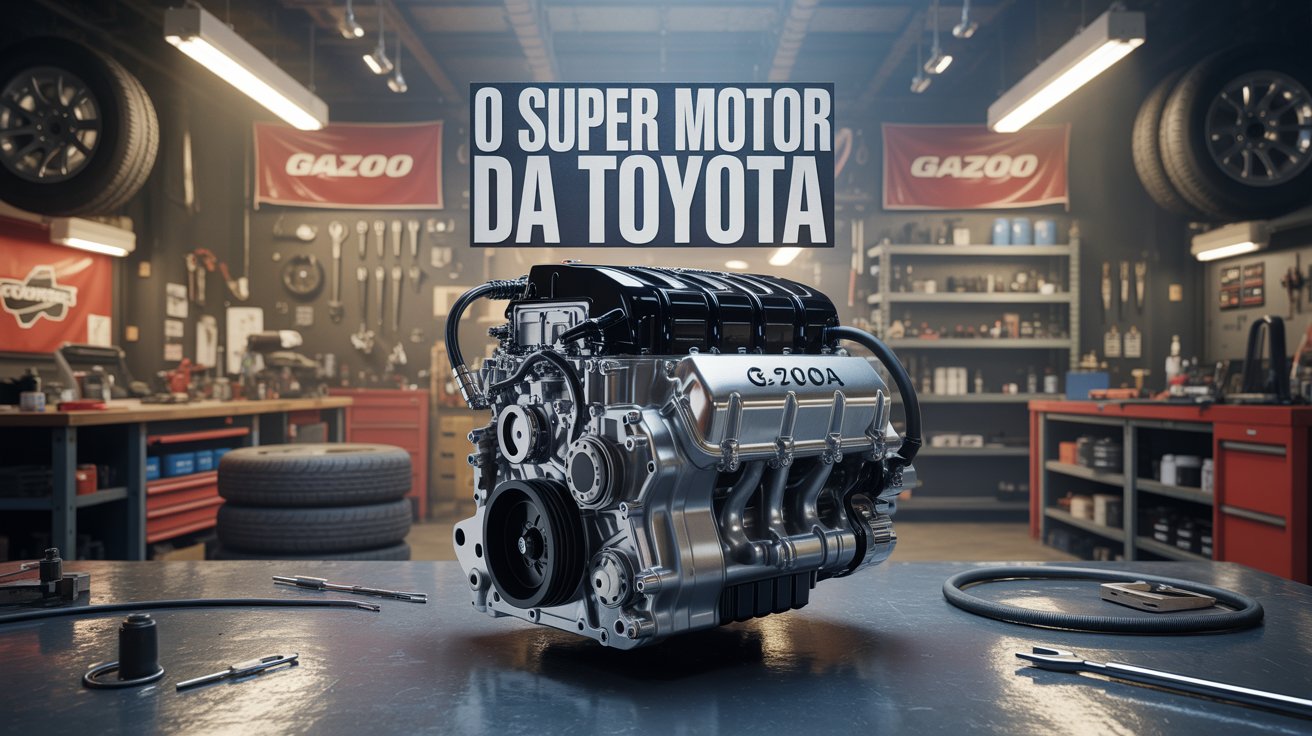
Toyota Unveils New G20E 2.0-Liter Engine Focused on Efficiency, Lightweight, and Performance, Tested in Race in Japan and Developed to Support Fuel Mixtures with Ethanol.
Toyota brought to the track a new 2.0-liter turbo four-cylinder that aims for over 400 hp and debuts a family of compact engines focused on efficiency and performance.
The prototype, named G20E, was validated in real racing conditions on the weekend of October 25 and 26, during the sixth round of the Super Taikyu Series in Okayama, Japan, installed in a GR Yaris with a mid-engine layout.
The car finished in third place in the three-hour race, with Akio Toyoda on the driver team, a result that the team considered a key stage in the development.
-
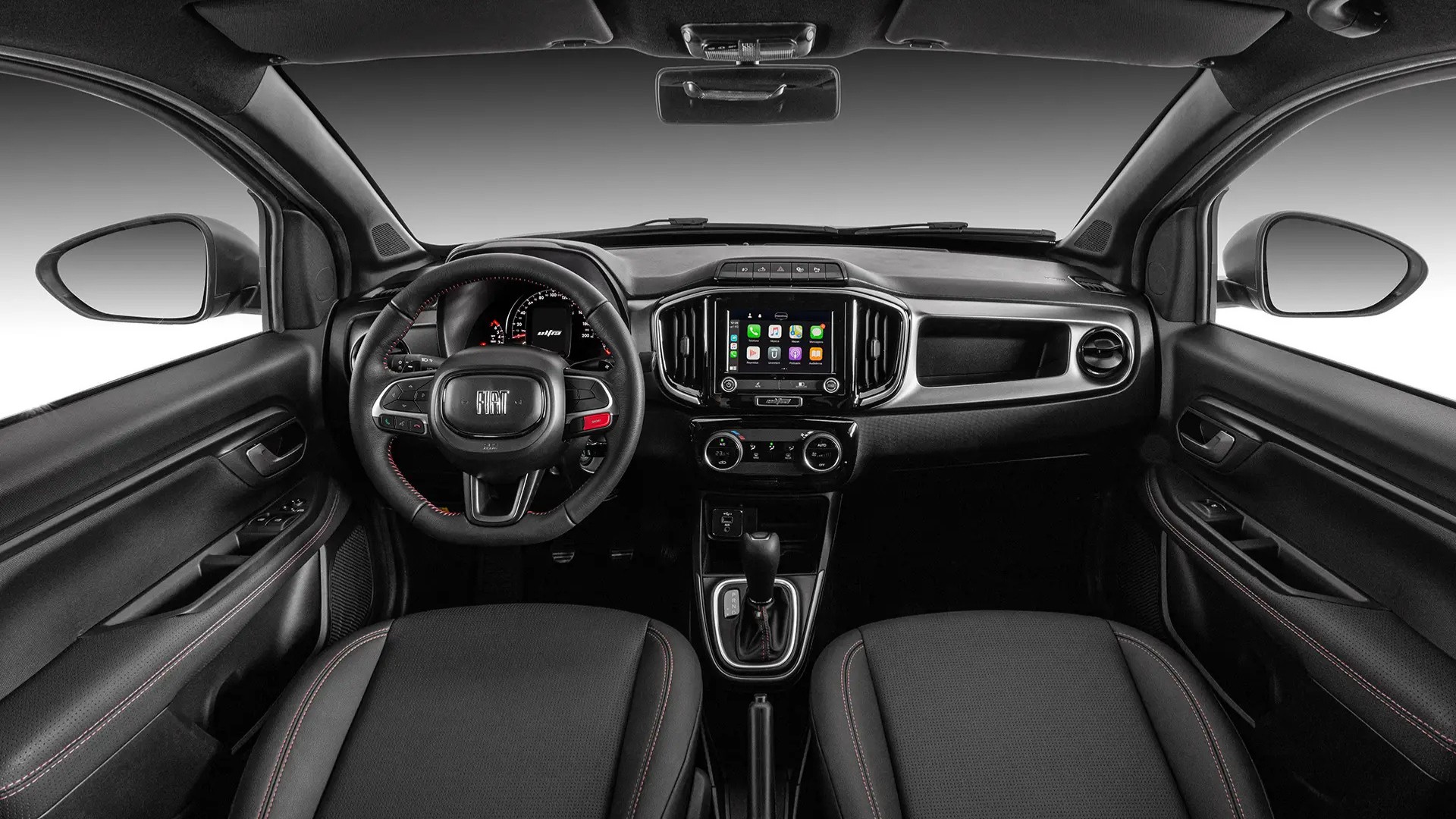
With a 1.3 engine, nearly 700 km of range, and Turbo 200, the Fiat model surpasses Polo, Tera HB20, and Onix, becoming the best-selling car in March; see the numbers for the Fiat Strada and others.
-
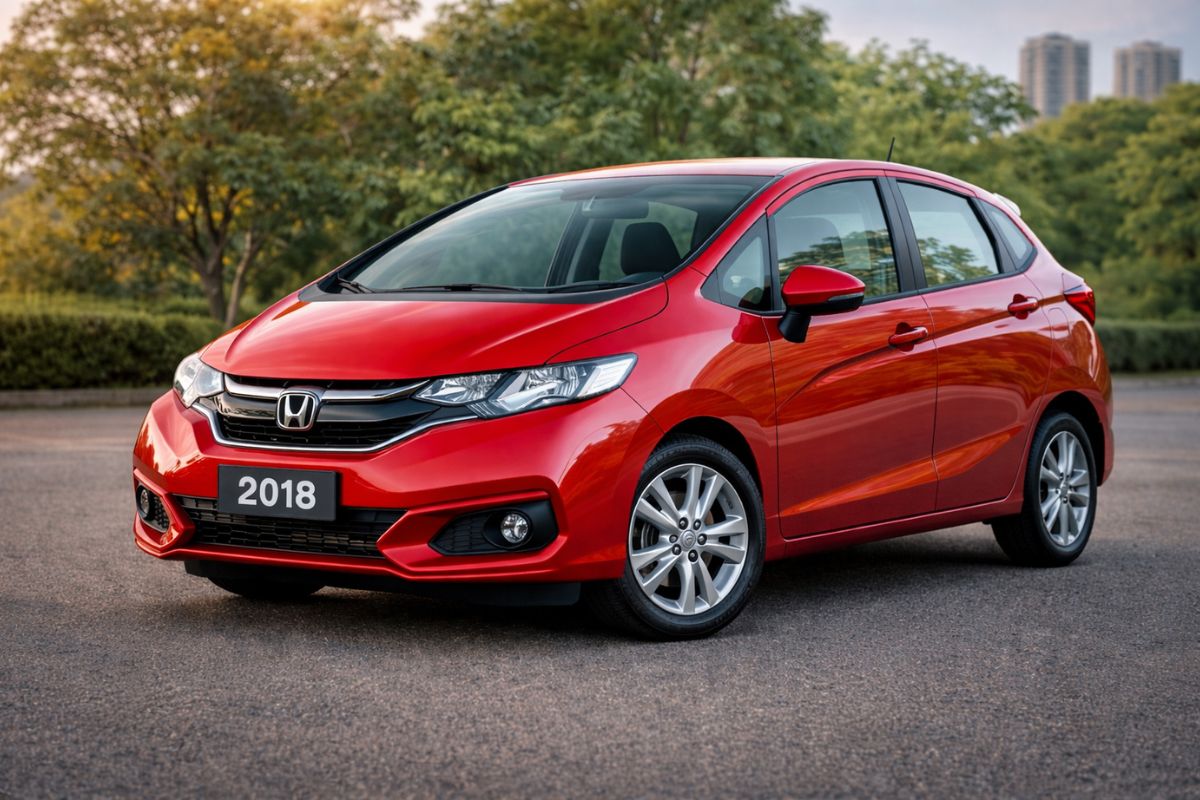
The Honda Fit has been discontinued for years, but the 2018 model is worth more today in the Fipe table than it cost brand new, proving that this used car, valued with a 1.5 i-VTEC engine and Magic Seat, only increases in price.
-
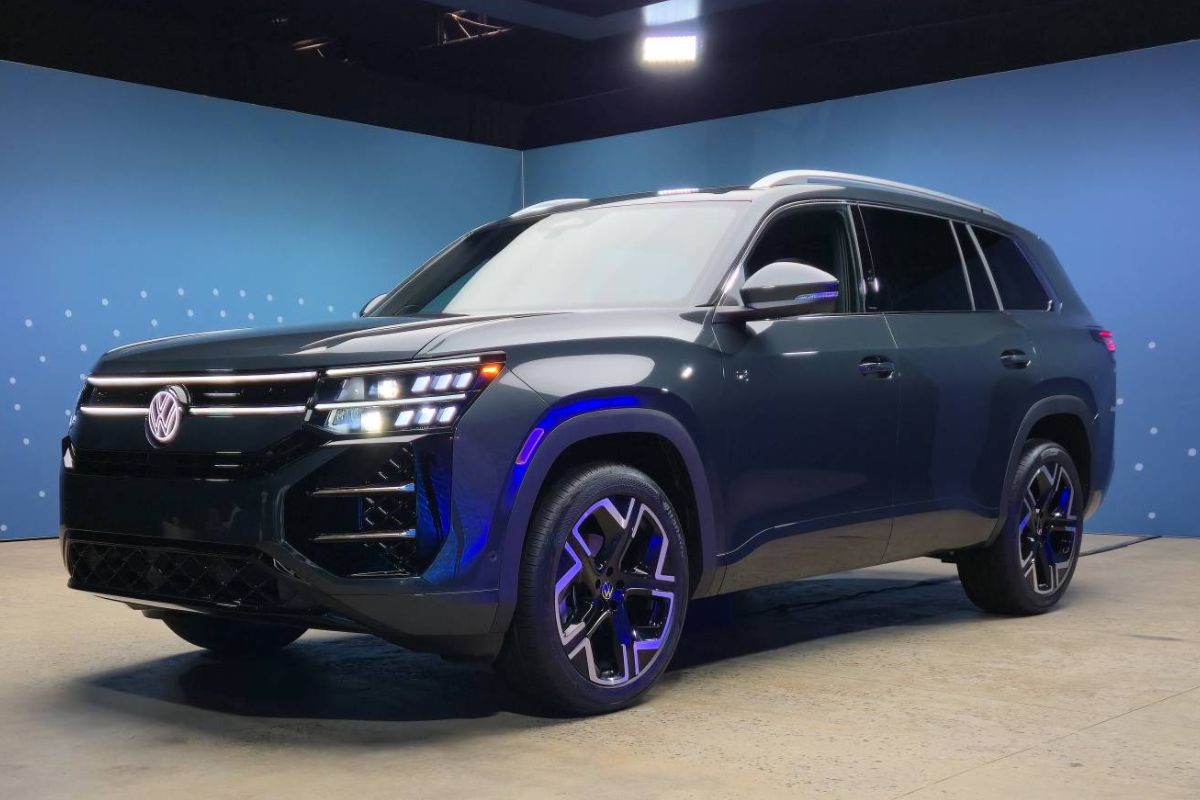
Volkswagen unveiled the 2027 Atlas with a 282-horsepower EA888 turbo engine, a 15-inch screen, massage seats, and a completely new interior to finally elevate the three-row SUV built on the MQB platform to a new level.
-
After decades out of the spotlight, Citroën is preparing to bring back the legendary 2CV as a low-cost electric vehicle, betting on the revival of one of the most popular cars in history and aiming to enter the race for affordable compact cars.

In addition to confirming its commitment to keeping combustion engines in the portfolio, the initiative is part of a broader project: a new generation of smaller engines in volume, height, and weight, designed to allow lower hoods and better aerodynamics, with a direct impact on consumption and center of gravity.
The strategy includes 1.5 naturally aspirated and turbocharged versions, and has been detailed since 2024, when the brand publicly presented the plan to “revolutionize the packaging” of vehicles.
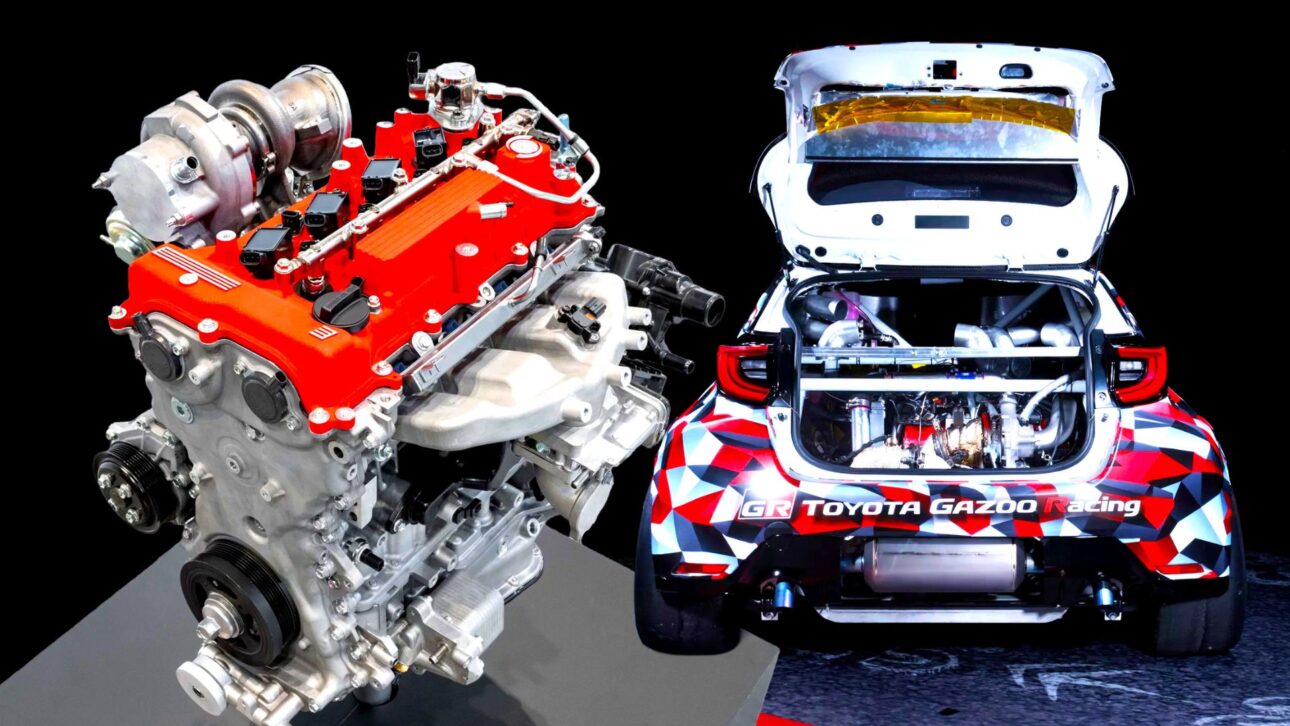
There are even records of tests with the engine mounted further back in a Lexus IS to enhance dynamic balance.
Track Testing Validates Engine Performance
At the Okayama International Circuit, the GR Yaris M Concept — an evolution of a prototype displayed at the 2025 Tokyo Auto Salon — adopted a mid-rear layout and all-wheel drive, taking the G20E to its first official race.
Toyota had announced days earlier the participation of the #32 TGRR GR Yaris M Concept, detailing that the program in Super Taikyu is used to develop engineering and packaging solutions for the mechanical set.
The competitive performance, with P3 overall, reinforced the viability of the package.
The specialized coverage described the debut as “delayed” compared to what was planned for mid-year, but encouraging given the demonstrated pace.
According to the race report, the quartet of drivers — Masahiro Sasaki, Akio Toyoda (Morizo), Yasuhiro Ogura, and Hiroaki Ishiura — crossed the line in third position after competing with cars from higher classes.
Direct Evolution of the G16E
The G20E emerges as a direct evolution of the well-known G16E 1.6 turbo three-cylinder used in GR Yaris and GR Corolla, but now with four cylinders and expanded modularity for longitudinal or transverse installation, at the front or in a mid-engine position.
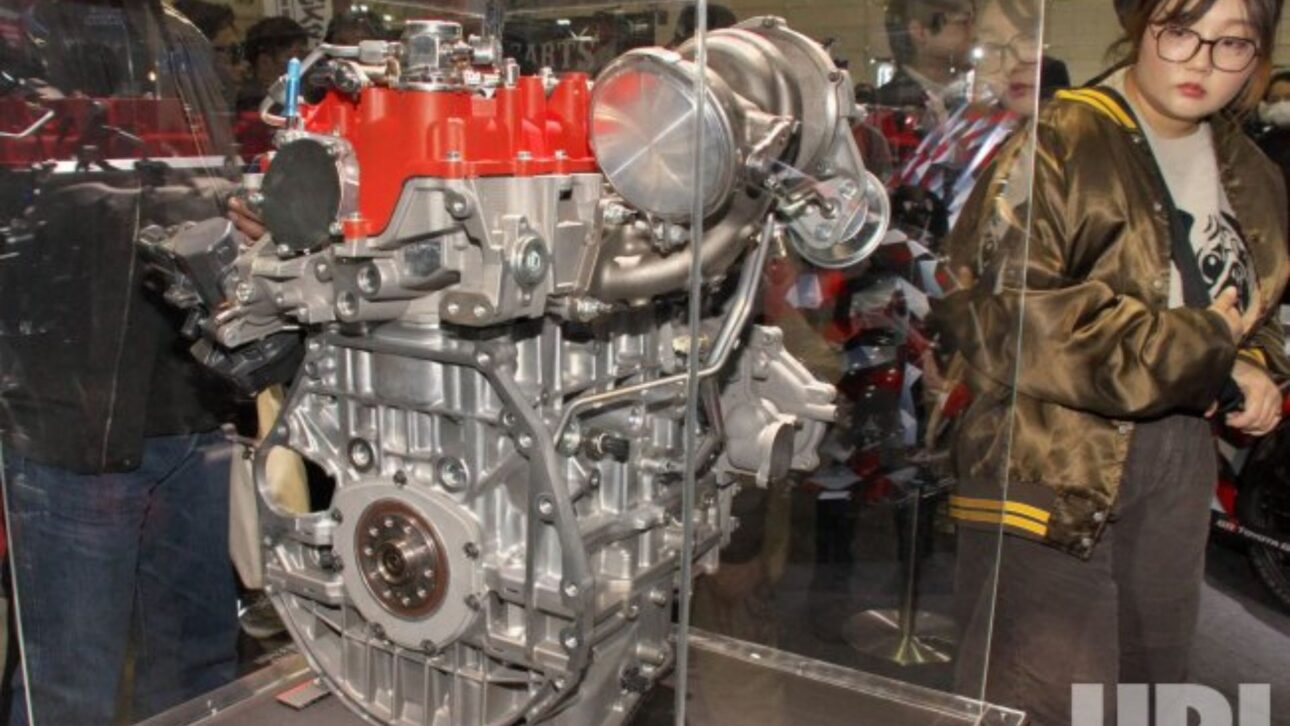
The bet is to deliver more power with a more compact architecture, creating space for body styles with a lower front end and better aerodynamic drag.
Industry sources report that the project encompasses multiple applications, and the power target of over 400 hp is on the engineering radar.
There is still no official launch date.
Reports from the international press, citing the Financial Times, indicate that the first cars with the new engine family may debut by the end of 2026, a timeline consistent with the current stage of development.
Toyota is concurrently conducting studies on hybridization and the use of low-carbon fuels as part of a multipathway strategy.
Fuel and Ethanol Compatibility
During the race in Okayama, the engine operated on gasoline.
Specialized publications mention that the project calibration considers a mixture of up to 20% ethanol (E20), an alternative adopted by markets like India for improvements in octane and reductions in emissions.
Toyota has advocated for the advancement of biofuels and e-fuels in regional forums, without restricting the discussion to a single engine.
To date, there is no official technical note from the automaker detailing the G20E’s compatibility with E20; the topic is still under validation.
Lightness, Efficiency, and Focus on Aerodynamics
The new engine family was designed to reduce dimensions and mass, favoring packaging and lowering the center of gravity.
Materials and compact design solutions — such as lower assembly height — give designers and engineers more flexibility to optimize airflow in the engine bay and improve weight distribution.


In development tests, the brand even installed the four-cylinder engine in a Lexus IS with the assembly pushed back of the axle, in order to assess gains in balance.
As for the absolute number of engine mass, Toyota has not disclosed official specifications to date.
The target power exceeding 400 hp aligns the brand with the competition among manufacturers extracting high numbers from low-displacement turbocharged engines.
The use of a central layout in the GR Yaris M Concept platform served to test cooling, transmission, and integration with all-wheel drive under continuous load.
Toyota’s Bet on Driving Pleasure
The brand’s recent trajectory explains the investment.
In 2017, Akio Toyoda established the directive “No More Boring Cars,” a phrase that marked the shift towards models with dynamism and sporty appeal.
Since then, GR Yaris, GR Corolla, and the return of the Supra have symbolized this repositioning.
In 2023, Toyoda stepped down as president, but Koji Sato maintained the Gazoo Racing program as a pillar of development and image while the company undergoes the transition to electrification with different technological pathways.







-

-

-

10 pessoas reagiram a isso.