





 Portuguese
  English
  Spanish
  6 min of reading
  0 comments


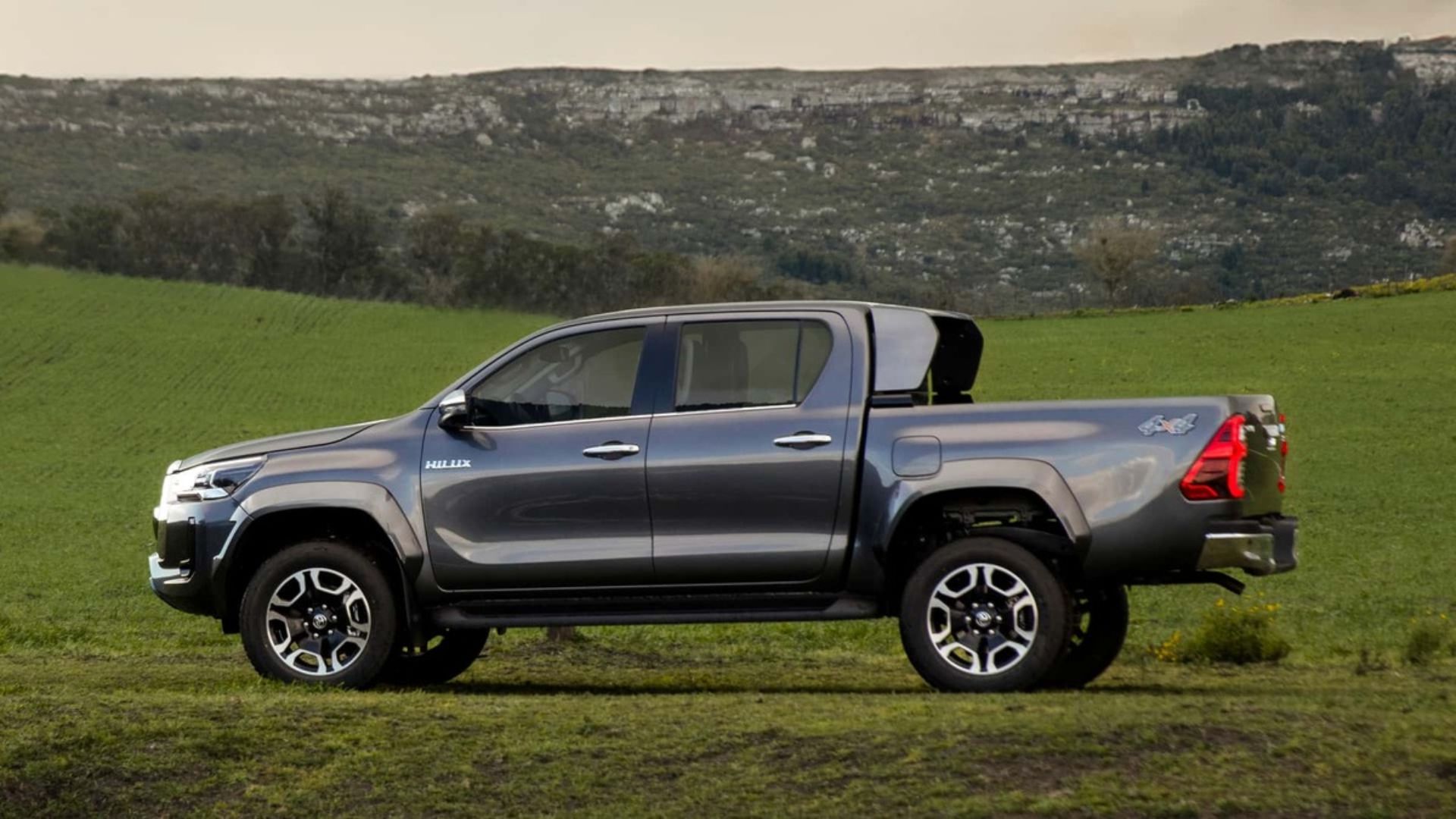
Market Leadership, Reputation for Robustness, and Conservative Choices Define the Toyota Hilux SRX in 2025, Which Maintains Expressive Sales and Recognized Off-Road Attributes, but Coexists with High Consumption, Limited Equipment, and a Project That Has Accumulated a Decade Without Deep Changes.
The Toyota Hilux remains the main reference among medium pickups in Brazil and maintains a comfortable leadership in the market in 2025.
Between January and November, the model accumulated just over 45 thousand units sold, according to data from the National Federation of Motor Vehicle Distribution.
The volume ensures a nearly 50% advantage over direct rivals, such as Ford Ranger and Chevrolet S10, consolidating the Japanese truck as the absolute leader of the segment.
-
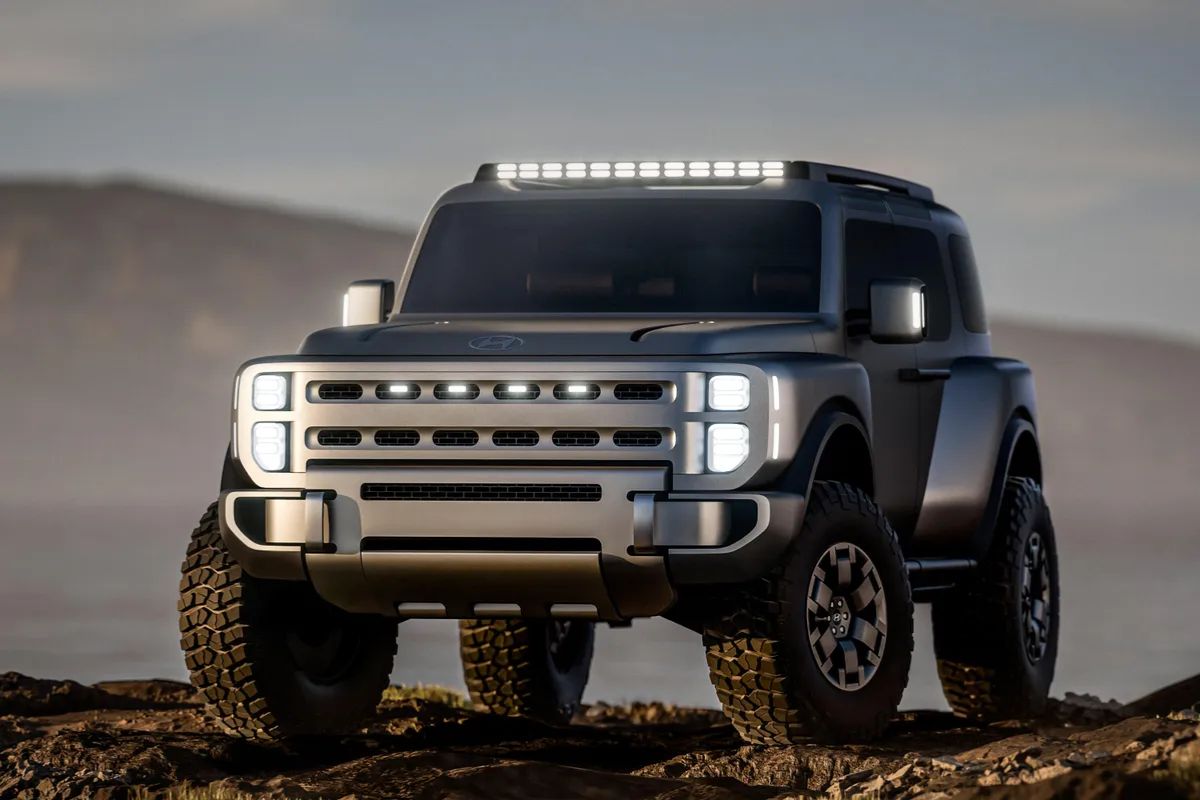
Hyundai has unveiled the Boulder, a square SUV with a body-on-frame design, 37-inch mud tires, and carriage-style doors that seems to be made to take on the Ford Bronco and the Scout Traveller in the United States.
-
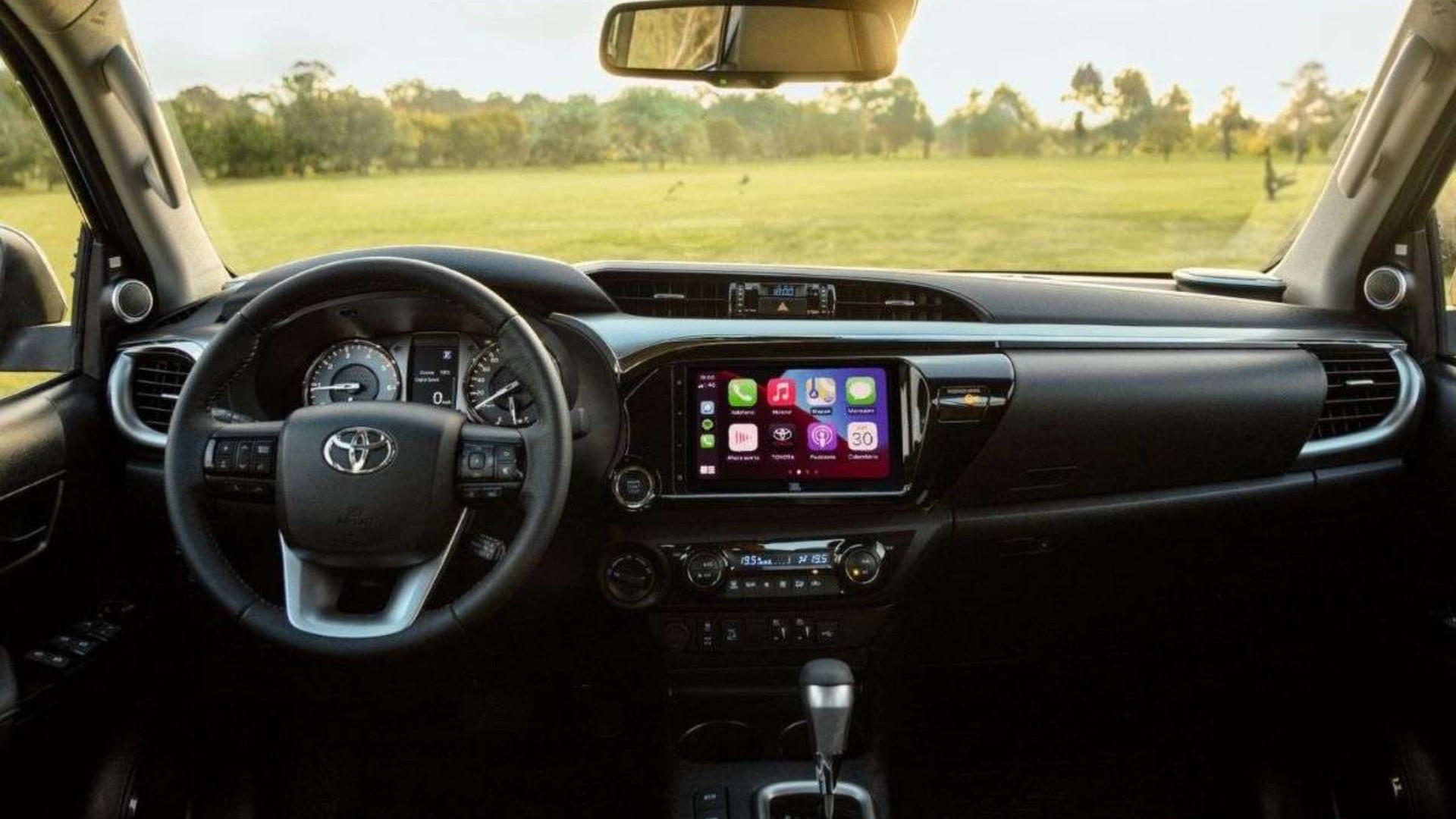
The Toyota Hilux is R$ 75.5 thousand cheaper and bets on the 2.8 turbodiesel engine with up to 204 hp and 50.9 kgfm to catch up with the VW Saveiro, which leads with 4,472 sales.
-
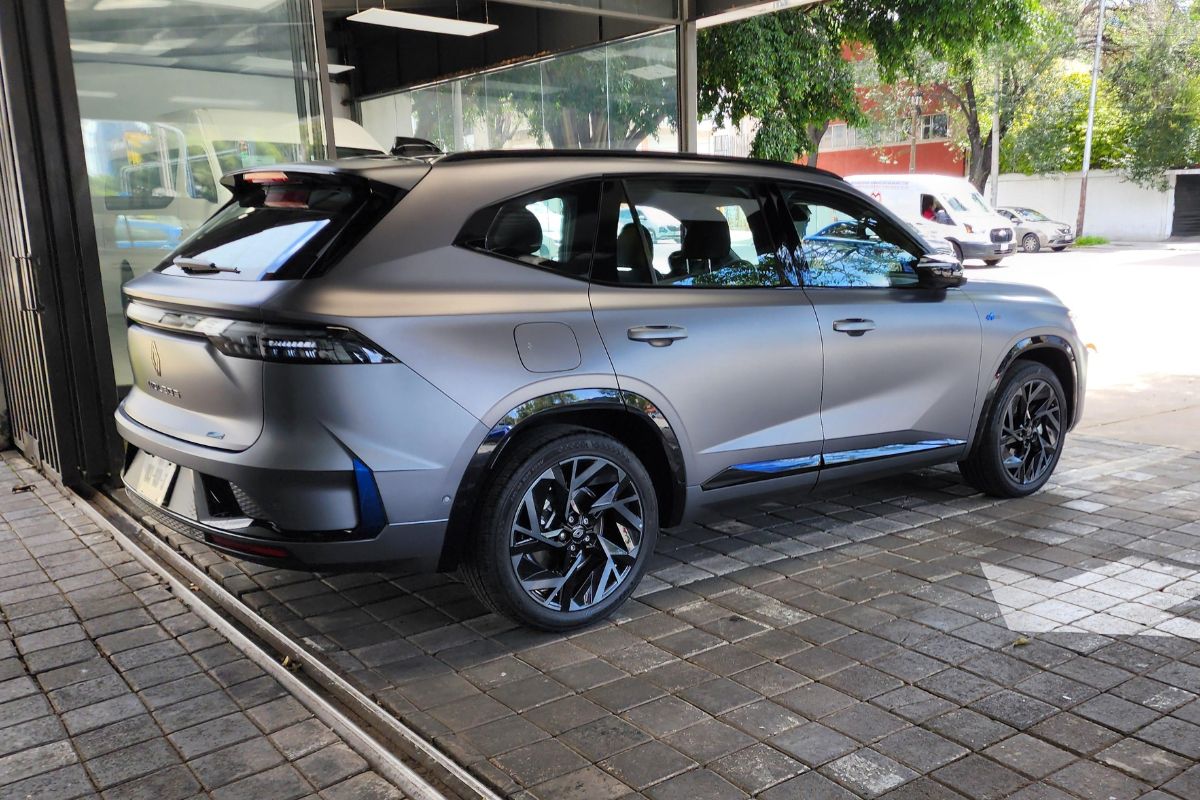
The new Renault Koleos has a screen exclusively for the passenger that is invisible to the driver, heated rear seats, and 29 assistance systems, but its Chinese competitors cost R$ 40,000 less and deliver more power.
-
The car stored for 38 years: when opening the barn door, what appears is breathtaking and looks like a scene from a movie!


This market reading was detailed in a report published by the Autoesporte website, which analyzed the commercial performance of the Hilux and closely examined not only its sales numbers but also its strengths and technical limitations.
The survey begins with a test of the SRX version, one trim below the top configuration, currently priced at R$ 346,890.
However, dominance in sales does not mean absence of criticism.
Even with a solid reputation, the Hilux carries conservative technical solutions and a project that has already been around for a decade.

The evaluation of the SRX version makes it clear that commercial success coexists with important concessions, especially when observing the recent evolution of competitors in the Brazilian market.
Reliable Mechanical Set Remains a Pillar of the Hilux
The reputation for durability remains one of the pillars of the Hilux.
According to information from the Autoesporte newspaper, the set formed by the 2.8 turbo diesel engine, the six-speed automatic transmission, and the 4×4 traction continues to be decisive for public preference, especially in regions where the pickup is subjected to severe use.
The engine delivers 204 hp of power and 50.9 kgfm of torque, numbers that do not impress compared to some newer rivals, but are sufficient to sustain the proposal of robustness.
This is a combination widely known in the market, with a track record of resistance and a low recurring failure rate over the years.
In addition, there is the extended warranty program, which can last up to 10 years, provided the owner meets the maintenance schedule set by the manufacturer.
This factor, although not very visible in daily use, weighs in the purchasing decision of those seeking cost predictability in the long term.
Balanced Performance for Load and Towing Use
In terms of performance, the Hilux is not among the fastest in the segment, but it delivers responses compatible with its focus.

In tests conducted by specialized vehicles, the acceleration from 0 to 100 km/h takes about 10 to 11 seconds, a result deemed adequate for a medium pickup with a frame chassis.
The Autoesporte newspaper also pointed out that the highlight is not in the top speed or in the acceleration but in the delivery of torque at low revs.
This characteristic favors use with load, towing, or in off-road situations, a context in which the Hilux is often more challenged.
High Ground Clearance Reinforces Off-Road Capacity
When the asphalt ends, the Hilux reinforces its reputation.
The ground clearance of 28.6 centimeters is among the highest in the category and helps explain its good performance on trails, dirt roads, and uneven terrain.
This number places the pickup at an advantage over direct competitors like Chevrolet S10 and Ford Ranger, which have lower measurements.
In practice, this reduces the risk of damage to the undercarriage and increases its ability to face obstacles without the need for major additional preparations.
Towing Capacity Stands Out in the Segment
Another point highlighted in the Autoesporte analysis is the towing capacity.
The Hilux can tow up to 3,500 kg with brakes, an elevated level within the segment and superior to some direct rivals.

This data helps explain the model’s popularity among rural producers and users who frequently transport implements or trailers.
On the other hand, the bed remains within the category standard.
The volume of 1,000 liters and the payload close to 1,005 kg serve general use well but do not place the Hilux as the absolute reference in this regard.
Standard Tonneau Cover Adds Practical Value
In the SRX version, the standard tonneau cover appears as a relevant detail.
According to a report published by Autoesporte, this item is still not standard in several competitors, even in more expensive versions, which ends up generating additional costs right after purchase.
The presence of the factory tonneau cover reinforces the proposal for immediate use of the bed, without the need to invest in accessories to protect the cargo from the weather or occasional thefts.
Hydraulic Steering and Rear Brakes Highlight the Age of the Project
If on one hand the Hilux preserves established solutions, on the other, this choice comes at a cost.
The hydraulic steering remains present even in a version that approaches R$ 350,000.
In urban use, the heavier steering wheel makes maneuvers less comfortable than in pickups already equipped with electric assistance.
The brake system also draws attention.
The combination of ventilated discs in the front and drums in the rear is increasingly rare in the segment, dominated by solutions with discs on all four wheels.
Although functional, this setup reinforces the perception of technical obsolescence.
High Consumption Impacts Daily Use
Fuel consumption is another point frequently cited among criticisms.

Official data indicate averages of 9.3 km/l in the city and 10 km/l on the highway, numbers that place the Hilux among the least efficient in the category.
In independent tests, the results may even be better, but still lag behind most direct rivals.
This behavior reinforces the label of “gas guzzler” pickup, especially for those using the model primarily in urban environments.
Equipment List Is Correct but Limited
In the cabin, the Hilux delivers the essentials.
The 9-inch multimedia system, with wireless mirroring, serves its purpose well.
Even so, the rest of the setup reveals conservative choices.
The instrument cluster with only a 4.2-inch display and the simple finish contrast with the level of sophistication seen in newer competitors.
Features like wireless charging, electronic parking brake, blind spot alert, or tire pressure monitoring are not part of the package, even in this more expensive version of the lineup.
Project Launched in 2015 Weighs on Purchase Decision
Finally, the factor of time weighs against the Hilux.
The current generation was launched in 2015 and has since undergone only minor updates.
Meanwhile, competitors have received complete renewals or significant advancements in technology and comfort.
There is an expectation for a new generation in the Brazilian market starting in 2027, which raises a legitimate question for those considering a purchase now: invest in a consolidated model, albeit old, or wait for the next phase of the country’s best-selling pickup?




-

-

-

3 pessoas reagiram a isso.