





 Portuguese
  English
  Spanish
  3 min of reading
  5 comments


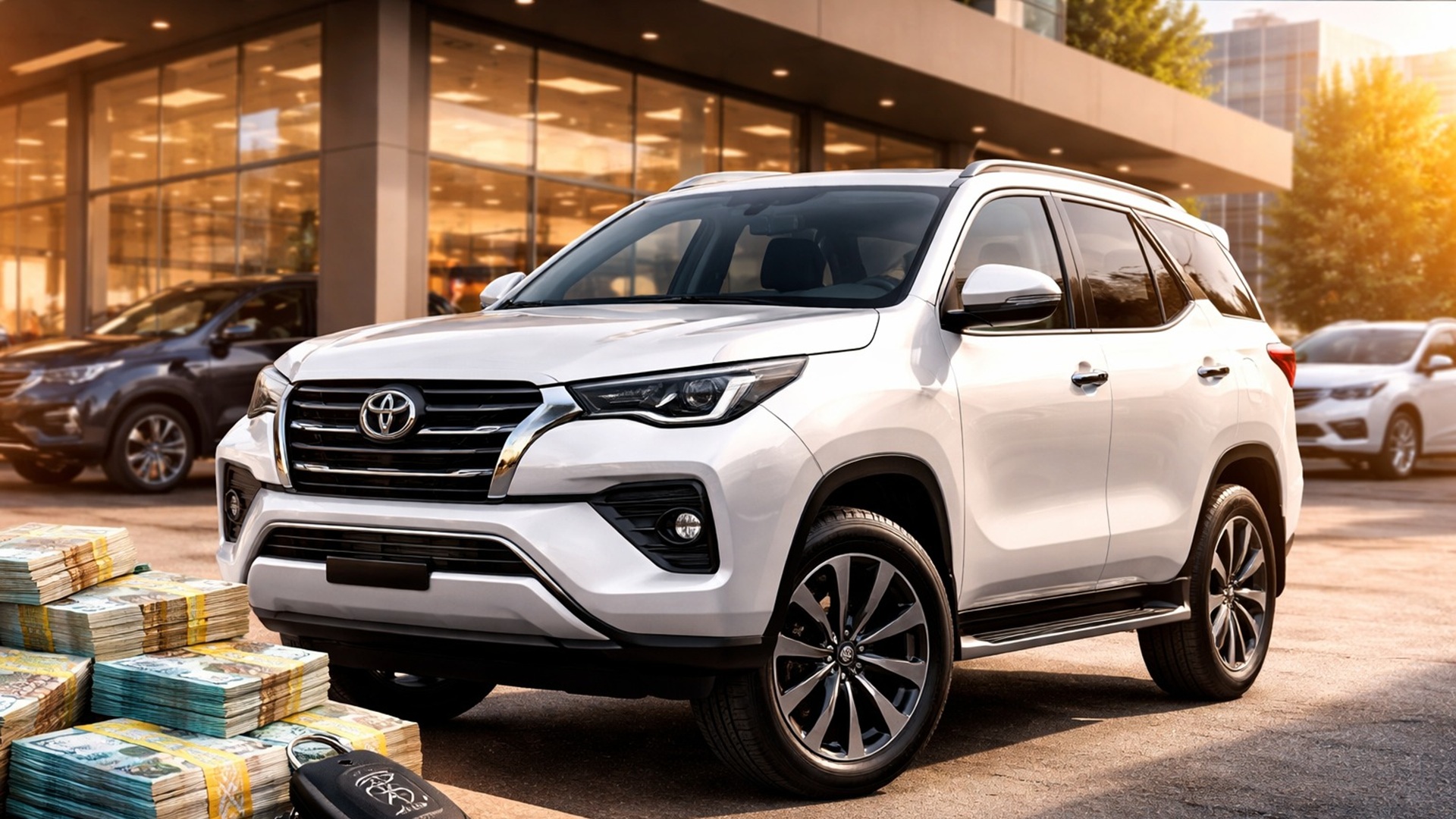


Even costing almost half a million reais, the Toyota SW4 remains one of the best-selling SUVs in the country, supported by status, sense of power, fear of depreciation, and the nearly religious belief in the brand’s liquidity in Brazil.
The Toyota SW4 has become one of the biggest economic phenomena in the Brazilian automotive market, reaching values close to or above R$ 430,000 even with a technical base clearly derived from the Hilux.
In any developed market, this amount would place the consumer in a luxury SUV category with modern platforms, refined suspension, and high technological levels. In Brazil, it buys robustness and status.
An SUV That Is Born As A Pickup
The SW4 uses a ladder chassis, a typical architecture for commercial vehicles and pickups. This solution ensures structural resistance and durability but comes at a cost in comfort, stability, and dynamic behavior.
-
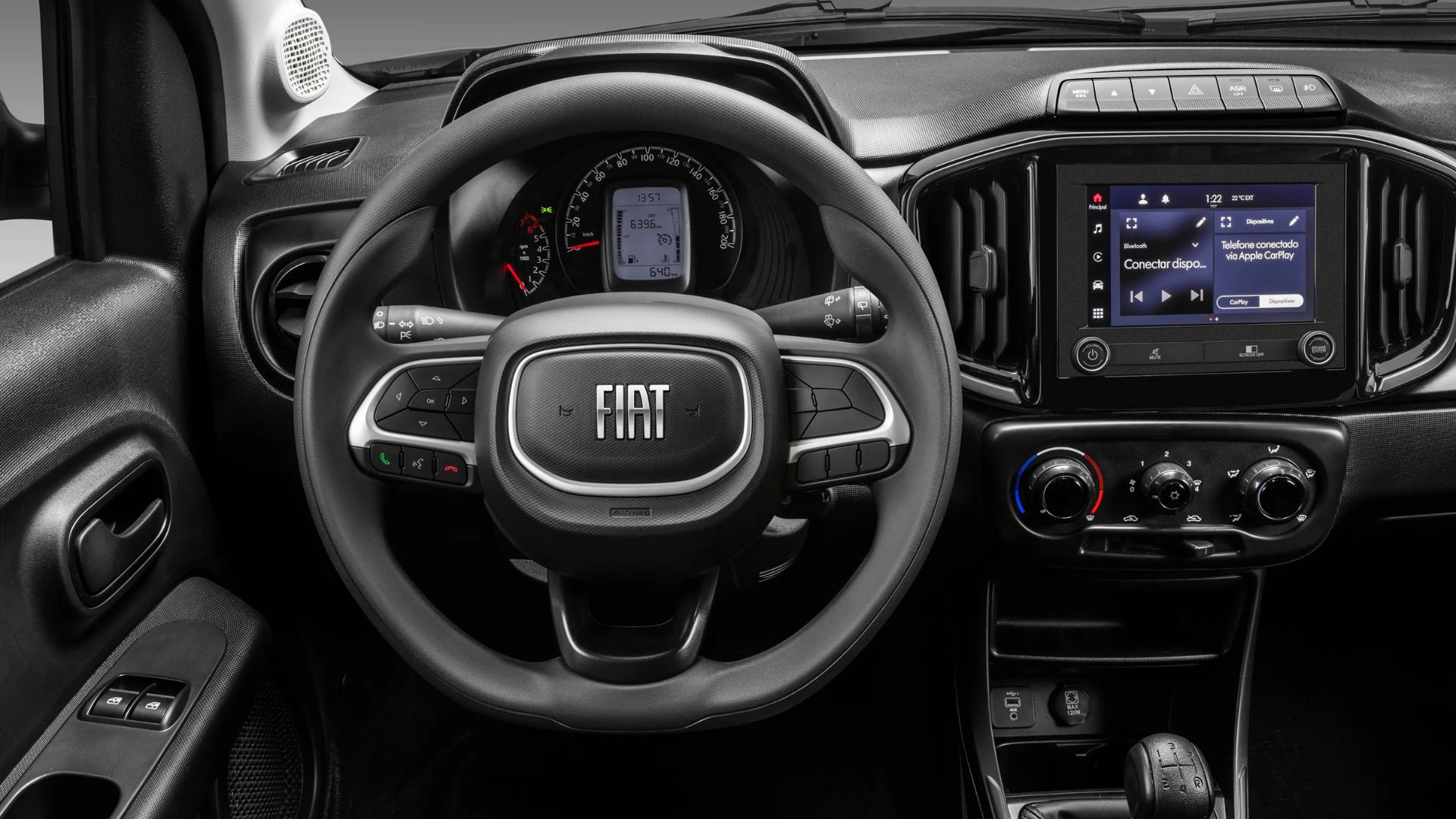
With a 1.0 engine producing 75 hp and costing less than R$ 70,000, Fiat’s car returns to the podium as the cheapest in the country; a temporary promotion for the 2026 Like version reduces the price of the Fiat Mobi.
-
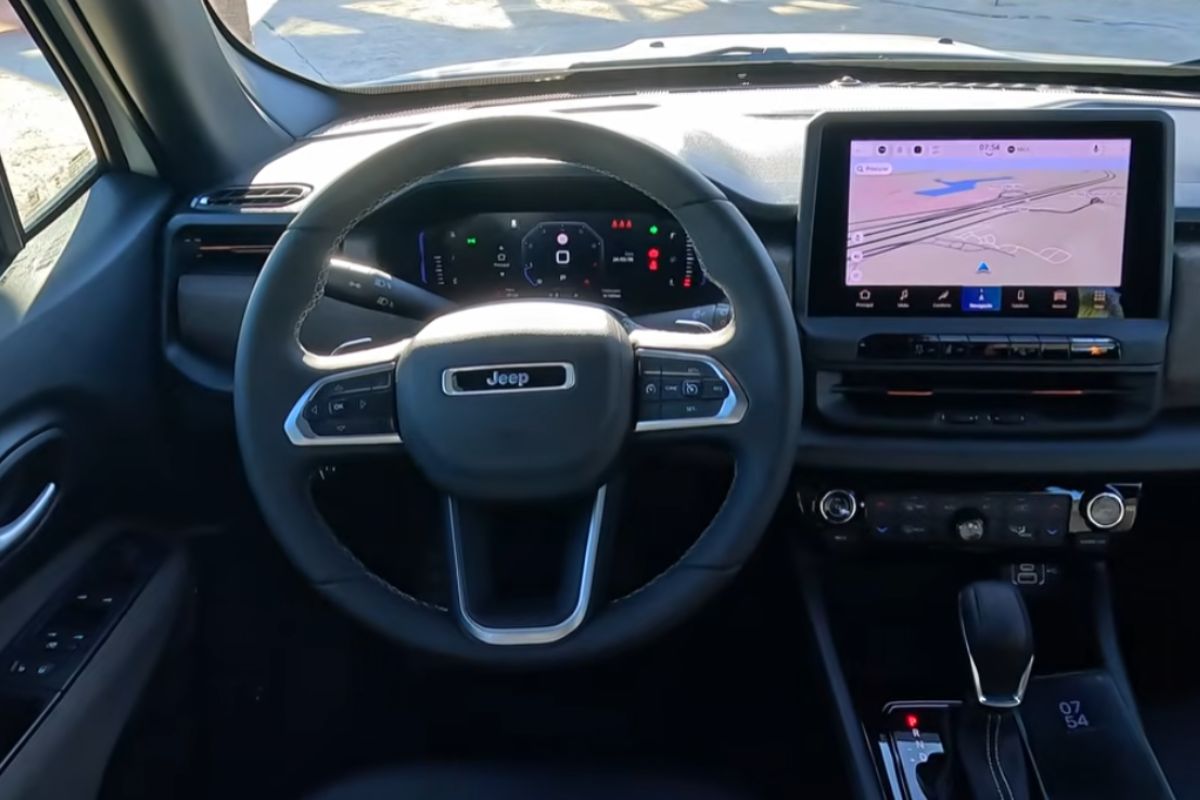
With a mild hybrid system of 48 V, 176 hp and a price of R$ 175,990 in the Sahara version, the new Jeep Renegade changes mostly on the inside, improves slightly in fuel consumption, and remains almost the same car.
-
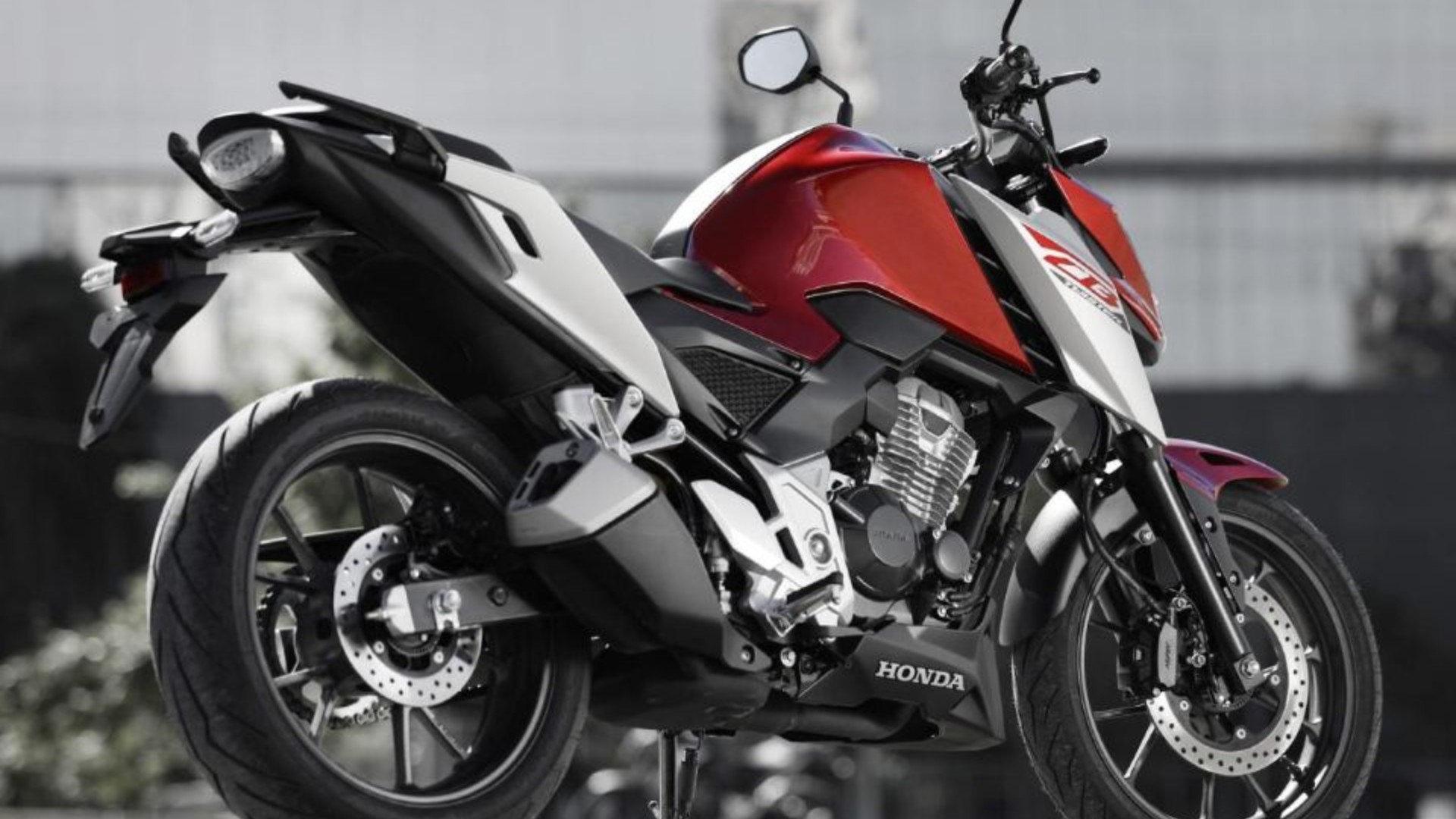
With a 293.5 cm³ engine and a range of up to 400 km with a 14.1-liter tank, the Honda CB 300F Twister 2026 has up to 24.7 hp, an initial price of R$ 25,150, and already exceeds R$ 29,000 in the Fipe Table.
-
With a 1.3 engine, nearly 700 km of range, and Turbo 200, the Fiat model surpasses Polo, Tera HB20, and Onix, becoming the best-selling car in March; see the numbers for the Fiat Strada and others.
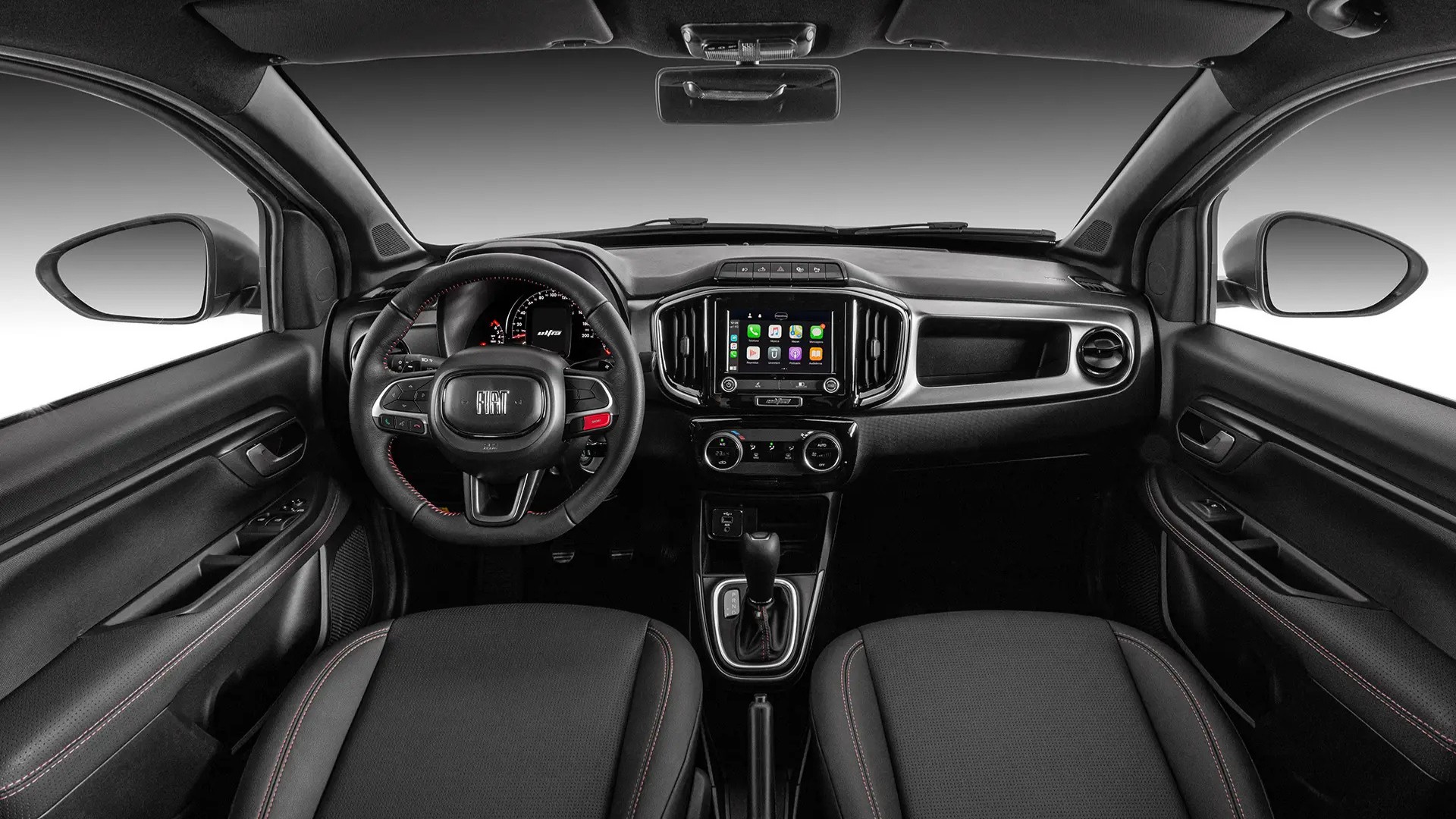

Stiff suspension, high center of gravity, and slow responses in curves are part of the package. It is a functional, not sophisticated, design intended to withstand abuse and long usage cycles.
Status, Power, and Sense of Immunity
The main asset of the SW4 is not mechanical. It is symbolic. Driving high, making a presence in traffic, and conveying authority are decisive factors for many urban buyers.
The feeling of psychological protection weighs more than technical data. In Brazil, where potholes, violence, and traffic chaos are constants, this becomes a purchasing argument.
The Invisible Cost of Choice
The entry price is already high, but annual costs amplify the impact. In states like São Paulo, the IPVA of 4% exceeds R$ 17,000 per year.
Insurance is equally heavy. Being one of the most targeted models for theft, the policy easily exceeds R$ 15,000 annually for common profiles.
Without driving a single kilometer, the owner can spend close to R$ 40,000 a year just to keep the car legalized and protected.
The Drain of Opportunity Cost
Besides direct costs, there is a less visible financial impact. The same R$ 433,000 invested in conservative fixed income could generate relevant monthly income.
By opting for the SW4, the buyer forgoes earning income and starts bearing high expenses, creating a continuous negative effect on their wealth.
Liquidity as An Argument of Faith
However, there is a rational reason for the model’s success. The so-called Toyota liquidity. The SW4 sells quickly, loses little value, and rarely gets stuck.
Compared to European premium SUVs, which suffer strong depreciation and high maintenance costs, it offers predictability. This reassures a consumer historically traumatized by problematic cars.
Physics Does Not Negotiate
Even with electronic updates, the structural base imposes limits. The high center of gravity compromises stability in sudden maneuvers and fast curves.
On long trips, the body roll affects comfort, especially in the rear seat. Cheaper monocoque SUVs deliver a clearly superior ride.
A Faithful Portrait of Brazil
The SW4 summarizes the country. An expensive product, highly taxed, conservative technology, yet robust enough to survive rough roads and severe use.
For those living in the countryside or relying on the vehicle as a tool, it makes sense. For urban ostentation use, the cost-benefit quickly dissolves.
In the end, the decision is rarely technical. It is emotional, cultural, and financial. Toyota understands this — and turns fear, status, and predictability into an extremely profitable business.




Cadeiruda . Ergonomia zero . Faz uma Pajero Sport ruborecer . Uma carroça pra bacanas que nunca ouviram fala na Rural / F – 75 . Ter dinheiro não significa boa escolha automotiva ; a Toyota agradece !
Matéria escrita sem conhecimento de causa!
Sw4 20205 platinum veio fantástica. Pacote multimídia que não perde para ninguém. Robustez toyota. Confiabilidade. Autonomia diesel de quase 800 km. Etc. Etc. Eu uso para cidade e estrada pois amo viajar. Jamais trocaria por uma linda rever. Ou algo do tipo. Não me importo com revenda. Não ganho a vida comprando e vendendo carros. Caro escritório. Quem tem 400 oi 500 mil pra comprar um carro desse não tá muito preocupado c os custos de ipva e manutenção. Pois são inerentes ao nível do carro. Nunca veta um dono de hilux reclamando que tá o carro bebendo muito. Eh outro perfil de cosnum8dor. A hilux e sw4 atendem a um público específico. Então esse destaque eh pra rico novo. Influencia. Quem realmente tem dinheiro não mostra que tem. Nem quer ter status.