





 Portuguese
  English
  Spanish
  4 min of reading
  2 comments


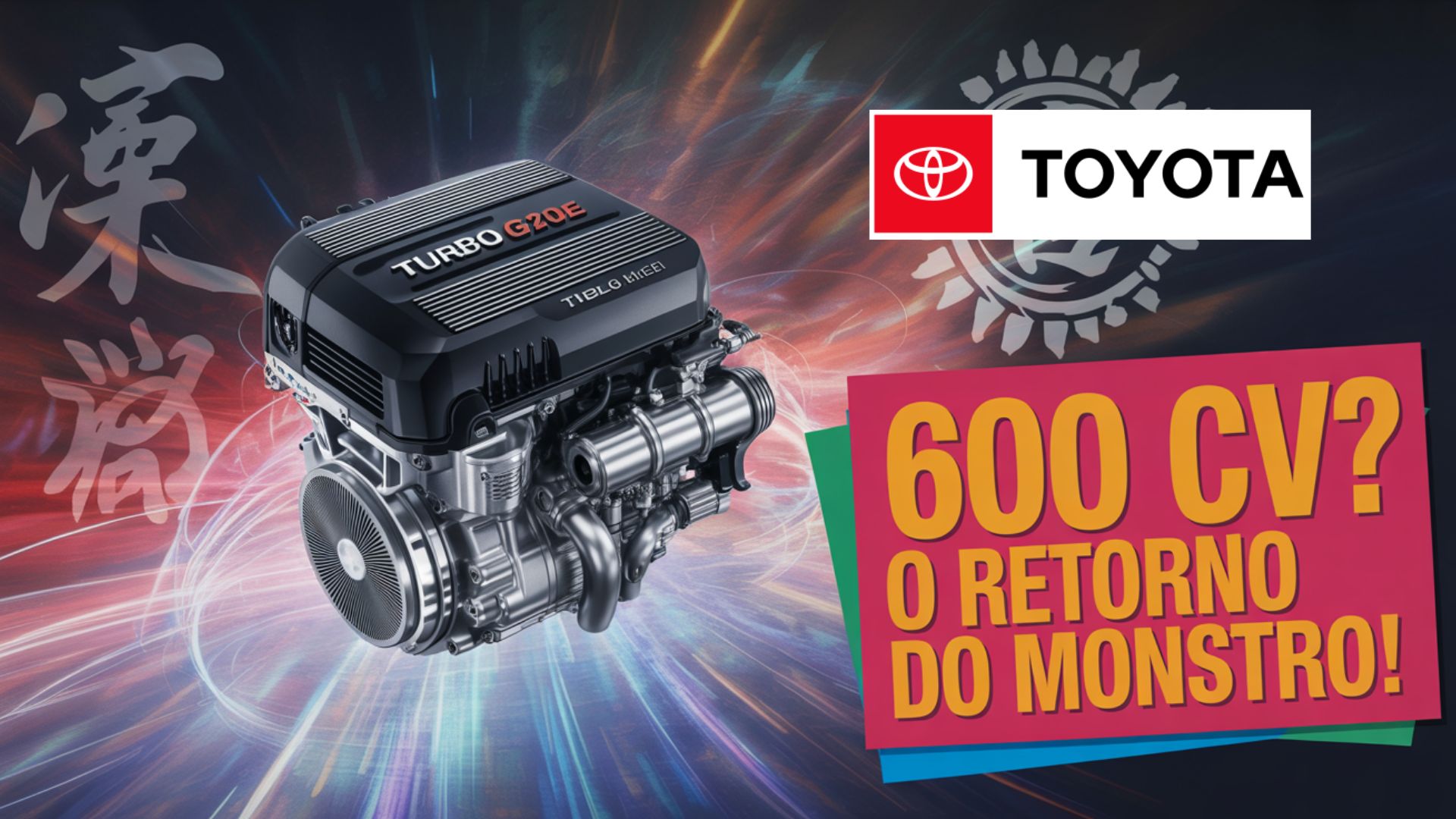


Technological Innovation by Toyota Sparks Global Interest With 2.0 High-Power Turbo Engine That Can Bring Back Iconic Models and Consolidate the Brand Among the Most Desired Sports Cars in the World.
The new G20E engine, a 2.0 turbo four-cylinder engine that promises up to 600 hp, was announced by Toyota, shaking up the combustion sports car scene.
The Japanese manufacturer reinforces its strategy by maintaining combustion engines, even in the face of the rise of hybrids and electric vehicles, highlighting its commitment to high performance and sporting tradition.
The G20E is part of an advanced generation of gasoline engines from Toyota, with aspirated, turbocharged, and electrically assisted versions.
-
Why buying a car at a dealership is more expensive? New study reveals the factors that raise the price.

-
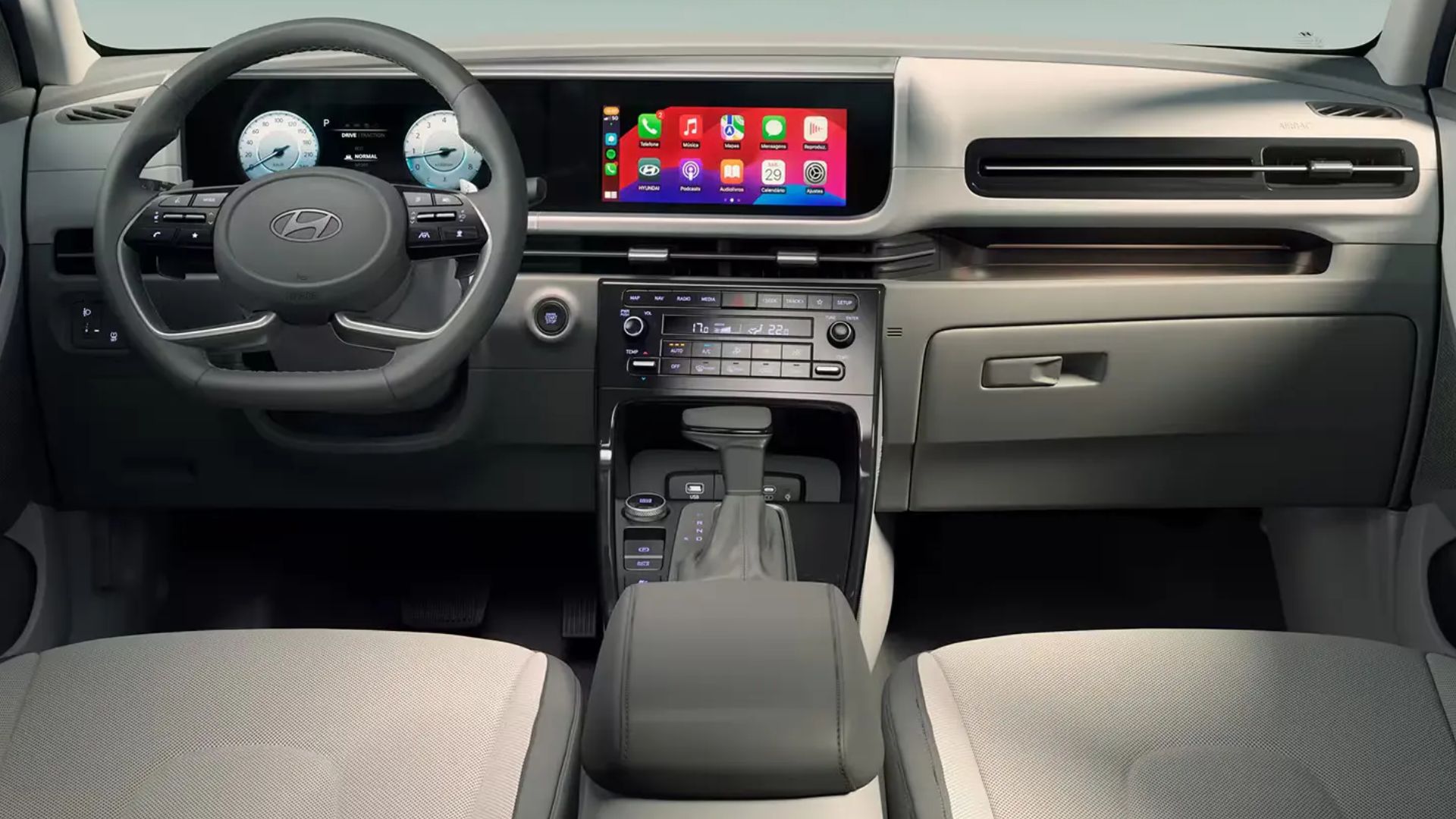
Starting at R$ 144,590 and featuring a 1.0 turbo engine and a complete ADAS package, the 2026 Hyundai Creta surpasses the Nivus, Pulse, and even the Kwid, advancing in the SUV rankings in Brazil.
-
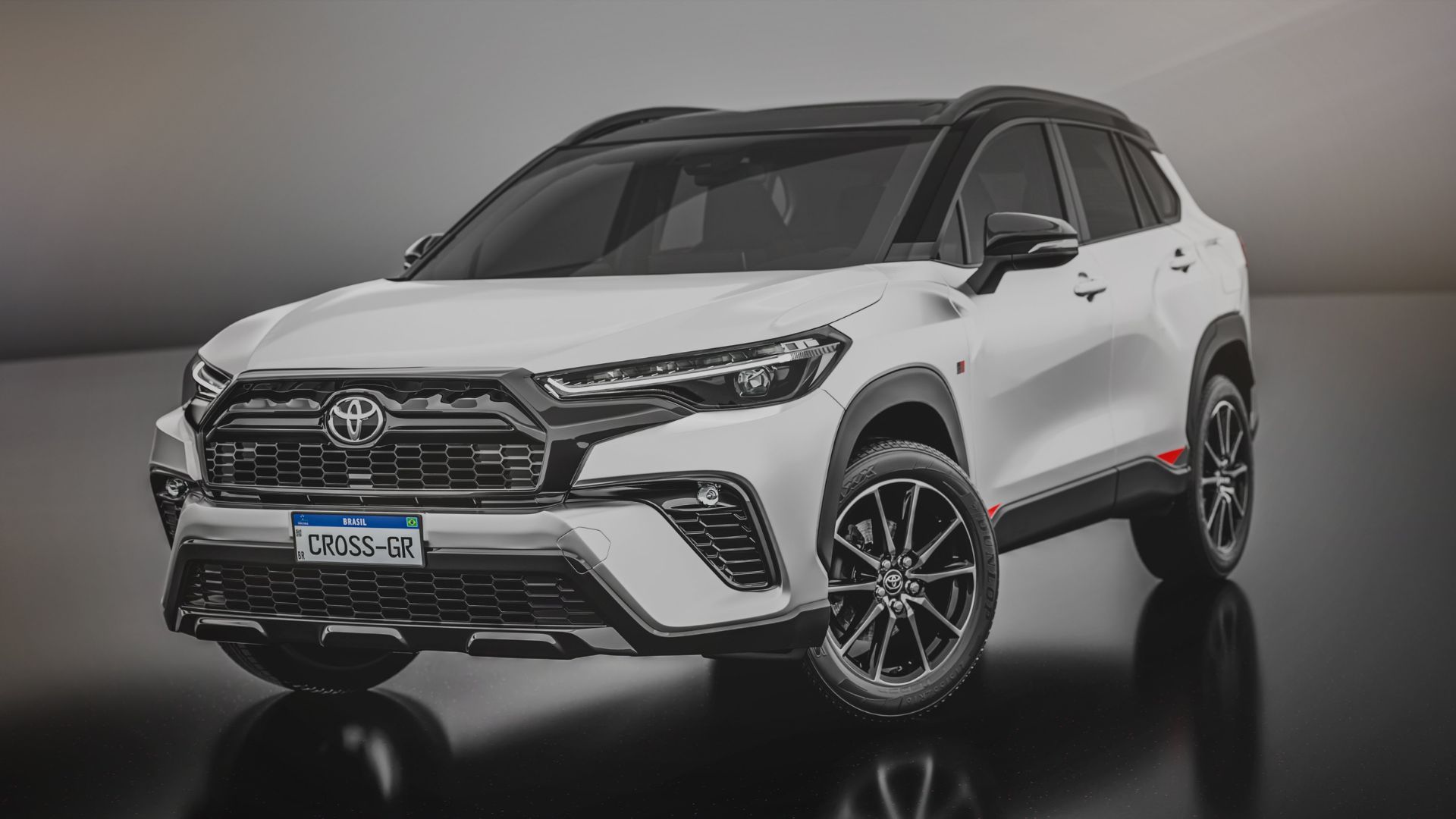
Used Toyota Corolla Cross features a 2.0 engine with up to 177 hp, a hybrid version that achieves up to 17 km/l and 122 hp combined, a 10-speed CVT transmission, a package with 6 airbags and adaptive cruise control, as well as prices starting from R$ 117,000 and reaching R$ 149,000 in versions such as XRE, XR, XRV Hybrid, and GR-S.
-
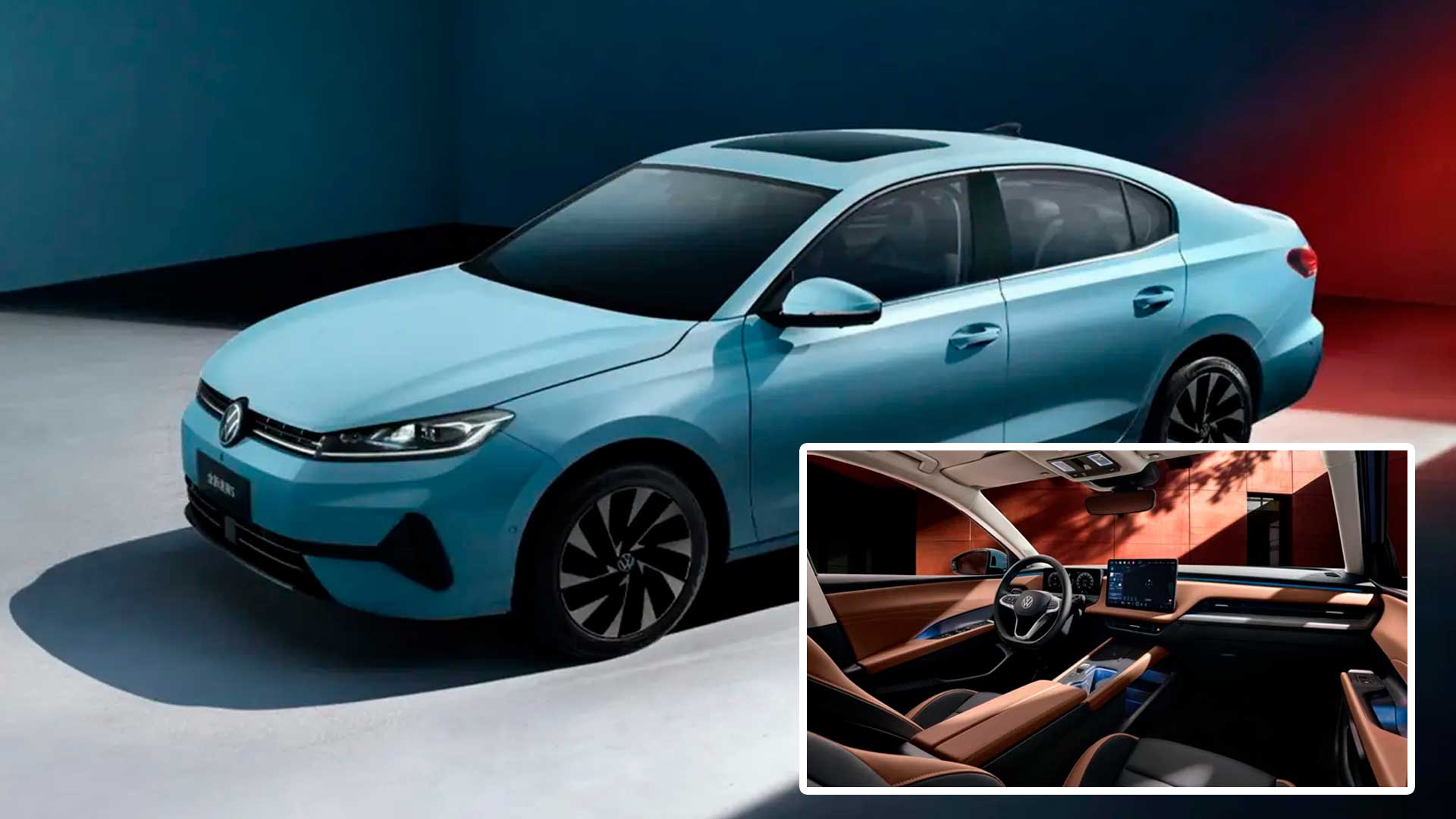
It looks like a Jetta, but costs half the price; Volkswagen launches the Sagitar S 2026 in China with a more modern design, a larger trunk, and a price much lower than the Jetta sold in Mexico.
The goal is to increase efficiency without sacrificing performance, an essential aspect in the sports segment.
The engine is already generating interest in Japan and Europe, seen as a possible foundation for future iconic projects.
The public debut of the engine took place in the GR Yaris M-Concept, installed in the rear of the model.
Since its presentation, the market has been following the potential for the G20E to equip vehicles like the legendary Toyota Celica, creating high expectations.
Toyota announced that the engine was designed to deliver between 400 hp and 450 hp in street versions.
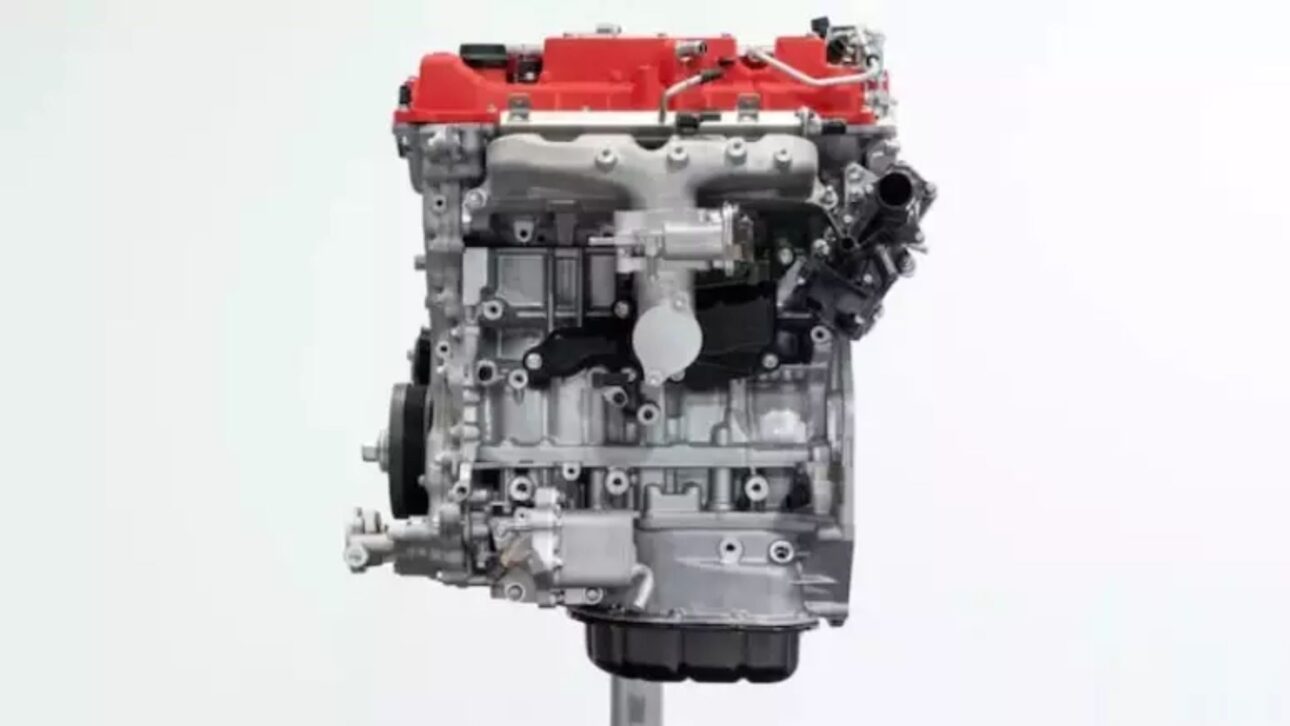
However, competition-oriented configurations have already reached 600 hp, proving the high potential of the new 2.0 turbo engine.
In an interview with the European press, the brand indicated that with a larger capacity turbo, the G20E could exceed 600 hp even in production variants, provided that environmental regulations allow.
The engine architecture was designed to offer reliability and versatility, allowing for transverse or longitudinal applications, both in the front and rear of the vehicles.
Additionally, the engine was developed with spacing between cylinders and block to facilitate future modifications and preparations, favoring enthusiasts and professionals in the segment.
Currently, the major challenge for implementing the G20E engine lies in environmental regulations, especially Euro 7.
Even so, Toyota presents the new engine as a promising foundation for future developments in sports cars.
The GR Yaris M-Concept, with the G20E, is already confirmed for events like the Super Taikyu Series in Japan in 2025 and the 24 Hours of Nürburgring in 2026.
These tests will serve to validate the durability and performance of the engine in high-demand environments before it hits the broader market.
Toyota Celica and Japanese Sporting Tradition
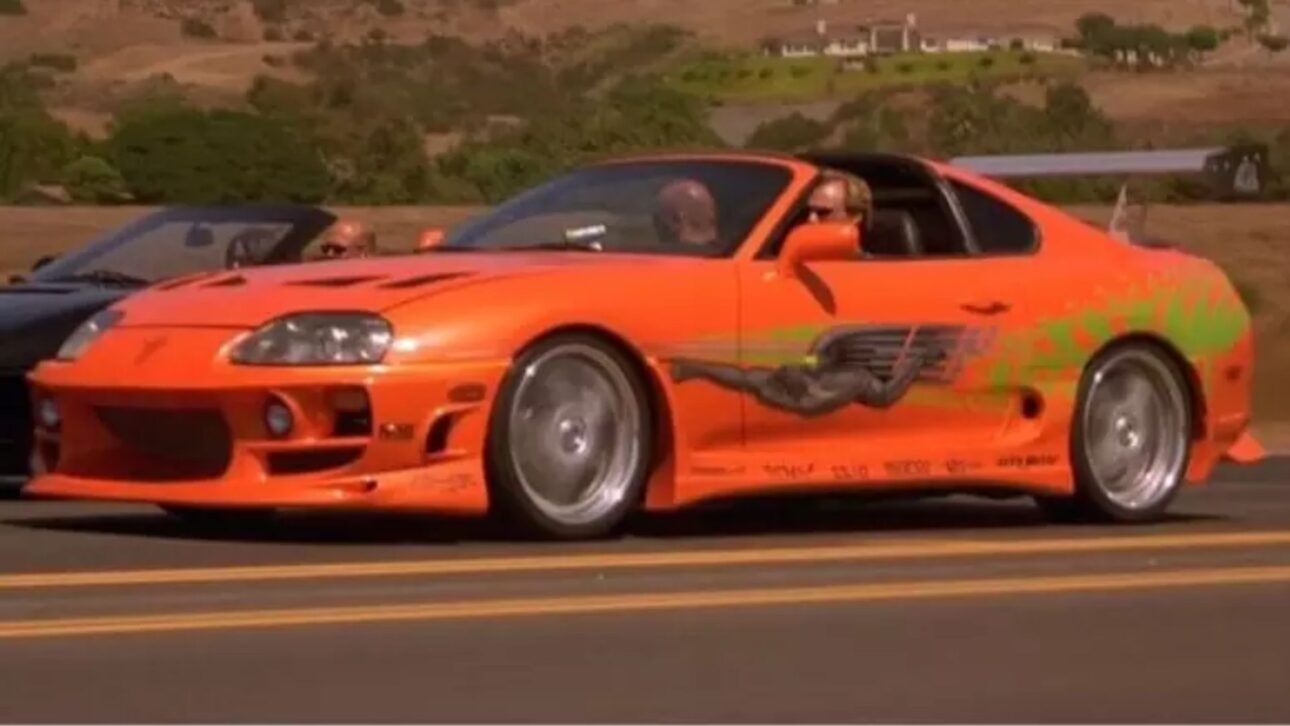
The possible return of the Toyota Celica with the G20E engine rekindles interest in the iconic sports car, famous worldwide between the 1970s and early 2000s.
The Celica stood out internationally for its performance and victories in the World Rally Championship, becoming a benchmark for sportiness.
The bet on a new turbo engine with a potential of 600 hp reveals Toyota’s intention to combine tradition and technological innovation, adapting to the new challenges in the automotive sector.
Comparison: 2.0 Turbo G20E Engine and 2JZ
Comparisons between the G20E engine and the classic 2JZ, renowned in the Toyota Supra, are common among fans.
The 2JZ engine became famous for its robustness, preparation capability, and power, becoming an icon of Japanese sports cars.
The G20E, despite having fewer cylinders, brings modern concepts such as lightness, structural strength, and ease of adaptation, following global trends in performance and efficiency.
Challenges of Environmental Regulations and the Future of Sports Cars
The choice of a smaller and lighter engine responds to market demand for efficiency, without sacrificing performance.
The main obstacle lies in emissions regulations, with the advancement of European standards imposing increasingly strict limits.
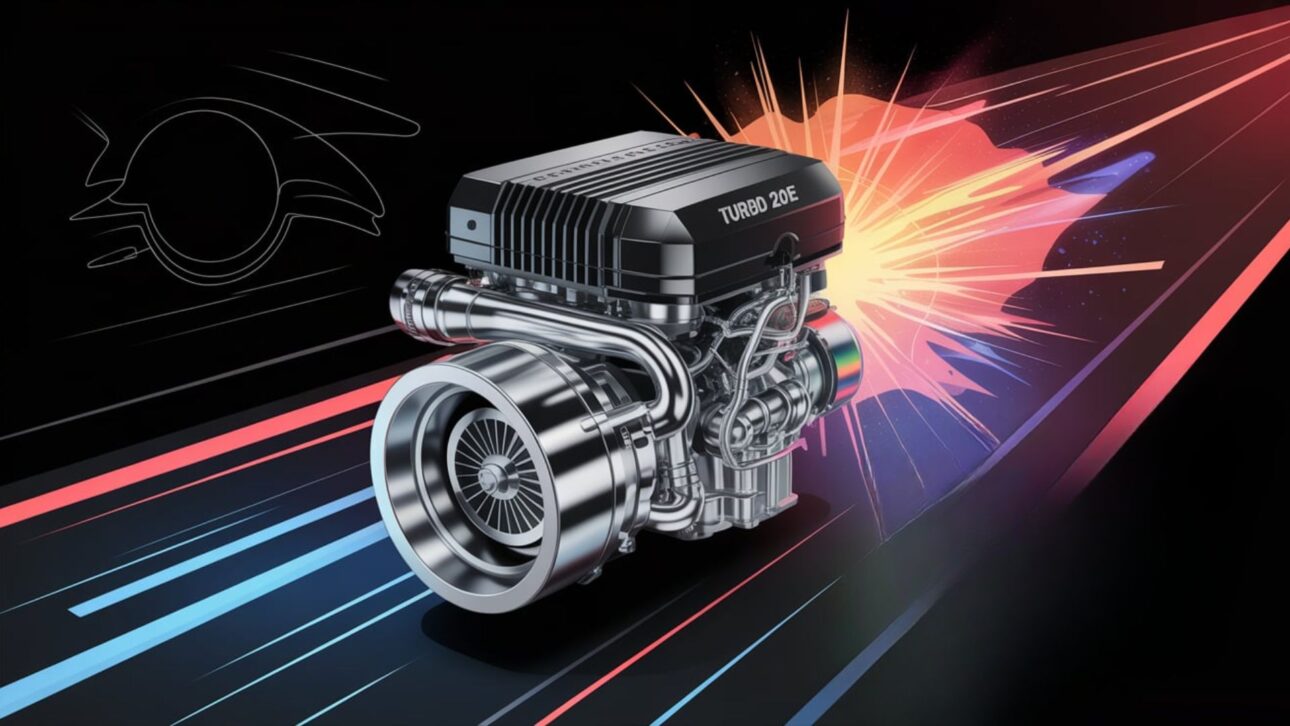
Nevertheless, Toyota continues to invest in technology and innovation to keep the tradition of combustion engines alive in the global sports scene.
The announcement of the 2.0 turbo engine as the foundation for a new generation of sports cars reinforces the Japanese brand’s strategy to remain relevant and desirable in the high-performance segment.
The G20E presents itself as an alternative for enthusiasts, offering a balance between tradition, modernity, and potential for evolution.
With all these innovations and expectations surrounding the G20E, interest from the market and consumers grows to see how Toyota will maintain the tradition of Japanese sports cars amidst so many changes in the automotive sector.







Quero ver esse motor no Corolla …
Não tem chinês pra Toyota…