





 Portuguese
  English
  Spanish
  3 min of reading
  1 comment





After 82 consecutive days of operation between Aragon and Catalonia, an electric truck driver covered 49,107 km, maintained a daily average close to 600 km, reached peaks of almost 800 km in one day, and fully complied with the legal driving and rest times, despite infrastructure limitations
After 82 days of regular operation, an electric truck covered 49,107 km in Spain with a daily average of 599 km, consuming 110 to 120 kWh per 100 km and fully complying with the legal driving and rest times.
Heavy Road Transportation with Electric Truck on Real Routes
The future of electric mobility in heavy transport was evaluated based on the practical experience of a driver who travels long distances daily. Miguel Ángel Abarca works as a professional electric truck driver for the company and shared operational data from the continuous use of the vehicle.
The analyzed operation involved frequent routes between Aragon and Catalonia, primarily using the C-25 highway. The routes allowed for evaluating the truck’s performance under different loading conditions, speeds, and weather, without altering the operational routine of the company.
-
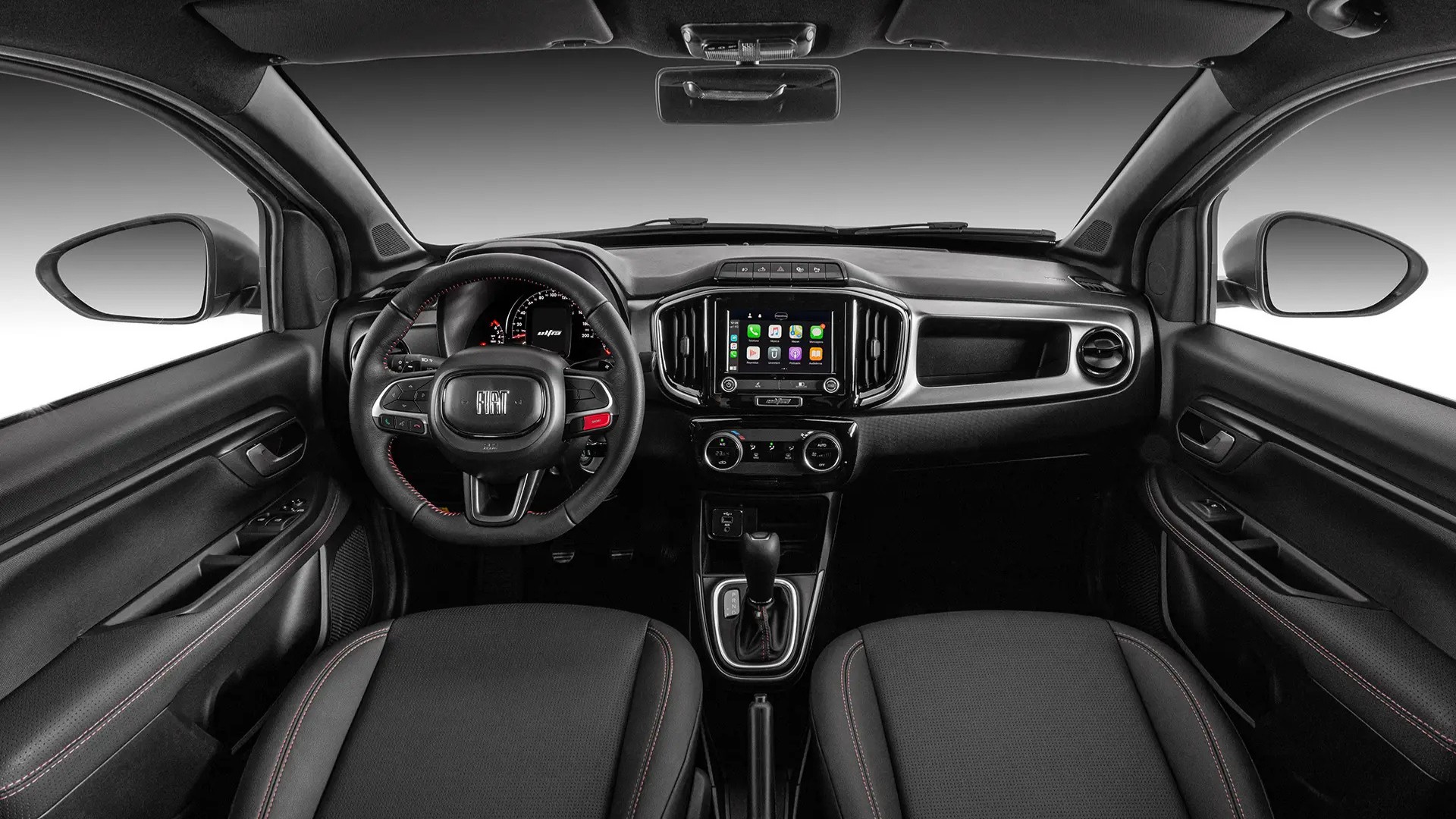
With a 1.3 engine, nearly 700 km of range, and Turbo 200, the Fiat model surpasses Polo, Tera HB20, and Onix, becoming the best-selling car in March; see the numbers for the Fiat Strada and others.
-
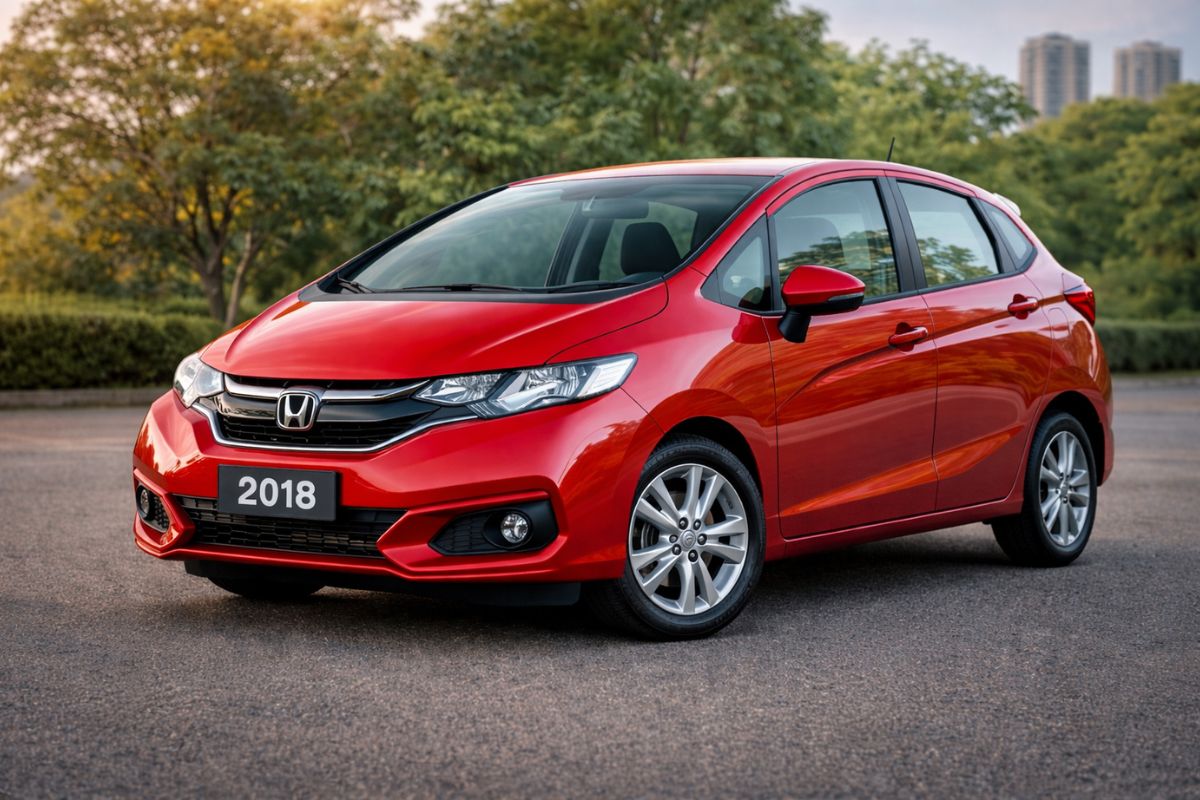
The Honda Fit has been discontinued for years, but the 2018 model is worth more today in the Fipe table than it cost brand new, proving that this used car, valued with a 1.5 i-VTEC engine and Magic Seat, only increases in price.
-
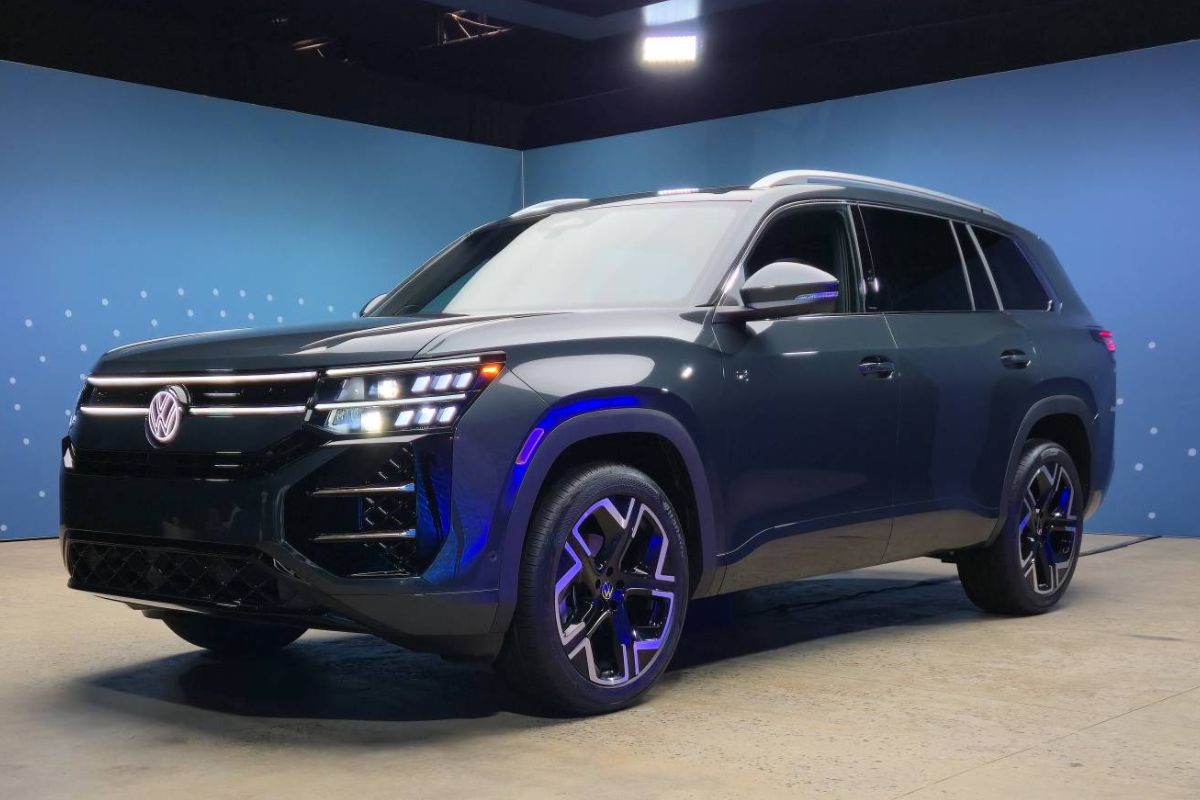
Volkswagen unveiled the 2027 Atlas with a 282-horsepower EA888 turbo engine, a 15-inch screen, massage seats, and a completely new interior to finally elevate the three-row SUV built on the MQB platform to a new level.
-
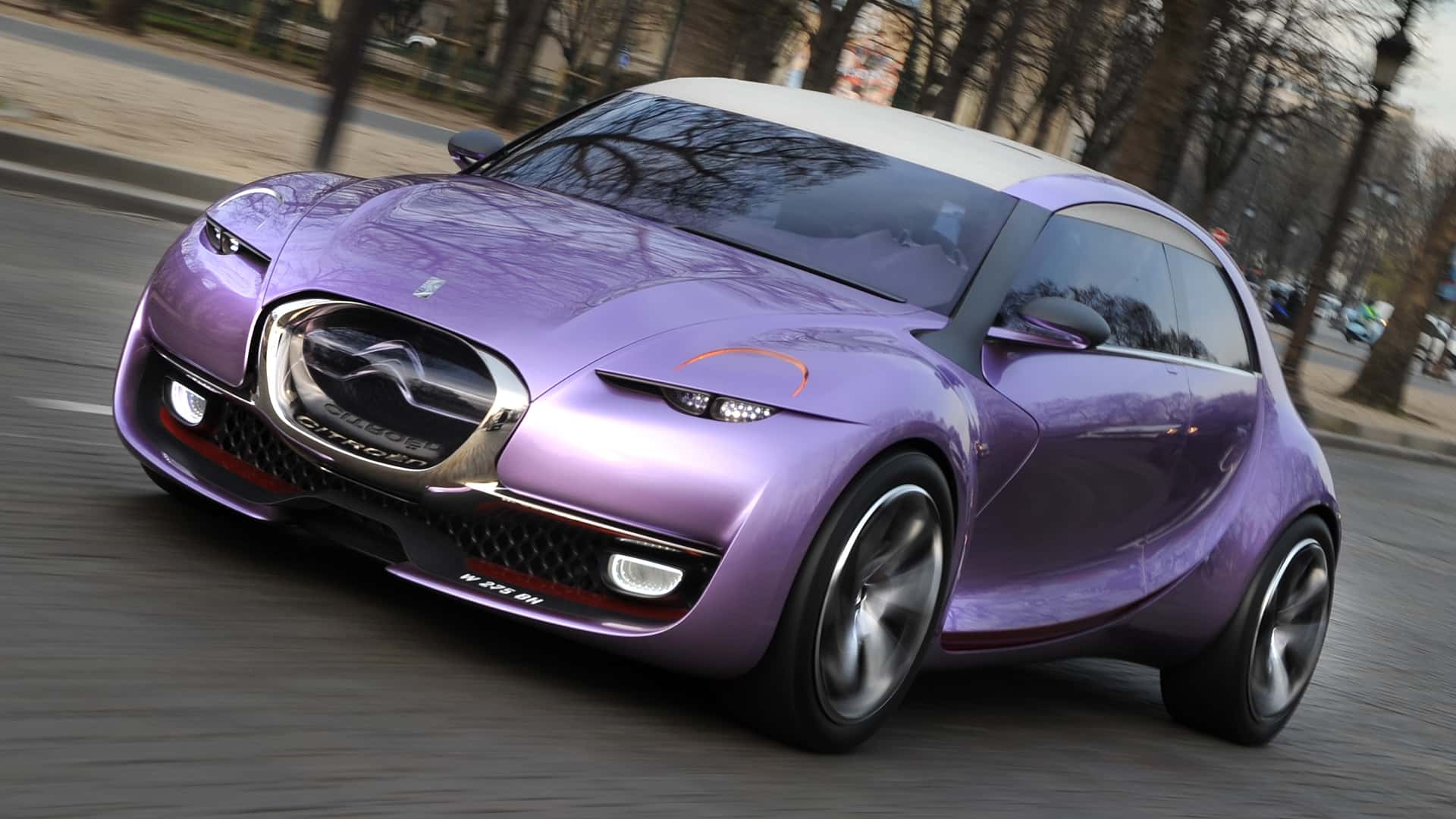
After decades out of the spotlight, Citroën is preparing to bring back the legendary 2CV as a low-cost electric vehicle, betting on the revival of one of the most popular cars in history and aiming to enter the race for affordable compact cars.

Consolidated Data on Mileage, Time, and Energy Consumption
Over 82 days, 49,107 km were recorded, with an average of 599 km per day. In a single day, the maximum distance reached 789 km. On 14 distinct days, the daily mileage exceeded 700 km, demonstrating operational consistency over the period.
The average daily driving time was 7 hours and 29 minutes. On only one occasion did the time reach 9 hours and 32 minutes. On no day did the drivers exceed 10 hours of driving, and only five days surpassed nine hours, maintaining legal compliance.
The real average speed was close to 80 km per hour. The average energy consumption ranged between 110 and 120 kWh per 100 km, consistently recorded across different routes analyzed.
Recharge Planning and Compliance with Labor Legislation
According to the analysis presented by Gabriel Bernal Gasón, the main factor in enabling the use of the electric truck was planning based on time, not just mileage. The strategy prioritized natural recharge windows throughout the day.
Recharges occurred during waiting periods, lunch breaks, and unloading moments, without interfering with the legal rest times. The company highlighted that the entire project was executed within the current legislation, without the need for irregular adjustments to the tachograph.
Bernal states that the experience proves the possibility of operating electric trucks with a single driver, maintaining high daily productivity, as long as there is precise measurement, route organization, and proper management of stop times.
Direct Driver Evaluation of Performance and Limitations
Before the consolidated analysis, Miguel Ángel Abarca had already reported his experience after a month of operation, when the electric truck had covered 14,438 km. He highlighted the delivery of power from the vehicle as the main positive aspect.
According to the driver, the acceleration is particularly efficient on uphill grades and recoveries at intersections, traffic lights, or stop signs. He states that the driving times with cargo remain very close to the times achieved with the truck empty.
On the other hand, the driver pointed out operational limitations related to charging. He reported communication failures between the tractors and chargers, which resulted in process interruptions and a loss of two days of work.
Recharging Infrastructure as the Main Operational Bottleneck
Another critical point highlighted was the available recharging infrastructure. According to the report, many stations are not equipped to accommodate large articulated vehicles, making physical access and maneuvering of the truck difficult.
These limitations cause delays in recharging the batteries and directly impact the available time for operations, a factor considered crucial in road freight transport. Despite these difficulties, the accumulated experience demonstrated operational viability.
The conclusion presented is that, with proper planning and respect for legal times, the electric truck can cover long daily distances without compromising productivity, even with structural challenges persisting in the current recharging system.









Aqui no Brasil nunca daria certo porque as empresas fazem dois caminhões depósitos de mercadorias e demoram de 3 a sete dias pra iniciar o descarregam