





 Portuguese
  English
  Spanish
  3 min of reading
  0 comments


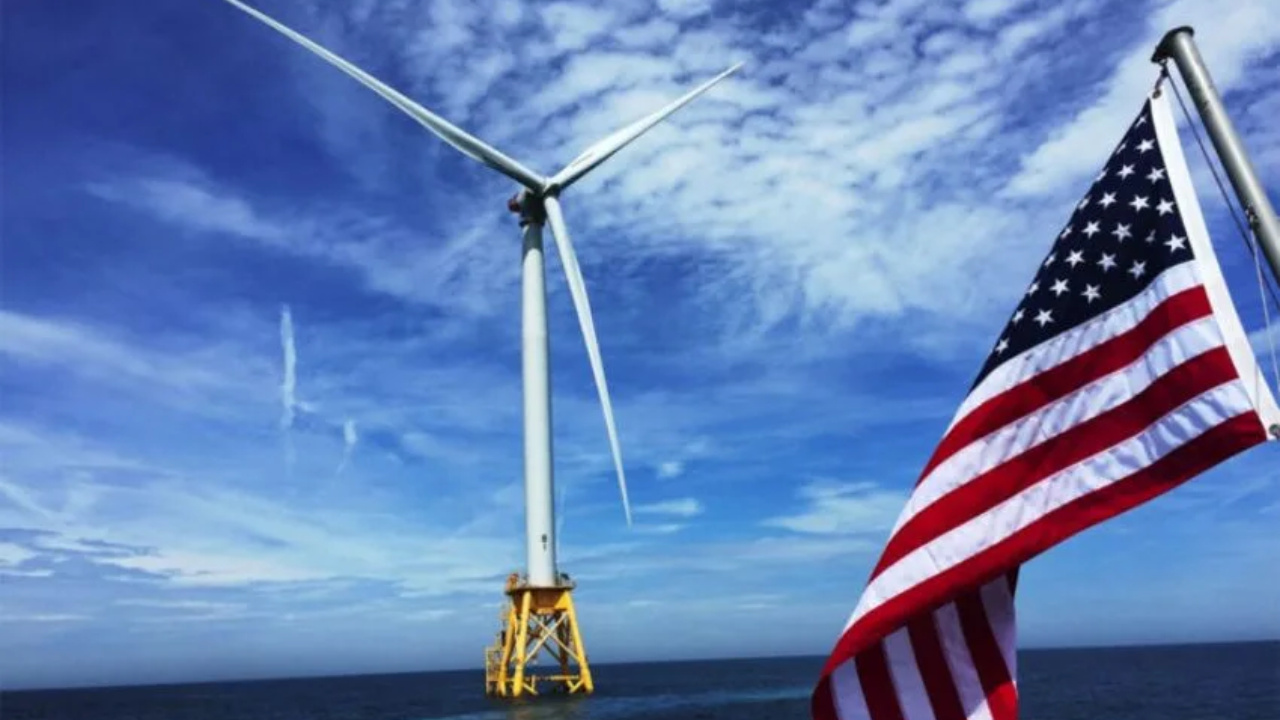
Court Rulings Overturn Trump-Era Blockades, Release Major Offshore Wind Projects, and Put Nearly 5 GW of Clean Energy on Track to Power Millions of Americans.
Offshore wind energy has returned to the center of the energy debate in the United States amid a dispute that mixes courts, politics, tariffs, and national security.
Even after attempts by the Trump administration to halt the progress of offshore wind farms, recent court decisions have reinstated four major projects currently under construction.
At the same time, the country is facing a budget crisis in the energy sector and a rapidly increasing electrical demand, especially in the east, making these projects even more strategic.
-
Giant of the winds in Rio Grande do Norte: Serra do Tigre Wind Complex receives new investments and accelerates the expansion of clean energy generation to supply millions of Brazilian homes.
-
Urgent energy transition: Greenpeace advocates for massive investments and points to Brazil as a global leader in wind energy production in the coming years.
-
Conflict in the Sertão: Rural communities in Rio Grande do Norte report issues with wind farms and the new challenges of clean energy in the semi-arid region.
-
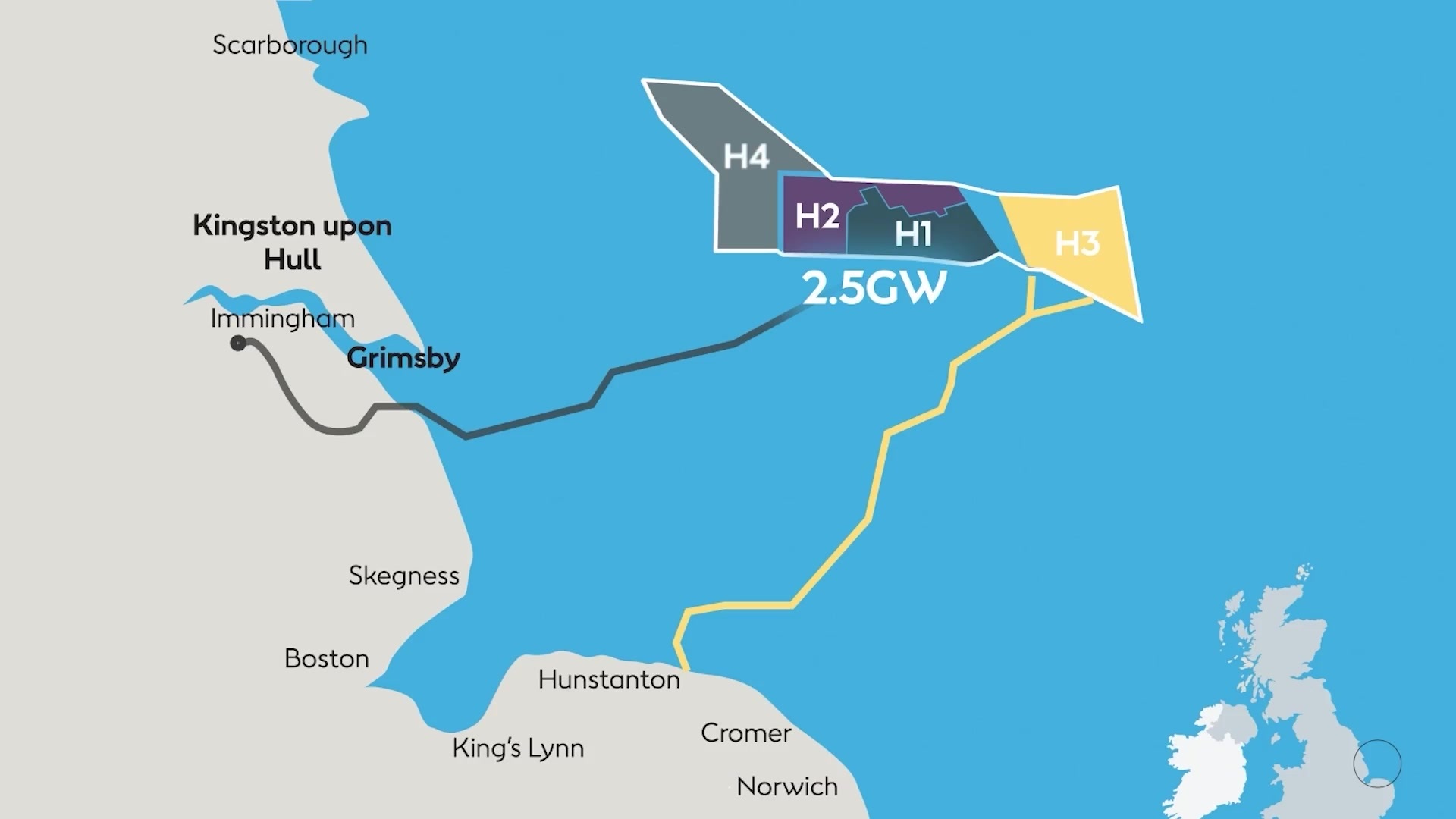
231 turbines of 260 meters at 160 km from the coast, monopiles weighing as much as nine blue whales embedded in the North Sea, and a crane ship taller than the Eiffel Tower: Hornsea 3 will be the largest offshore wind farm on the planet by 2027, and its first components have already arrived in England.

Meanwhile, investors and companies in the sector are monitoring every move with caution. Although the industry has won legal battles, it still feels the effects of months of regulatory uncertainty.
Projects Resume Construction and Release Nearly 5 Gigawatts of Energy
After months of stalemate, four offshore wind megaprojects have been authorized to resume construction without having to start over. They are: Vineyard Wind, Coastal Virginia Offshore Wind, Empire Wind 1, and Revolution Wind. Together, these farms are expected to inject nearly five gigawatts of energy into the grid along the U.S. East Coast.
This volume is enough to power approximately 3.5 million homes. Additionally, electric system operators highlight that this extra capacity can improve supply reliability, especially in winter, when other renewable sources tend to be more unstable.
Therefore, more than just turbines at sea, these projects represent a direct reinforcement to the energy security of the region.
Trump Tried to Block, But Courts Overturned the Blockades
In December, the federal government ordered the halting of five offshore wind energy projects, citing national security reasons.
Shortly afterward, on January 9, then-President Donald Trump made it even clearer by stating his intentions to prevent the construction of offshore wind farms.
However, legal analyses indicated that these justifications could not hold up in court.
As a result, distinct federal rulings rejected the administration’s arguments and authorized the immediate resumption of four projects. Only Sunrise Wind remains in dispute, with a hearing scheduled for next week.
Thus, despite the tough rhetoric, the offensive against offshore wind energy suffered a significant setback in the judiciary.
Even with Judicial Victory, the Sector Emerges Wounded
Although resuming construction represents a victory, the offshore wind industry admits that damage has already been done.
Analysts note that the unexpected halt has shattered expectations for new projects and increased the perceived risk for investors.
Moreover, the atmosphere of regulatory uncertainty complicates long-term planning. Major projects require years of licensing, contracts, and financing.
Any sign of political interference can delay or even cancel billion-dollar investments.
Therefore, even with active construction sites again, the sector remains on alert.
Why Offshore Wind Became a Key Player in the Northeastern U.S.
Energy experts emphasize that offshore wind energy is considered one of the most important resources for the Northeastern United States. The region is facing rising tariffs, accelerated consumption growth, and an explosion in demand from data centers, which consume enormous volumes of electricity.
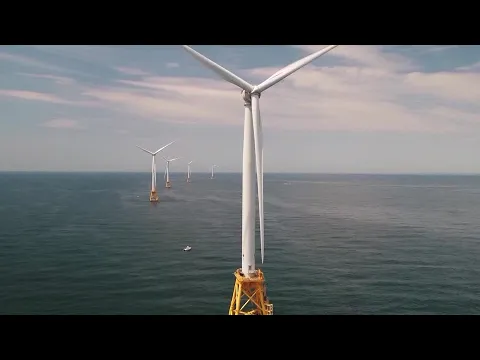

Operators such as ISO New England assert that offshore wind farms are essential to maintain system reliability during the colder months. Among all available renewable sources, offshore wind is seen as having the greatest potential for rapid deployment in the region.
In other words, without these projects, the risk of shortages and higher prices increases.
In your opinion, will offshore wind guarantee cheaper and more stable energy or will it continue to be a victim of political disputes in the coming years?








Seja o primeiro a reagir!