





 Portuguese
  English
  Spanish
  3 min of reading
  0 comments


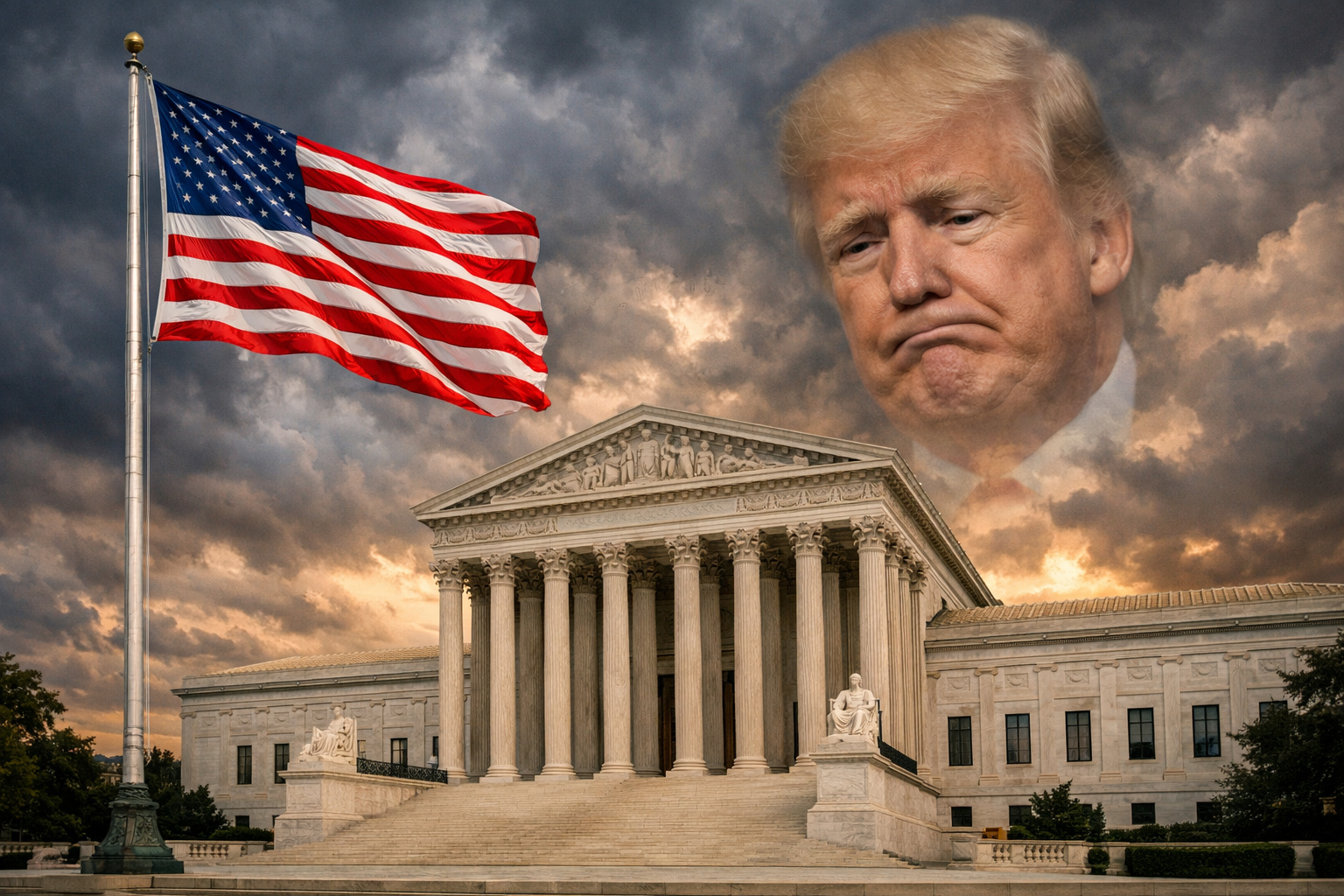
6-3 Decision Limits Use of the IEEPA of 1977 and Reinforces That Only Congress Can Authorize Measures of Major Economic and Political Impact
The United States Supreme Court dealt a severe blow to President Donald Trump on Friday (20). The decision directly affects the global tariff policy adopted during his second term. Furthermore, it reignites the debate over the limits of Executive power.
The information was disclosed by the “Reuters” agency, which detailed the legal and economic impacts of the decision.
Supreme Court Rules 6-3 and Imposes Limits on the Executive
By 6 votes to 3, the justices upheld the decision of a lower court. According to the Court, Trump exceeded his authority by using the International Emergency Economic Powers Act (IEEPA), enacted in 1977.
-
USA and China compete for Brazil over resources that could be worth trillions — rare earths put the country at the center of a global dispute

-
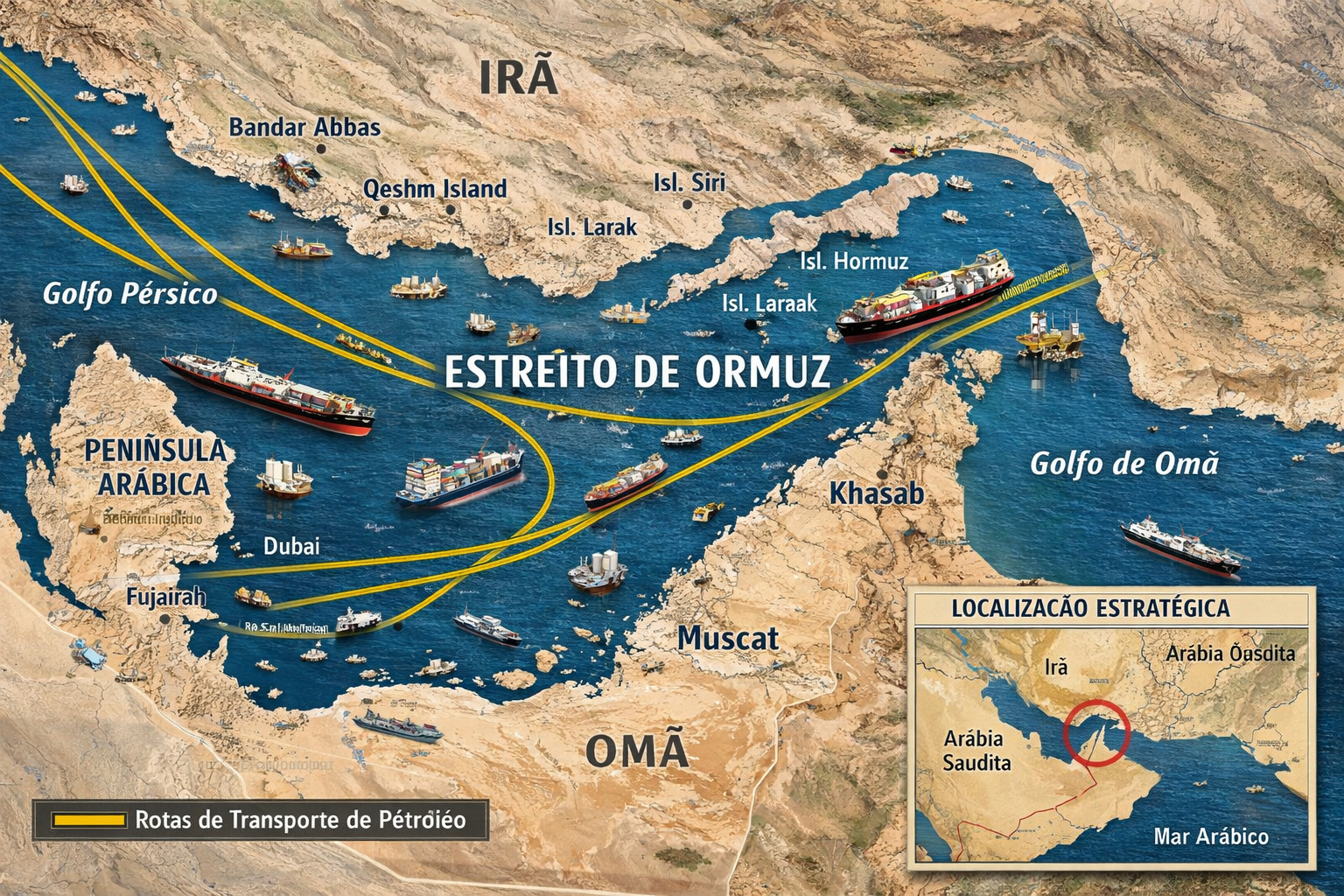
Global summit with over 40 countries pressures Iran for a blockade in the Strait of Hormuz and warns of direct impact on oil, food, and the global economy.
-
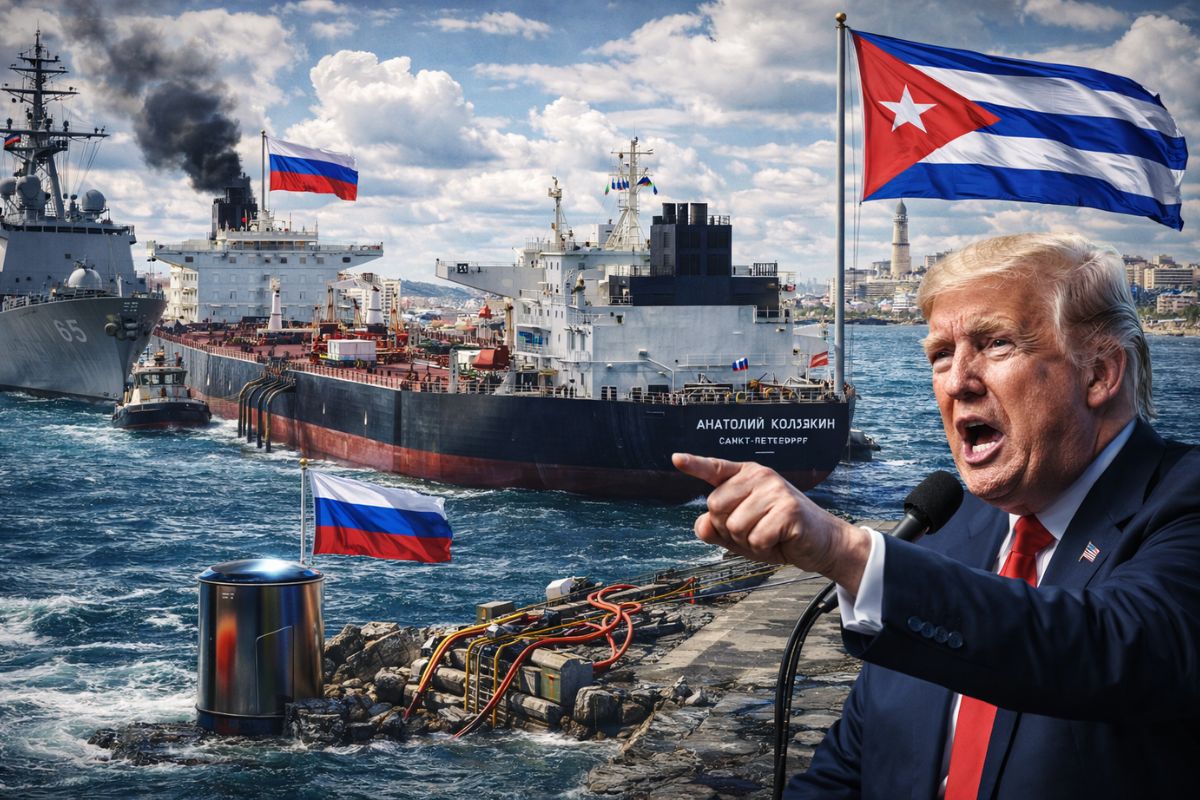
Russia has broken the U.S. maritime blockade to send oil to Cuba and is now loading a second ship while Trump says that “Cuba is next” in a possible military action against the island.
-
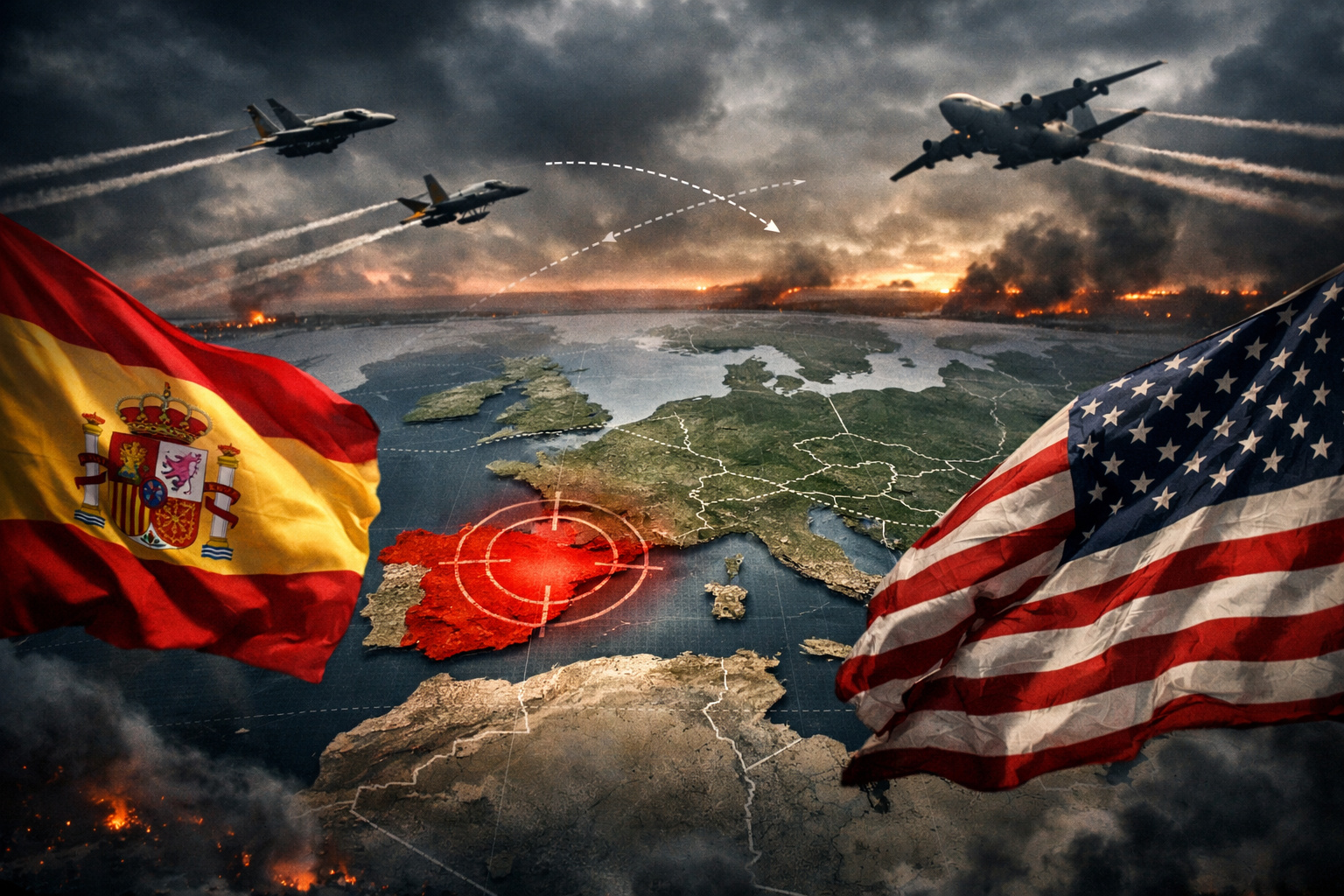
Spain challenges the USA and closes its airspace for operations against Iran, raising global tension and provoking the threat of a trade rupture.

The Chief Justice, John Roberts, wrote the majority opinion. He stated that the Constitution grants Congress, not the President, the power to impose taxes and tariffs. Therefore, the Executive needs clear authorization to act.
Additionally, the Court applied the so-called doctrine of “major questions.” This principle requires explicit authorization from Congress for actions of significant economic and political impact. According to Roberts, the government did not present such authorization. “It cannot,” wrote the justice.
Although the Court has a conservative majority of 6 to 3, three conservatives: Clarence Thomas, Samuel Alito, and Brett Kavanaugh dissented from the decision. On the other hand, three liberal justices joined Roberts alongside conservatives Neil Gorsuch and Amy Coney Barrett, both appointed by Trump.
It is worth noting that, since January 2025, the Supreme Court had been supporting the government in emergency decisions. However, in this case, the justices set a clear limit.
US$175 Billion at Risk and Impact on the Global Economy
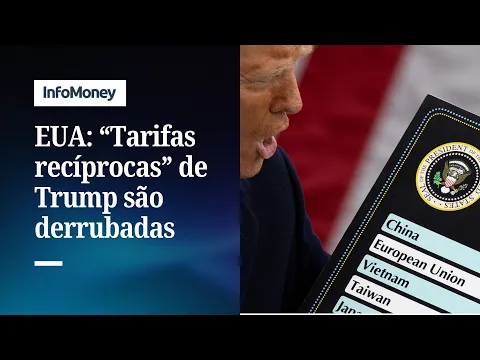

The tariffs became central to the trade war initiated during Trump’s second term. According to previous projections, they could generate trillions of dollars in the next decade.
However, economists from the Penn-Wharton Budget Model estimated that tariffs based on the IEEPA had already generated over US$175 billion. With the decision, that amount will likely need to be refunded.
The government has not released official data since December 14, which increases fiscal uncertainty. Additionally, the Congressional Budget Office estimated that if all current tariffs remained in effect, they could generate about US$300 billion per year in the next decade.
By comparison, net customs revenues in the U.S. reached US$195 billion in fiscal year 2025, which ended on September 30, according to the Treasury Department.
Still, part of the tariffs remains valid. This is because Trump used other laws to impose some duties. These measures account for about a third of the revenue, considering data from October to mid-December.
Legal Dispute, Alternatives, and Diplomatic Tension
Historically, the IEEPA was used to impose sanctions or freeze assets of adversaries. The law does not explicitly mention tariffs. However, the Justice Department argued that the power to “regulate” imports would include this possibility.
Even so, the Supreme Court rejected this interpretation.
On April 2, referred to by Trump as “Liberation Day,” the President announced “reciprocal” tariffs against most trading partners. He justified the measure by citing historical trade deficits.
Additionally, in February and March 2025, Trump invoked the IEEPA to impose tariffs on China, Canada, and Mexico. In this case, he cited fentanyl trafficking as a national emergency.
Now, Treasury Secretary Scott Bessent states that the government will seek legal alternatives. Among them are provisions allowing tariffs for national security reasons or as trade retaliation.
However, none of these options offer the same flexibility as the IEEPA. Consequently, the scope of the tariffs may diminish.
At the same time, the decision alters the balance between the Executive and Legislative. Furthermore, it may reduce the U.S. bargaining power in trade negotiations.
On the other hand, supporters of the decision argue that Congress needs to maintain its constitutional role. After all, the Constitution assigns the Legislative power to impose taxes.
Do you think the decision strengthens democracy by limiting the Executive, or does it weaken the U.S. ability to negotiate on the global stage?








Seja o primeiro a reagir!