





 Portuguese
  English
  Spanish
  5 min of reading
  0 comments


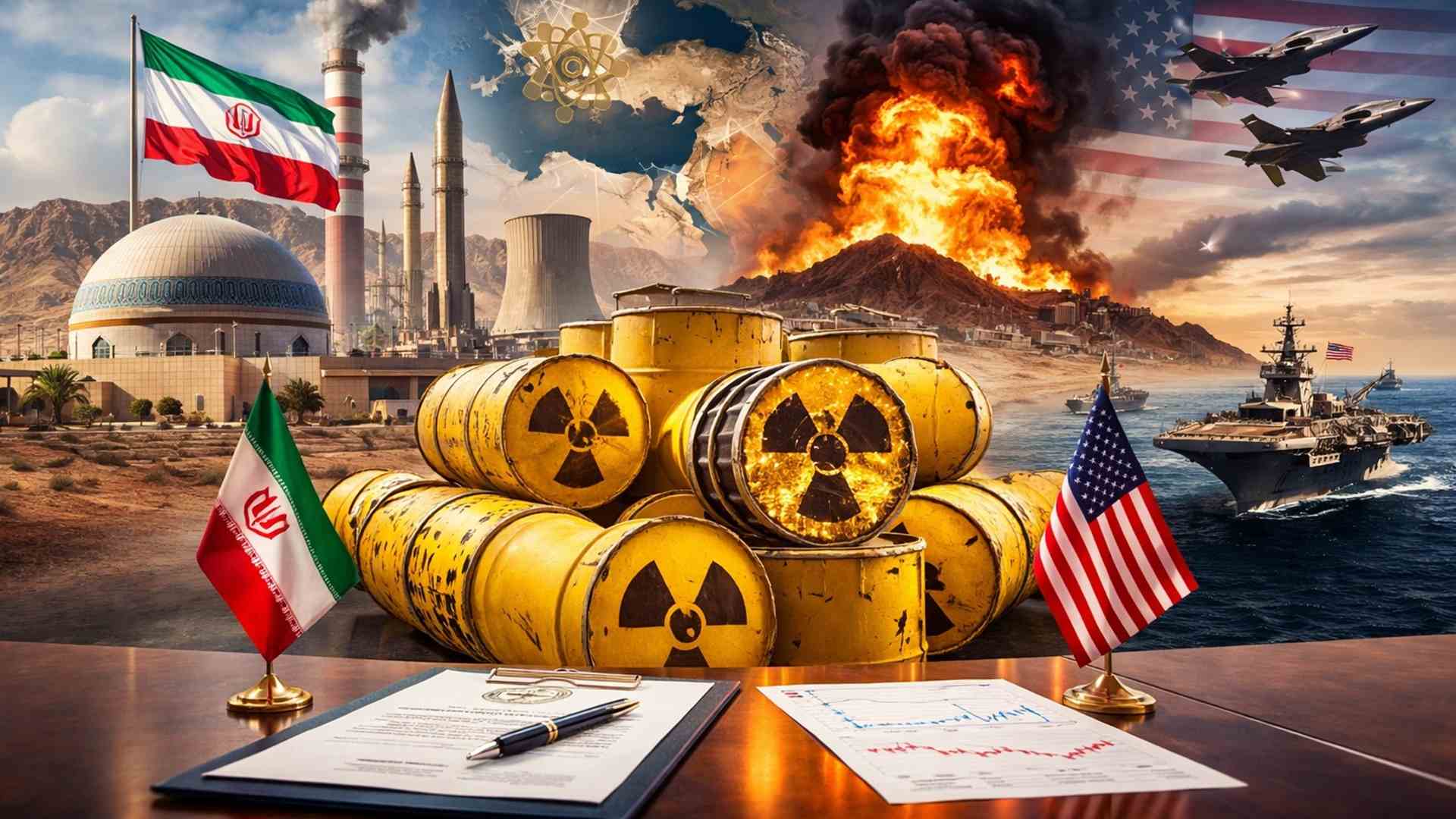
IAEA Chief Says Iran’s Nuclear Material Remains in Large Quantities After U.S. Attacks in June, While Negotiations in Geneva Advance Under a 10-Day Deadline and Risk of New Military Escalation Increases in the Region
The head of the UN nuclear agency warned that Iran’s enriched nuclear material remains in large quantities after U.S. attacks last year and pressed for urgency in a diplomatic agreement to prevent further escalation between Iran, the U.S., and nuclear issues.
Iran, U.S., Nuclear: Enriched Material Remains After Attacks
The Director General of the International Atomic Energy Agency, Rafael Grossi, stated that most of the nuclear material accumulated by Iran up to June of last year remains intact, despite U.S. bombings of three major facilities.
According to him, some of the material may be less accessible, but it remains at the site where it was located at the time of the attacks. From a non-proliferation perspective, the material still exists, which increases the pressure for an agreement.
-
USA and China compete for Brazil over resources that could be worth trillions — rare earths put the country at the center of a global dispute

-
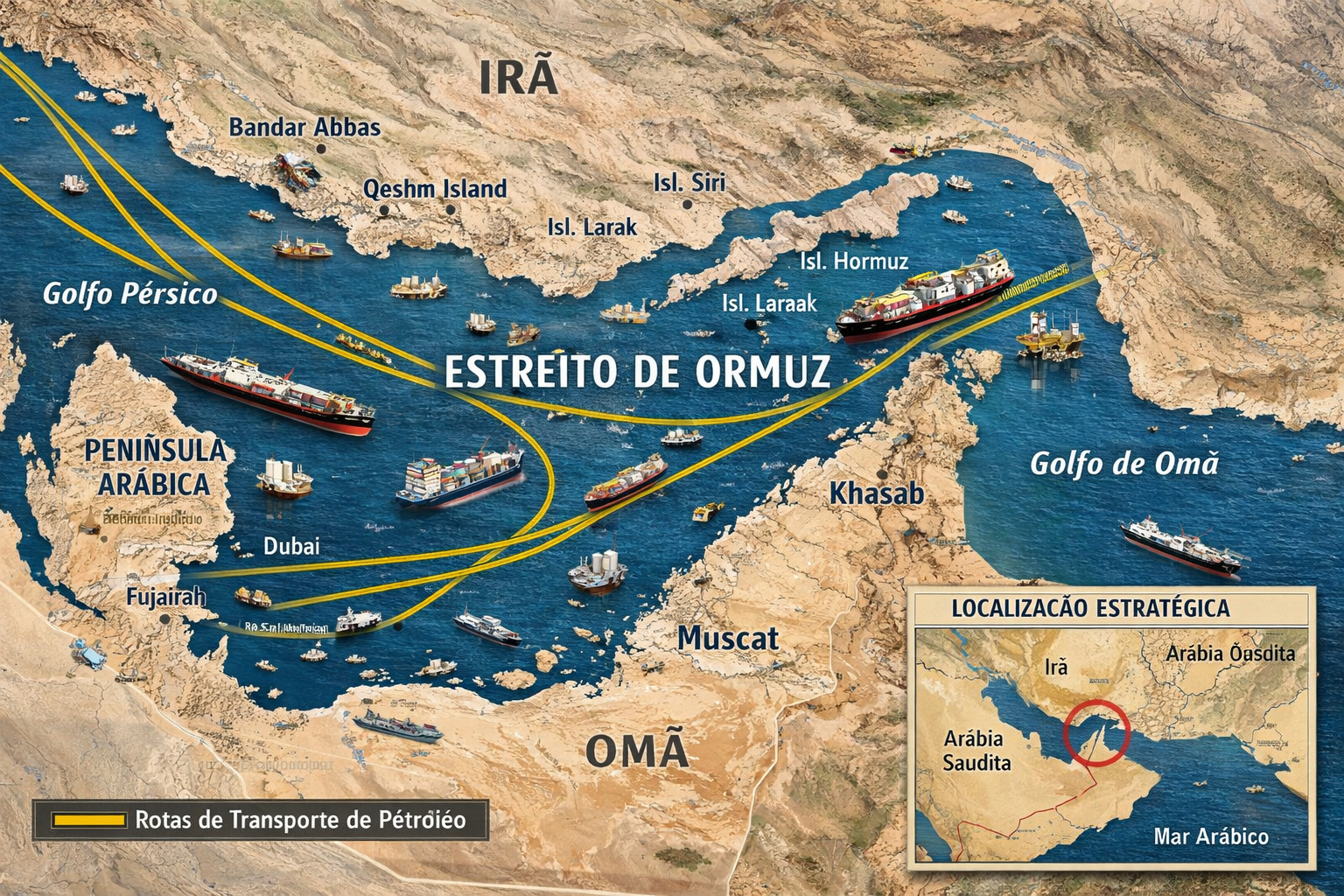
Global summit with over 40 countries pressures Iran for a blockade in the Strait of Hormuz and warns of direct impact on oil, food, and the global economy.
-
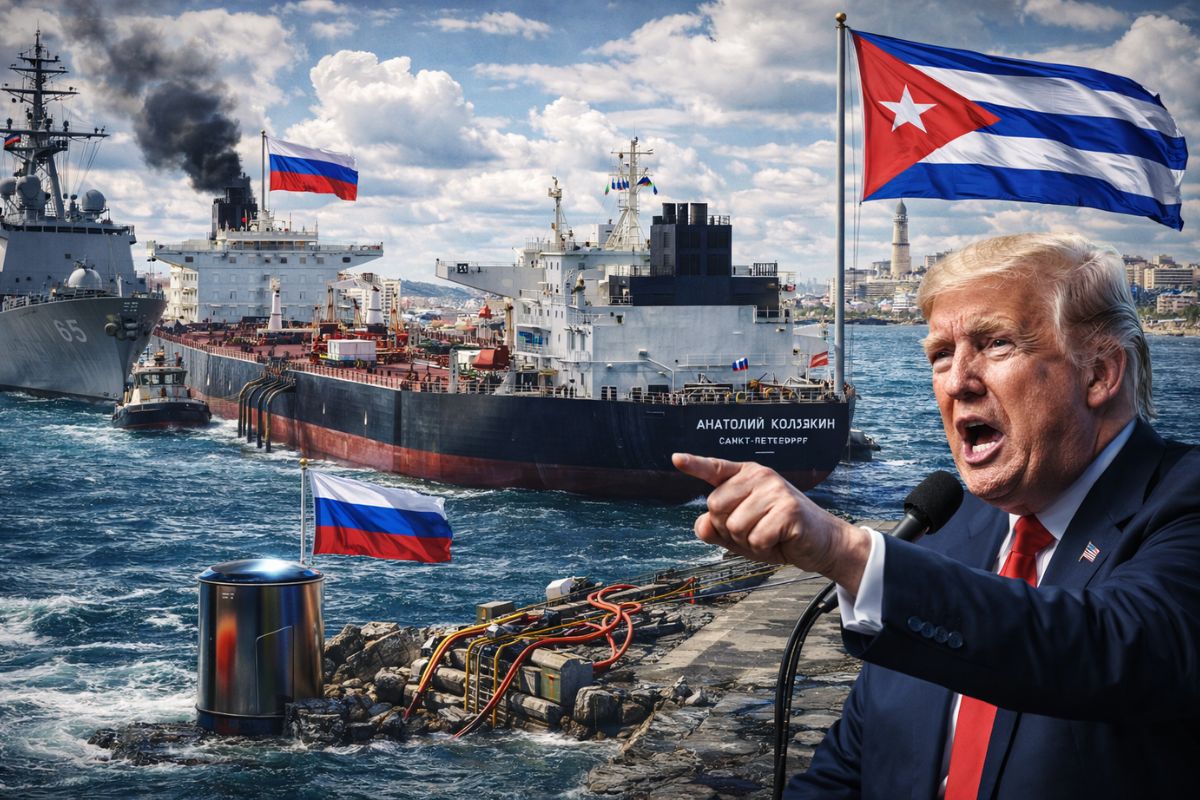
Russia has broken the U.S. maritime blockade to send oil to Cuba and is now loading a second ship while Trump says that “Cuba is next” in a possible military action against the island.
-
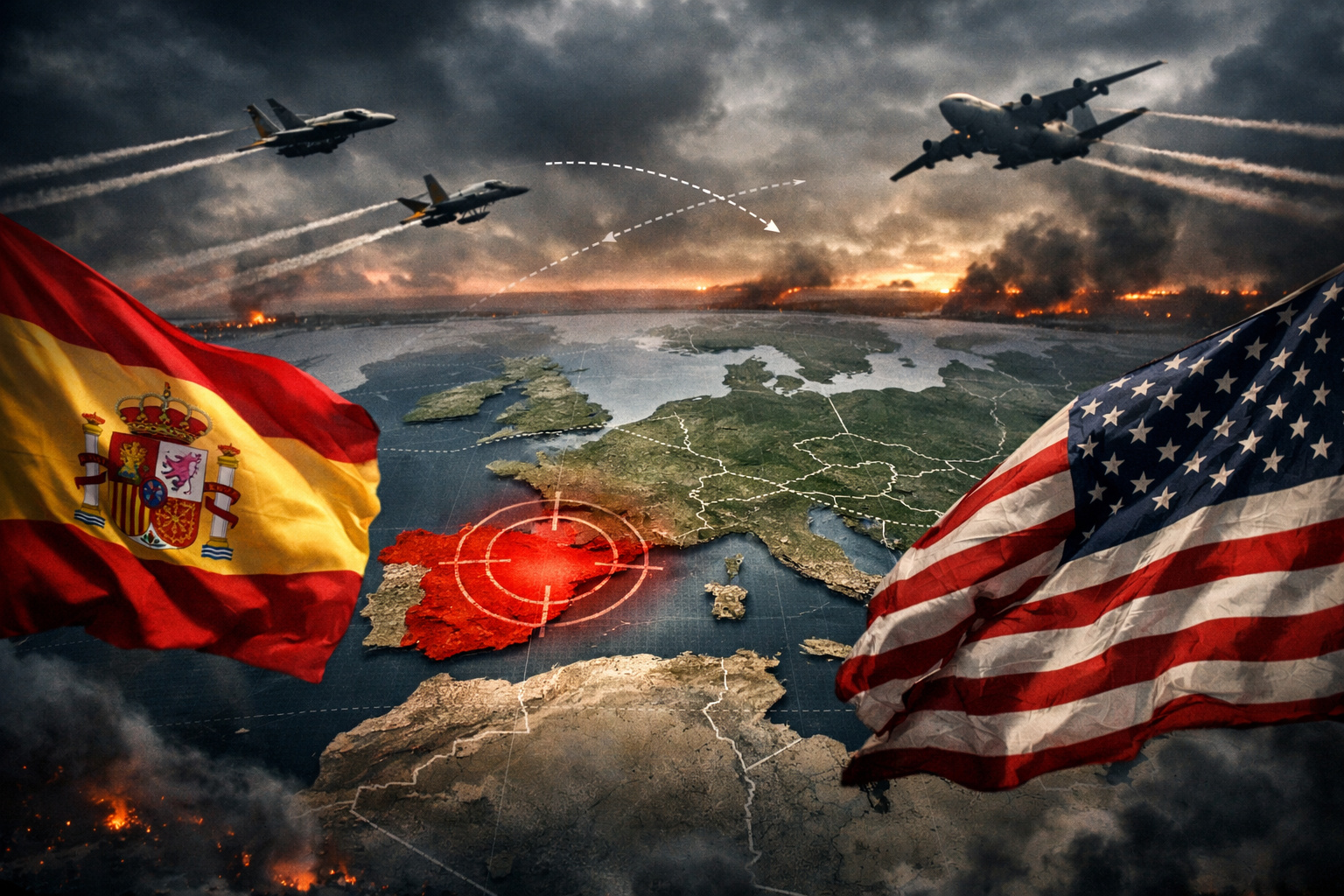
Spain challenges the USA and closes its airspace for operations against Iran, raising global tension and provoking the threat of a trade rupture.
Grossi called the need for understanding between Iran and the U.S. urgent to prevent further military action in the region. He stated that the time available for negotiations is limited and highlighted the risk posed by the reserves of enriched material.
The statement was made in an interview with the French broadcaster TF1, published online on Wednesday. Grossi referred to the negotiations in Geneva as two steps forward, but noted that additional efforts are still needed.
Negotiations in Geneva Advance, But Details Remain Open
The United States and Iran concluded a round of negotiations on Tuesday in Geneva. Both sides claimed that progress had been made, although a U.S. official told CBS News that there are still many details to discuss.
According to the same official, Iran is expected to return in a few weeks with detailed proposals to address still open gaps in the parties’ positions. The talks are taking place while President Donald Trump is reinforcing U.S. military presence in the region.
Trump conditioned the absence of new attacks on an agreement that limits the Iranian nuclear program. He stated that he will not allow, under any circumstances, Iran to develop nuclear weapon capability.
Divergences Over the Impact of “Operation Midnight Hammer”
Following the so-called Operation Midnight Hammer, conducted in June, Trump and Defense Secretary Pete Hegseth claimed that the attacks had obliterated the Iranian nuclear program.
However, questions quickly arose about the extent of the damage caused. An initial confidential assessment from the U.S. indicated that Tehran’s nuclear program had been delayed by months.
Trump, on the other hand, stated that the program had been delayed basically for decades. The diverging assessments fueled the debate on the effectiveness of the attacks and reinforced the importance of diplomatic negotiations.
Risk of Conflict Expansion Concerns Nuclear Agency
While Russian warships and aircraft participated in Iranian military exercises in the Strait of Hormuz and the Gulf of Oman this week, Grossi emphasized the need to avoid further confrontation between Iran and the U.S.
He warned of the real risk of the conflict spilling over and expanding to other countries. According to the IAEA director, everything must be done to prevent this situation from occurring.
Grossi described the current moment as decisive in a long history marked by successes and failures. He also mentioned the prolonged deadlock shaped by conflicts, including the so-called 12-day war in June of last year.
According to him, there is now the possibility of a dialogue that is beginning to take concrete shape for the first time. The fact that he has been invited by the involved parties was seen as a positive sign.
Current Signs and Atmosphere of Imminent Decision
When asked about signs that Iran is currently working to develop nuclear weapon capability, Grossi stated that the agency has not observed such activity.
He declared that, on the contrary, he perceives a willingness from both sides to reach an agreement today. Nevertheless, the atmosphere in Washington has become more urgent in recent days.
Sources told CBS News that Trump has not made a final decision but is considering an attack on Iran as soon as this weekend. The president stated that now is the time for Iran to adhere to the proposed path.
He added that if this does not happen, bad things will happen. He also stated that perhaps an agreement will be reached and that news should emerge in the next 10 days.
In parallel, Polish Prime Minister Donald Tusk urged Polish citizens to leave Iran immediately. He recommended that no one travel to the country under any circumstances.
Tusk cited the very real possibility of a conflict that could make evacuations impossible soon. The scenario reinforces the atmosphere of tension surrounding the negotiations involving Iran, the U.S., and nuclear issues.
The statements come amid satellite images from the Esfahan Nuclear Technology Center, released in January 2026. The nuclear material, according to Grossi, remains in large quantities.
The head of the IAEA reiterated that the central problem is the limitation of time available to prevent further confrontation. For him, the moment represents a concrete opportunity to address practical issues regarding the Iranian program.
When mentioning the 12-day war, Grossi emphasized that the recent history reinforces the need for a diplomatic solution. The deadlock persists, but conversations continue.
The debate on Iran, the U.S., and nuclear issues remains open, with ongoing negotiations and decisions that may be made in the coming days. The outcome will depend on the proposals to be presented and the evaluation of the involved parties.
Source: CBSNEWS








Seja o primeiro a reagir!