





 Portuguese
  English
  Spanish
  5 min of reading
  0 comments


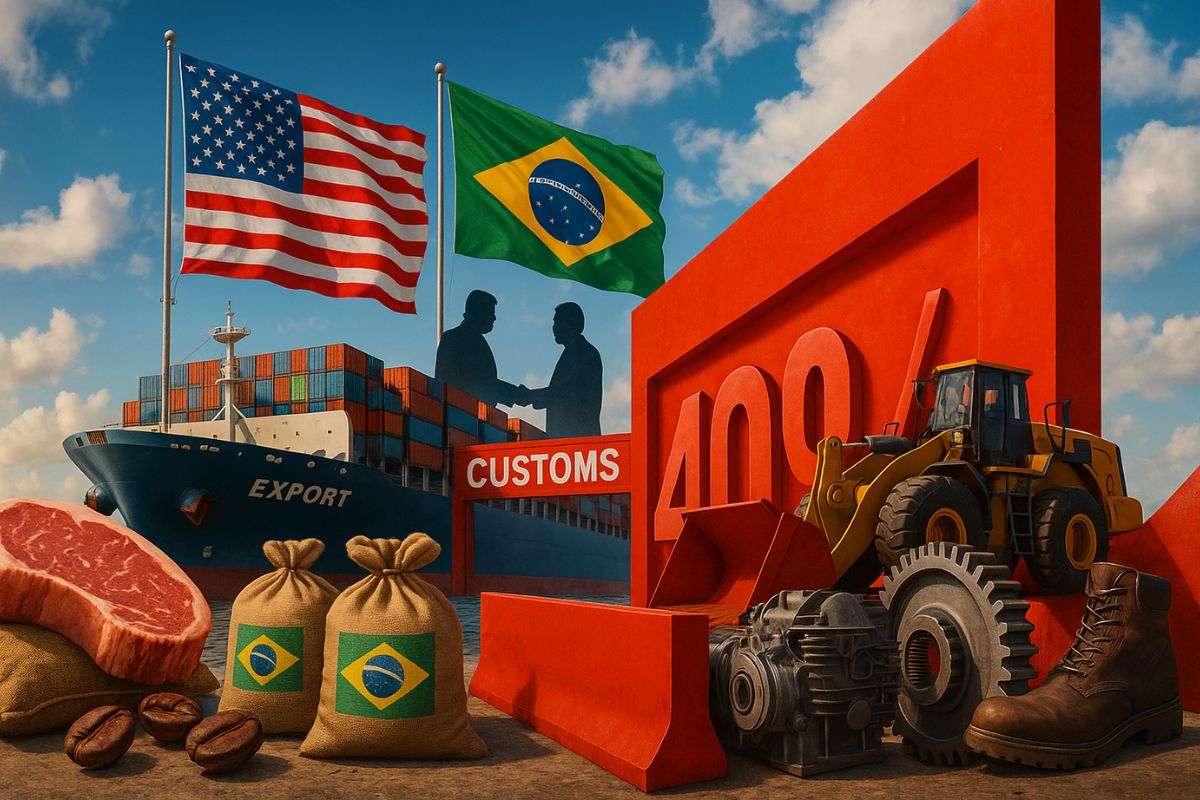
U.S. Tariff Declines on Beef and Coffee, But Still Suffocates Brazilian Industry with 40% Tax.
The 40% tariff from the United States has been partially suspended for products such as beef and coffee, but machines, engines, and Brazilian footwear are still in the crosshairs, keeping the industry on alert even after direct negotiations between Lula and Trump.
This rollback eases some pressure on agribusiness, especially exporters of beef and coffee, but the tariff still weighs on manufactured products, which continue to face the extra fee to enter the American market. In the meantime, the Brazilian government is trying to turn this partial advancement into a complete victory in the upcoming rounds of negotiations.
How the U.S. 40% Tariff Has Gradually Declined
The tariff initially affected around 200 goods with an additional 40% fee, a measure that applied to various countries.
-
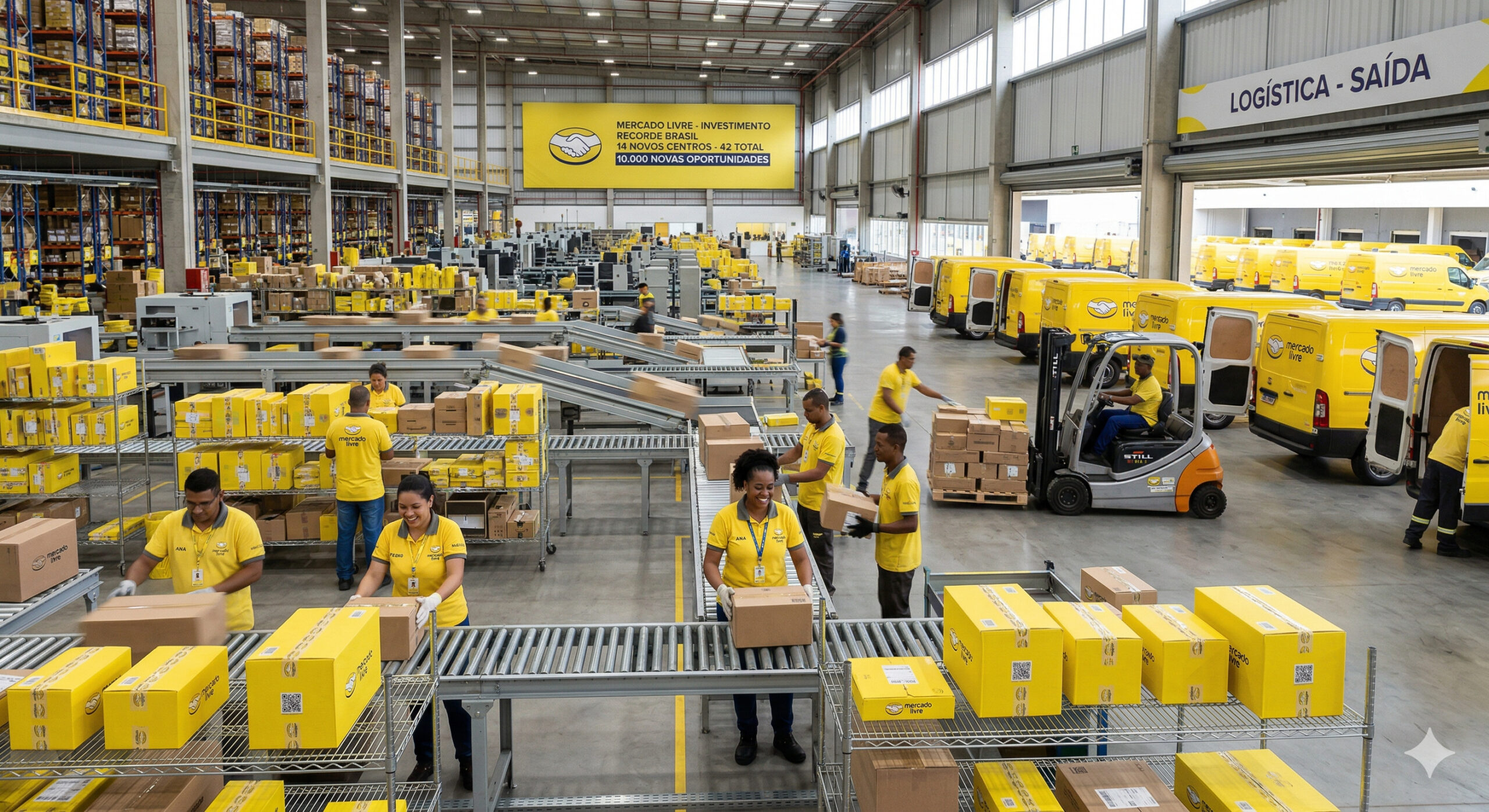
Mercado Livre “opens the vault” and announces a record investment of R$ 57 billion in Brazil in 2026, a value 50% higher than the previous year, with an expansion plan that includes 14 new logistics centers, totaling 42 units in the country and hiring an additional 10,000 employees.
-
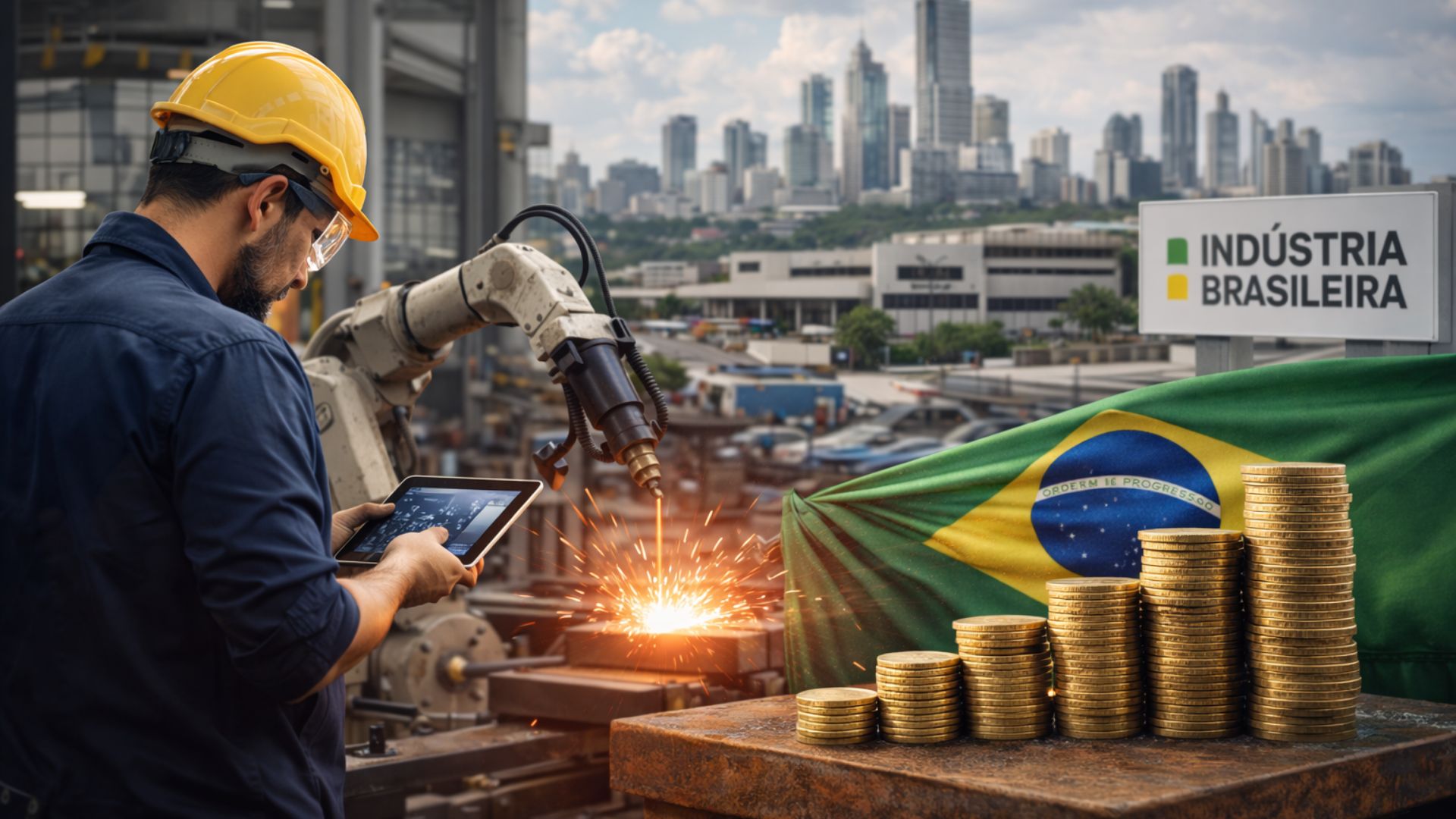
How investment in technology can revolutionize the national economy and enhance industrial gains, according to a study that highlights the direct impact on productivity, innovation, and wealth retention within Brazil.
-
The largest food company on the planet, JBS, has just opened a 4,000 square meter laboratory in Florianópolis to develop customized proteins that modulate muscle mass gain, immune response, and metabolic performance.

-
After nearly 30 bids and competition among industry giants, a Spanish company purchases one of the largest airports in Brazil for almost R$ 3 billion and takes over the management of Galeão in a concession that will last until 2039.


In the case of Brazil, the U.S. government rolled back on a significant portion of agribusiness, removing the tariff on beef, coffee, and other food items that are important to Brazilian exports.
The most recent decision, published by the White House, applies to products that arrived in the United States from November 13, the date that coincides with the meeting between Chancellor Mauro Vieira and U.S. Secretary of State Marco Rubio, where the topic was discussed.
Unlike the first executive order, this new decision is specific to Brazil, a direct result of conversations between the two governments.
What Came Out of the Tariff and Gained Normal Access to the U.S. Market
Although the tariff still exists for some products, there was a significant list of items that were freed from the extra 40% fee. Among the main products removed from the tariff are:
- Beef in all categories
- Green coffee, roasted coffee, and derivatives
- Fresh, frozen, and processed fruits, such as orange, pineapple, banana, mango, and acai
- Cocoa and derivatives
- Spices, such as pepper, ginger, cinnamon, and turmeric
- Roots and tubers, especially cassava in various forms
- Fruit juices and pulps
- Fertilizers, including urea, nitrates, potassium and phosphorous
For agribusiness, this list represents a direct relief for exporters who had lost competitiveness overnight due to the tariff.
Still, the feeling is one of partial victory, as a significant portion of the industry continues to pay more to sell to the United States.
Machines, Engines, and Footwear Remain Stuck in the Tariff
While beef and coffee catch a break, Brazilian manufactured products remain under fire from the tariff. The following items remain subject to the 40% fee:
- Machines
- Engines
- Footwear
- Instant coffee
- Seafood
- Honey
In practice, this means that the Brazilian industry continues to be at a disadvantage compared to international competitors, especially in segments that already face strong competition from Asian countries.
The tariff increases the final product cost for American buyers and reduces the margin for exporting companies, which can impact investments, jobs, and expansion plans.
The Role of Negotiations Between Lula and Trump in the Tariff Rollback
The partial rollback of the tariff did not happen by chance. It was directly mentioned in a document signed by Donald Trump, who referenced a phone conversation with President Luiz Inácio Lula da Silva on October 6, 2025.
It was from this political contact and subsequent discussions between Itamaraty and the State Department that the United States decided to remove the 40% tariff on some Brazilian products, especially in agribusiness.
The Brazilian government celebrated the decision, and Lula expressed satisfaction with the start of tax reductions but made it clear that the goal is to continue negotiating to eliminate the tariffs that still remain on manufactured products.
For Itamaraty, the fact that the measure is retroactive to November 13 reinforces the direct link with diplomatic negotiations. The message is clear: dialogue worked for part of the problem, but the dispute is not over yet.
How the Tariff Affected Beef and Coffee Before the Rollback
Before the partial removal of the tariff, the impact on beef and coffee was already evident. The United States is the main buyer of Brazilian coffee, accounting for about 16% of the product’s exports.
According to Cecafé, American imports fell by half between August and October, precisely because of the additional 40% tax.
In the case of beef, the U.S. was the second-largest destination for Brazilian products, absorbing about 12% of the exported volume before the tariff.
When the 40% tariff came into effect, competitiveness plummeted, opening the door for other suppliers and tightening the margins of national slaughterhouses.
With the partial review, both coffee and beef exporters can compete under more balanced conditions, which has been celebrated by sector entities, seeing the decision as a way to recover contracts, stabilize prices, and resume shipments.
Why the Industry Remains on Alert Even After the Tariff Rollback
Even with the advancement for agribusiness, the Brazilian industry remains on high alert for being still tied to the tariff in strategic areas.
Machines, engines, and footwear are examples of higher value-added products, where any tariff increase weighs directly on the importer’s purchasing decision.
Additionally, Brazilian companies in these segments compete with industries from countries that are often not subject to the same barriers or have more favorable trade agreements.
The result is a scenario in which the 40% tariff may divert orders to other suppliers and freeze new investments aimed at the American market.
In this context, the Brazilian government states that it will maintain focus on two fronts:
- Negotiate the complete removal of the remaining tariff
- Avoid escalation of tensions that may generate new non-tariff barriers in the future
What to Expect in the Next Rounds of Negotiation Regarding the Tariff
With the first stage completed and the tariff partially reversed, the expectation is that Brazil and the United States will continue adjusting the list of affected products.
The Brazilian government indicates that it intends to use the progress in agriculture as a basis to pressure for a solution for industrial goods as well.
In addition to the direct impact on exports and jobs, the outcome of the negotiations will be an important barometer of the commercial relationship between the two countries.
The more the tariff recedes, the greater the predictability for Brazilian companies planning for the long term.
Ultimately, the tariff has revealed not only the vulnerability of some sectors but also the importance of economic diplomacy in an increasingly competitive world.
And you, how do you assess this partial rollback of the U.S. tariff: was it a sufficient step, or should Brazil press harder to protect beef, coffee, and especially manufactured products from the national industry?





Seja o primeiro a reagir!