





 Portuguese
  English
  Spanish
  4 min of reading
  0 comments


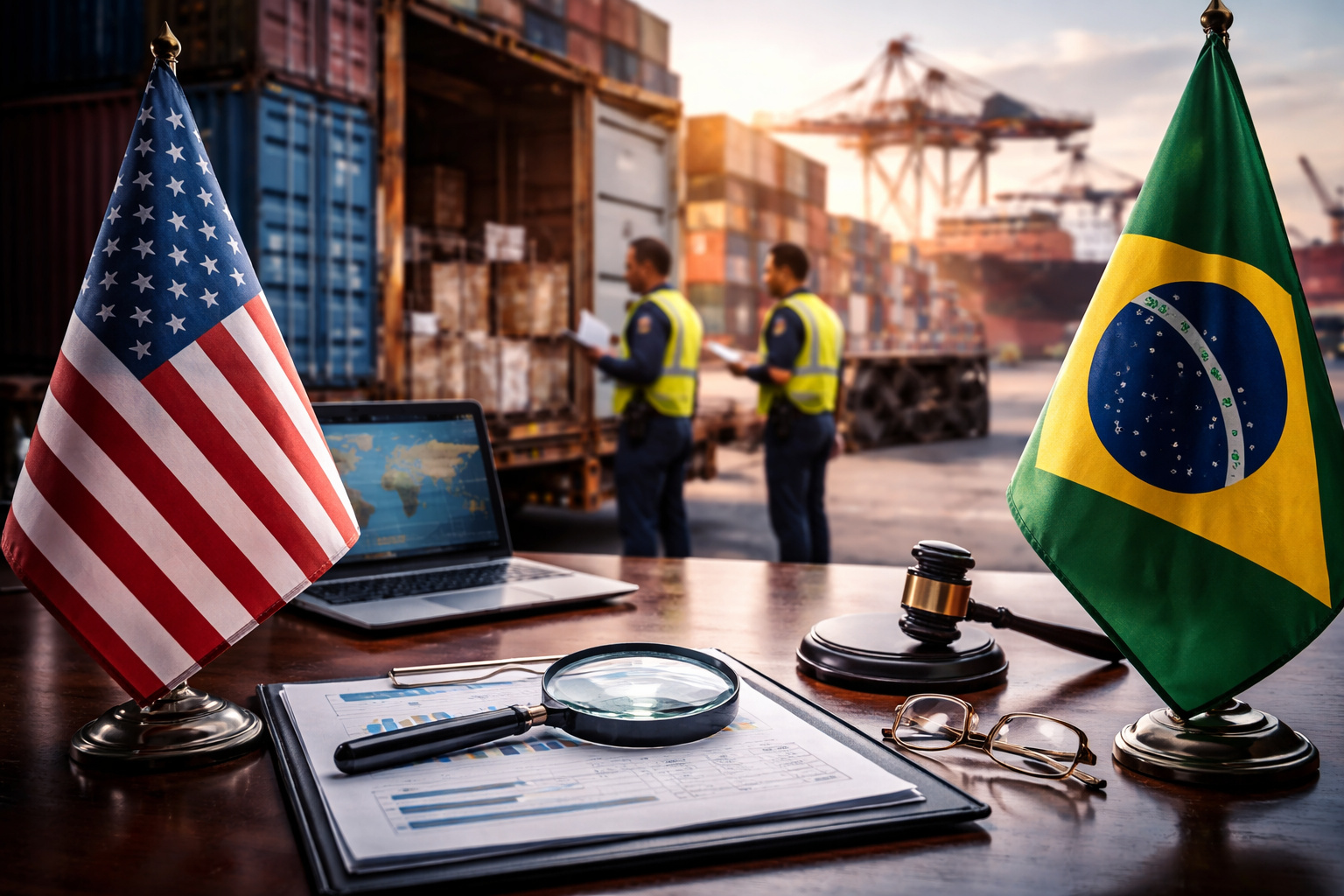
US Government-Led Investigation Aims to Quickly Assess International Trade Practices and Could Result in Measures Against Investigated Countries, Including Brazil
A new trade investigation opened by the United States has placed Brazil and other international markets under analysis by the US government.
The initiative was recently announced, and according to authorities in Washington, it seeks to assess whether certain countries allow the entry of products made with forced labor, a practice that could represent unfair competition for US companies.
Additionally, the process aims to examine possible distortions in international trade that could directly affect the competitiveness of the American industry.
-
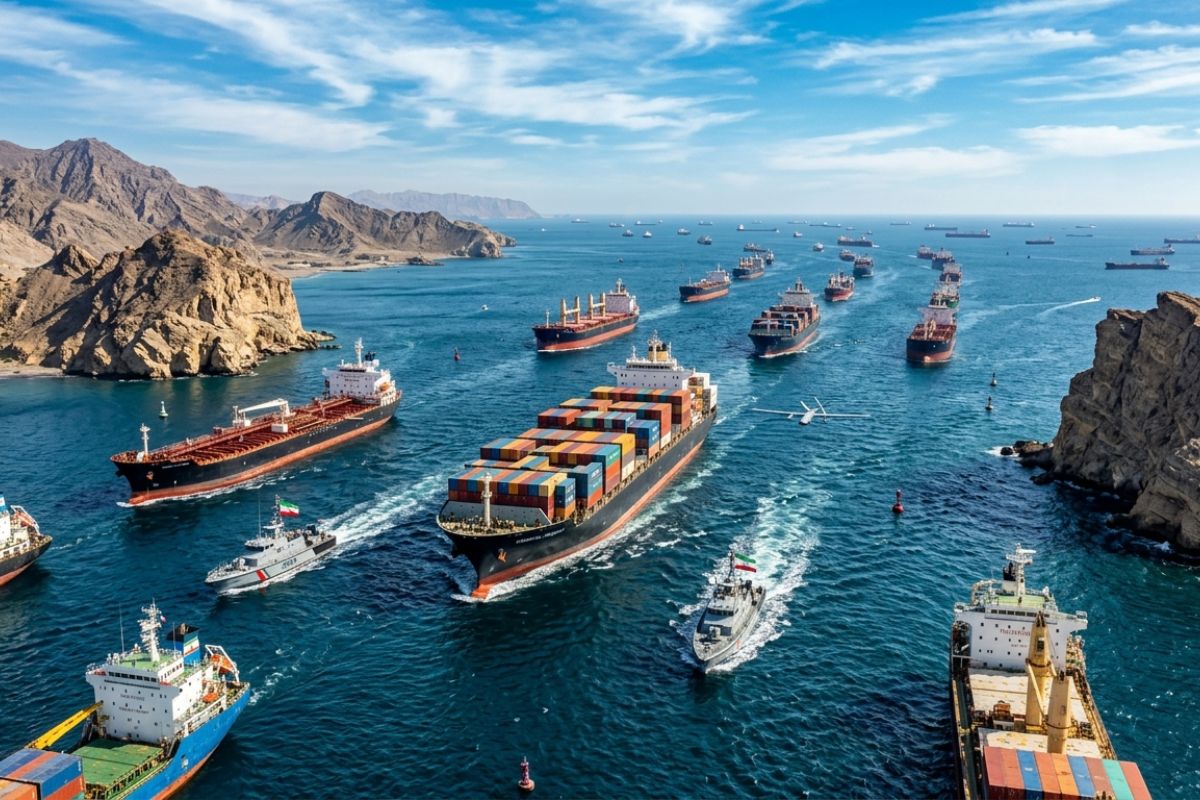
Iran authorizes the passage of ships with essential goods in the Strait of Hormuz, requires coordination and protocols; UN postpones resolution to reopen the oil route, while China, France, and Russia reject the use of force.
-
The Ukraine war exposes the strength of the M113 armored vehicle amid modern warfare with military drones.

-
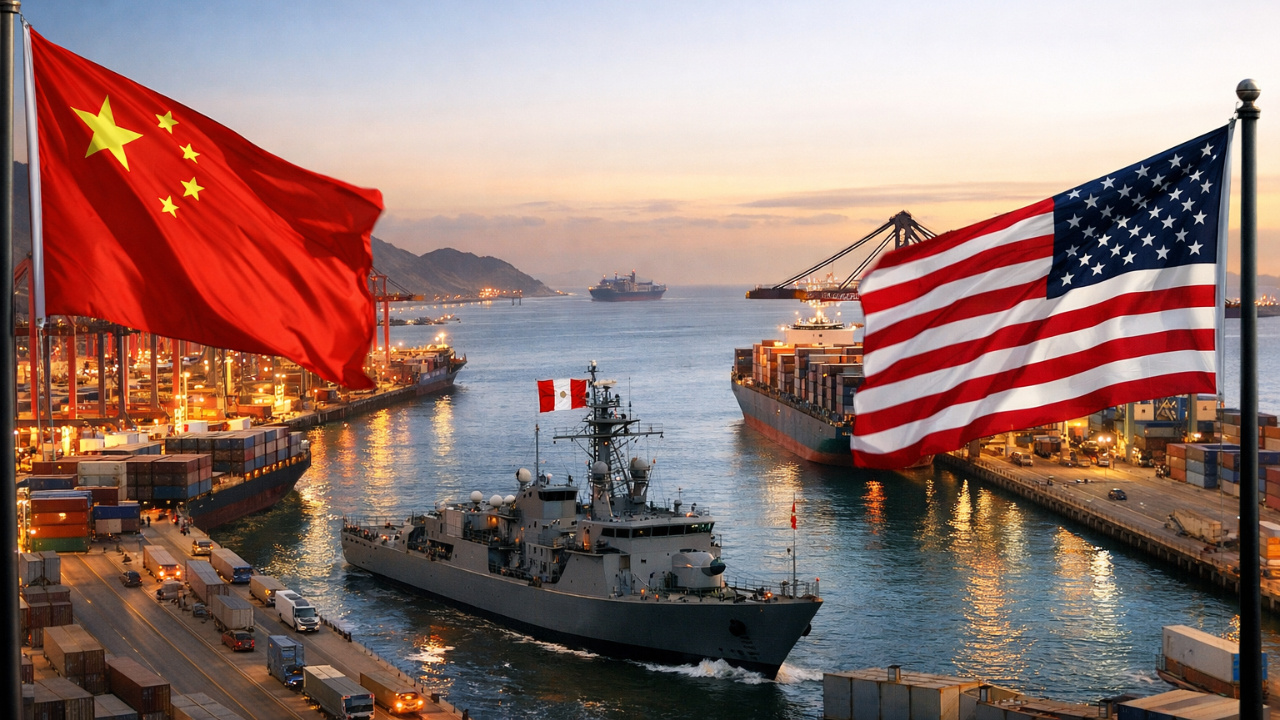
Maritime geopolitics: China and the USA compete for strategic ports in Peru.
-
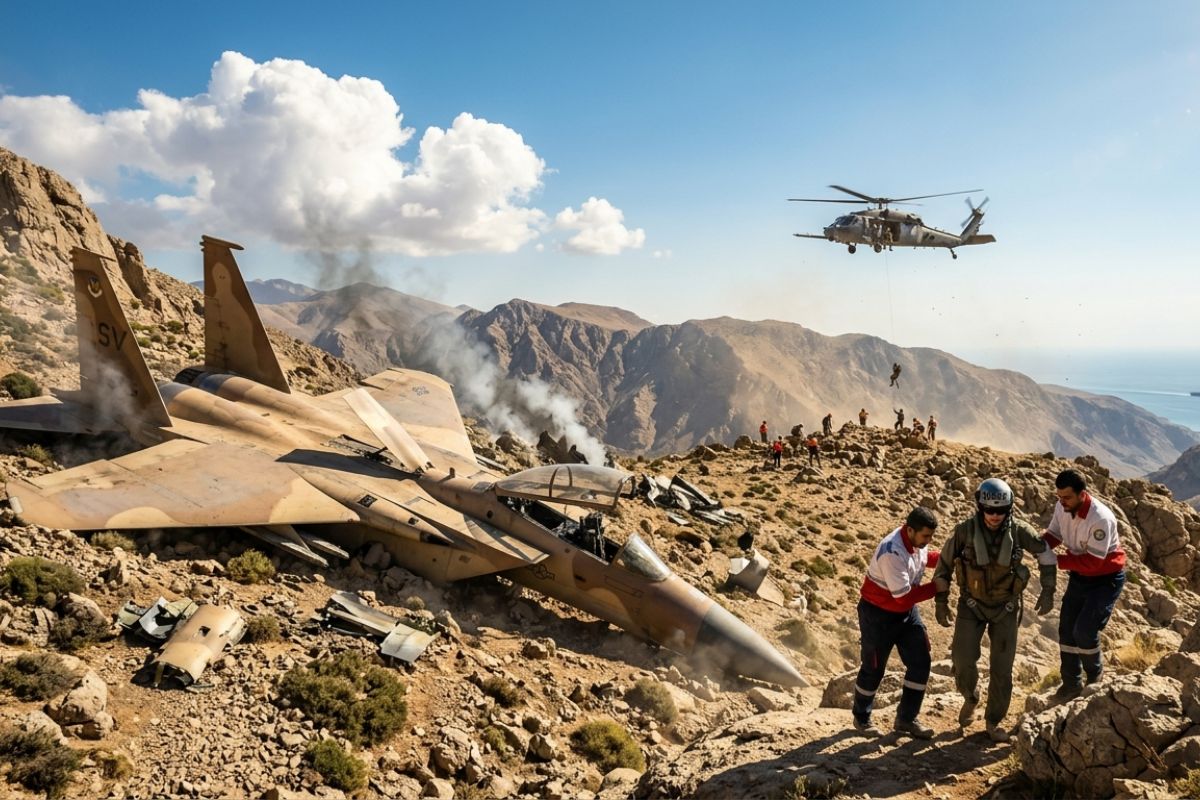
Iran shoots down two US aircraft: F-15 fighter crashes in mountainous area, one crew member is rescued and another is still missing; second crash in the Persian Gulf exposes still active air defense, says US intelligence.

The investigation is being led by the Office of the United States Trade Representative, known as USTR, headed by Jamieson Greer.
During an interview with CNBC, Greer stated that the government’s intention is to move quickly in the analysis and conclude the investigation within a few months.
US Trade Investigation Advances Quickly
The new investigation was initiated based on Section 301 of the Trade Act of 1974, a legal instrument used by the United States to assess trade practices of international partners.
This mechanism allows the US government to examine foreign trade policies that may harm companies and productive sectors of the country.
According to Jamieson Greer, if unfair practices are identified, the government may calculate the impact of these actions on American trade.
Subsequently, trade measures may be adopted to try to correct any imbalances identified in the investigation.
According to the trade representative, the goal is to conduct the entire process swiftly and efficiently, avoiding prolonged analyses.
Greer stated that the government intends to advance quickly in the investigations and, therefore, expects to conclude the evaluations within a matter of months.
Evaluation Involves Suspicion of Unfair Competition
The central focus of the investigation is to identify whether products made with forced labor are being sold in international markets.
According to the assessment by the US government, this type of practice could generate uneven competition for companies based in the United States.
Thus, the analysis conducted by the USTR aims to verify whether these products enter certain markets without adequate restrictions.
If the presence of these goods is confirmed, the investigation could pave the way for trade responses from the US government.
Meanwhile, the countries involved in the investigation are closely monitoring the process due to the potential impact on trade relations.
Trade Relationship with China Also Enters the Debate
During the same interview with CNBC, Jamieson Greer also commented on the trade relationship between the United States and China.
According to him, the US government considers it essential to preserve stability in global supply chains.
This point is deemed strategic because various industrial sectors depend on imported inputs.
Among these inputs are the so-called rare earths, critical minerals for industrial technologies and various global production chains.
Greer stated that Washington seeks to ensure continued access to these essential materials for the American industrial base.
According to him, the priority is to maintain continuous stability in the trade relationship with China.
Refund of Tariffs and International Scenario Enter the Agenda
Another topic addressed by the trade representative was the refund of tariffs previously imposed by the United States.
These tariffs are part of measures adopted during the administration of former President Donald Trump and have been legally challenged.
According to Greer, interest payments are part of the process of refunding these tariffs following recent court decisions.
Despite this, the trade representative did not provide additional details on how these refunds will be executed.
Furthermore, Greer briefly commented on the geopolitical scenario involving Iran.
According to him, the expectation of the US government is that any economic impact related to the conflict will be short-lived.
Given this international scenario and the opening of trade investigations involving dozens of markets, what will be the real impact of these inquiries on trade relations between the United States, Brazil, and other global partners?









Seja o primeiro a reagir!