





 Portuguese
  English
  Spanish
  4 min of reading
  0 comments


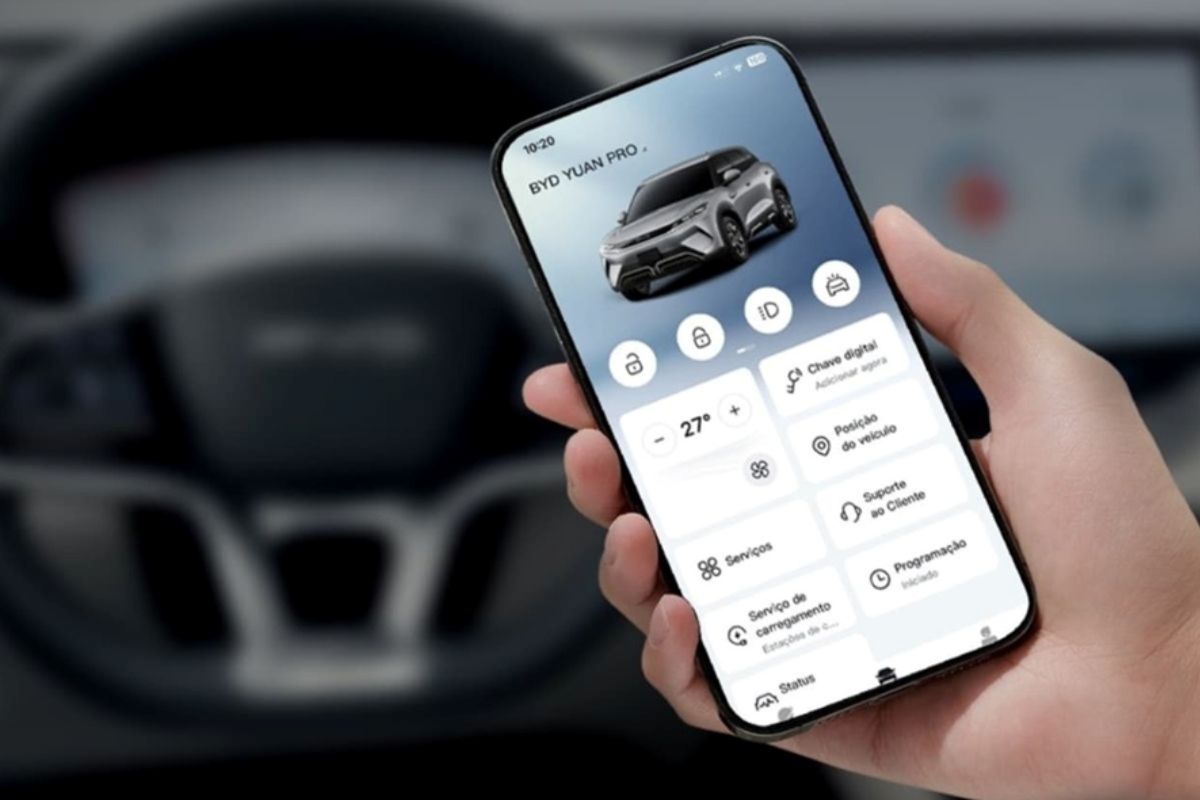
Company Became Known In Recent Years For Selling Electric Cars At Low Prices Compared To Other Competitors In The Brazilian Market
BYD, one of the largest manufacturers of electrified vehicles in the world, decided to take a strategic step to reposition its image in the automotive market. After becoming almost ubiquitous among ride-hailing drivers and taxi drivers both in Brazil and China, the Chinese automaker is now seeking to distance itself from the direct association with ride-sharing transport.
To that end, it announced the creation of a new brand called Link Auto, which will be dedicated exclusively to selling vehicles for professional use, such as Uber, Didi, and taxis.
In practice, BYD’s popularity among ride-hailing drivers did not arise by chance. Models from the brand quickly gained traction by meeting decisive factors for those who work with a car daily: competitive price, good comfort level, efficient consumption, and, mainly, mechanical durability. In Brazil, vehicles such as Dolphin, Dolphin Mini, and King have begun to be seen frequently on the streets, while in China, the brand’s presence has solidified among Didi drivers, the main local competitor to Uber.
-
Less than a Tera TSI, up to 710 km of range and charging in 9 minutes: the new BYD Song Ultra expands the Chinese brand’s bet on increasingly faster, more technological, and competitively priced electric SUVs.

-
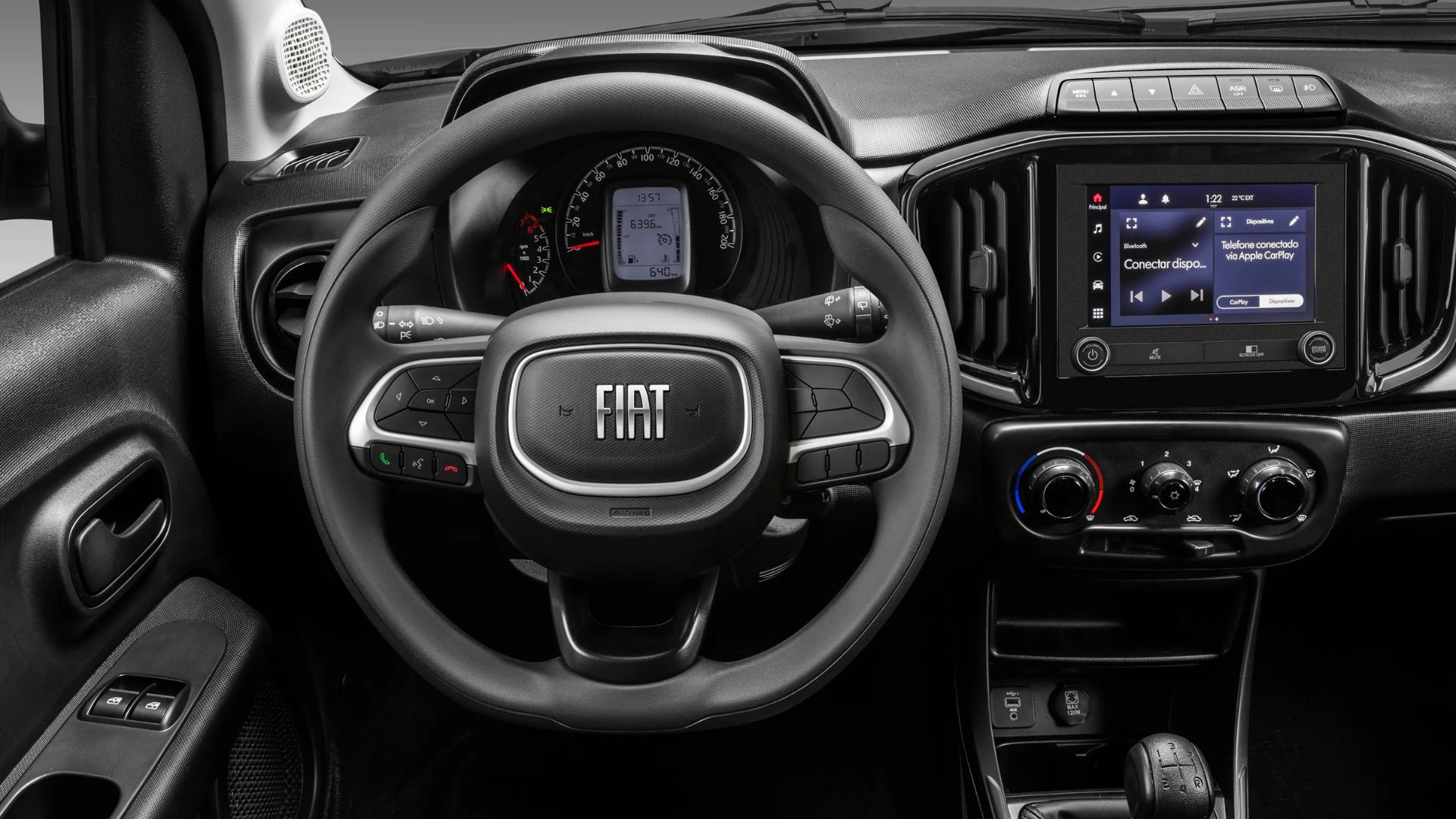
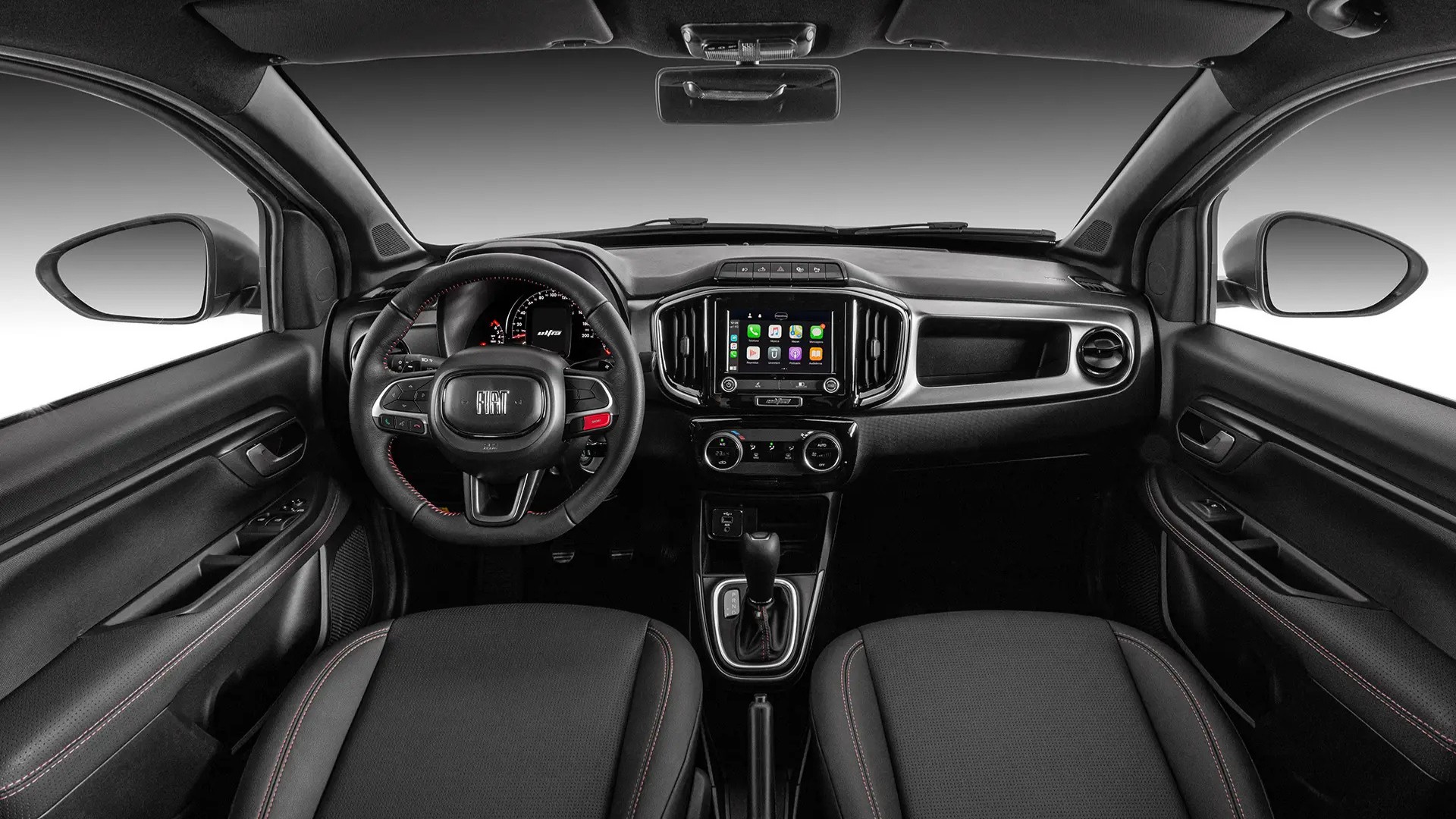
With a 1.0 engine producing 75 hp and costing less than R$ 70,000, Fiat’s car returns to the podium as the cheapest in the country; a temporary promotion for the 2026 Like version reduces the price of the Fiat Mobi.
-
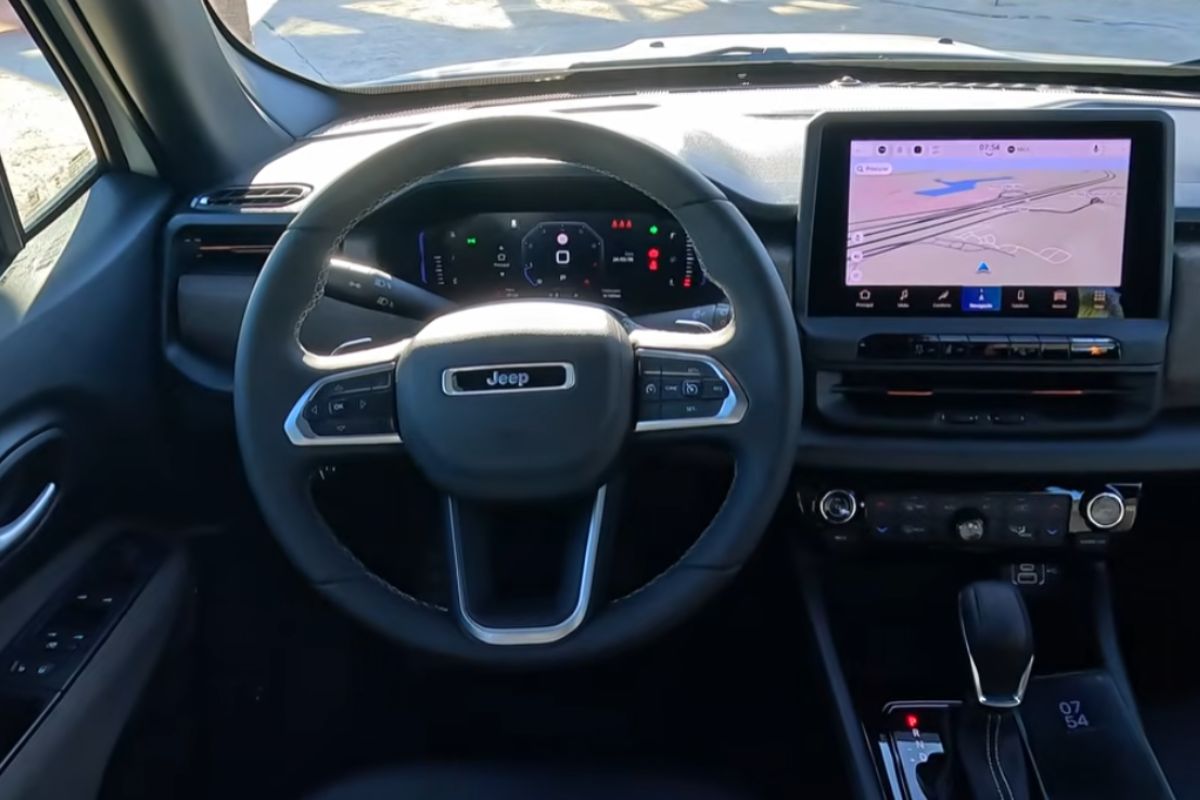
With a mild hybrid system of 48 V, 176 hp and a price of R$ 175,990 in the Sahara version, the new Jeep Renegade changes mostly on the inside, improves slightly in fuel consumption, and remains almost the same car.
-
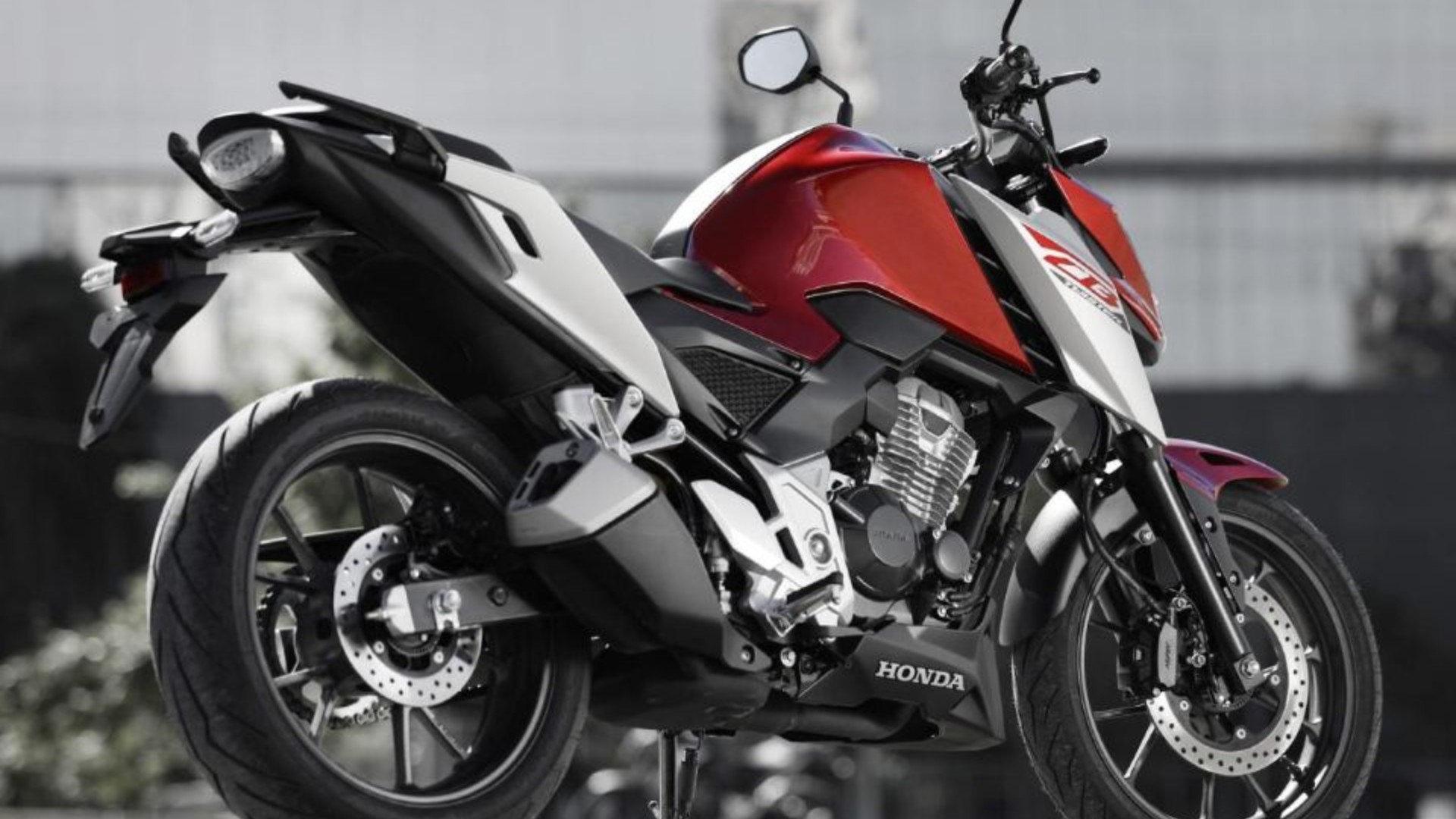
With a 293.5 cm³ engine and a range of up to 400 km with a 14.1-liter tank, the Honda CB 300F Twister 2026 has up to 24.7 hp, an initial price of R$ 25,150, and already exceeds R$ 29,000 in the Fipe Table.

BYD Sees Excessive Association With Apps As Detrimental

Despite commercial success, BYD assesses that this excessive association may limit the brand’s positioning in the retail market, especially among consumers seeking status, design, and differentiation.
Thus, the creation of Link Auto arises precisely to separate the audiences. While BYD will focus more clearly on the end customer, the new brand will cater exclusively to transportation professionals, with products designed for long work shifts and high cost-effectiveness.
Initially, Link Auto will be launched in China, and there is still no confirmation if the strategy will be expanded to other markets. The proposal, however, does not involve the development of entirely new vehicles. On the contrary, Link models will essentially be rebranded BYD cars, with specific changes in visual identity and name.
For example, the BYD Qin sedan will give rise to the Link e5. The models Xia, Seal 06, and Han will be renamed Link M9, e7, and e9, respectively.
Visually, the cars of the new brand will maintain the design of the previous generations of the original models. The Link e9, even though it is an electric vehicle, brings a front inspired by the older hybrid version of the BYD Han. The same goes for the Link e5, which uses the design of the previous Qin, recently replaced by a generation with a more modern look. This choice indicates a clear strategy for cost reduction and leveraging already established projects, something common in vehicles aimed at professional use.
While the external changes are subtle, the promise for the interior is technological updates. Link Auto is expected to offer modern driving assist systems, as well as improvements in connectivity and energy efficiency.
Now, the idea is to deliver robust vehicles, prepared to operate many hours a day, with low maintenance costs and a good experience for drivers and passengers.
Therefore, BYD’s movement also reflects a broader trend in the Chinese automotive industry, which has been investing in the creation of sub-brands to cater to specific market niches. By separating the image of work vehicles from the main line, the automaker aims to prevent its consumer-focused models from being seen merely as “ride-hailing cars,” a perception that could directly impact brand value and attractiveness to new audiences.
Link Auto Still In Waiting Mode For Brazil
In Brazil, there is still no confirmation regarding the arrival of Link Auto. Despite BYD’s strong presence among Uber drivers, the company remains focused on expanding its national operation and consolidating itself as one of the largest manufacturers in the country. In this context, the creation of a parallel brand dedicated to ride-hailing transport may take a back seat in the short term.
Even so, the strategy adopted in China draws attention and may serve as an indication of BYD’s next steps in markets where its popularity is rapidly growing. While it strengthens its position among professional drivers, the automaker seeks to elevate its image with the end consumer, balancing sales volume and brand prestige in an increasingly competitive sector.








-

Uma pessoa reagiu a isso.