





 Portuguese
  English
  Spanish
  6 min of reading
  0 comments



Popular Chevrolet Model Remains Sought After Among Drivers Seeking Economy, Simple Maintenance and Affordable Prices in the Used Market, Especially as a First Purchase.
Produced in Brazil between 2000 and 2015, the Chevrolet Celta established itself as one of the most popular entry-level hatchbacks in the country, thanks to its combination of low price, simple mechanics, and affordable maintenance.
Today, already discontinued, it frequently appears in used car listings and remains a recurring option for those seeking their first car, with versions starting from around R$ 13.9 thousand, according to recent offers on Mercado Livre consulted in November 2025.
Developed on the base of the first-generation Corsa, the Celta was manufactured in Gravataí (RS) and aimed to be an accessible car, with a simplified but robust design.
-
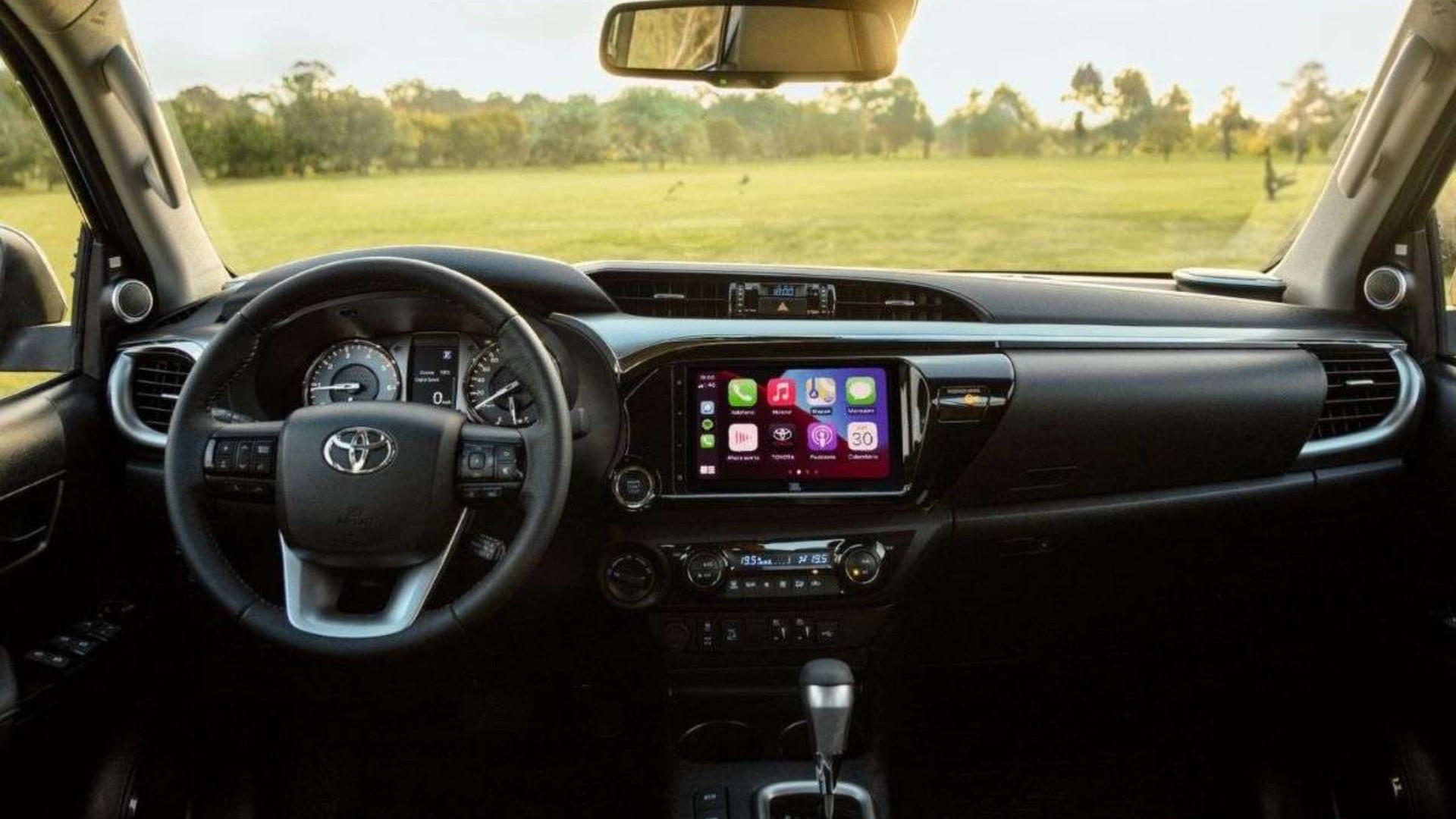
The Toyota Hilux is R$ 75.5 thousand cheaper and bets on the 2.8 turbodiesel engine with up to 204 hp and 50.9 kgfm to catch up with the VW Saveiro, which leads with 4,472 sales.
-
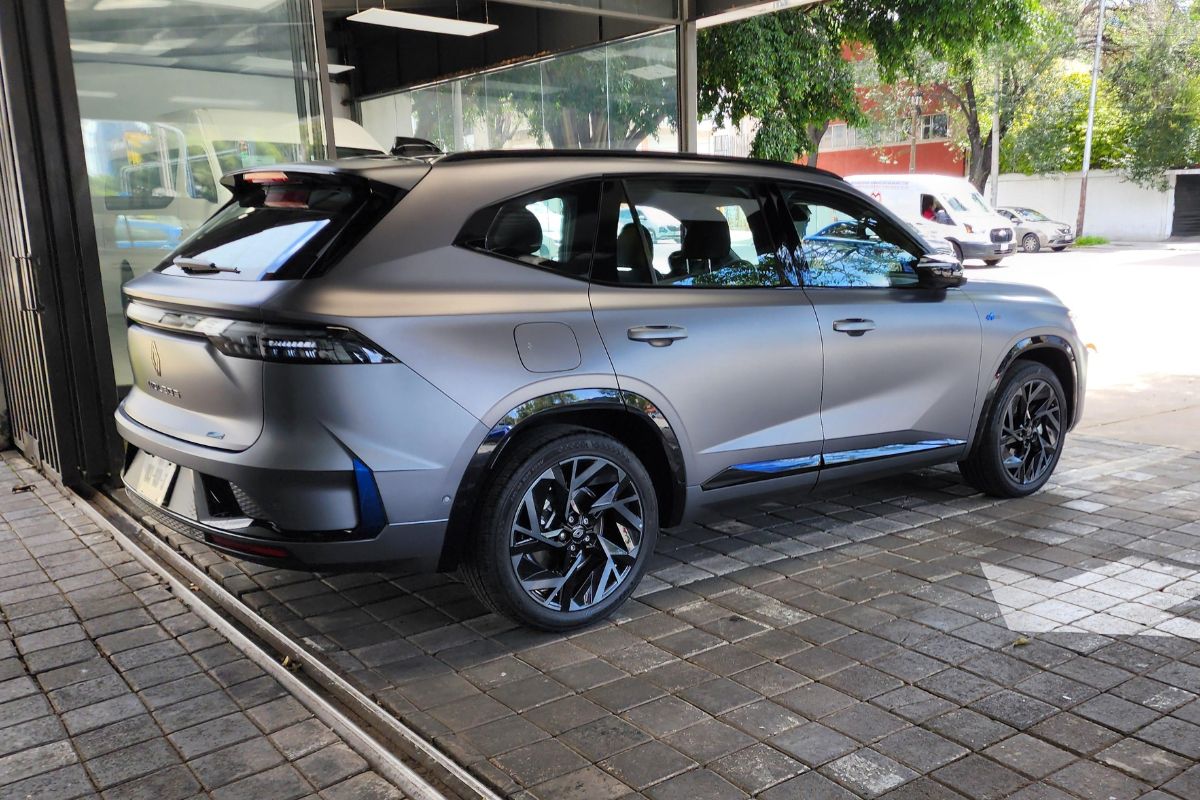
The new Renault Koleos has a screen exclusively for the passenger that is invisible to the driver, heated rear seats, and 29 assistance systems, but its Chinese competitors cost R$ 40,000 less and deliver more power.
-
The car stored for 38 years: when opening the barn door, what appears is breathtaking and looks like a scene from a movie!

-
Fiat works miracles in the Brazilian market, lowers the price of its 0 km hatch to R$ 69,990, reestablishes the model as the cheapest car in the country, and reignites the battle against Kwid and C3.

The hatch body, available in two or four doors, combined with its compact size, positioned it to compete with models like Fiat Uno, Volkswagen Gol, and Ford Ka in the entry-level segment.
In terms of dimensions, the model measures about 3.79 meters in length, 1.62 meters in width, and has 260 liters in the trunk, a capacity sufficient for daily use and small trips, as long as luggage is organized.
The five-seater versions comfortably accommodate four adults, making better use of space for those traveling in the front seats.
The mechanics have always revolved around the 1.0 four-cylinder engine, which started with 60 hp, increased to 70 hp in the VHC configuration and, starting in 2009, reached the VHCE phase, with up to 78 hp and 9.7 kgfm of torque with ethanol.
In all cases, the transmission was a five-speed manual, with short ratios aimed at urban use.
Between 2003 and 2005, the range also gained the 1.4 engine with 85 hp, an interesting option for those looking for more power without sacrificing fuel efficiency.
Throughout its life, the Celta underwent two major visual updates: the first in 2006, with a front inspired by the third-generation Vectra, and the second in 2012, when the interior was redesigned and got closer to the Prisma sedan, with an updated dashboard and a more modern look.
Production ended in 2015 after about 15 years in the market.
In current listings, especially on platforms like Mercado Livre, the hatch appears in different configurations of trim and engines.
Below, we highlight five versions that became representative of the lineup and now position themselves as low-cost alternatives for those looking to take the first step into the world of used cars.
Chevrolet Celta Life: Entry-Level Accessible Version
The Celta Life was the entry-level version of the lineup, designed for those who only needed the basics to get around the city.
It features a 1.0 VHC or VHCE Flex engine, with power ranging from 70 hp in older units to around 78 hp, always with a five-speed manual transmission.
Typically, power steering, air conditioning, and power windows were offered as options rather than standard equipment.
Despite its simple proposition, the set is appreciated for its low weight – around 850 to 860 kg – and agility in urban traffic.

With gasoline, official data for the 1.0 VHCE engine indicate fuel consumption around 13.8 km/l in the city and 16.9 km/l on the highway, numbers that explain the model’s good reputation among drivers who travel a lot every day.
In recent Mercado Livre listings, there are examples of the Life starting at R$ 13.9 thousand, generally from the mid-2000s to the early 2010s.
The interior space comfortably accommodates four occupants, and the 260-liter trunk performs well for urban use.
Among mechanics and owners, the Life is often remembered for its mechanical durability, availability of parts, and simple maintenance.
Chevrolet Celta Super: More Complete Package
The Celta Super was created for those who wanted a bit more comfort without leaving the basic compact realm.
Produced mainly between 2002 and 2005, it featured a more complete look, with body-colored bumpers, factory radio, and frequently power steering, as well as electric windows and locks.
Under the hood, the Super could come with the 1.0 engine producing 60 to 70 hp, plus the 1.4 with 85 hp, which arrived in 2003.

In the units with the larger engine, performance stood out, with quicker accelerations and safer recoveries on highways.
In tests from that time, the 1.4 achieved fuel consumption averages of around 11.7 km/l in the city and 15.9 km/l on the highway with gasoline.
In online classifieds, Super offers start around R$ 17.9 thousand, with a higher concentration of cars between 2002 and 2004.
The interior finish is simple but well-built, and the availability of two or four-door body styles makes it easier to find versions already equipped with power steering.
Chevrolet Celta Spirit: Intermediate Option
The Celta Spirit occupied an intermediate position between the basic Life and the more complete Super.
Launched in 2003, it remained in the lineup until the early 2010s, undergoing the 2006 facelift.
At different times, it combined the 1.0 VHC or VHCE Flex engine with the 1.4 engine with 85 hp, always with a manual transmission.
Among its most common items were power steering, sound system with CD player, rear defroster, and sporty wheel covers.

Fuel consumption followed the average of the lineup: in the most recent 1.0 flex models, official data indicate 13.8 km/l in the city and 16.9 km/l on the highway with gasoline.
The Spirit appears on Mercado Livre starting at R$ 18.9 thousand, with a higher appreciation for post-2006 examples, which already feature a redesigned dashboard and updated trim.
Chevrolet Celta LS: Renovated Interior
With the 2012 lineup, the Celta LS inaugurated the renovated interior, inspired by the Prisma sedan, with updated controls and more modern finishing.
The engine became the 1.0 VHC-E Flex, with up to 78 hp and 9.7 kgfm, paired with the five-speed manual transmission.
According to technical sheet data, the set registers around 9.5 km/l in the city and 12.2 km/l on the highway with ethanol, and even higher averages with gasoline.

The LS appears starting at R$ 21.9 thousand in listings, especially for units from 2012 and 2013.
It is worth noting that front airbags and ABS only became mandatory in Brazil starting in 2014, which requires attention to the model year of each example.
Chevrolet Celta LT: Top of the Line During the Final Phase
At the top of the range, the Celta LT was the most complete version produced between 2012 and 2015.
It features the same 1.0 VHC-E Flex engine, with up to 78 hp, and a five-speed manual transmission.
Fuel consumption averages follow the official standard of the VHCE set, reaching around 9.5 km/l in the city and 12.2 km/l on the highway with ethanol.

The LT stands out for its more complete package, with air conditioning, power steering, electric windows and locks, sound system with USB, front airbags and ABS, in addition to a two-tone interior finish.
In listings, the LT appears starting at R$ 23.9 thousand, primarily between 2013 and 2015.
For those looking for the most equipped Celta with an updated safety package, this is usually the most desired choice in the used market.
Considering price, fuel consumption, standard features, and maintenance costs, which version of the Celta comes closest to the car you are looking for as your first vehicle?









-

-

3 pessoas reagiram a isso.