





 Portuguese
  English
  Spanish
  3 min of reading
  3 comments


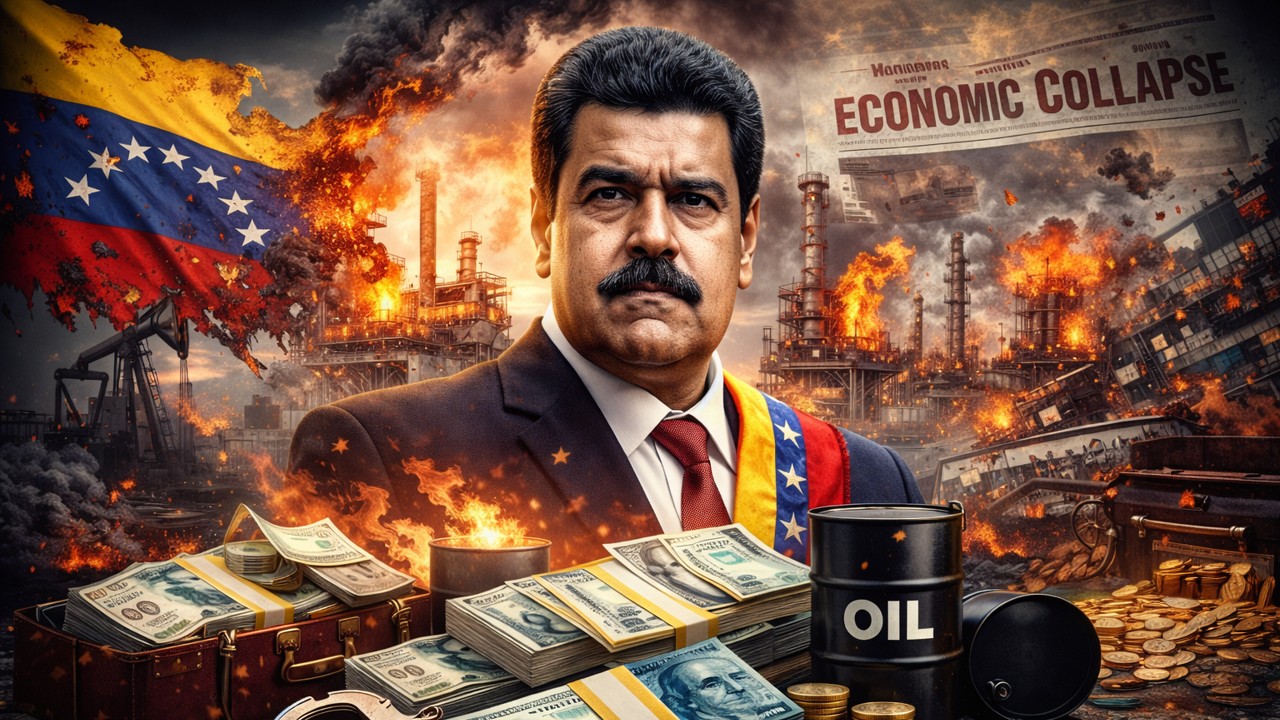


Venezuela Is A Laboratory Case Of How Macroeconomic Shock + Institutional Collapse + Disinvestment In Oil Can Bring Down A Country Even With Gigantic Natural Resources
In recent days, Venezuela has returned to the center of international news — and with that comes the question many people ask (especially those looking at energy): how could a country with the largest oil reserves on the planet sink to the point of becoming a symbol of exodus, hyperinflation, and a brutal drop in production?
The picture of the past decade mixes GDP decline, collapse of investments and operations in the oil chain, historic hyperinflation, and a humanitarian crisis that has pushed millions out of the country.
1) What Happened To GDP: From “Hundreds Of Billions” To Just Over US$ 100 Billion
The size of the Venezuelan economy shrank significantly over the last decade.
-
Airfare prices may rise with increasing fuel costs, and the government is considering urgent measures to avoid a direct impact on the wallets of Brazilians.
-
Chocolate prices soar nearly 15% and become a luxury item for Easter 2026, with increases surpassing inflation and changes in Brazilian consumption habits.

-
The Federal Revenue issues a good alert for Brazilian taxpayers: 60.9% are already using the pre-filled tax return, automatic refunds via Pix reach millions, and the government plans for a fully automated income tax in the coming years.

-
India announces a plan of $3.06 billion to bring aviation to forgotten regions: 100 new airports, $1.07 billion in subsidies, and regional routes guaranteed for 10 years, from 2026 to 2036, away from the centers.

In terms of GDP in current dollars, data from the World Bank shows a significant drop: the indicator was around US$ 370 billion in 2013 and is around ~US$ 116 billion in the most recent data displayed in the WDI series.
This is not just a spreadsheet number: when GDP falls and the currency loses credibility, the country tends to experience a series of domino effects:
- Wages shrink
- Consumption collapses
- Imports stall
- And infrastructure (including energy) begins to operate at the limit.
2) Oil: From Operational Powerhouse To “1 Million BPD” — And A Lost Decade
Venezuela has the largest proven oil reserves in the world (about 303 billion barrels, approximately 17% of the global total, according to Reuters) — but reserves do not equal production.
What has marked recent years is the operational dismantling of the sector: lack of investment, loss of technical capacity, bottlenecks for extra-heavy dilution, degradation of refineries, and external restrictions (including sanctions, frequently cited by analysts and the international media coverage itself).
In practical terms: Venezuelan production, which used to be much higher, recently remained “around 1.1 million barrels per day.” It is worth noting that the country was once a major producer but saw its sector deteriorate over the years.
In parallel, the crisis also became an energy and internal supply crisis: when upstream activities decline and the refining capacity does not keep up, the country begins to struggle with fuel, logistics, and supply — which further fuels inflation and paralyzes entire sectors of the economy.
3) Inflation And Exodus: When Money “Dies,” People Leave
Hyperinflation is the most brutal signature of the Venezuelan collapse.
- The IMF records an extreme inflation rate for 2018 (around 130,060%, according to the reading of the “end of period consumer prices” indicator in DataMapper).
- Still in 2018, projections placed inflation for that year at 1,000,000% (one million percent) with even more dramatic estimates for 2019 in crisis scenarios.
- And even after the recent “deceleration,” inflation remained very high: in 2023, the estimate was around 193% for Venezuela.
When Prices Rise Like This, The Basics Happen: Wages Don’t Keep Up, Savings Evaporate, Credit Disappears, And The Informal Economy (Often Dollarized) Becomes The Norm.

The social result appears in the largest thermometer possible: people leaving. International organizations point to a gigantic diaspora:
- The UNHCR speaks of nearly 7.9 million Venezuelan refugees and migrants worldwide (based on official data reported by governments).
- The IOM (International Organization for Migration) also points out that the number of Venezuelans living abroad has surged to nearly 7.9 million.
This exodus has a direct effect on trade, energy, and consumption: less labor, less formal demand, more pressure on services, and a country that becomes more dependent on remittances and the parallel economy.
Why This Matters (Especially For Energy And Trade)
Venezuela is a laboratory case of how macroeconomic shock + institutional collapse + disinvestment in oil can bring down a country even with gigantic natural resources. And for those who follow energy, the hardest point is this: reserves are a promise — production is installed capacity, investment, and management.







**** só beneficia os ditadores e esmaga o povo
Reflexo do embargo econômico imposto pelos EUAs.
E as sanções americanas na Venezuela? Não contam? Não foram importantes para impedir venda de petróleo e o livre comércio? Quem resistiria a tantas tentativas de câmbio de regime, para um obediente e submisso?