






 Portuguese
  Spanish


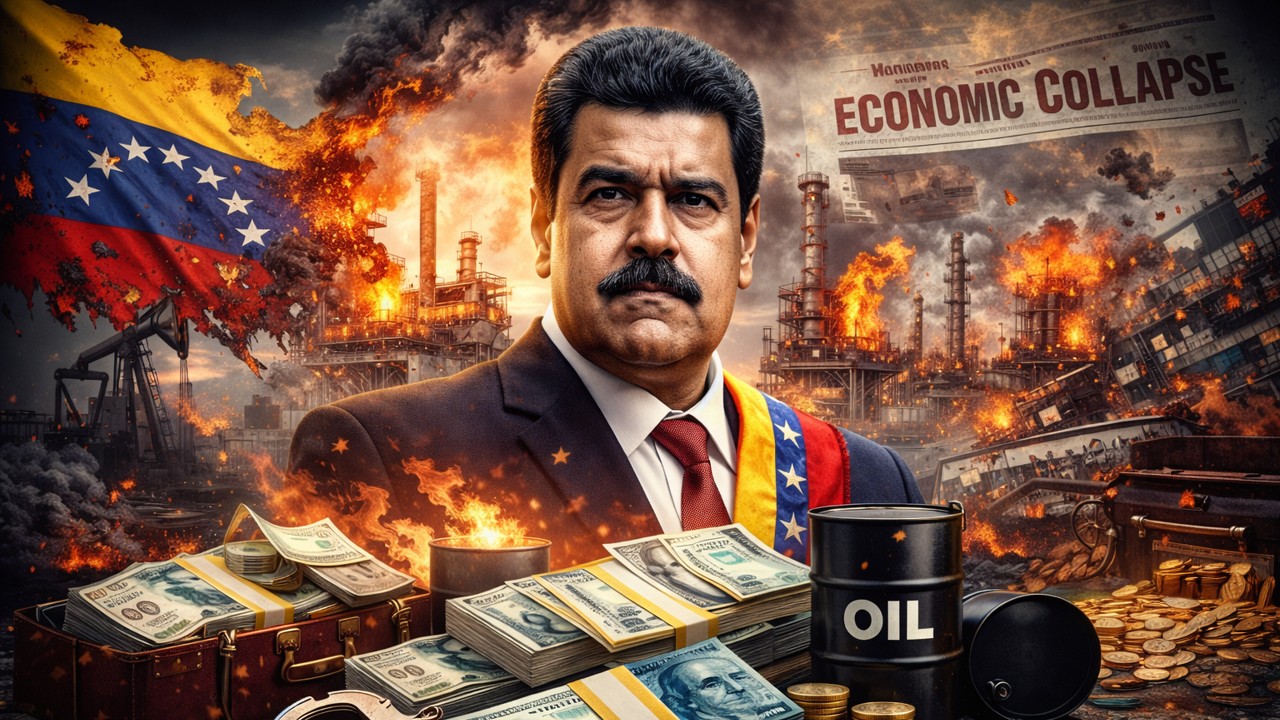


Venezuela Is A Laboratory Case Of How Macroeconomic Shock + Institutional Collapse + Disinvestment In Oil Can Bring Down A Country Even With Gigantic Natural Resources
In recent days, Venezuela has returned to the center of international news — and with that comes the question many people ask (especially those looking at energy): how could a country with the largest oil reserves on the planet sink to the point of becoming a symbol of exodus, hyperinflation, and a brutal drop in production?
The picture of the past decade mixes GDP decline, collapse of investments and operations in the oil chain, historic hyperinflation, and a humanitarian crisis that has pushed millions out of the country.
1) What Happened To GDP: From “Hundreds Of Billions” To Just Over US$ 100 Billion
The size of the Venezuelan economy shrank significantly over the last decade.
-
Hurry: Wikipedia pays up to R$ 2,500 for those who write about Minas Gerais, contest entries end on July 10, 2026, and even beginners can “earn,” with prizes starting at R$ 200.

-
A city with 8,000 inhabitants will receive R$ 25 billion to host the largest single-stage pulp mill in the world, with a production of 3.5 million tons per year and a cost of R$ 45 million.
-
He left India for Oman in 1976, entered through the door of luxury finishes, and took Sobha to the premium real estate market in the Middle East.

-
Starnav orders 10 hybrid vessels with German MTU engines in Itajaí and prepares fleet to serve Petrobras in the pre-salt for 12 years.


In terms of GDP in current dollars, data from the World Bank shows a significant drop: the indicator was around US$ 370 billion in 2013 and is around ~US$ 116 billion in the most recent data displayed in the WDI series.
This is not just a spreadsheet number: when GDP falls and the currency loses credibility, the country tends to experience a series of domino effects:
- Wages shrink
- Consumption collapses
- Imports stall
- And infrastructure (including energy) begins to operate at the limit.
2) Oil: From Operational Powerhouse To “1 Million BPD” — And A Lost Decade
Venezuela has the largest proven oil reserves in the world (about 303 billion barrels, approximately 17% of the global total, according to Reuters) — but reserves do not equal production.
What has marked recent years is the operational dismantling of the sector: lack of investment, loss of technical capacity, bottlenecks for extra-heavy dilution, degradation of refineries, and external restrictions (including sanctions, frequently cited by analysts and the international media coverage itself).
In practical terms: Venezuelan production, which used to be much higher, recently remained “around 1.1 million barrels per day.” It is worth noting that the country was once a major producer but saw its sector deteriorate over the years.
In parallel, the crisis also became an energy and internal supply crisis: when upstream activities decline and the refining capacity does not keep up, the country begins to struggle with fuel, logistics, and supply — which further fuels inflation and paralyzes entire sectors of the economy.
3) Inflation And Exodus: When Money “Dies,” People Leave
Hyperinflation is the most brutal signature of the Venezuelan collapse.
- The IMF records an extreme inflation rate for 2018 (around 130,060%, according to the reading of the “end of period consumer prices” indicator in DataMapper).
- Still in 2018, projections placed inflation for that year at 1,000,000% (one million percent) with even more dramatic estimates for 2019 in crisis scenarios.
- And even after the recent “deceleration,” inflation remained very high: in 2023, the estimate was around 193% for Venezuela.
When Prices Rise Like This, The Basics Happen: Wages Don’t Keep Up, Savings Evaporate, Credit Disappears, And The Informal Economy (Often Dollarized) Becomes The Norm.

The social result appears in the largest thermometer possible: people leaving. International organizations point to a gigantic diaspora:
- The UNHCR speaks of nearly 7.9 million Venezuelan refugees and migrants worldwide (based on official data reported by governments).
- The IOM (International Organization for Migration) also points out that the number of Venezuelans living abroad has surged to nearly 7.9 million.
This exodus has a direct effect on trade, energy, and consumption: less labor, less formal demand, more pressure on services, and a country that becomes more dependent on remittances and the parallel economy.
Why This Matters (Especially For Energy And Trade)
Venezuela is a laboratory case of how macroeconomic shock + institutional collapse + disinvestment in oil can bring down a country even with gigantic natural resources. And for those who follow energy, the hardest point is this: reserves are a promise — production is installed capacity, investment, and management.



**** só beneficia os ditadores e esmaga o povo
Reflexo do embargo econômico imposto pelos EUAs.
E as sanções americanas na Venezuela? Não contam? Não foram importantes para impedir venda de petróleo e o livre comércio? Quem resistiria a tantas tentativas de câmbio de regime, para um obediente e submisso?