





 Portuguese
  English
  Spanish
  4 min of reading
  0 comments


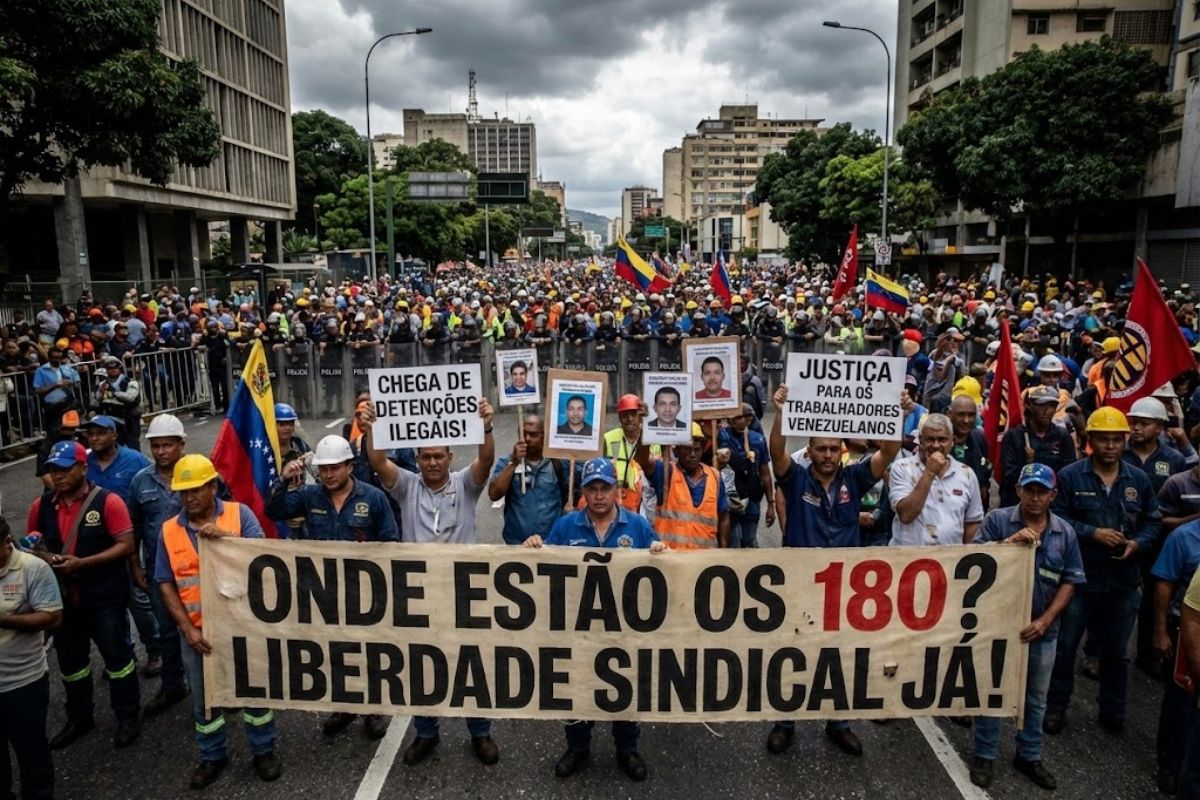
Venezuelan Unions Report Forced Disappearance of 160 Workers and 20 Union Leaders, with Illegal Detentions and Arbitrary Accusations. With 889 Political Prisoners According to the Criminal Forum and UN Alert in September, 33 Organizations Approach the ILO and Call for a Protest on January 15 for Freedom and Protection of Workers.
Representatives of 33 Venezuelan unions reported the forced disappearance of 160 workers and 20 union leaders, resulting from what are considered illegal detentions in recent years. Among the most serious cases, they point to that of the Secretary General of the Confederation of Workers of Venezuela (CTV), José Elías Torres, detained on November 29 at his home in Caracas by the Bolivarian National Police and kept since then without an officially known detention location, according to the unionists.
According to human rights defenders, the country is experiencing a continuous pattern of arbitrary detentions and increasing political persecution. The NGO Criminal Forum counts 889 political prisoners, while a UN expert mission warned in September about the increase in this persecution. In the midst of this situation, the unions have approached the International Labour Organization and called for a protest on January 15 to demand freedom, protection for workers, and respect for union activities.
Disappearance of Workers and Union Leaders Becomes National Issue
In a press conference, representatives of the 33 unions detailed how, in recent years, workers and union leaders have been taken by security forces without transparency.
-
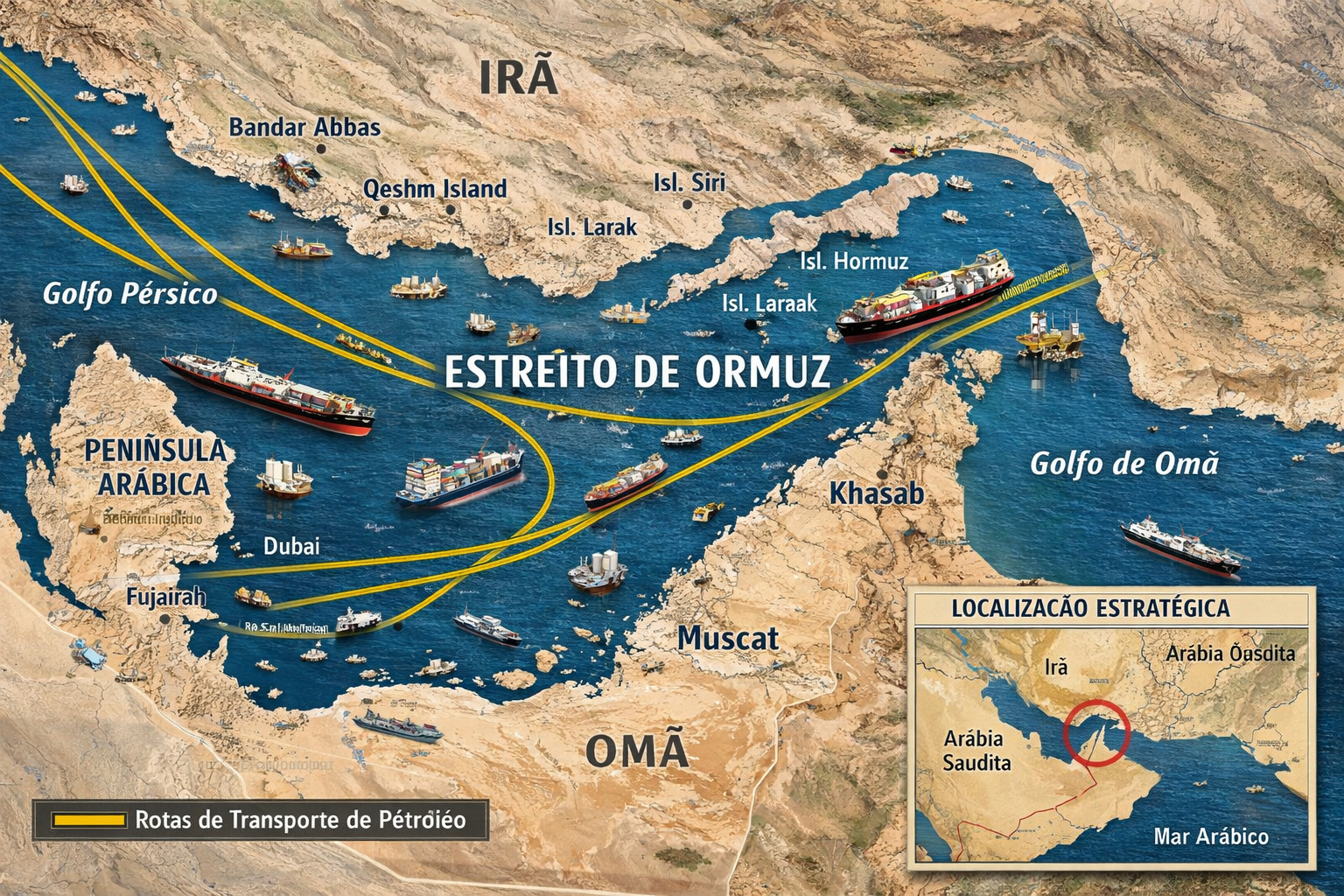
Global summit with over 40 countries pressures Iran for a blockade in the Strait of Hormuz and warns of direct impact on oil, food, and the global economy.
-
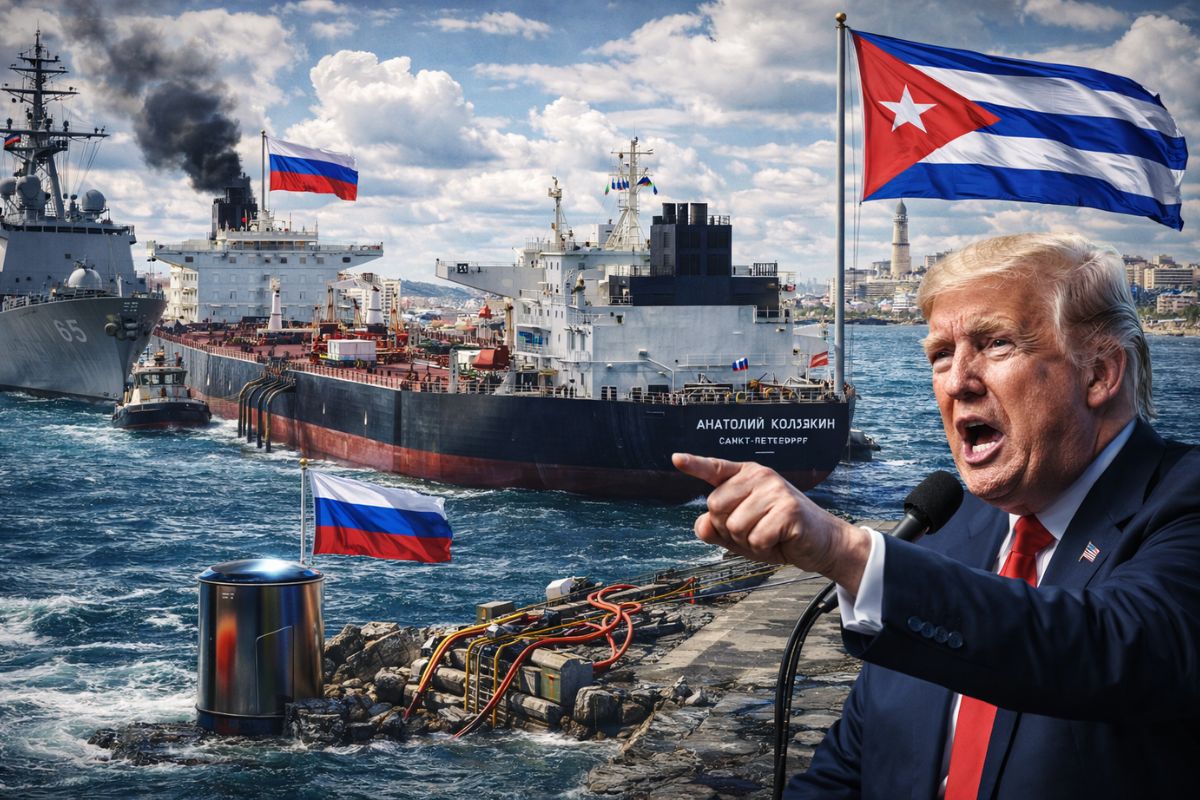
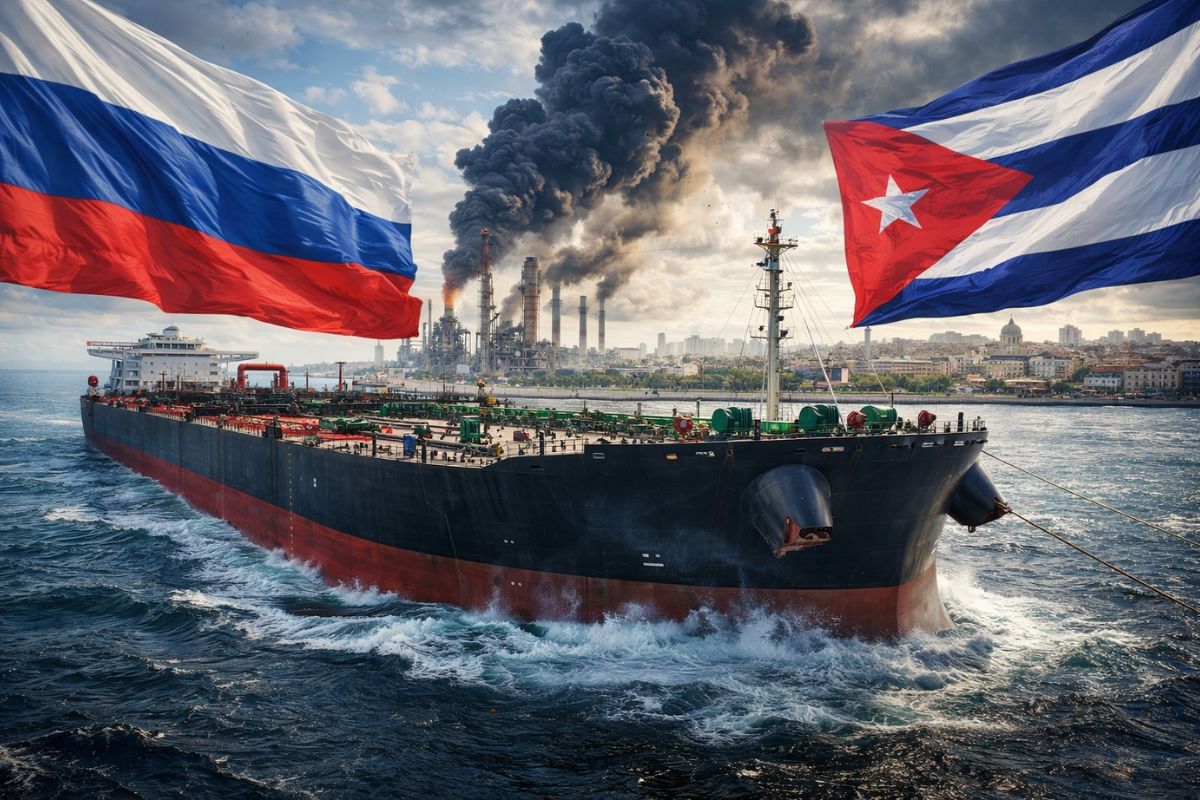
Russia has broken the U.S. maritime blockade to send oil to Cuba and is now loading a second ship while Trump says that “Cuba is next” in a possible military action against the island.
-
Spain challenges the USA and closes its airspace for operations against Iran, raising global tension and provoking the threat of a trade rupture.

-
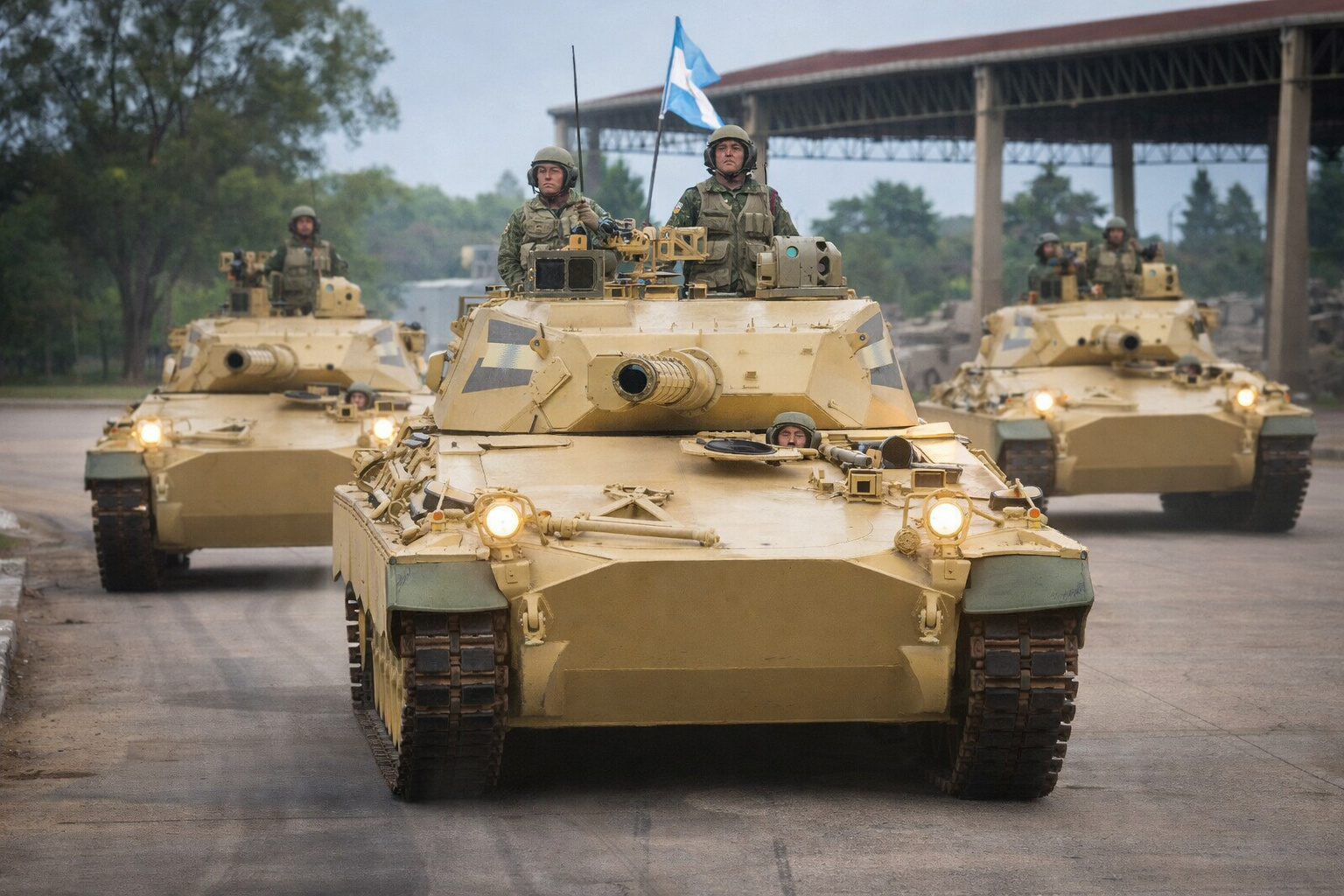
While no other country manufactures tanks in Latin America, Argentina activates the TAM 2C-A2 and raises a curiosity about the technological lag in the region.

According to them, at least 160 workers and 20 leaders have been detained in operations where families do not receive clear information about the legal situation or about the location of the detainees.
The unions claim that this practice constitutes “illegal detention” and “forced disappearance” of workers, as there is no immediate communication with advocates, lawyers, or human rights organizations.
According to the entities, the repetition of these cases shows a method to punish participation in strikes, protests, and mobilizations for wages and labor rights, affecting both leaders and grassroots workers.
Incarceration of José Elías Torres Exposes Offensive Against Workers Movement
The case of José Elías Torres, Secretary General of the country’s largest labor center, is seen as a symbol of this offensive.
Torres, leader of the Confederation of Workers of Venezuela, was detained on November 29 at his home in Caracas, and since then his whereabouts are officially unknown, report the unionists. For the organizations, keeping a high-level leader without public information about his custody location sends a direct message to the labor movement.
Leader Pedro Eusse states that “the incarceration of José Elías Torres is not an isolated event; it is part of an offensive that keeps union leaders and workers behind bars under legal processes”.
According to him, the strategy is to weaken the representation of workers through criminal accusations and processes considered arbitrary, creating an atmosphere of fear that discourages strikes, assemblies, and collective claims throughout the country.
Data from Criminal Forum and UN Alert Reinforces Report of Political Prisoners
The unions’ reports add to numbers presented by human rights organizations. The NGO Criminal Forum counts 889 political prisoners in Venezuela, among opponents, activists, students, and also workers linked to union movements.
For the entities, a portion of these cases is directly related to participation in labor protests, strikes, and grassroots organizations.
In a report presented by a mission of experts, the UN warned in September that political persecution has intensified in recent months, with new detentions, processes, and restrictions on government critics.
The unions assess that this intensification hits workers hard, as union leaders questioning wages, working conditions, or public policies have been treated as threats to political stability.
Unions Approach ILO and Resume 2019 Report on Union Freedom
In light of the escalation, representatives of the 33 unions announced that they will formally approach the International Labour Organization for protection.
They remind that the ILO published, in 2019, a report pointing out violations of conventions signed by Venezuela, including restrictions on union freedom and interference in the independent actions of workers. Now, the new detentions and disappearances are presented as evidence that the situation has worsened since then.
The union organizations declare they will fight “for the defense of union autonomy and full freedom for all prisoners of the union movement”.
As part of this strategy, they have called for a protest on January 15, focusing on the release of detained leaders and workers, ending the persecution, and respecting international agreements.
In light of this situation of disappearances, political prisoners, and reports of persecution against workers and union leaders, do you think that the activities of the ILO and other international bodies can actually pressure the Venezuelan government to free detained workers and retreat in repression?









Seja o primeiro a reagir!