





 Portuguese
  English
  Spanish
  3 min of reading
  0 comments


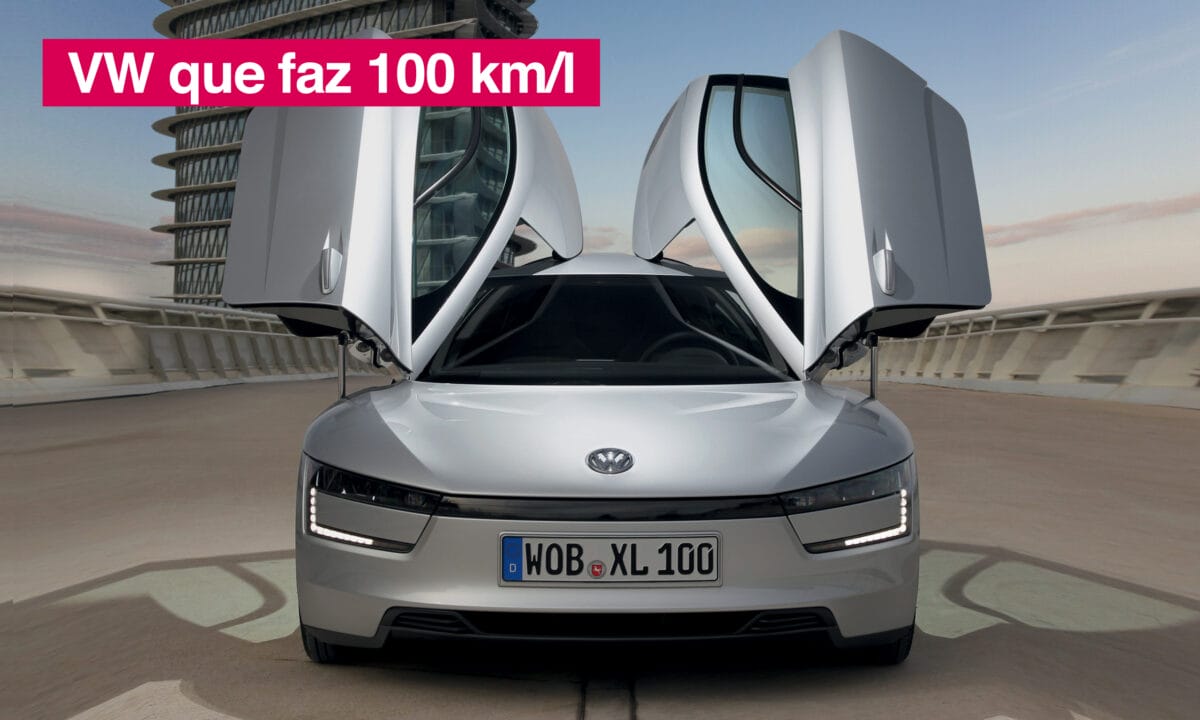
Eleven Years Ago, Volkswagen Launched the Most Incredible Economical Car in the World: The Volkswagen XL1, A Model Capable of Traveling Up to 100 km with Just 1 Liter of Fuel.
The Volkswagen has established itself as one of the largest automakers, with a presence in various Brazilian garages. Constantly prioritizing the quality of its products and services, in 2013, the brand launched an economical car that left its rivals, including Chevrolet, impressed: the diesel Volkswagen XL1. This model is so efficient that it can travel up to 100 kilometers with just one liter of fuel.
Volkswagen Car That Achieves 100 km/l Cost About R$ 576 Thousand
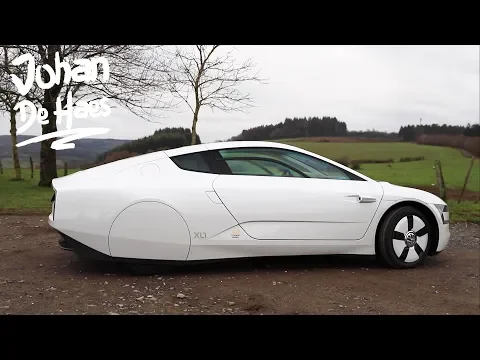

According to official data from the manufacturer, the economical car can achieve more than 100 km with just one liter of diesel, with extremely limited production and a price of 111 thousand euros, which is close to R$ 576 thousand.
Currently, the Volkswagen XL1 is a sought-after collector’s item, even displayed in museums and listed for sale for 130 thousand euros (R$ 675 thousand) or even more, depending on mileage and condition.
-
Less than a Tera TSI, up to 710 km of range and charging in 9 minutes: the new BYD Song Ultra expands the Chinese brand’s bet on increasingly faster, more technological, and competitively priced electric SUVs.

-
With a 1.0 engine producing 75 hp and costing less than R$ 70,000, Fiat’s car returns to the podium as the cheapest in the country; a temporary promotion for the 2026 Like version reduces the price of the Fiat Mobi.
-
With a mild hybrid system of 48 V, 176 hp and a price of R$ 175,990 in the Sahara version, the new Jeep Renegade changes mostly on the inside, improves slightly in fuel consumption, and remains almost the same car.
-
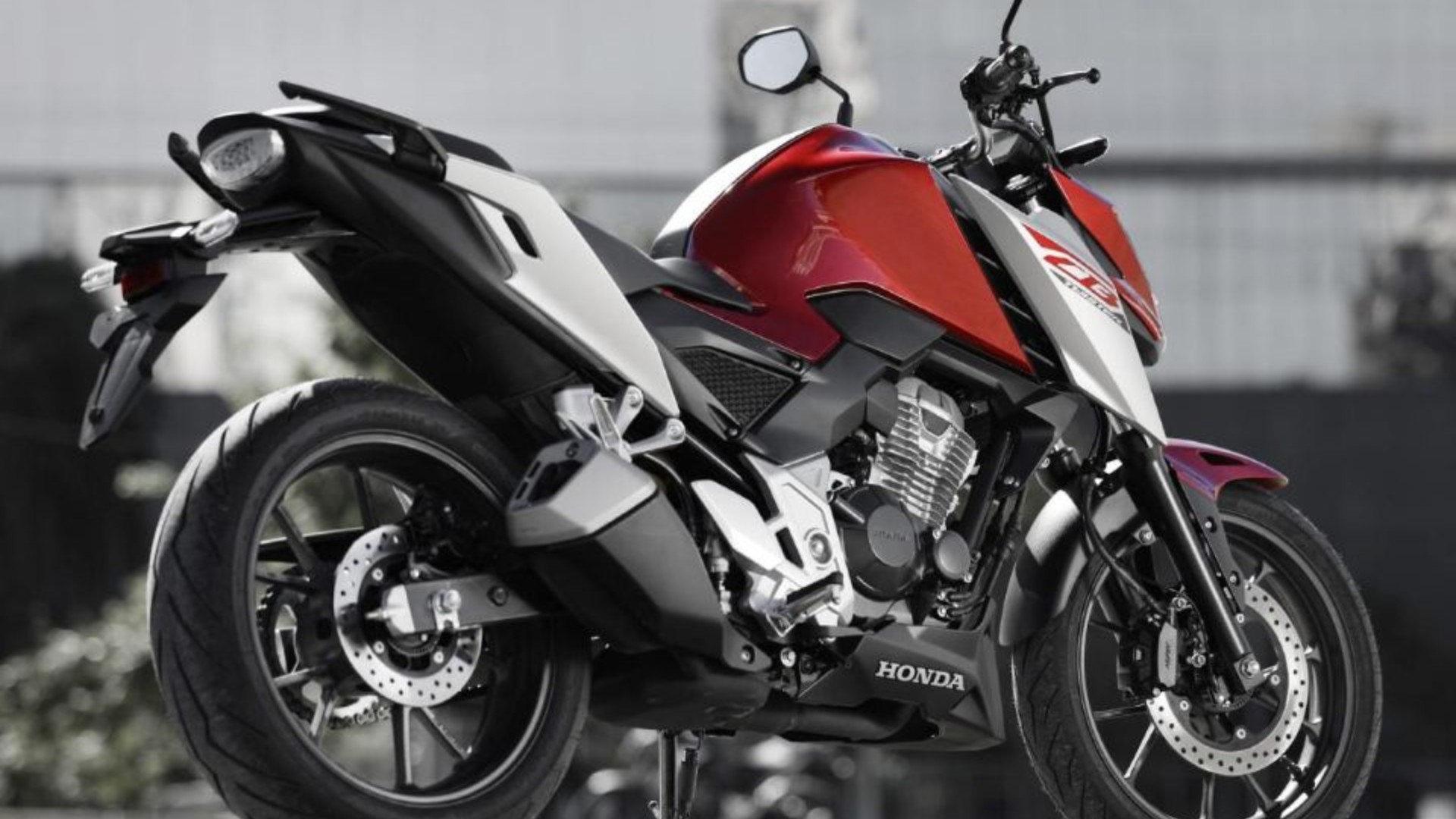
With a 293.5 cm³ engine and a range of up to 400 km with a 14.1-liter tank, the Honda CB 300F Twister 2026 has up to 24.7 hp, an initial price of R$ 25,150, and already exceeds R$ 29,000 in the Fipe Table.

That’s more than enough money to buy a used Ferrari in Europe, not to mention that the Volkswagen XL1, with only 250 units produced, originally intended solely for the European market, is rarer than most models from the Italian brand.
The small quantity helps explain the high appreciation of the economical car, however, it is not the only reason. With a different design, the Volkswagen car remains the brand’s most efficient model in history. It features a lot of technology to run on so little.
Volkswagen XL1 Can Deliver Up to 1 Thousand km
Firstly, the XL1 is a plug-in hybrid, combining a frugal 0.8 liter two-cylinder turbo diesel engine with an electric motor, together generating a modest 69 horsepower and 14.3 kgfm of torque, sent to the rear wheels via a dual-clutch seven-speed transmission.
In fully electric mode, the range is 50 km. In hybrid mode, theoretically, the small ten-liter tank is sufficient to cover 1 thousand km.
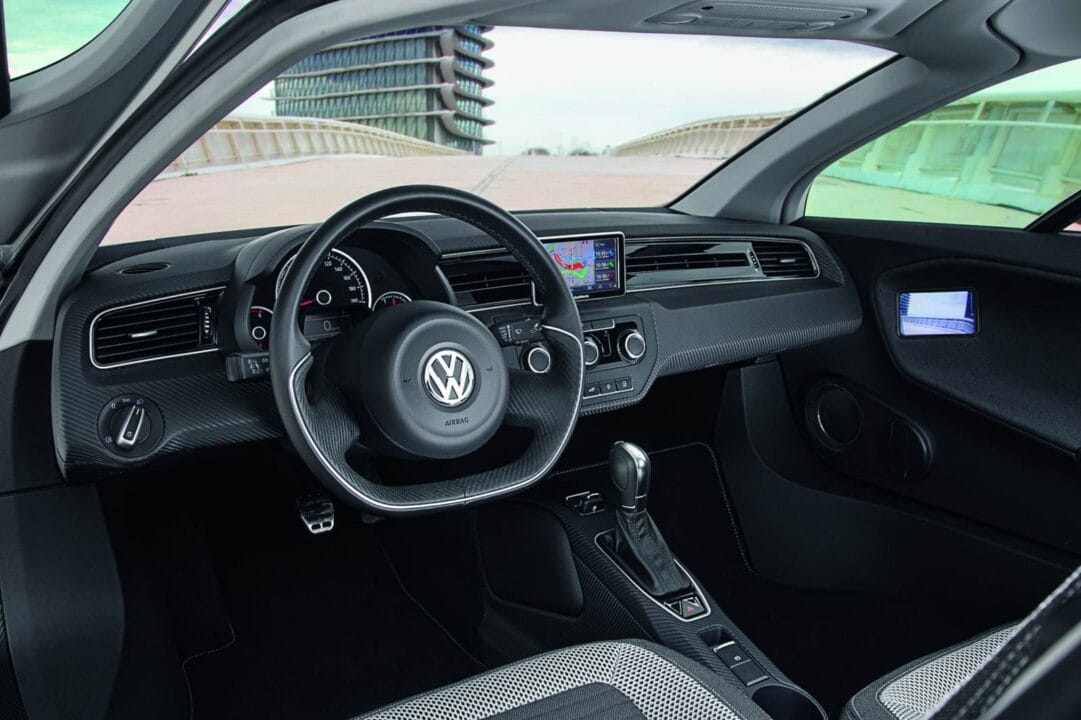
The Volkswagen XL1 does not have sports car performance, but rather fuel economy. On the other hand, the body and chassis are made of carbon fiber, a strong, lightweight, and expensive material – typically reserved for competition cars or high-performance passenger models.
Weighing 785 kg, it has a drag coefficient of only 0.19 cx and ultra-thin tires. The manufacturer’s focus on reducing maximum air resistance includes unusual details from almost a decade ago, such as cameras instead of side mirrors.
Other Details That Can Increase the Economy of Volkswagen’s Car
The economical Volkswagen car stands just 1.15 m tall, with an extremely low body, while the rear wheels are covered by fairings, all in the name of aerodynamic efficiency. In the cabin, with space for two people, the passenger seat is displaced slightly back, aiming to optimize the internal space in a narrow body, measuring 1.66 m in width.
Almost all visible surfaces are made of carbon fiber, contrasting with the simplicity of the cabin: the instrument panel is practically the same as that of the VW Up, while the multimedia center is a nearly generic piece of equipment. In the name of weight reduction, no electric windows on the doors: opening and closing are done via cranks.
According to columnist Fernando Calmon, the driving experience around Geneva (Switzerland) was surprising. The doors open upward in a scissor motion. Great driving position and the steering does not require assistance thanks to tires as narrow as those of motorcycles and the low weight of the car.









Seja o primeiro a reagir!