





 Portuguese
  English
  Spanish
  5 min of reading
  3 comments


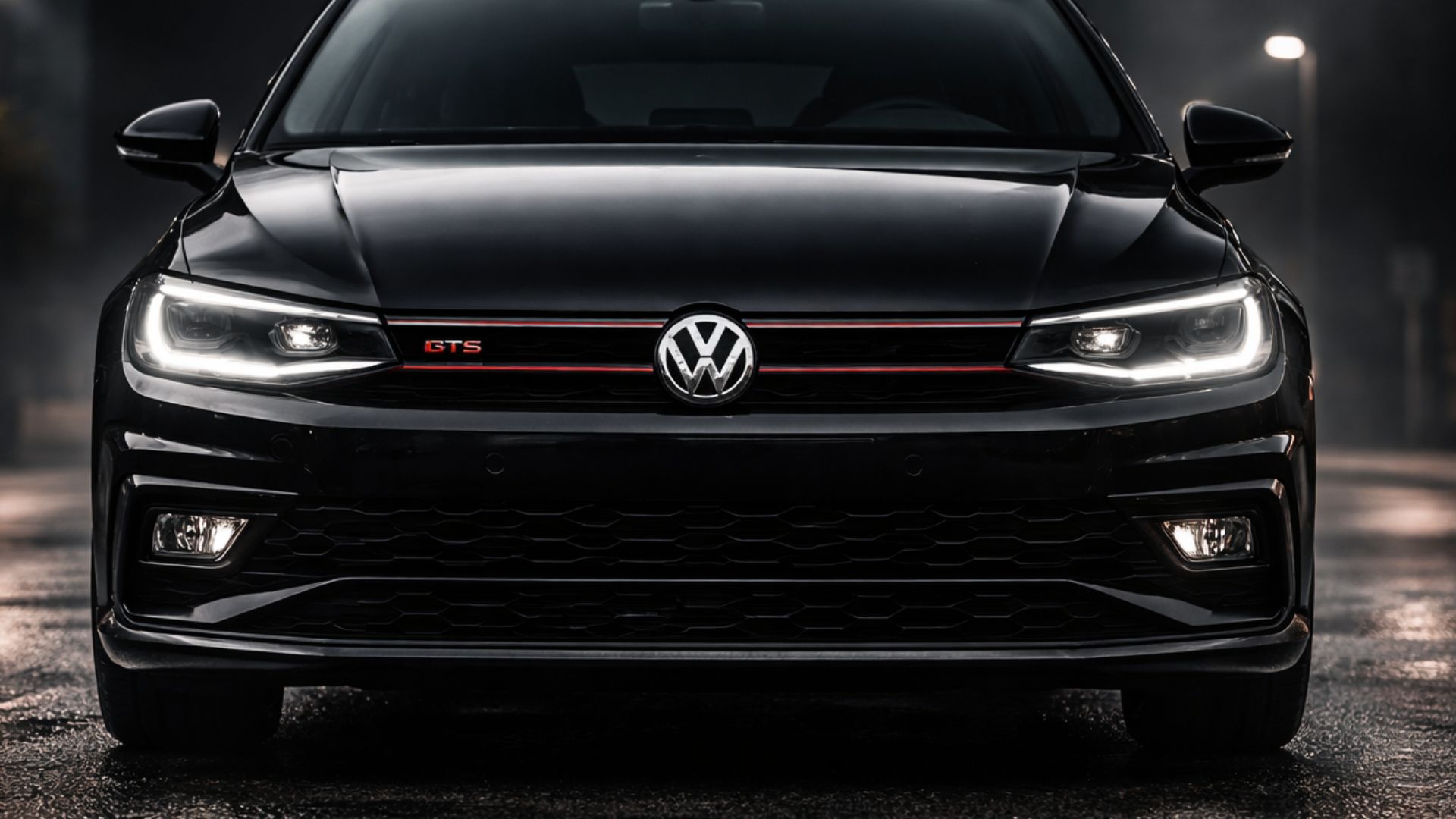


End Of Polo GTS Signals Volkswagen Strategy Change By Ending Sport Hatch And Transferring 1.4 Turbo Engine To A Compact SUV, Reflecting Portfolio Reorganization And Growing Focus On Sport Versions In The Utility Segment.
Volkswagen ended the production of the Volkswagen Polo GTS this year in 2025, marking the end of the sport hatch offer in the Brazilian market.
Launched in 2019, the version remained the top of the Polo line for six years, featuring a more powerful engine, automatic transmission, and visual details that distinguished it from other configurations.
The production halt occurred amid a reorganization of the automaker’s portfolio in the country.
-
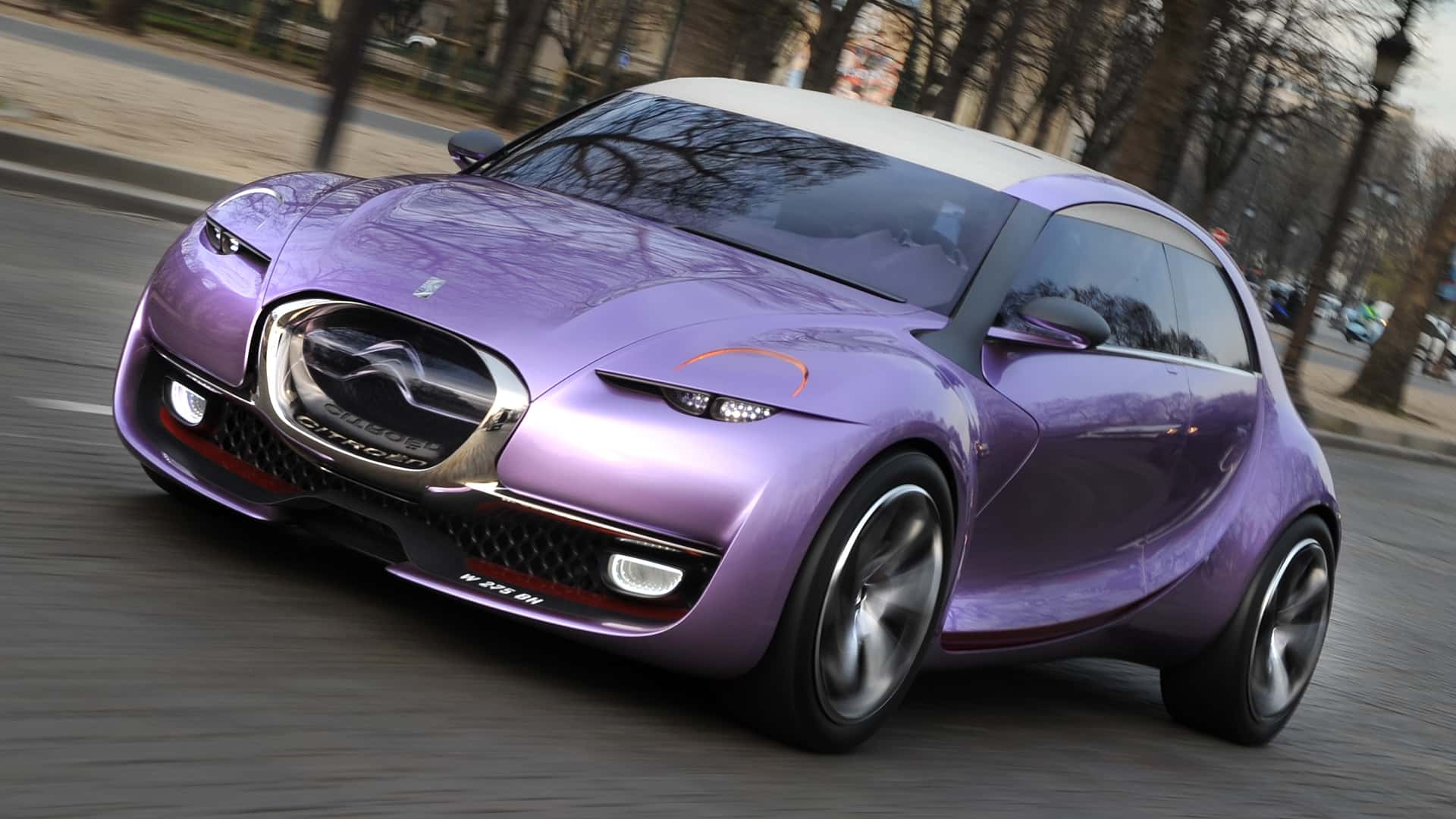
After decades out of the spotlight, Citroën is preparing to bring back the legendary 2CV as a low-cost electric vehicle, betting on the revival of one of the most popular cars in history and aiming to enter the race for affordable compact cars.
-
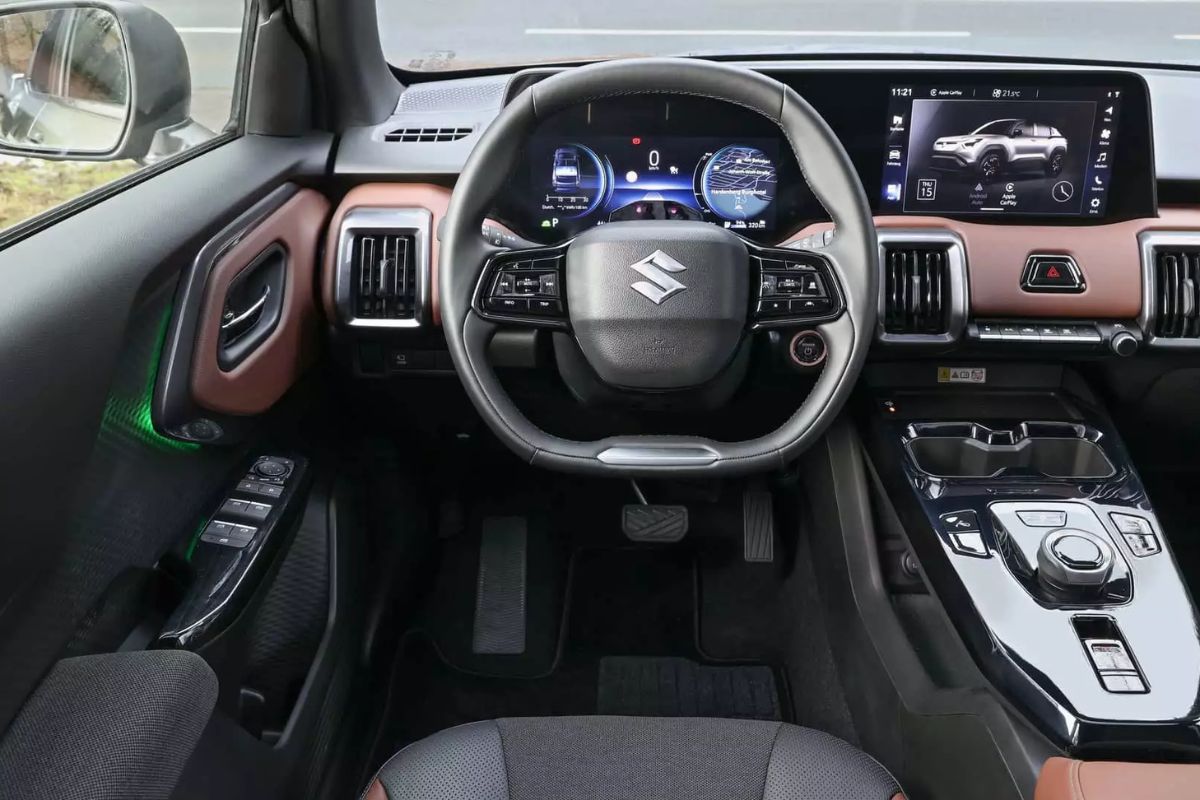
The 2026 electric Vitara arrives in Brazil and proves that Suzuki is not leaving: 4×4 traction, 184 hp, 61 kWh LFP battery, 293 km range, R$ 259,000, and a trunk capacity of 224 L.
-
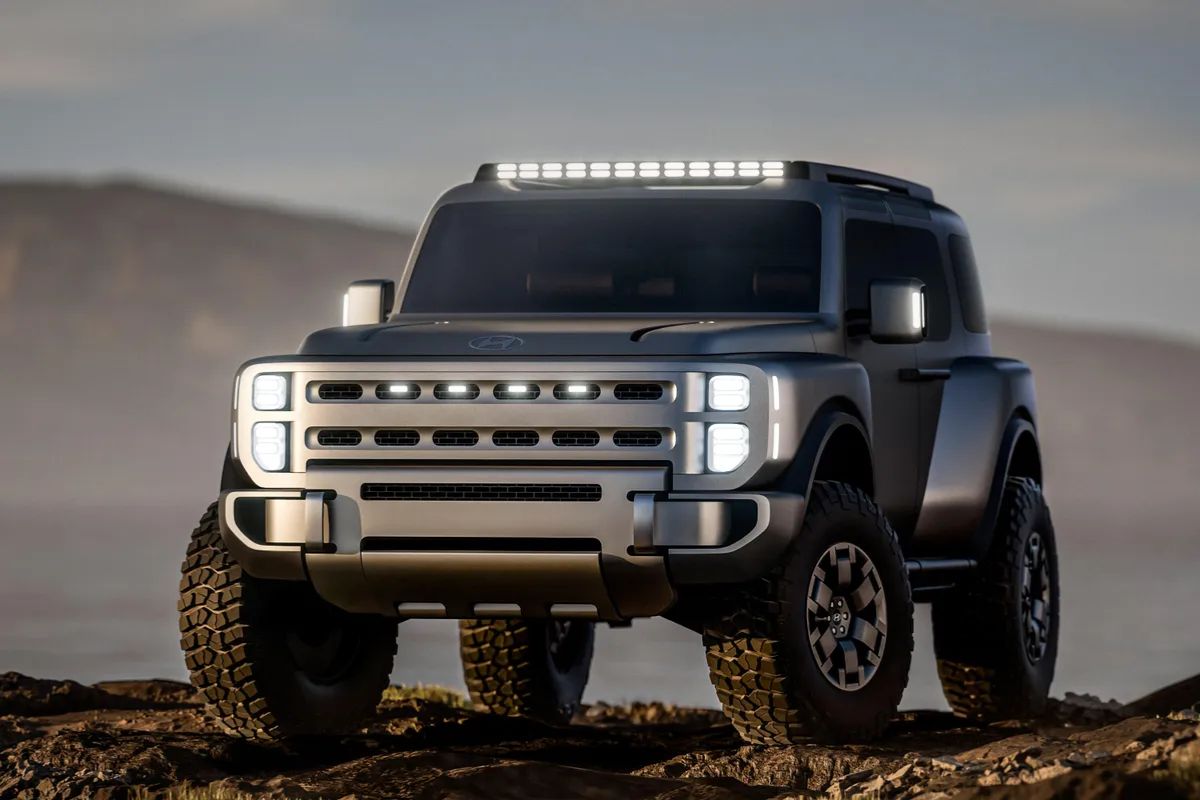
Hyundai has unveiled the Boulder, a square SUV with a body-on-frame design, 37-inch mud tires, and carriage-style doors that seems to be made to take on the Ford Bronco and the Scout Traveller in the United States.
-
The Toyota Hilux is R$ 75.5 thousand cheaper and bets on the 2.8 turbodiesel engine with up to 204 hp and 50.9 kgfm to catch up with the VW Saveiro, which leads with 4,472 sales.

In this context, Volkswagen began to concentrate its sport versions in SUV body styles, a move that opened space for the Volkswagen Nivus GTS to assume the role previously held by the Polo GTS.
Polo GTS At The Top Of The Line And Market Positioning
Since arriving at dealerships, the Polo GTS was positioned as the most complete and powerful version of the hatch.
The model was equipped with the 250 TSI 1.4 turbo flex engine, which delivered 150 hp and 25.5 kgfm of torque, always combined with the six-speed automatic transmission.

Within the Volkswagen range, the Polo GTS distinguished itself by offering superior performance compared to other versions of the model while maintaining features suited for everyday use.
This combination helped define the car’s positioning as an alternative for consumers seeking more power without moving to higher segments.
Over the years, the model maintained a stable market share within the Polo line.
Nevertheless, the rise of compact SUVs in the Brazilian market began to influence the automaker’s strategic decisions, including regarding the continuation of sport versions in traditional body styles.
End Of Production And Volkswagen Strategy
The confirmation of the end of the Polo GTS was made by Volkswagen itself in the first quarter of 2025.
In a statement attributed to the automaker, the decision was classified as strategic and linked to optimizing the national range, without detailing volumes or commercial targets.
According to automotive industry analyses published throughout the year, the measure aligns with the trend of concentrating investments and launches in SUVs, a segment that has come to account for the majority of sales in the country.
This move has been adopted by various manufacturers and is not limited to Volkswagen.
Thus, the Polo continued production in other versions, while the GTS configuration ceased to be offered as a factory option.

Mechanical Set And Proposal Of The Polo GTS
In practice, the Polo GTS was recognized for the mechanical set already used in other models of the group.
The 1.4 turbo flex engine with 150 hp and 25.5 kgfm prioritized quick responses and performance compatible with urban and highway use, without significant structural changes compared to other vehicles using the same base.
The six-speed automatic transmission completed the package, offering smooth shifts and the possibility of manual driving.
This set helped establish the model as an intermediate option between conventional hatches and higher-performance sports cars.
Industry experts often classified the Polo GTS as a niche product within the Polo family, especially in a changing consumption profile and increasing demand for vehicles with elevated body styles.
Nivus GTS Assumes The Sporty Showcase Of The Brand
With the exit of the Polo GTS, the Nivus GTS began to concentrate Volkswagen’s sporty strategy in a different body format.

The automaker retained the same 250 TSI 1.4 turbo flex engine, with 150 hp and 25.5 kgfm, paired with the six-speed automatic transmission.
According to information released by Volkswagen itself, the model also allows manual shifts, both via the gear lever and paddle shifters behind the steering wheel.
The mechanics, therefore, remain the same, while the positioning shifts to the compact SUV segment.
In comparisons published throughout 2025, the direct relationship between the performance of the Nivus GTS and the former Polo GTS was frequently highlighted.
Nevertheless, analyses pointed out that the dynamic behavior is influenced by the differences in height and proposal between hatch and SUV.
Competition In The Sporty SUV Segment
The change repositioned the competition to a segment that gained relevance in recent years.
The Nivus GTS began facing models like the Fiat Fastback Abarth, noted in market analyses as one of the main representatives of sporty SUVs in Brazil.
This type of product combines a turbo engine, specific suspension adjustments, and a distinctive appearance.
According to industry analysts, the strategy aims to cater to consumers who value performance alongside characteristics typical of sport utility vehicles.

This repositioning aligns with the growing preference of the public for SUVs, both in sales volume and variety of versions.
Impacts For The Consumer And Offer Of Sporty Vehicles
With the Polo GTS out of the lineup, the offer of sport hatches from the factory became more restricted in Volkswagen’s portfolio.
For consumers interested in this type of body style, the alternative has become the used and pre-owned market, where the model still appears relatively frequently.
At the same time, the automaker reinforced that it maintains products with sporty appeal in other segments.
In addition to the Nivus GTS, Volkswagen continues to offer models like the Jetta GLI and Golf GTI, each positioned in distinct price ranges and proposals.
The end of the Polo GTS serves as a snapshot of changes in the Brazilian automotive market throughout 2025.
With the mechanics preserved and the body style altered, sportiness remains in the brand’s portfolio, but in a different format.







Nao tem mais Golf gti, agora sai o Polo gts. É o fim dos hot hatches, infelizmente.
A Volkswagen sempre joga com estratégia querendo ou não
Um SUV GTS ? Utilitário Gran Touring, não faz sentido.