





 Portuguese
  English
  Spanish
  2 min of reading


UBS Analysts Forecast Significant Decline in Market Share of Western Electric Vehicle Manufacturers as BYD and Other Chinese Companies Gain Ground
A revolution in the global vehicle market is on the horizon, with Chinese manufacturers, led by BYD, ready to challenge Western dominance in the electric vehicle sector. UBS analysts state that these companies are poised to nearly double their market share to an impressive 33% by the end of the decade, according to Bloomberg Línea.
The Unstoppable Growth of Chinese Electric Vehicles
Chinese manufacturers, including names like Nio and Xpeng, have increased their presence in the global automotive industry, showcasing their offerings at the IAA auto show in Munich. While German giants like Mercedes-Benz and BMW presented their future electric vehicles, they will not hit the market until 2025.
Patrick Hummel, an analyst at UBS, points out that “the global automotive industry will go through seismic changes in the next 10 years or more.” UBS forecasts suggest that the global market share of Western manufacturers will decline from 81% to 58% by 2030, while Tesla’s share is expected to rise to 8%, up from 2%.
-
A French brand placed a car on four huge red balloons to prove that its suspension made the vehicle “float,” and the surreal scene became one of the most iconic and unusual images in automotive history.

-
Jeep Avenger begins production in Brazil, debuting as the brand’s new entry-level SUV and inaugurating an unprecedented phase by becoming the first national Jeep manufactured outside of Goiana, as part of a R$ 3 billion plan.
-
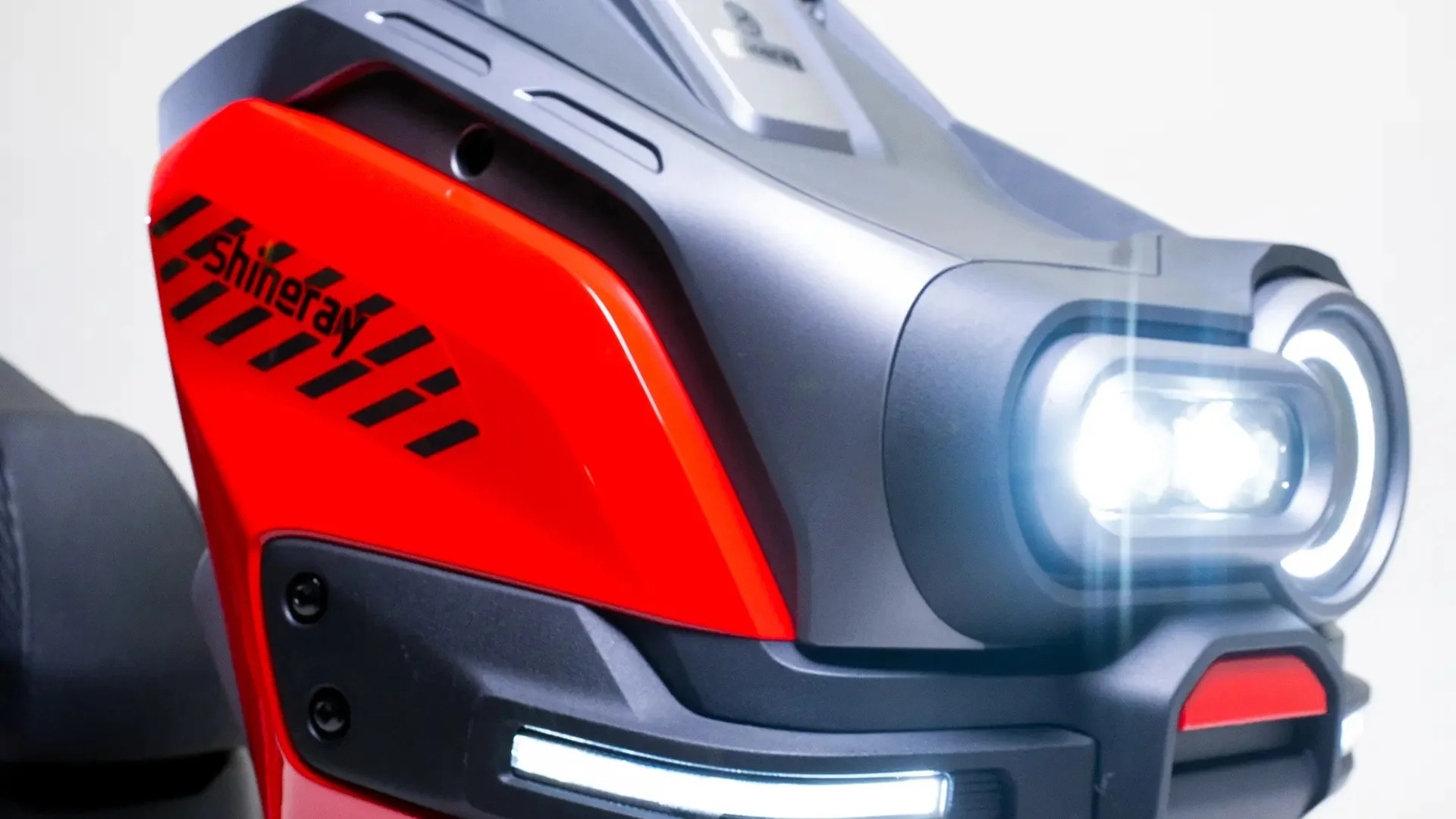
Costing R$ 12,490, the new Shineray Urban Lite 150 “cheap one” arrives in Brazil with a CVT transmission, digital dashboard, and LED lights, making it more affordable than the Biz and targeting those who want to abandon the bus.
-
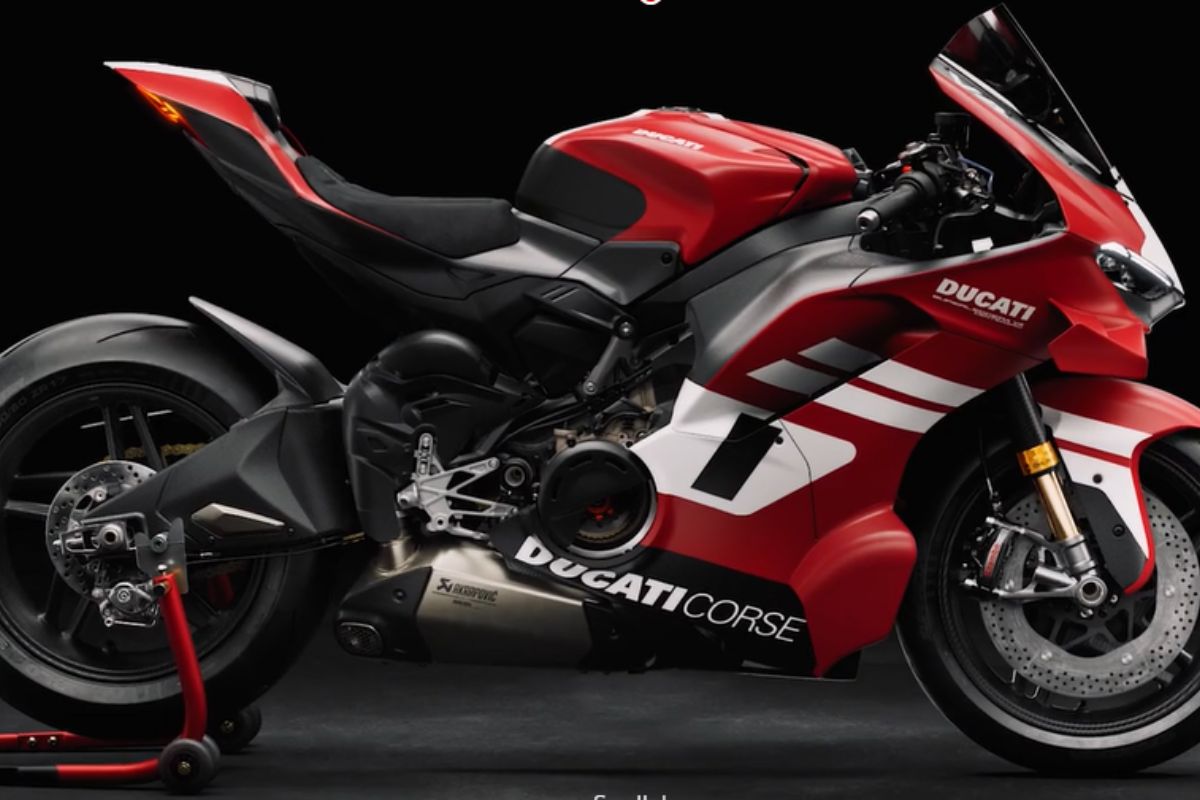
Ducati brings to Brazil the Superleggera V4 Centenario: 228 hp that become 247 with a track kit, carbon fiber and carbon-ceramic brakes, estimated price between R$ 1.5 and 2 million, deliveries only in 2027.

BYD’s Cost Advantage
BYD, China’s largest automotive brand, has a cost advantage of 25% over North American and European brands. This allows the Shenzhen-based company to offer more competitive prices, especially as it expands its global presence.
An analysis by UBS of a 2022 BYD Seal sedan found that 75% of the components are made locally, double the global average. This supply chain advantage is one of the key reasons behind BYD’s success. Additionally, BYD produces its own batteries and semiconductors, contributing to a cost advantage of 15% compared to the Tesla Model 3 manufactured in China and over 30% compared to Volkswagen AG’s ID.3.
BYD also surpassed Volkswagen as the best-selling car brand in China in early 2023, further solidifying its market position.
Challenges for Western Companies
UBS forecasts also suggest that Chinese automakers are unlikely to expand significantly in the United States, Japan, South Korea, and India, where domestic competitors have a strong presence. However, companies like BMW, VW, and Mercedes are accelerating their transition to electric vehicles to face this changing competitive landscape.
BMW, for example, showcased a prototype of its electric car, the Neue Klasse, at the IAA, featuring functionalities that Chinese consumers expect, such as voice and gesture controls. BMW is determined to compete with Chinese electric vehicle manufacturers.
Yale Zhang, managing director of the consultancy Automotive Foresight, comments: “Luxury German brands’ electric vehicle sales in China lead BMW over Mercedes-Benz and Audi.”









Seja o primeiro a reagir!