





 Portuguese
  English
  Spanish
  4 min of reading
  0 comments



Discover Which Is The Best Wood For Furniture And Why MDF Remains One Of The Most Popular Choices In The Furniture Sector. Also Learn About Options Like MDP, HDF, And OSB And Understand Their Differences.
The definition of the best wood for furniture directly influences the durability, appearance, and even the final price of each piece. Although hardwoods are a reference in resistance, so-called industrial woods — such as MDF, MDP, HDF, and OSB — have gained ground by combining good cost-benefit and versatility.
These materials are not identical to each other. Each type has its own characteristics that must be carefully evaluated before purchase.
Resistance, finish, weight capacity, and even how they deal with moisture are factors that need to be considered in the decision.
-
The project that was supposed to be ready for the 2014 World Cup in Brazil debuted with a 12-year delay and nearly R$ 6 billion invested: the Line 17-Gold of the São Paulo monorail opened with reduced hours and is only expected to operate fully in October.

-
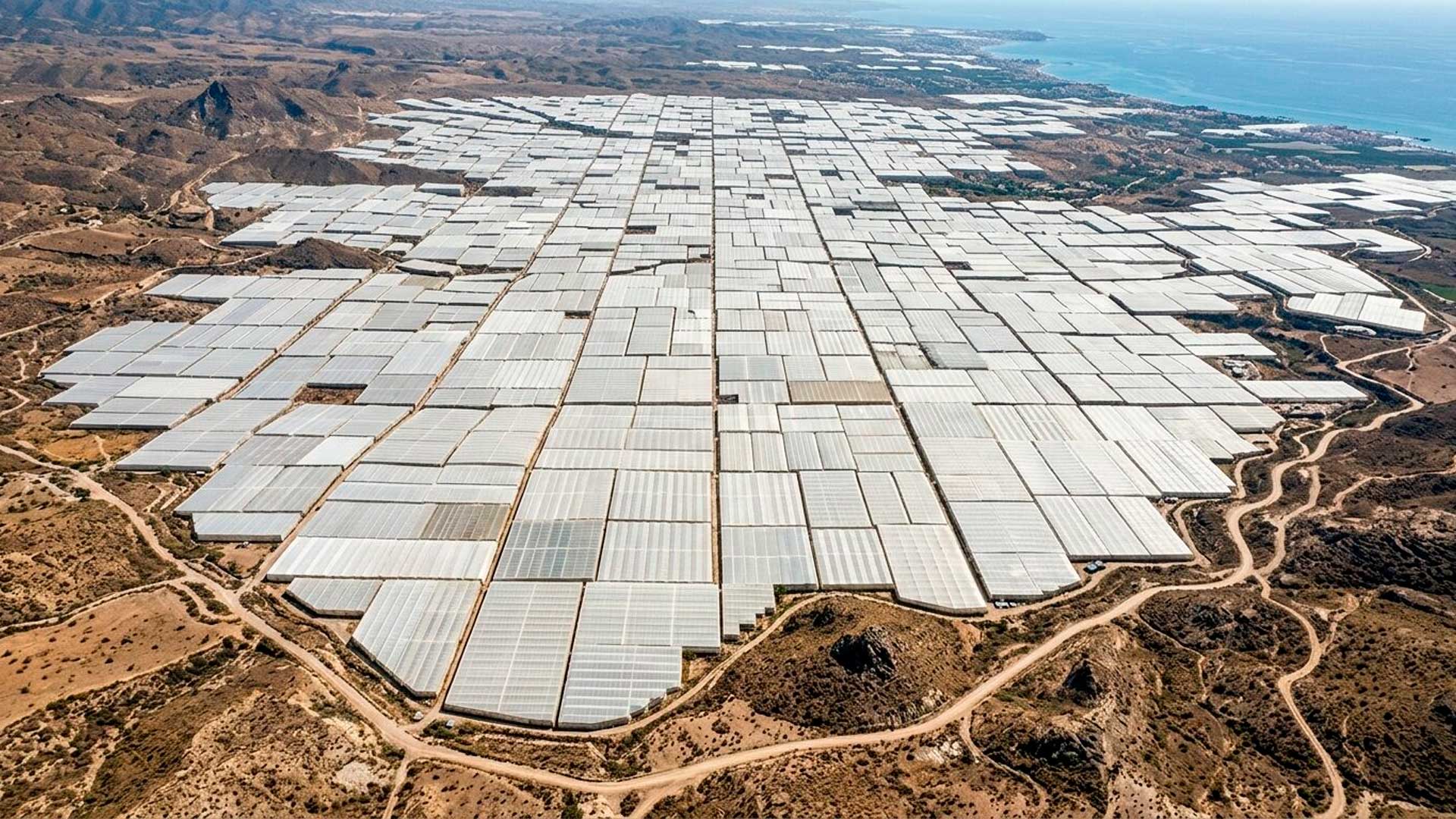
Neither the Pyramids nor the Great Wall of China, this gigantic construction in Spain is the human mark on planet Earth that intrigues the most when seen in images from space.
-
Surrounded by cliffs, mist, and chilling stories, the ancient Hotel del Salto has been reborn as a museum while still unable to shake off its reputation as a haunted place.

-
This star-shaped fortified construction, hidden near the border of Spain, may be the largest fortress on the planet.


See Which Is The Best Wood For Furniture
MDF: The Darling Of The Furniture Industry
When it comes to the best wood for furniture, MDF is among the most common choices. Its popularity is linked to versatility and the ability to receive a smooth, even finish.
MDF, or Medium-Density Fiberboard, is produced from refined wood fibers, usually from pine or eucalyptus, mixed with resins and pressed under high temperatures.
This process guarantees a balanced density that prevents deformations and facilitates detailed cuts.
Another advantage is the smooth surface, ideal for painting, varnishing, or laminating.
For this reason, MDF is widely used in custom furniture, doors, shelves, and even carved decorative pieces.
However, the material has limitations. It does not hold up well to moisture and can swell or lose quality when exposed to humid environments.
Still, its affordable cost and ease of finishing place it among the top choices for residential and commercial projects.
MDP: Resistance First
MDP, short for Medium-Density Particleboard, is another heavyweight in the furniture sector. Unlike MDF, its manufacturing uses larger wood particles, such as chips and flakes, also bonded with resin under pressure.
This characteristic gives MDP greater structural resistance. It better supports heavy loads and impacts, making it suitable for cabinets, sturdy shelves, and structures that require firmness.
On the other hand, the finish of MDP is more limited. Its surface is rough, making direct painting difficult.
However, the material is great for lamination, which provides a sophisticated and durable look.
Like MDF, MDP is not moisture-resistant. Therefore, it is not recommended for kitchens, bathrooms, or outdoor areas.
HDF: High Density And Superior Durability
If the priority is extreme resistance, HDF, or High-Density Fiberboard, stands out as a candidate for the best wood for furniture.
Manufactured from refined fibers, just like MDF, it goes through a more intense pressing process, which increases its density and durability.
HDF supports heavy loads, has a low tendency to deform, and resists moisture better compared to MDF and MDP.
In addition, it offers a smooth surface, perfect for painting or applying coatings.
For these reasons, HDF is common in office furniture, table tops, and doors. However, its higher cost may limit its presence in budget-restricted projects.
OSB: Robustness With Differentiated Aesthetics
OSB, or Oriented Strand Board, is a panel made up of wood strands oriented in crossed layers.
This composition guarantees resistance to deformation and impacts, making it useful in projects that require structural firmness.
The aesthetics of OSB, however, is rustic. Its irregular surface requires extra finishing for those seeking sophistication but can be kept natural in industrial or rustic furniture. Like other industrial panels, its greatest fragility is moisture.
Comparison Between MDF, MDP, HDF, And OSB
After all, what is the best wood for furniture? The answer depends on the goal of each project. MDF offers versatility and a refined finish, making it perfect for custom and decorative furniture.
MDP is ideal for pieces that require structural resistance, such as cabinets and bed bases.
HDF is indicated when maximum durability and resistance are sought, even at a higher price.
Finally, OSB caters to those who want robust furniture with a more laid-back style, especially in industrial or rustic environments.
When analyzing these points, it becomes clear that there is no absolute single winner. The best choice varies according to budget, type of use, and the environment in which the furniture will be placed.
For those looking to buy ready-made furniture or invest in custom furniture, understanding these differences is essential.
Not always is the cheapest product the most suitable for daily use. Evaluating whether the furniture will be in a humid area, if it will come into contact with constant weight, or if it needs a delicate finish is part of the decision-making process.
In addition, checking information such as the date of manufacture, type of finish, and warranty offered by the manufacturer helps avoid future problems. Thus, it is possible to combine aesthetics, practicality, and durability in a more conscious choice.










Seja o primeiro a reagir!