





 Portuguese
  English
  Spanish
  3 min of reading
  0 comments


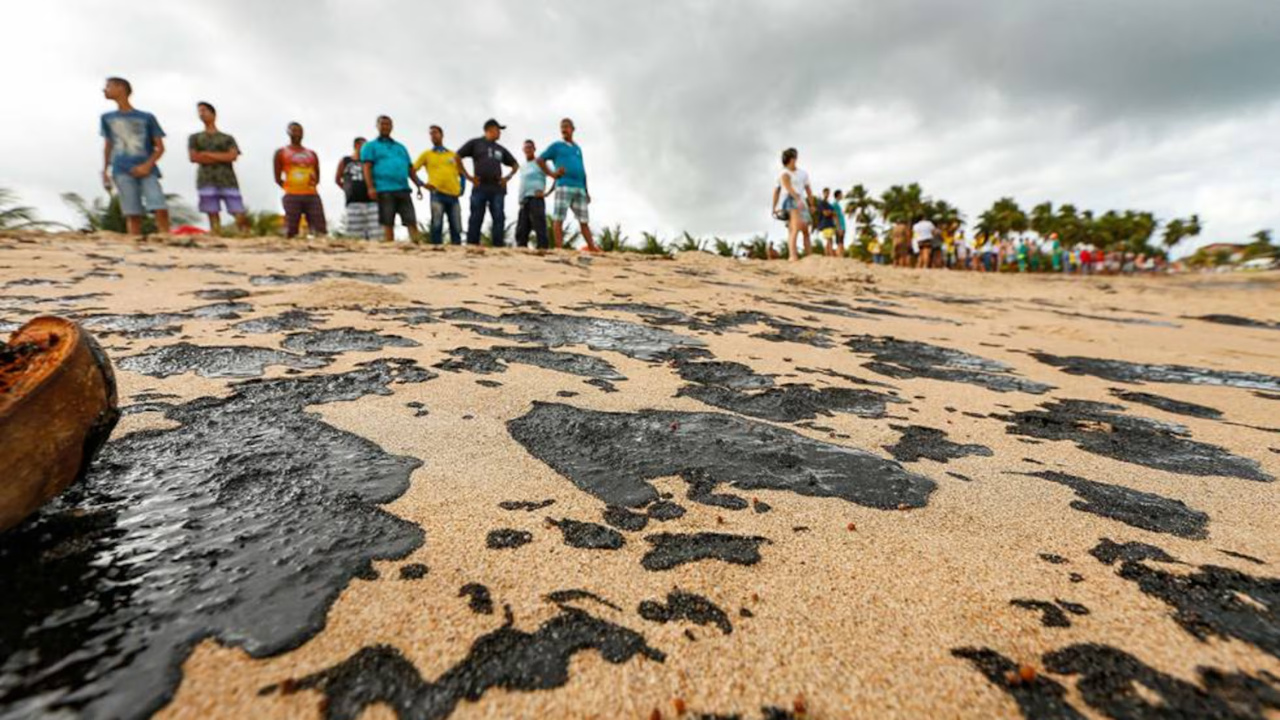
Study By Fiocruz And UFBA Analyzes How The 2019 Oil Spill Affected The Health, Income, And Lives Of Fishing Communities In 11 Northeast States, Revealing Risks That Still Persist.
Almost six years after the largest oil spill ever recorded in Brazil, the problem is still far from over. The oil that hit the northeastern coast in 2019 did not disappear with the waves. On the contrary. According to a new scientific article, the effects remain alive in the daily lives of thousands of artisanal fishermen, who still face direct impacts on health, income, and their own survival.
The study was developed by Fiocruz, in partnership with the Federal University of Bahia (UFBA), social movements, and research institutions. The analysis shows that the disaster was not just environmental. It turned into a social and sanitary problem of large proportions.
In total, the oil spill affected 11 states in the Northeast. Only in Pernambuco, over 5,000 tons of oil were collected. Nevertheless, the contamination did not limit itself to the beaches. It advanced through mangroves, rivers, and entire communities.
-
Lula reveals a masterstroke by Petrobras to undo a deal made by Bolsonaro, which involves the return of an important refinery that currently produces less than half of what was expected and makes Brazil dependent on international diesel.
-
A study confirms that the natural gas sector will reduce greenhouse gas emissions in Brazil by 0.5% and accelerate the energy transition by 2026.

-
Petrobras implements a severe adjustment and confirms a 55% increase in the price of aviation kerosene with a proposal for installment payments for the companies.

-
The rise in oil prices could ensure an extra revenue of R$ 100 billion for the Federal Government, indicates a recent economic study.


A Disaster That Adds To Decades Of Neglect
The research is part of the project Oil Disaster and Health of Water People, coordinated by Idê Gurgel and Mariana Olívia, from Fiocruz Pernambuco. The work was conducted in cooperation with the Pastoral Council of Fishermen (CPP), the National Articulation of Women Fishermen (ANP), and the Suape Forum – Socioenvironmental Space.
According to the study, the oil spill cannot be seen as an isolated event. It overlapped a scenario of historical vulnerabilities. Lack of public policies, low income, and precarious access to health were already part of the routine of these populations.
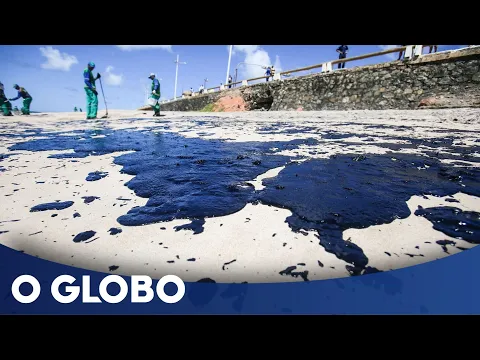

According to José Erivaldo Gonçalves, PhD in Public Health from Fiocruz Pernambuco and field coordinator of the research, the Health, Environment, and Work Laboratory (Lasat) mobilized to understand how exposure to oil affected the social reproduction of these communities.
“The disaster cannot be analyzed in isolation, as it adds to a set of historical vulnerabilities that already mark the way of life of artisanal fishing,” he states.
Cleanup Without Protection: When Help Became Risk
One of the most alarming data from the study is the direct involvement of the fishermen themselves in the cleanup actions. Without training and without protective equipment, many came into direct contact with the oil.
“It was the fishermen themselves who started the containment and removal of the oil on beaches, mangroves, and rivers, in a context of absence of guidance and protection,” highlights the researcher.
This exposure significantly increased health risks. In addition to contact with toxic substances, there was inhalation of vapors and absorption through the skin, without any adequate medical follow-up.
In addition to direct contamination, the study points to difficulties in accessing health services capable of recognizing and treating oil-related poisonings. Many professionals were not prepared to identify the symptoms.
The situation worsened with the Covid-19 pandemic. The collapse of health services deepened the existing social and sanitary fragilities.
The researchers identified reports of respiratory problems, neurological changes, and other symptoms that emerged between one and three months after contact with the oil.
New Research And The Challenge Of Public Policies
Based on the data collected, new studies are underway to analyze the relationship between levels of exposure to oil and self-reported symptoms by the communities.
The expectation is that the results will help formulate public health monitoring policies, in addition to creating rapid response networks for future spills.
Even so, experts warn that, without continuous actions, the risk of new disasters involving oil will continue to fall on the same populations.
For you, how could a city prepare for a possible oil spill? Would your locality, for example, be ready to protect people’s health and the local economy?







Seja o primeiro a reagir!