





 Portuguese
  English
  Spanish
  6 min of reading
  1 comment


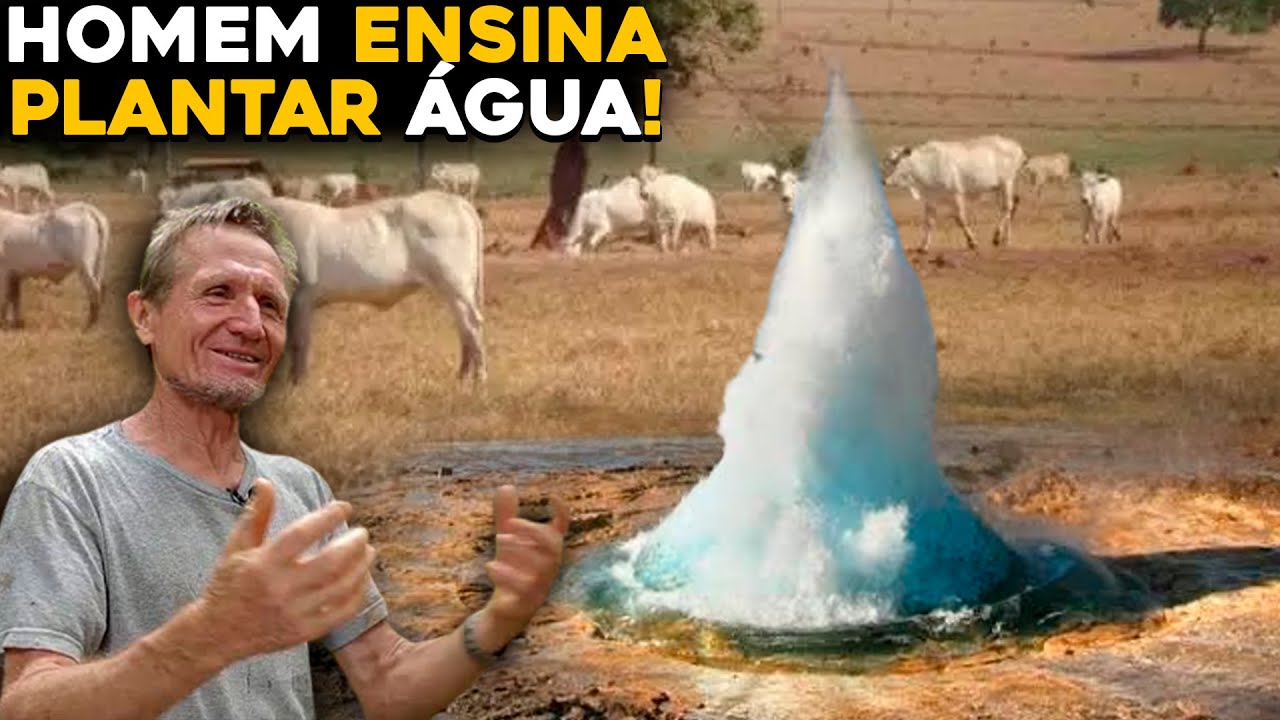


Where There Once Was Dead Soil in the Brazilian Semi-Arid, Agroforestry Systems Inspired by Ernst Götsch Are Reversing Desertification, Recovering Water and Life in Just Three Years.
Few people associate the Brazilian Semi-Arid with the idea of forest. The most common image is one of cracked soil, sparse vegetation, and long periods without rain. However, in areas where the desertification process was clearly advancing, farmers are proving that this fate is not inevitable. Instead of abandoning the land or insisting on models that deplete the soil, they began to mimic the workings of nature itself, and the results started to appear in an surprisingly short amount of time.
The starting point is accepting a radical change in perspective. This is not about “dominating” the environment, but about recognizing that soil, plants, microorganisms, animals, and water are part of an integrated system. The degradation currently threatening about 13% of the lands in the Brazilian Semi-Arid, according to data from the Satellite Image Analysis and Processing Laboratory of the Federal University of Alagoas, is a direct consequence of decades of deforestation, intensive land use, fires, and poorly managed pastures.
It is precisely in this context that agroforestry emerges as a practical response to a historical problem.
-
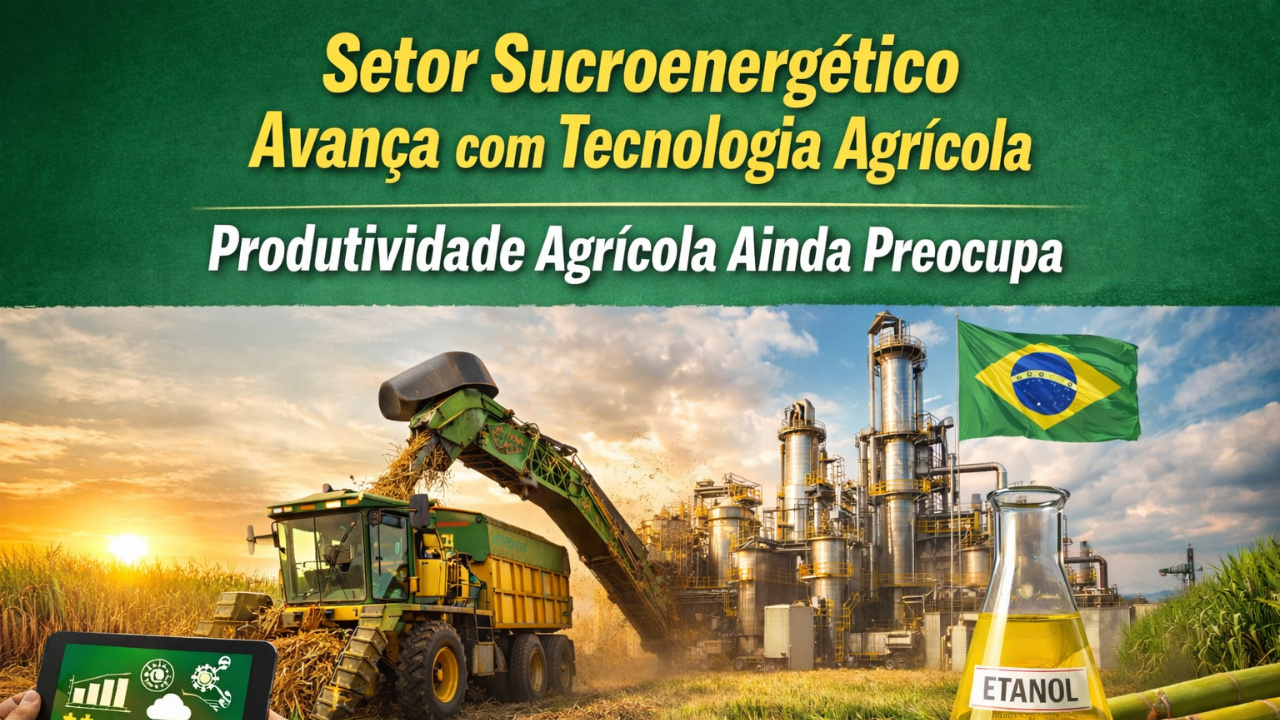
The sugar-energy sector advances with agricultural technology, but agricultural productivity still raises concerns.
-
The eggshell that almost everyone throws away is made up of about 95% calcium carbonate and can help enrich the soil when crushed, slowly releasing nutrients and being reused in home gardens and vegetable patches.

-
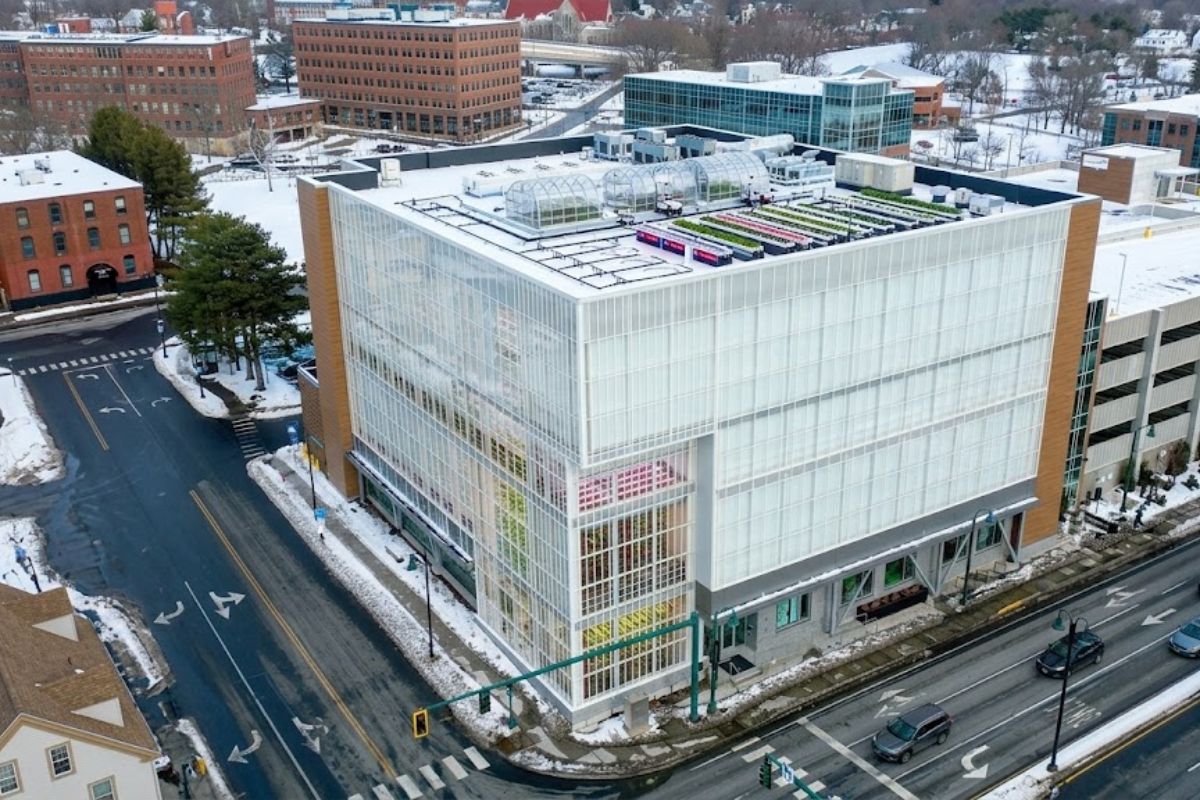
This farm in the United States does not use sunlight, does not use soil, and produces 500 times more food per square meter than traditional agriculture: the secret lies in 42,000 LEDs, hydroponics, and a system that recycles even the heat from the lamps.
-
The water that almost everyone throws away after cooking potatoes carries nutrients released during the preparation and can be reused to help in the development of plants when used correctly at the base of gardens and pots, at no additional cost and without changing the routine.


The Logic of Syntropic Agriculture and the End of the Idea of “Fighting” Nature
The foundation of the system adopted in these areas comes from syntropic agriculture, a method popularized in Brazil by Swiss Ernst Götsch since the 1980s.
The central idea is simple yet profound: nature has gone through billions of years of evolution testing efficient solutions. Mimicking this logic is smarter than trying to force plants and animals to survive in increasingly worse conditions.

Instead of monocultures exposed to intense sun and erosion, the agroforestry system reproduces the “layers” of a natural ecosystem. Tall trees, medium species, shrubs, ground plants, and agricultural crops coexist in the same space, each fulfilling an ecological function. Some produce food, others provide shade, organic matter, soil cover, or support biodiversity.
Insects, fungi, and bacteria are no longer seen as enemies. In the syntropic method, they are indicators of imbalance. When they appear in excess, the problem is not the organism itself, but the fault in the system that needs to be corrected.
From Degraded Pasture to Green “Oasis” in the Semi-Arid
In the Semi-Arid, this concept took practical form in properties that were on the brink of desertification. One of the most emblematic examples involves an area of 1.8 hectares — approximately equivalent to two football fields — that had been used for years as fields for corn, cassava and, later, as pasture for cattle. The result was predictable: compacted soil, depleted and practically lifeless.
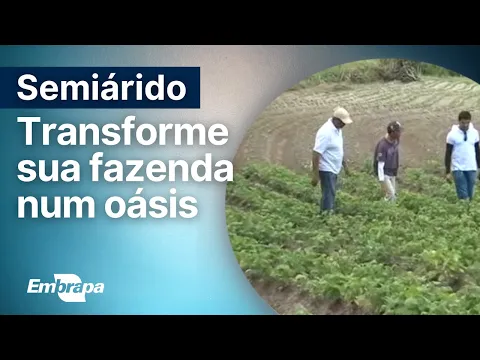
The first step toward recovery was not planting trees, but preparing the ground to receive water. Ditches were dug along the contour lines, allowing rainwater to infiltrate the soil instead of running off the surface and carrying away the little remaining fertility.
This technical detail is crucial in semi-arid regions, where every millimeter of rain needs to be maximized.
Next came intensive and planned planting. Species adapted to Caatinga, such as prickly pear, sisal, mandacaru, umburana, aveloz, and apiteira, were combined in spacings of approximately one and a half meters. These plants form what farmers call the “photosynthetic matrix”: species capable of photosynthesis throughout the year, regardless of rainfall regime.
Three Years Later: Living Soil, Fauna Back, and Permanent Green
The results began to appear in just three years. Where there once was hard and bare soil, permanent vegetation cover now exists.
The organic matter accumulated from frequent pruning — an essential part of the method — created a layer rich in nutrients, similar to the black soil found in mature forests.
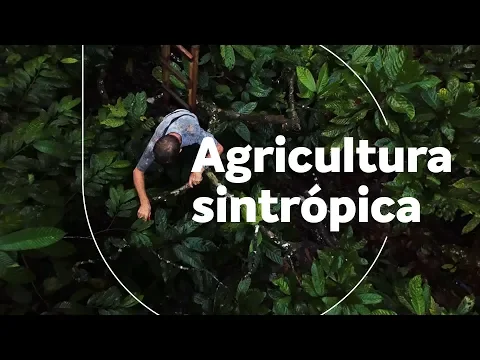
This cover protects the soil from extreme heat, reduces evaporation, and creates a more humid microclimate. Mushrooms, microorganisms, and small animals have returned to occupy the space, a clear sign that the soil has ceased to be a dead substrate.
With the improvement of environmental conditions, the fauna also returned. Species such as the marsh deer, absent for years, have begun to circulate in the area once again. The vegetation has started to withstand drought periods better, maintaining its greenery even in the driest months.
“Planting Water”: How the Forest Makes Water Return
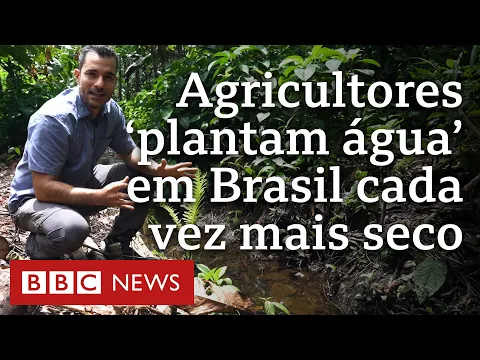
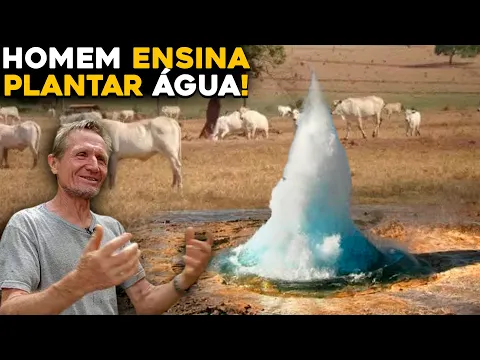
One of the most repeated concepts by Ernst Götsch and his followers is that “water is planted.” This statement may sound strange at first glance, but it has solid ecological basis. Forests increase water infiltration into the soil, recharge aquifers, and reduce erosion. Over time, this allows springs and streams to flow again permanently.
In degraded areas where streams had previously disappeared, the reconstitution of the original vegetation led to a recovery of water flow throughout the year. In the Semi-Arid, this effect is even more valuable, as it reduces exclusive dependence on rains concentrated in a few months.
The nightly dew, locally called “valho”, also plays an important role. The dense vegetation creates conditions for this moisture to be captured daily, contributing to the water balance of the system even during periods without significant rain.
A Model That Is Starting to Scale and Attract Large Companies
The success of these experiments has not been limited to small properties. Ernst Götsch’s work on his 500-hectare farm in Piraí do Norte, in southern Bahia, transformed a highly degraded area into an international reference for productive environmental recovery.
This result has drawn the attention of large companies. Groups like Michelin and Pão de Açúcar have already turned to the method to guide agricultural and rubber production projects on a large scale, following the principles of syntropic agriculture.
Today, farmers trained by Götsch are applying the system in different biomes in Brazil, adapting species and management to local conditions. In the Semi-Arid, this represents a concrete alternative to the advance of desertification, a problem that has historically pushed entire communities into forced migration.
Production, Conservation, and the Future in the Brazilian Semi-Arid
What these areas demonstrate is that agricultural production and environmental recovery are not opposites. On the contrary, when the system is well designed, productivity emerges as a consequence of the ecosystem’s health.
Agroforestry eliminates pesticides and chemical fertilizers, reduces production costs, and creates systems more resilient to climate change. In a context of increasingly frequent extreme events, this resilience can be the difference between keeping the land productive or losing it permanently.
In the Brazilian Semi-Arid, where the risk of desertification is real and growing, these young forests show that a desert is not an inevitable destination. By copying the intelligence of the natural system, farmers are proving that it is possible to regenerate the soil, recover water, and ensure production with a positive environmental balance.
The question remains not whether this model works — the results are already visible — but to what extent it will be adopted on a scale sufficient to change the future of one of the country’s most challenged regions.








Excelentes idéias