





 Portuguese
  English
  Spanish
  3 min of reading
  0 comments


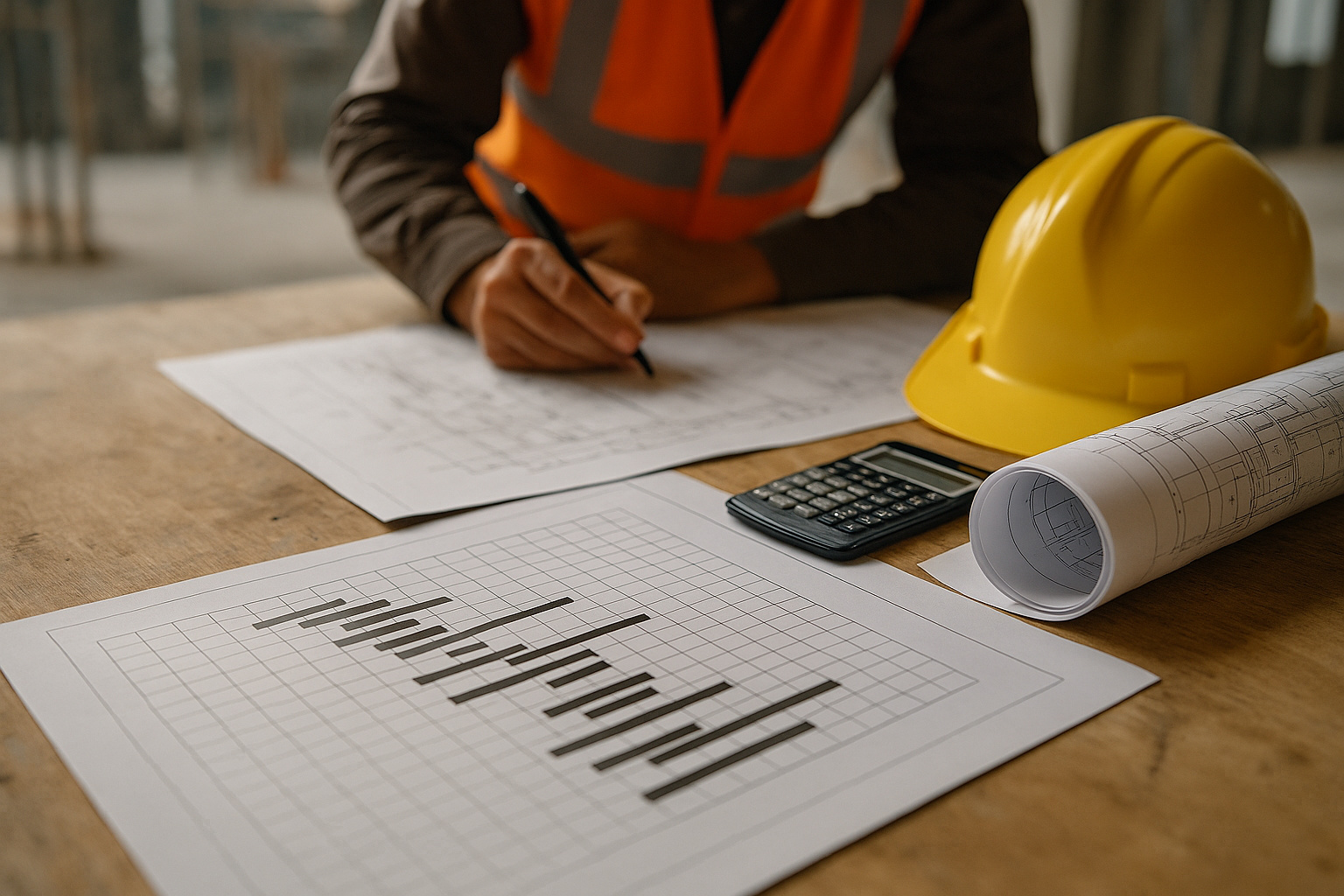
A Direct And Objective Overview Of Why Projects Delay And How Integrated Planning Improves Results
The construction industry has historically dealt with delays, costs exceeding projections, and structural waste, as reinforced by McKinsey & Company in 2020, which analyzed global megaprojects. According to the consultancy, more than 98% of these projects exceed timelines or budgets, while average costs are 79% higher than planned and deliveries take about 52% longer than expected. In Brazil, since 2018, reports from the Construction Industry Union have confirmed the same pattern, especially in commercial and corporate projects.
Although these studies show numbers from large ventures, they also reveal the same logic of failures in smaller projects, as fragmented planning compromises execution and reduces predictability. In the country, the schedule is often created in the office and delivered to the site without ongoing updates, which leads to rework, improvisation, and loss of operational control.
Disconnected Planning From The Site Compromises Predictability
When the schedule is developed without the participation of the field teams, it strays from operational reality and ignores essential variables, such as weather, logistics, supplier deadlines, and local restrictions. Consequently, predictability is lost, while the client’s trust significantly decreases.
-
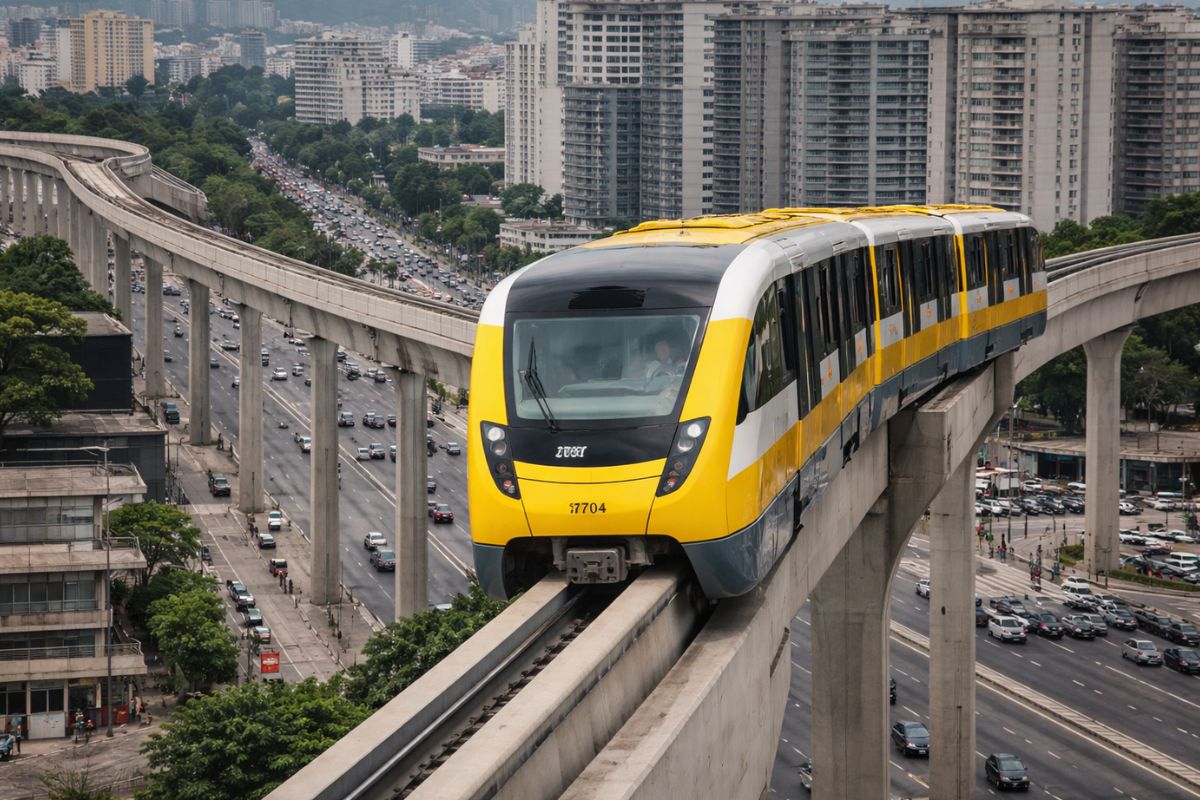
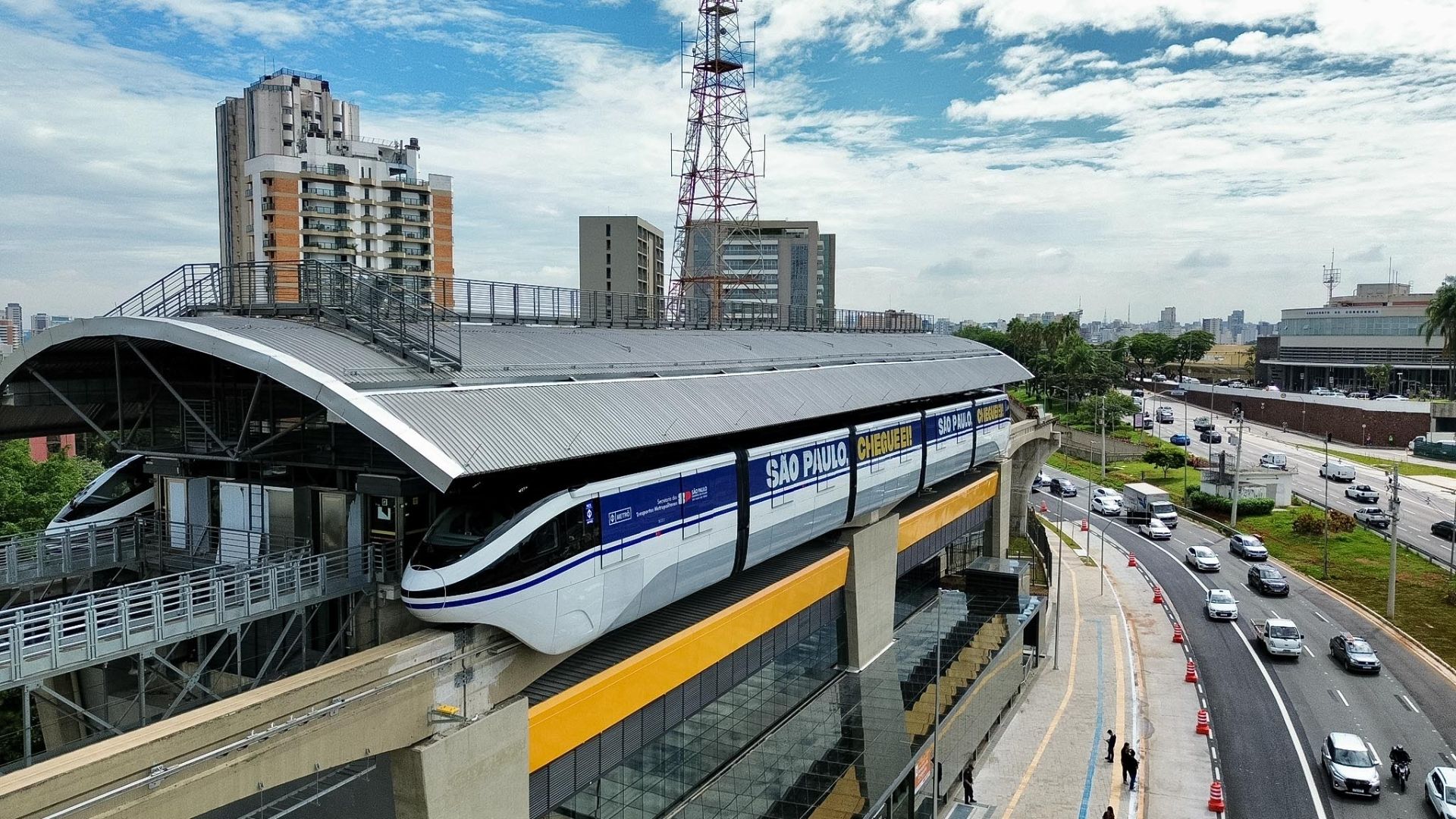
The project that was supposed to be ready for the 2014 World Cup in Brazil debuted with a 12-year delay and nearly R$ 6 billion invested: the Line 17-Gold of the São Paulo monorail opened with reduced hours and is only expected to operate fully in October.
-
Neither the Pyramids nor the Great Wall of China, this gigantic construction in Spain is the human mark on planet Earth that intrigues the most when seen in images from space.

-
Surrounded by cliffs, mist, and chilling stories, the ancient Hotel del Salto has been reborn as a museum while still unable to shake off its reputation as a haunted place.

-
This star-shaped fortified construction, hidden near the border of Spain, may be the largest fortress on the planet.


Since 2019, studies from CBIC and Senai indicate that material waste can reach 25% to 30% of the total used, which generates annual billion-dollar losses, especially in urban projects. Moreover, each delay adds indirect costs and reduces credibility, directly impacting the performance of companies.
Modern Methodologies Bring Greater Efficiency And Less Improvisation
In recent years, methodologies such as Lean Construction and AWP (Advanced Work Packaging), spread from 2015, have begun to show that planning does not mean predicting the future, but rather ensuring the conditions for the plan to be executed. This logic, applied in various projects in Brazil since 2003, is based on dividing the project into smaller modules, ensuring that each phase only starts when all conditions are secured.
For example, in a 60-day project, if the furniture has a delivery time of 45 days, it needs to be purchased by the 7th day. This interval accounts for manufacturing, transportation, receiving, inspection, and assembly, avoiding cascading delays.
A Live Schedule Transforms The Relationship Between Office And Field
When the planning is developed with the site resident, the supply team, and critical suppliers, it ceases to be a static document and becomes a living tool used daily. As a result, control shifts from being monthly to a real-time routine, which reduces improvisation and increases the quality perceived by the client.
This integration completely alters the operational dynamics, as planning ceases to be a tool for accountability and becomes an ally of execution, functioning as a strategic map based on the experience of those who understand the terrain.
Trust Is The Main Result Of A Live Planning
Although integrated construction requires greater initial dedication, the return is exponential, because there is less waste, fewer stoppages, and more predictability. Since 2021, reports from Senai and the Engineering Institute indicate that projects with collaborative planning reduce rework by up to 40%, strengthening the relationship between teams, suppliers, and clients.
Thus, when planning is continuous, integrated, and realistic, the project ceases to be an operational risk and transforms into a concrete commitment to the final outcome.
By: Fernando Ervedeira, Chief Engineering of We Are Group – a company specialized in the execution of high-standard corporate and commercial environments. More information on the website.









-

Uma pessoa reagiu a isso.