





 Portuguese
  English
  Spanish
  3 min of reading
  0 comments



Why Do Modern Cars Look Alike? Understand How Safety Standards, Aerodynamics, and Industrial Costs Standardized Automotive Design.
Just look at traffic to notice a curious phenomenon: cars from different brands are increasingly similar to each other. SUVs, sedans, and hatchbacks change the logo but maintain very similar proportions, lines, and even details. This standardization is not a lack of creativity from manufacturers. It is a direct result of technical decisions, global laws, and physical limits that now command modern automotive design.
Safety Standards Transformed the Shape of Cars
The first decisive factor is vehicle safety. International rules require specific deformation zones, higher hoods, and fronts capable of absorbing impact in accidents.


This forces cars to have raised noses, wide bumpers, and similar front structures, regardless of the brand. The space for bold designs has simply disappeared.
-
Less than a Tera TSI, up to 710 km of range and charging in 9 minutes: the new BYD Song Ultra expands the Chinese brand’s bet on increasingly faster, more technological, and competitively priced electric SUVs.

-
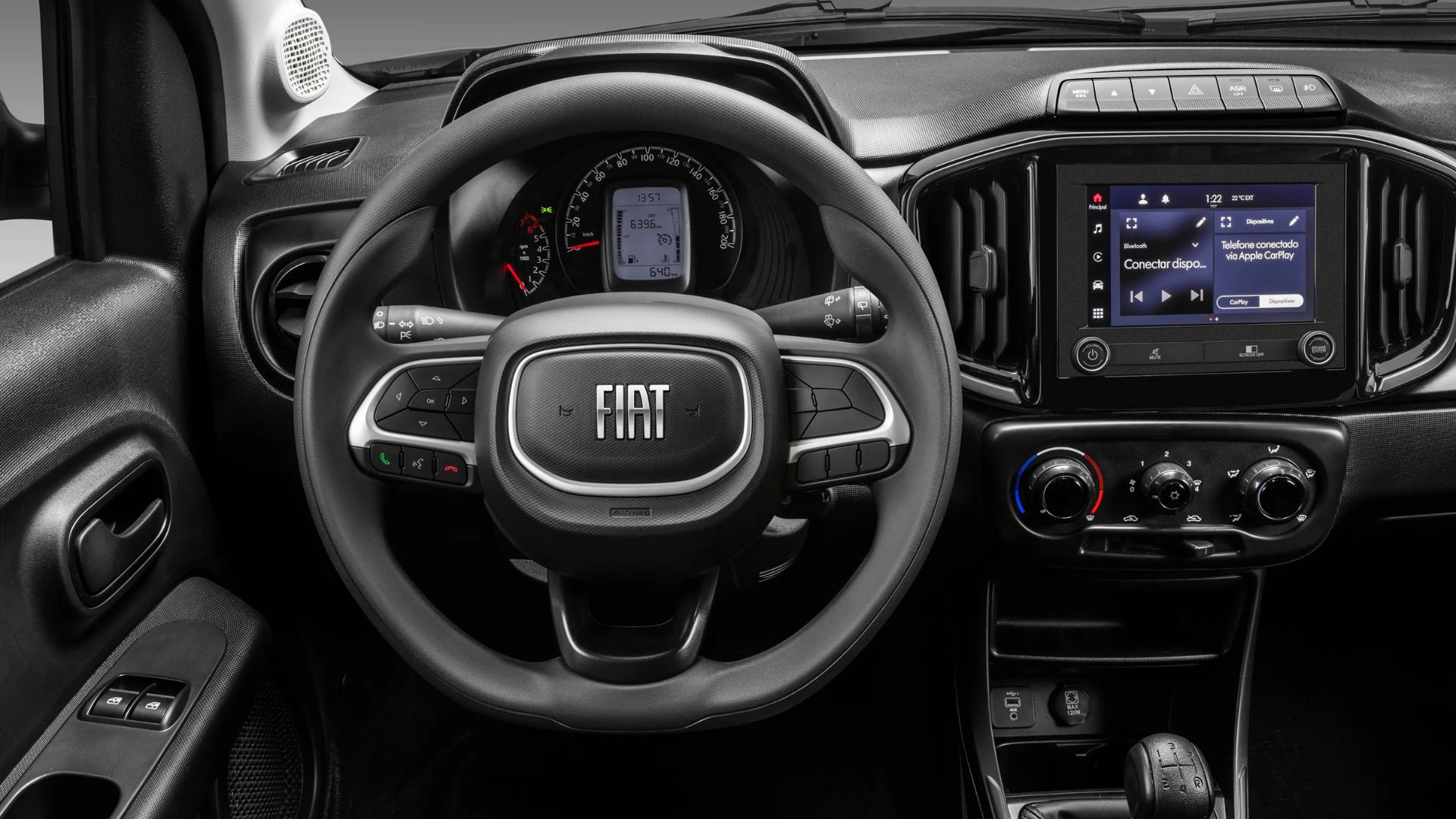
With a 1.0 engine producing 75 hp and costing less than R$ 70,000, Fiat’s car returns to the podium as the cheapest in the country; a temporary promotion for the 2026 Like version reduces the price of the Fiat Mobi.
-
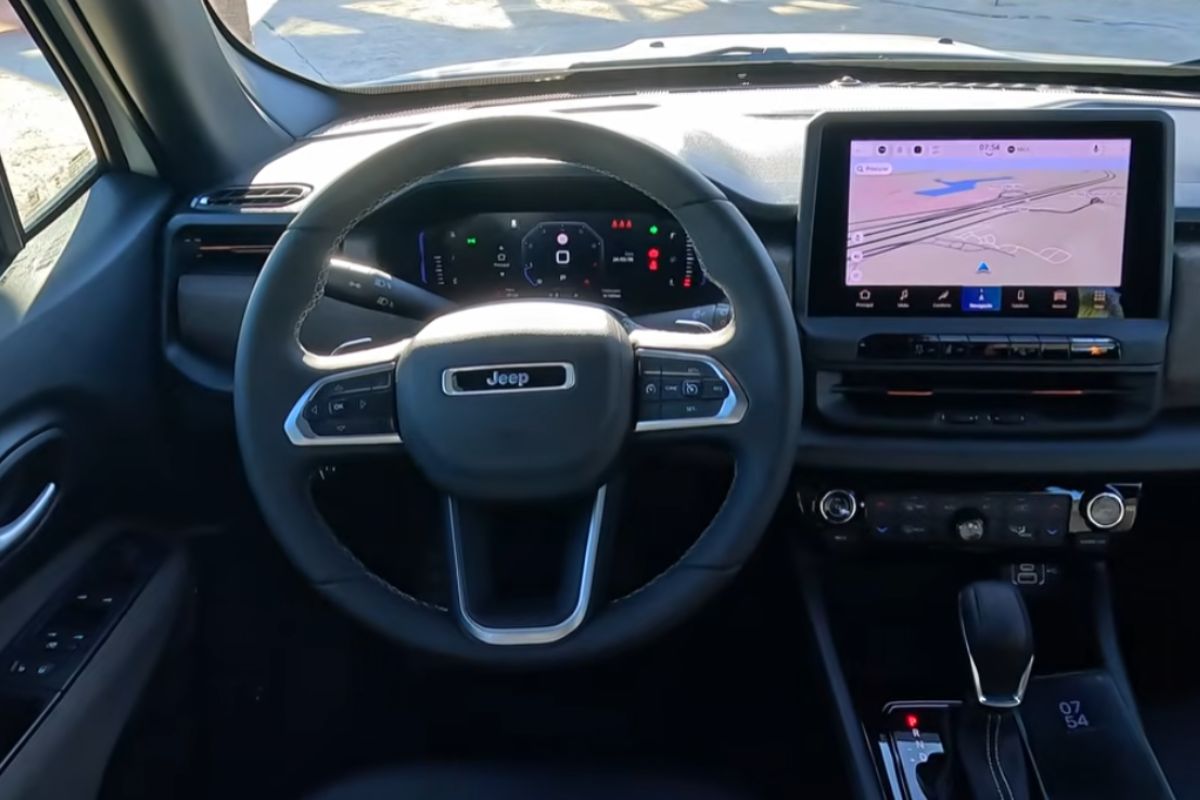
With a mild hybrid system of 48 V, 176 hp and a price of R$ 175,990 in the Sahara version, the new Jeep Renegade changes mostly on the inside, improves slightly in fuel consumption, and remains almost the same car.
-
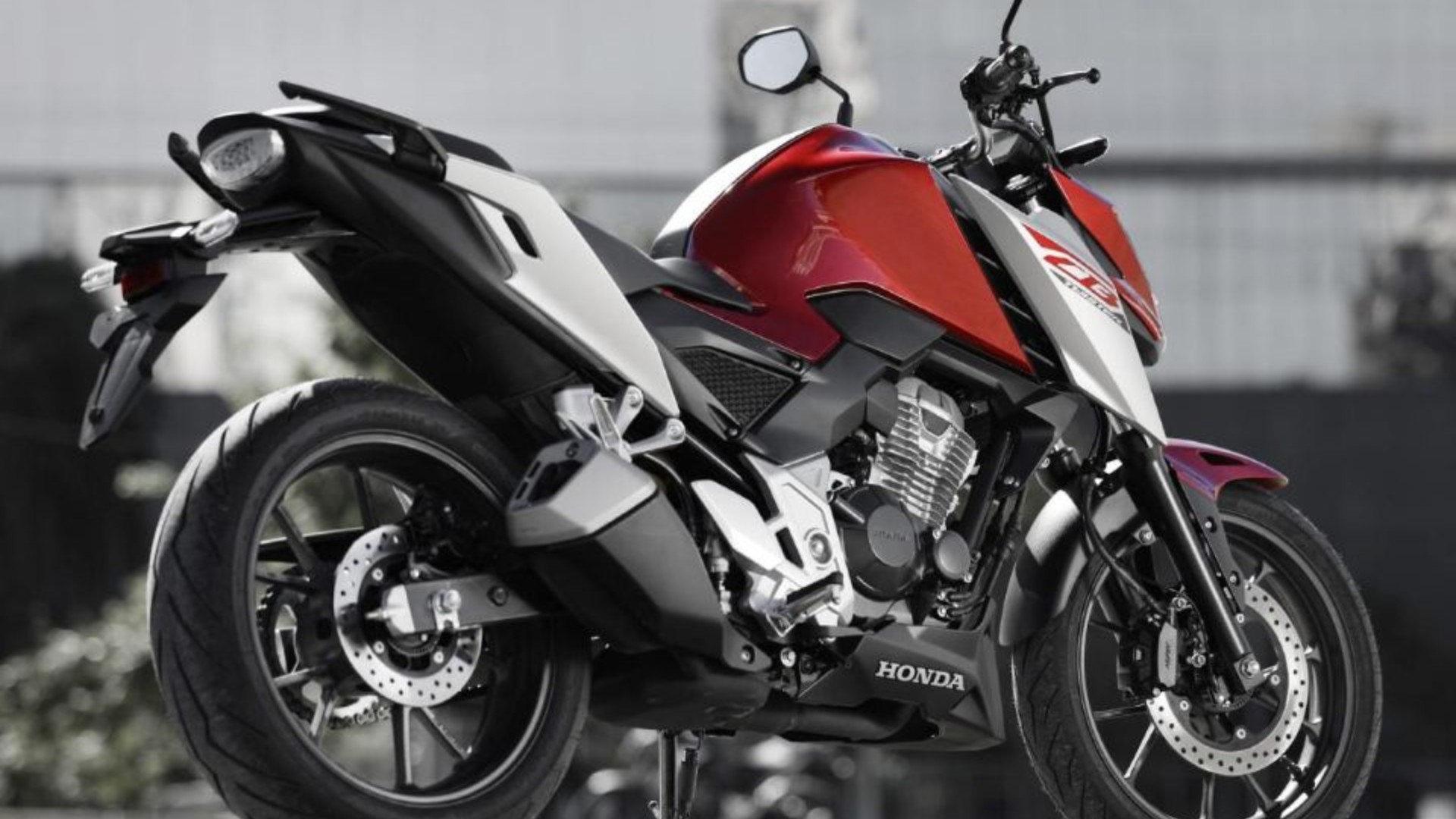
With a 293.5 cm³ engine and a range of up to 400 km with a 14.1-liter tank, the Honda CB 300F Twister 2026 has up to 24.7 hp, an initial price of R$ 25,150, and already exceeds R$ 29,000 in the Fipe Table.

Aerodynamics Matters More Than Style
Another element that pushed cars toward similarity was aerodynamics. To reduce consumption and emissions, vehicles need to cut through the air efficiently.
This favors rounded lines, arched roofs, slanted windshields, and tall rear ends. The result is that different designs end up reaching visually almost identical solutions because physics does not allow many alternatives.
Environmental Laws Standardized Proportions
Emission standards require smaller engines, post-treatment systems, and more complex thermal management. To accommodate all of this, cars have grown taller and wider.
This growth has reduced the variety of silhouettes. Low and flat cars, common in the 1980s and 1990s, have become unfeasible within current requirements.
Industrial Costs Limit Creativity
Different designs are expensive. Each unique panel, specific headlight, or new structural solution requires heavy investment in tools and testing.
To reduce costs, manufacturers have started using global platforms, sharing bodies, doors, pillars, and even panels among several models. This generates economies of scale but also visual uniformity.
Global Platforms Created “Car Families”
Today, the same design serves for hatchbacks, sedans, SUVs, and even compact pickups. The difference lies in external details, but the structural base is the same.
This explains why many cars seem like “variations of the same design.” They really are, from a technical standpoint.
The End of Excessive Personality in Design
In the 1980s and 1990s, cars had strong visual identities because there were fewer legal and technical restrictions. Straight lines, large windows, and low fronts were common.

Today, these solutions would be rejected in impact, emissions, and consumption tests. Personality has been sacrificed in favor of efficiency and regulatory compliance.
SUVs Accelerated Further Standardization
The explosion of SUVs aggravated the phenomenon. This type of car requires elevated height, robust front, and short rear, further reducing possible variations.
Since SUVs are more profitable, manufacturers prioritized this format, pushing the entire market toward a single visual standard.
Design Today Is Optimization, Not Artistic Expression
Modern automotive design has ceased to be a form of free art and has become an exercise in applied engineering. Every line must justify consumption, safety, cost, and emissions.
The designer does not draw what they want, but what the legislation and physics allow. The result is predictable: different cars solving the same problem in the same way.
Why Are There Still Small Differences Between Brands
Even within these limitations, manufacturers try to create identity through headlight signatures, grilles, taillights, and secondary lines.
These are subtle details, as the space for daring is small. Differentiation today is more symbolic than structural.
The Consumer Also Helped Create Similar Cars
The modern public values comfort, low consumption, silence, and technology, not necessarily radical design. Very different cars tend to sell less and pose commercial risks.
This reinforces the choice for safe and predictable designs, both visually and in engineering.
Cars Are Not Alike By Chance
The similarity between modern cars is not laziness from manufacturers nor a lack of talent from designers. It is a direct consequence of safety standards, environmental laws, aerodynamics, and industrial costs.
The modern car is the result of an extreme technical balance. While it may lack personality, it excels in efficiency, safety, and reliability. In today’s world, design no longer chooses the path — it obeys the system.







-

Uma pessoa reagiu a isso.